Table of Contents
Author | Elvira Esparza
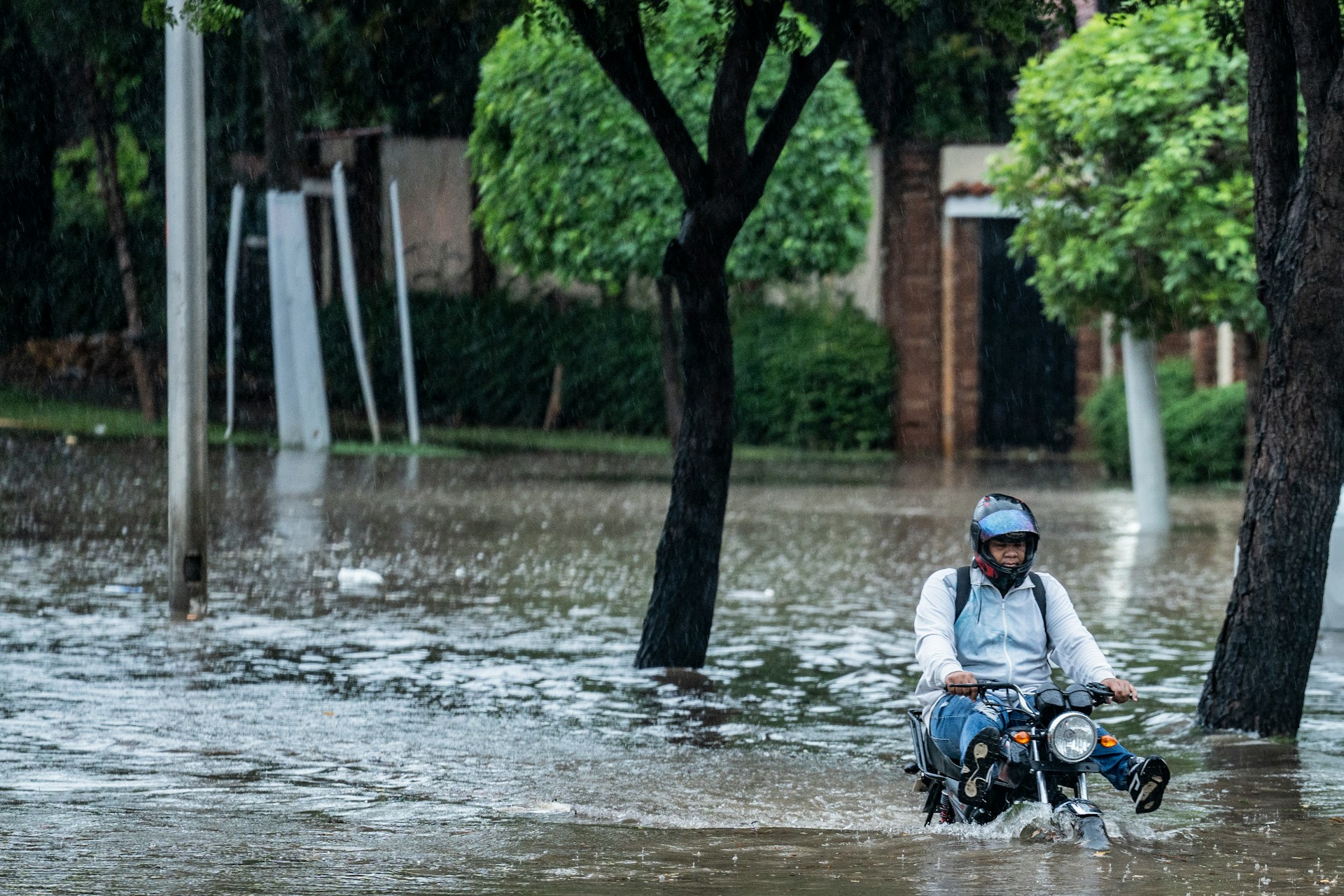
The term ‘climate change’ refers to long-term shifts in temperature and the Earth’s climate patterns, resulting in major droughts and flooding, polar ice melting, rising sea levels, and other significant impacts. Given the increasing frequency of these events, climate resilience emerges as society’s ability to prepare for, recover from, and adapt to the impacts of climate change.
The average global surface temperature has increased by approximately 1.2°C since the late 19th century. This rise in temperature occurs naturally but has been significantly accelerated by human activities, primarily through the use of fossil fuels like coal, oil, and gas. Burning fossil fuels releases carbon dioxide, which traps heat and drives global warming.
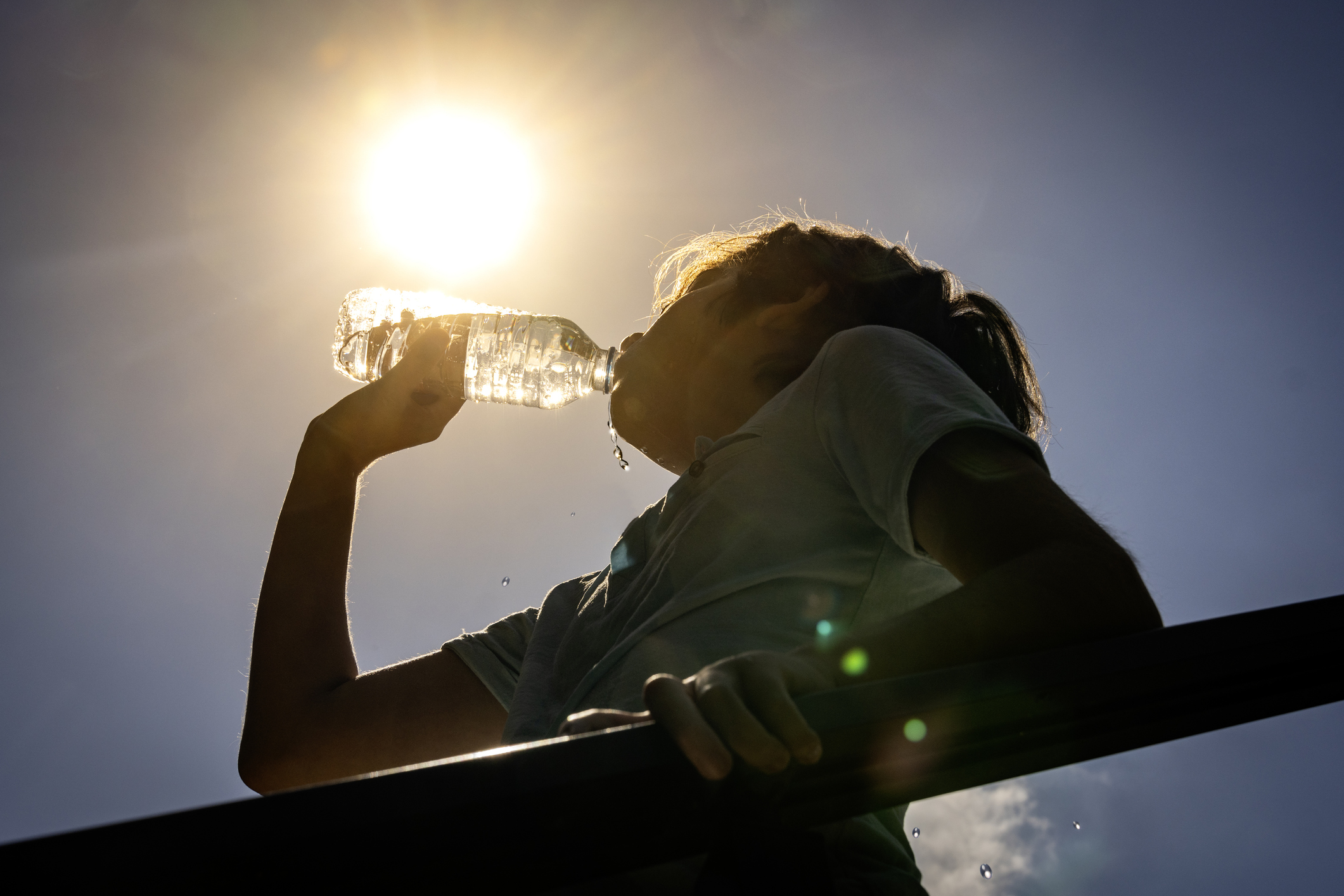
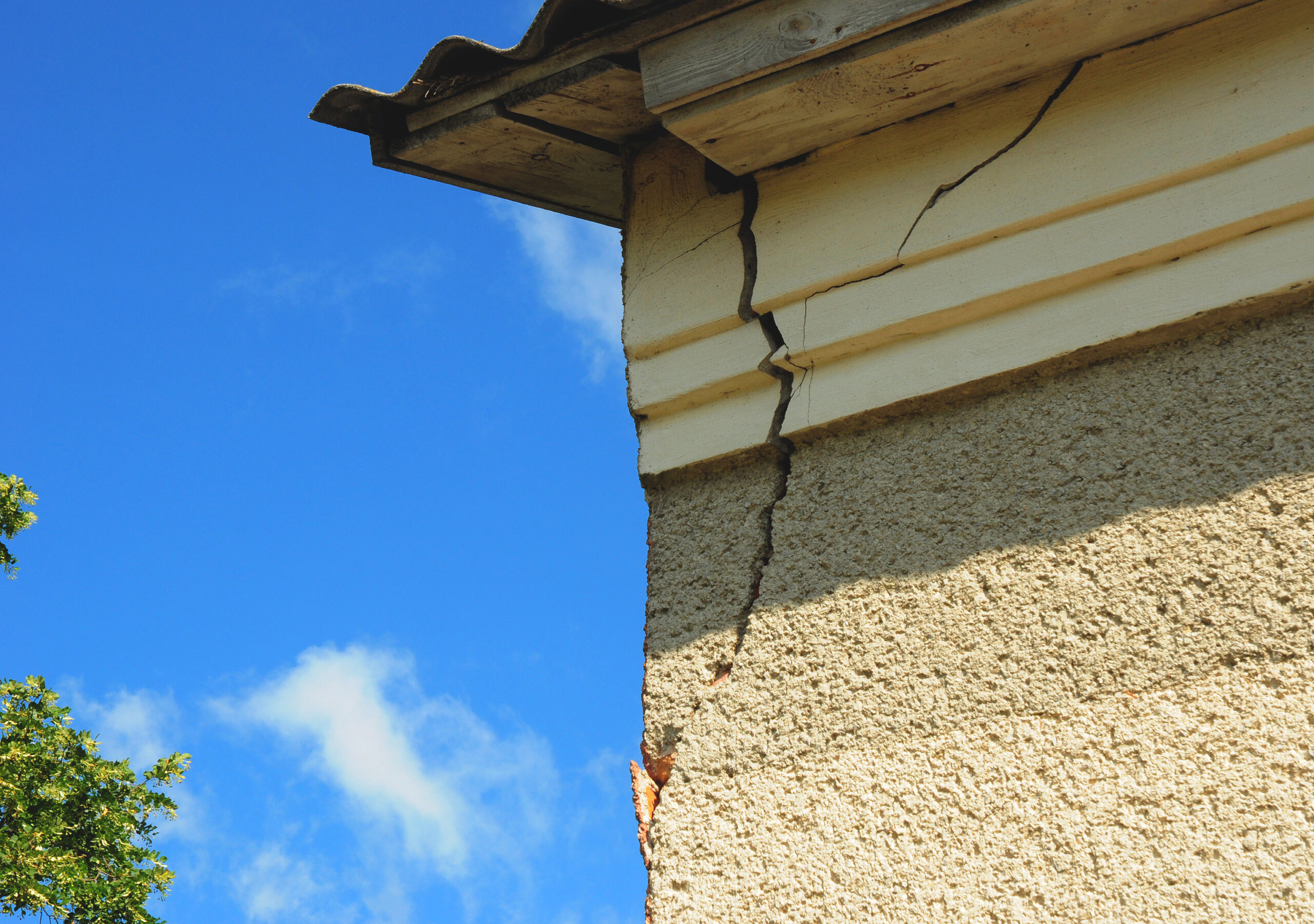
As a result of this warming, extreme weather events such as severe droughts, storms, and heatwaves occur. Additionally, melting glaciers raise sea levels, and ocean acidification intensifies— all of which have significant impacts on society.
Measures must be taken to mitigate climate change because its effects will disproportionately impact 80% of the world’s poorest populations. Agricultural yields are projected to decline by up to 30% by 2050, and sea levels could rise by 2.5 meters due to Antarctic ice melt—threatening around two-thirds of the world’s coastal cities. According to the Climate Resilience Network (CRN), the cost of climate-related disasters is expected to increase to $2.7 billion over the next 20 years.
What is climate resilience?

Climate resilience involves addressing and effectively managing the impacts of climate change to prevent them from worsening. It involves maximizing the capacity to adapt to phenomena such as flooding, drought, and rising sea levels, with the goal of protecting societal well-being, preserving ecosystems, and ensuring economic sustainability.
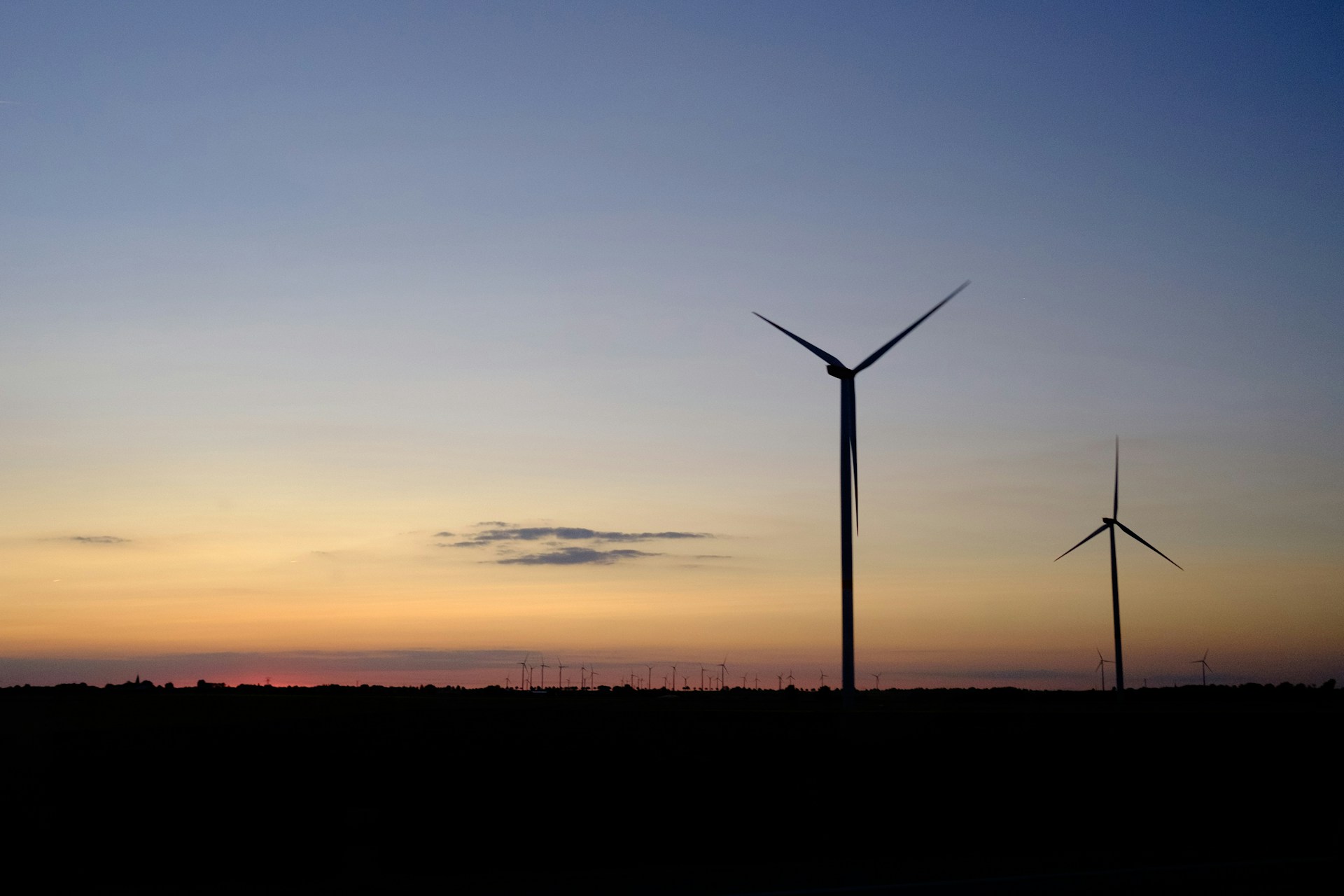
The first step in combating climate change is reducing carbon emissions, primarily generated by burning fossil fuels, as atmospheric carbon dioxide levels have risen by 50%. This reduction can be achieved by replacing fossil fuels like coal and gas with renewable energy sources, and by using electric vehicles and public transportation. However, while these initiatives help combat climate change, we must also adapt to that change in order to protect ourselves from its impact.
How to boost climate resilience
To ensure climate resilience, efforts to reduce carbon emissions must be combined with initiatives that help societies adapt to the inevitable impacts of climate change. The main measures include:
- Protection of ecosystems. Wetlands, mangroves, and forests function as natural barriers against flooding and storms, they absorb carbon dioxide and support rich biodiversity, playing a crucial role in maintaining the planet’s stability.
- Changes in consumption patterns. This involves promoting the reuse, repair, and recycling of products to minimize waste and reduce overall consumption.
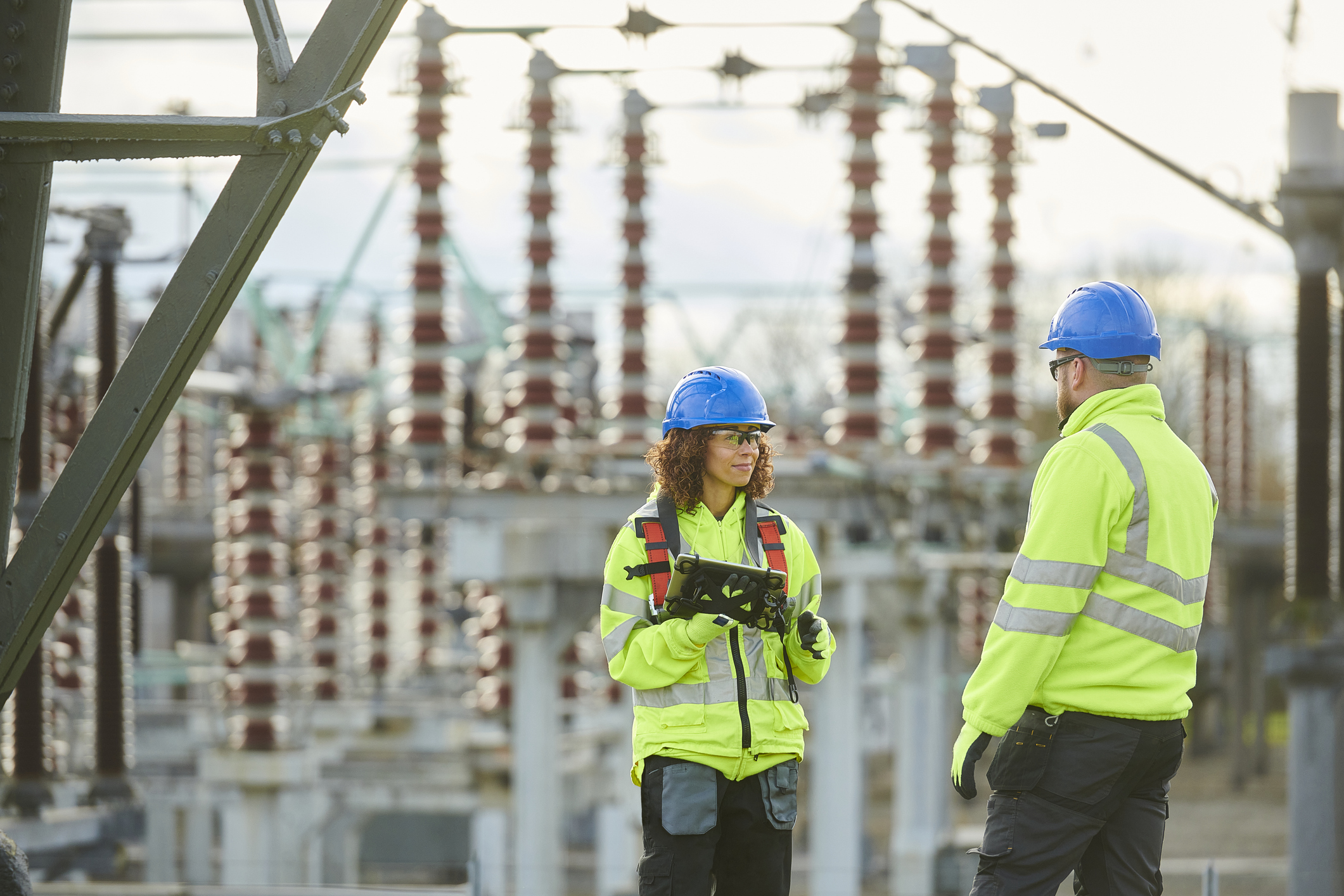
- Fostering resilient infrastructure. This involves designing and strengthening electricity, transport, and water systems to withstand the effects of climate change by using sustainable materials and technologies that minimize the environmental impact.
- Development of climate-resilient crops and livestock. This focuses on researching and promoting crop varieties and livestock breeds that can withstand extreme climate conditions.
- Technological innovation. The use of artificial intelligence, big data, and real-time monitoring systems, enable more accurate prediction and effective mitigation of climate risks. They also support improved urban planning and more efficient management of water resources.
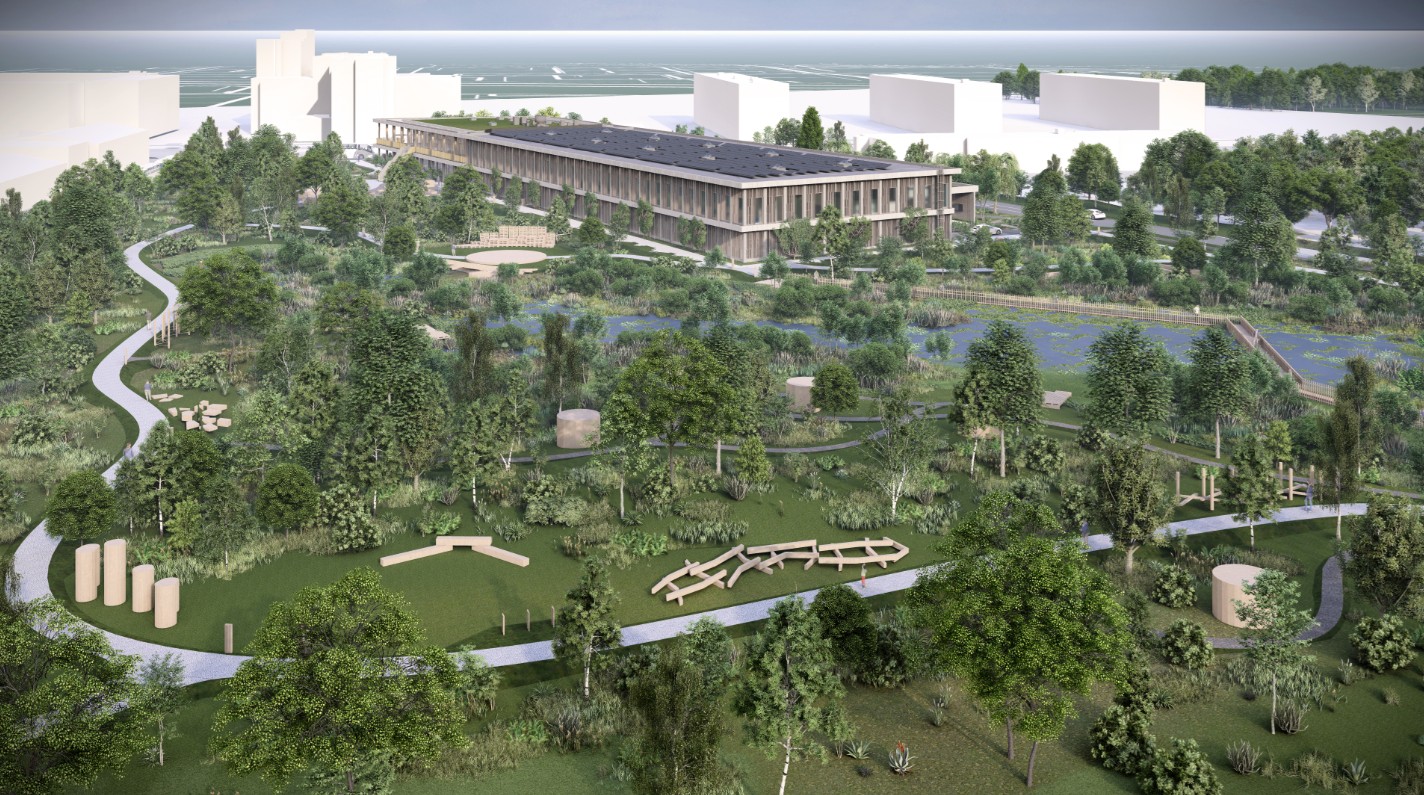
- Resilient urban planning. Designing resilient cities involves integrating green spaces with sustainable trees, buildings, and housing.
- Social engagement. This involves fostering solidarity and mutual support within communities and encouraging citizen participation in planning and implementing adaptive measures to raise awareness about the importance of addressing climate change.
Practical examples of climate resilience

- Around the world, numerous projects demonstrate how climate resilience can be effectively applied in both urban and rural settings:
- Copenhagen has redesigned public spaces by creating squares and parks that serve as temporary water reservoirs, helping to reduce the impact of violent showers and prevent flooding.
- Tokyo has created rooftop gardens and water retention systems on tall buildings to manage stormwater and reduce flood risks.
- Amsterdam has implemented innovative drainage systems and expanded green spaces to effectively reduce the risk of flooding.
- Melbourne is preparing for drought by constructing a desalination plant that supplies one-third of the city’s annual water needs.
- Brazil has chosen to reforest the Amazon rainforest to mitigate climate change and protect biodiversity.
- Kenya is focusing on developing climate-smart agriculture by adopting farming techniques suited to extreme climates, using drought-resistant crops, and implementing soil conservation practices to ensure food production.
Images | Chris Gallagher , Rifad Lafir, Samuel Sng/Unsplash