



Table of Contents
Author | Raquel C. Pico
Some see it as a kind of gold rush, while others view it as the next great industrial revolution, one that no one can afford to miss out on. The artificial intelligence boom and its many applications come with significant infrastructure requirements. Data centers are the cornerstone of this infrastructure.
A recent estimate by consulting firm Bain confirms that data centers have not only become “critical infrastructure,” but are also expected to attract between $5 trillion and $6.5 trillion in global investment through 2030, with capacity set to triple. However, this raises new questions about chips, workforce availability, and energy capacity. Ultimately, one of the biggest issues in this race is data center energy consumption.
Cities must decide what role they want to play in this new ecosystem. Although the AI race has diversified the types of data centers, meaning not all require the same low latency (which previously made it essential to locate them close to major population centers), cities are nevertheless drawn into the debate. After all, proponents of this infrastructure see its potential to drive economic growth, create jobs, and generate wealth, while opponents are concerned about the effects of data center cooling systems and power demands on aquifers and the electrical grid.
At the same time, influenced heavily by developments already unfolding in places such as the United States, data centers have become a source of tension among local communities, which do not always welcome the projects the artificial intelligence industry seeks to develop in their areas. All of this forms part of a much broader debate about sustainable technology, the energy transition, and efficiency, making it a complex issue with many competing considerations.
The main points of contention
Electricity consumption
The biggest point of contention in all these debates is data center energy consumption.
Comparing how much electricity AI data centers consume with traditional critical infrastructure is not entirely straightforward, as the industry is constantly evolving and figures quickly become outdated. As these facilities grow larger and gain processing power, their energy consumption also increases. As Bain’s report points out, five years ago, a data center consuming 50 MW was considered “large,” whereas facilities are now being developed that consume 100 times as much power.
Some statistics, such as those from the International Energy Agency (IEA), indicate that data centers already account for 1.5% of total global electricity consumption (roughly the same amount Germany consumes in a year). However, these overall figures overlook some key issues. One is that data centers are concentrated in specific regions, such as the United States. This has a direct impact on the electrical grid, particularly when data centers are not only concentrated within a single country but also clustered in specific states or metropolitan areas leading this expansion. In fact, considerable tensions have already emerged in the US between those who want to continue developing this infrastructure and those who oppose the construction of more data centers and protest their consequences.
Another key issue is that electrical grids worldwide could come under strain from these spikes in consumption. The IEA has been warning for years that digitalization, on the one hand, and the electrification of society, on the other, are overloading electrical grids, which need investment in modernization. Smart infrastructure could play a fundamental role here, as smart grids would not only help manage peaks in demand but also prioritize meeting that demand with renewable energy.
Water consumption
The other major point of contention surrounding the data center boom is water consumption. Data centers use water for one fundamental reason: they need to cool their servers. Put simply, their operation generates heat, but they cannot exceed certain temperatures if they are to continue functioning, so they need to lower the surrounding temperature. This is where water comes into play.
In the United States, the effects on water supplies have already been documented in cities and areas where several data centers have been built. “A large, continuous user, such as a data center, fundamentally alters a watershed because its demand for water never sleeps,” explains Matthias Sprenger, a professor at North Carolina State University, in an analysis of the issue. He estimates that US data centers consumed 17 billion gallons of water in 2023 alone, equivalent to approximately 64.352 billion liters.
The larger the data center, the greater its consumption. This is why water use is one of the issues that most concerns environmental organizations and one of the main sources of opposition when a new data center project is announced near a city. It is particularly worrying in the context of global water stress.
Even so, the data center industry often emphasizes the importance of considering when and where this water is consumed. For example, companies operating in Southern Europe say they use closed-loop water systems, which eliminate the need for a constant supply of fresh water. The same water is reused because these facilities have operated from the outset in regions where water is too precious a resource to waste.
How to address the growth of data centers
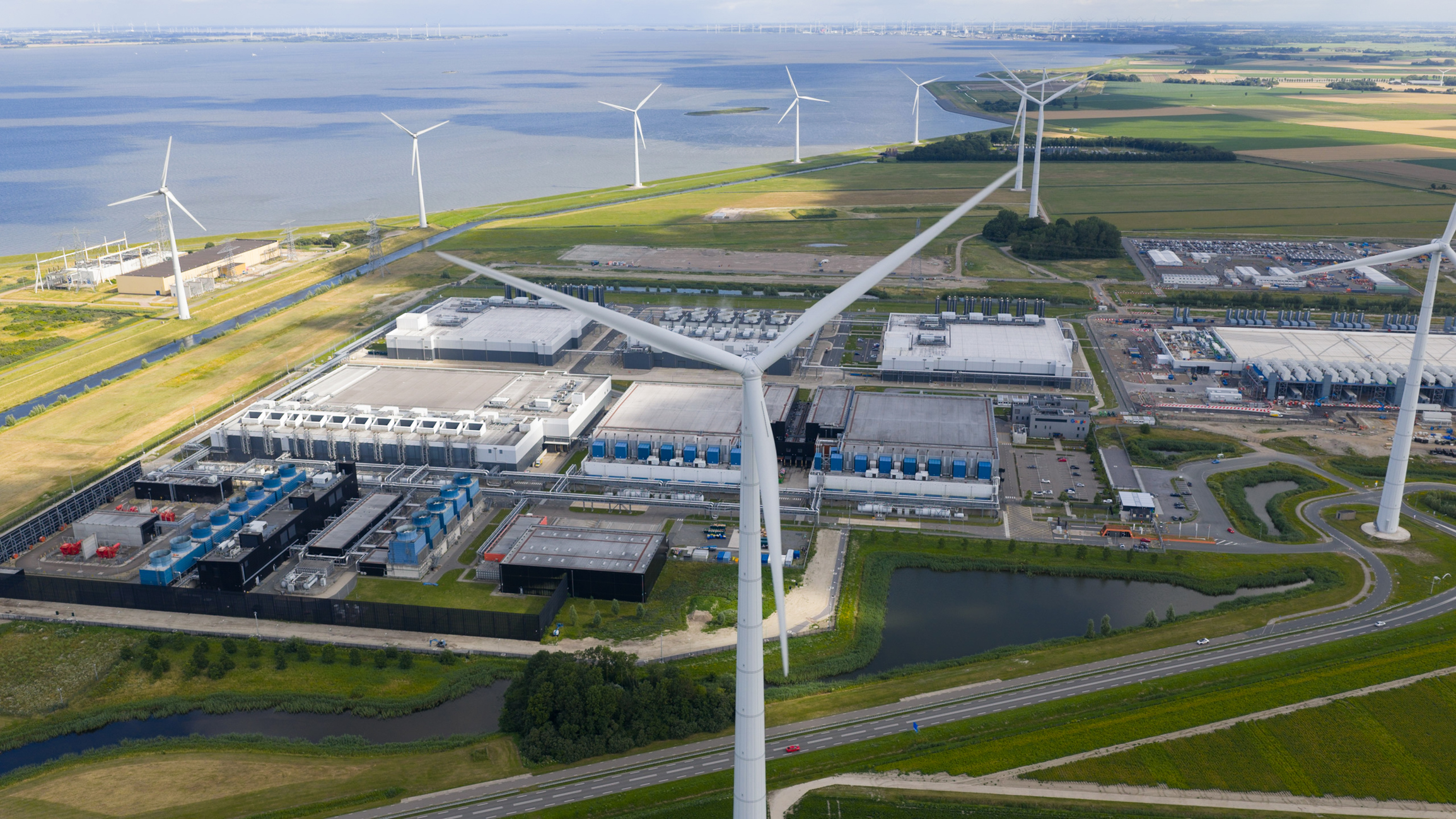
All of this lays the groundwork for a complex debate, further complicated by other considerations. If AI has become an increasingly important part of the economy, and digitalization in general is a goal for cities, countries, and economies, is it possible to avoid expanding data center infrastructure? At the same time, the geopolitical landscape has fueled growing interest in digital autonomy and sovereignty, but achieving these goals requires countries to have their own data centers.
Environmental organizations are calling for greater scrutiny of what infrastructure is being developed and why. In fact, debates are already taking place within the industry over whether too much capacity may be under construction. Europe has already begun regulating energy efficiency (and (AI), while some countries are developing their own regulations. One of these is Spain, where a Royal Decree is being drafted to prevent a “flood of projects” and avoid becoming a victim of its own success by ensuring sustainability and energy efficiency. Industry representatives, however, consider the proposed measures disproportionate.
Can the environmental footprint of data centers be reduced? What requirements should cities impose on the industry through their planning processes to prevent costly environmental impacts while ensuring that data centers act as drivers of economic activity? Recognizing their potential problems is essential, but so is pursuing solutions that deliver positive results. Closed-loop water systems, such as those used in Spain, reduce pressure on aquifers, while increasing the share of renewable energy in electricity consumption helps reduce the environmental impact of powering data centers.
Some cities are adopting circular economy strategies to address the challenges posed by data centers. In Helsinki, Finland, 90% of the heat generated by data centers is reused in residential heating systems: a single data center can maintain comfortable temperatures in approximately 20,000 homes. Another facility in Bibai, Japan, uses snow collected from the streets during winter for cooling and its excess heat to maintain an eel farm. Others, such as those in Phoenix, US, use only treated wastewater in their cooling systems.
Frequently Asked Questions
Is it possible to avoid locating data centers in urban areas?
Yes, it is. In Spain, for example, several provinces in what is known as España vaciada (depopulated Spain) are trying to attract investment in data centers. However, these projects also raise concerns among local residents, including their potential impact on areas already experiencing water stress.
What are major technology companies doing to meet the power demands of AI data centers?
Several approaches are being explored, some of them highly futuristic. One involves a revival of nuclear energy, with several major technology companies already investing in startups developing a new generation of reactors. Another involves sending data centers into space, where they could be powered continuously by solar energy. Google has just launched a prototype.
Can urban data centers be integrated into the circular economy?
This is one of the most common approaches to reducing their environmental footprint, and one that also has a broader positive impact on the cities where they are located.
Are there other sources of contention surrounding data centers in urban areas?
Although they tend to attract less media attention, other sources of tension do exist, including noise pollution.
Photos | EvgeniyShkolenki/iStock, Hugo Kurk/iStock