



Table of Contents
Author | Elvira Esparza
More than 12 million homes in France have structural damage caused by the shrinking and swelling of the clay soil on which they are built. Extended periods of drought followed by heavy rainfall trigger this phenomenon, weakening building foundations and requiring major investment to repair the damage. Climate change has intensified this phenomenon through rising temperatures, triggering heatwaves that contribute to geotechnical droughts.
An estimated 48% of France’s territory is affected by the shrinking and swelling of clay soils, a phenomenon known in French as Retrait Gonflement des Argiles (RGA). More than half of mainland France faces a medium to high risk of experiencing this phenomenon, particularly in homes built with concrete blocks since the 1970. Among the most exposed regions are Île-de-France, Occitania, Provence-Alpes-Côte d’Azur, and Nouvelle-Aquitaine.
What is RGA?
The shrinking and swelling of clay soils occurs due to variations in their water content, which increases or decreases depending on weather conditions. During periods of drought, the soil contracts, while rainfall causes it to rehydrate and expand, creating stability problems for buildings. Although these changes occur gradually, they can cause significant damage to structures built on this type of ground, particularly single-family homes.
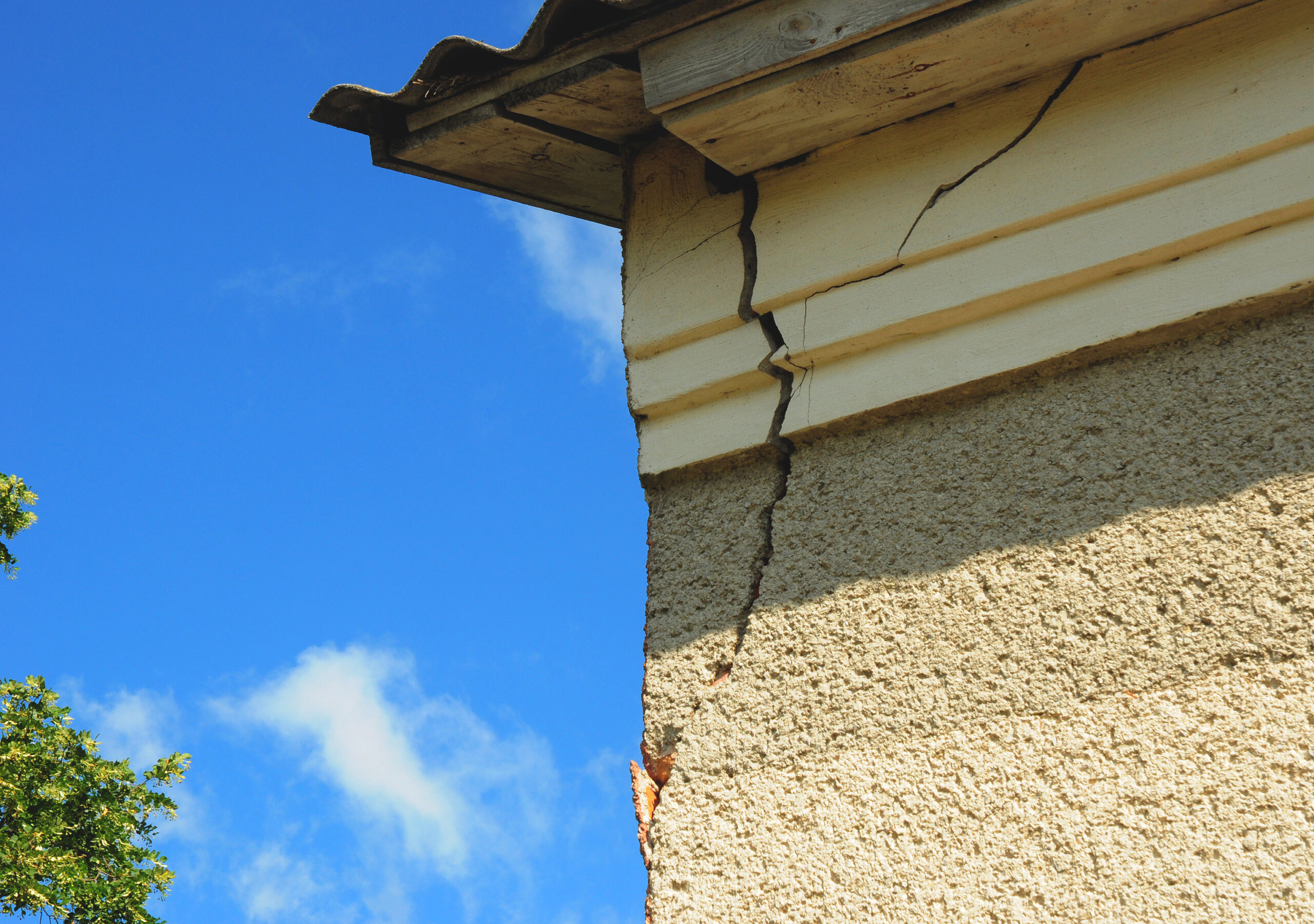
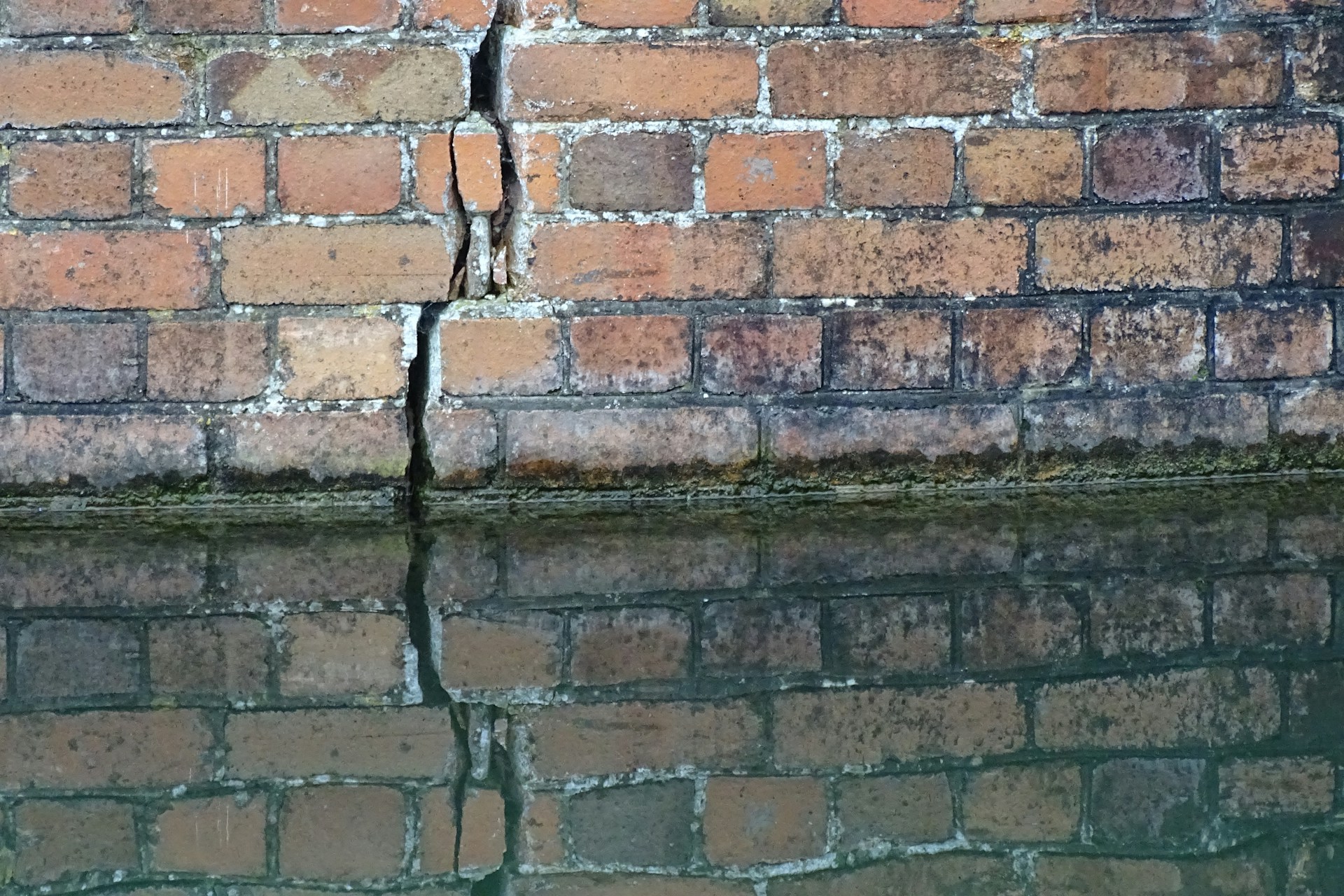
The damage caused to homes mainly includes cracks in facades that spread through weak points. Other problems include the separation of adjoining structures such as garages, staircases, or terraces; the warping of doors and windows; the shifting of floors and interior walls; and even the rupture of underground pipes.
When did the soil shrinking and swelling process begin?

In reality, this is a geological phenomenon that has existed for many years, but following the 1989 drought in France it was officially recognized as a risk and included in the natural disaster compensation system.
Since 2016, consecutive droughts have led to a rise in compensation claims for damage to homes. The problem is that climate change is shortening the intervals between droughts, thereby increasing the damage to homes.
Between 2018 and 2022, 240,000 claims were filed for damage caused by the shrinking and swelling of clay soils, making it the second leading cause of compensation claims in France. The average cost of damage associated with this phenomenon in a single family home is estimated at €16,500, the highest among all home insurance claims.
According to data from the Central Reinsurance Fund (CCR), the cost of this risk is estimated to have reached around €21.5 billion in compensation payments between 1989 and early 2026. The 2022 drought alone resulted in €3.5 billion in compensation payouts.
Forecasts suggest that these costs could double by 2050, as a large part of French territory may face a structural water deficit. Research conducted by Météo-France and the French Geological Survey (BRGM) predicts that soil moisture levels will decline in the coming years under the climate scenarios outlined by the Intergovernmental Panel on Climate Change (IPCC).
What measures have been taken to address this problem?
The French government has introduced several measures aimed at controlling the costs associated with compensation claims for damage to homes caused by the movement of clay soils.
In 2018, it passed the Elan law regulating housing, which made geotechnical surveys mandatory to assess the risks linked to the shrinking and swelling of clay soils (RGA) and to adapt construction methods to ground conditions.
Since 2024, the construction of homes in medium to high clay risk areas has required an attestation RGA. This document certifies that the necessary technical standards were followed during construction to prevent cracks caused by soil movement.
In January, a decree was approved to update the map of areas exposed to the shrinking and swelling of clay soils. Starting in July, the areas most affected by this phenomenon that fall under the Elan law will be expanded.
In addition, the government has launched the Argile Prevention Fund to assess soil vulnerability and ensure that preventive work is conducted on homes built on clay soils before damage occurs. Homeowners may be eligible for financial assistance to help cover the cost of measures designed to prevent damage caused by soil shrinkage and swelling, provided they meet certain requirements. The pilot phase includes 11 French departments.
Preventive measures
Several measures are recommended for both new homes and existing buildings to help reduce the impact of RGA. For example, excessive vegetation near homes should be removed, and sewage systems should be regularly inspected to prevent leaks caused by aging infrastructure and ruptured underground pipes. Waterproofing work is also recommended to reduce the vulnerability of homes.
Horizontal prevention solutions
These solutions target the causes behind RGA and the resulting damage claims. They involve work on the upper layer of soil, around 1.5 meters deep, to contain the clay. These measures help stabilize the soil’s water content beneath a home’s foundations and are less expensive and more durable when regularly maintained.
Vertical repair solutions
Vertical solutions address the consequences of soil movement by reinforcing the structure to improve the building’s stability and resistance, through work on the foundations and the structure of the house itself. They complement horizontal solutions. These measures are more expensive because they require complex and lengthy construction work, but they are also more durable.
Recommended measures include installing micropiles, reinforcing the ground by injecting stabilizing materials beneath the foundations, and repairing cracks or structural damage using resin injections or metal staples.
These measures are intended to provide durable, low-maintenance solutions that address the underlying causes of soil shrinkage and swelling, thereby reducing both damage claims and the vulnerability of homes.
Images | Belinda Fewings, Lex20/iStock, Marcus Lindstrom/iStock