



Table of Contents
Author | Elvira Esparza
Converting urban and industrial waste into energy is how some countries tackle the massive amounts of trash piling up in landfills, as well as related issues like soil and groundwater contamination. Waste-to-energy (WTE) plants are locations where trash is turned into energy, reducing landfill waste while generating power.
The key difference with these plants is that, through waste sorting and more advanced processes than traditional incineration, the energy produced is cleaner than that from conventional waste burning and generates fewer emissions.
According to UN data, 11.2 billion tons of solid waste are generated worldwide each year, of which 2.1 billion are municipal solid waste (MSW) produced by households and businesses. Projections in the Global Waste Management Outlook 2024 report indicate that this number could rise to 3.8 billion tons by 2050.
A problem linked to this increase in waste is how it is managed. It is estimated that in 2020, 38% of municipal solid waste was either incinerated or dumped in the open, and this percentage could rise to 41% by 2050, reaching 1.6 billion tons. Recycling and reuse are among the solutions used to reduce waste, but some countries are beginning to generate energy by incinerating it.
Generating energy from waste
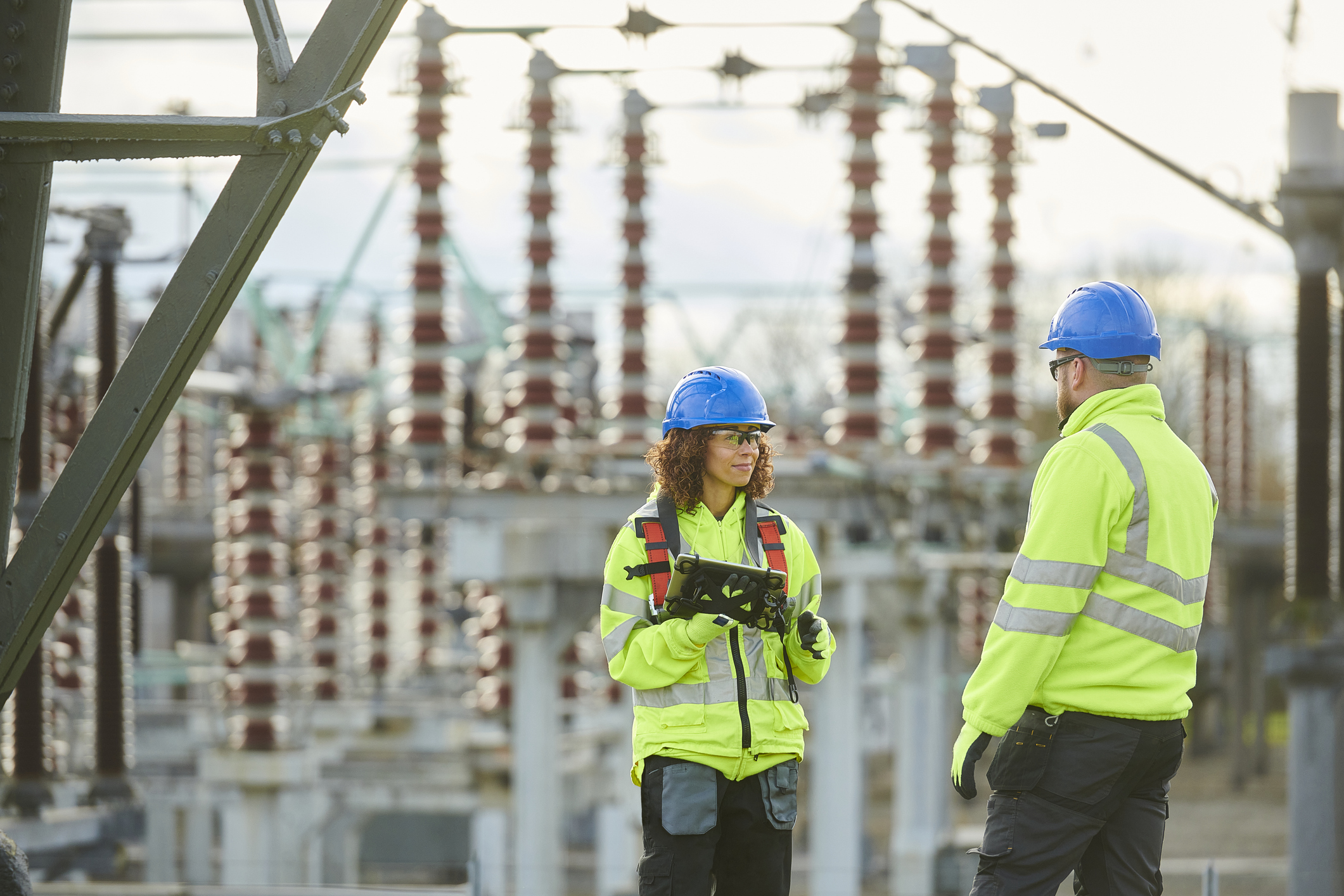
Energy generation from solid waste takes place in waste-to-energy plants, where waste is sorted for incineration. The heat produced during combustion is used to generate steam, which drives turbines to produce electricity and provide heating for homes and businesses.
Industrialized countries are the ones that have adopted waste-to-energy conversion. However, this system presents a dilemma because it encourages resource use rather than reuse and also has an environmental impact, as it produces greenhouse gas emissions.
However, to prevent rising pollution, initiatives are being developed, such as the use of carbon capture, utilization, and storage (CCUS) technologies. In Oslo, one of the first large-scale carbon capture systems is being tested to cut up to 90% of the CO2 emissions produced by incineration.
Countries generating energy from waste through clean processes
WTE plants are mainly being developed in industrialized countries, where waste management infrastructure is more established. The leading countries are:
- Sweden leads the countries generating energy from waste, as only 1% of its trash ends up in landfills. It not only manages its own waste but also imports nearly 800,000 tons of waste from the UK, Norway, Italy, and Ireland. It currently has 34 waste-to-energy plants supplying heating to 1.5 million homes and electricity to 780,000. In new housing, waste is already routed directly to WTE incinerators to be converted into energy for homes.
- The United States processes about 30 million tons of waste annually in WTE plants. Most of the more than 76 operational facilities rely primarily on incineration to generate energy, but many are outdated and need modernization to meet environmental standards. The waste-to-energy system is currently transitioning toward gasification and carbon capture.
- Dubai has built a WTE plant that provides electricity to 135,000 homes using 2 million metric tons of waste per year. Of the 5,500 tons of waste collected daily at the plant, only 200 tons cannot be reused.
- Since 2013, China has built a total of 166 WTE facilities, converting roughly 10% of its total municipal waste into energy, about 11 million tons. The city of Shenzhen stands out in managing this waste for electricity production, with a plant handling around 5,000 tons of waste daily.
The integration of AI and IoT technologies in WTE plants is improving efficiency and reducing system costs, while also supporting the growth of a circular economy through waste reduction.
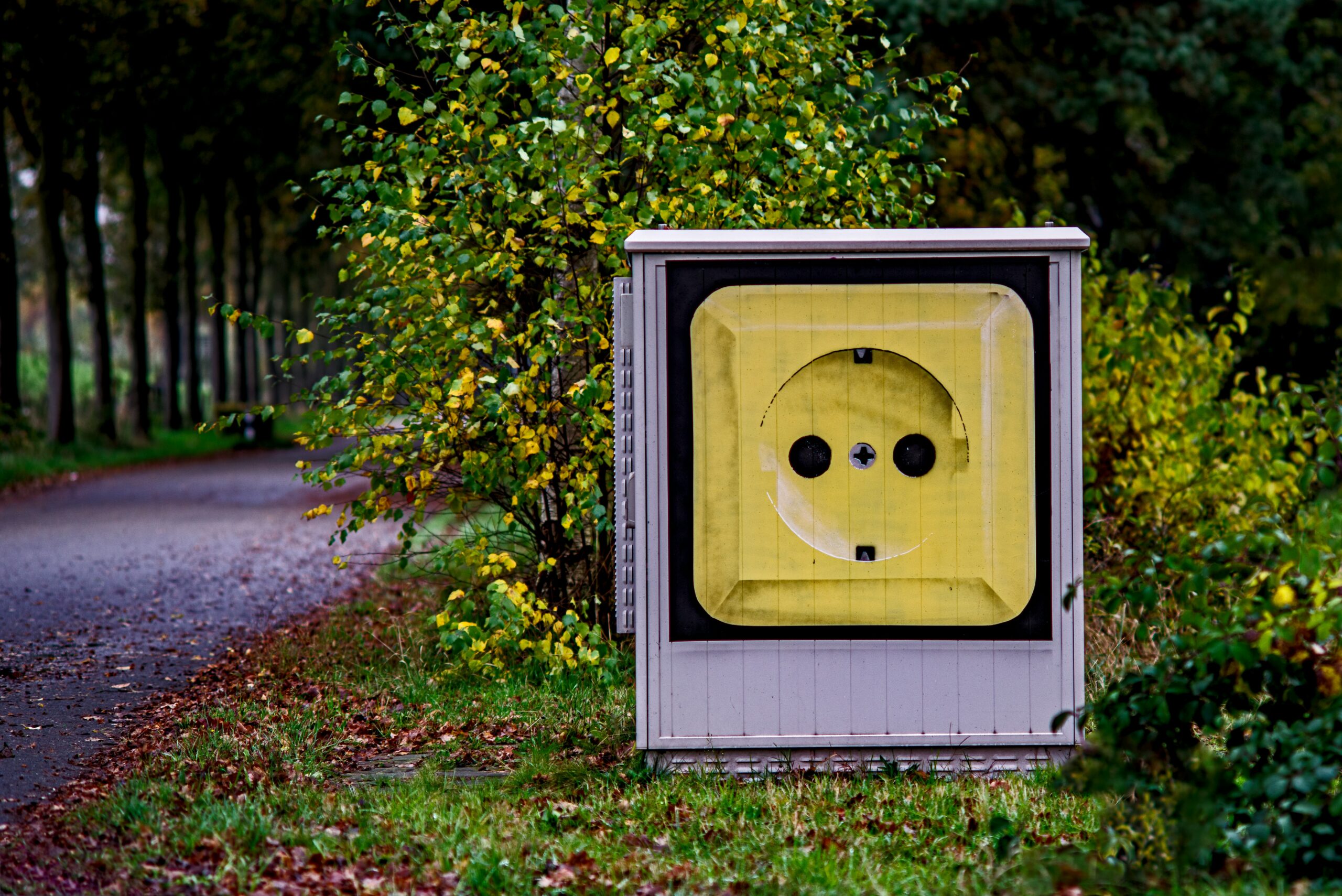
Image by Lucas van Oort