Table of Contents
Author | Raquel C. Pico
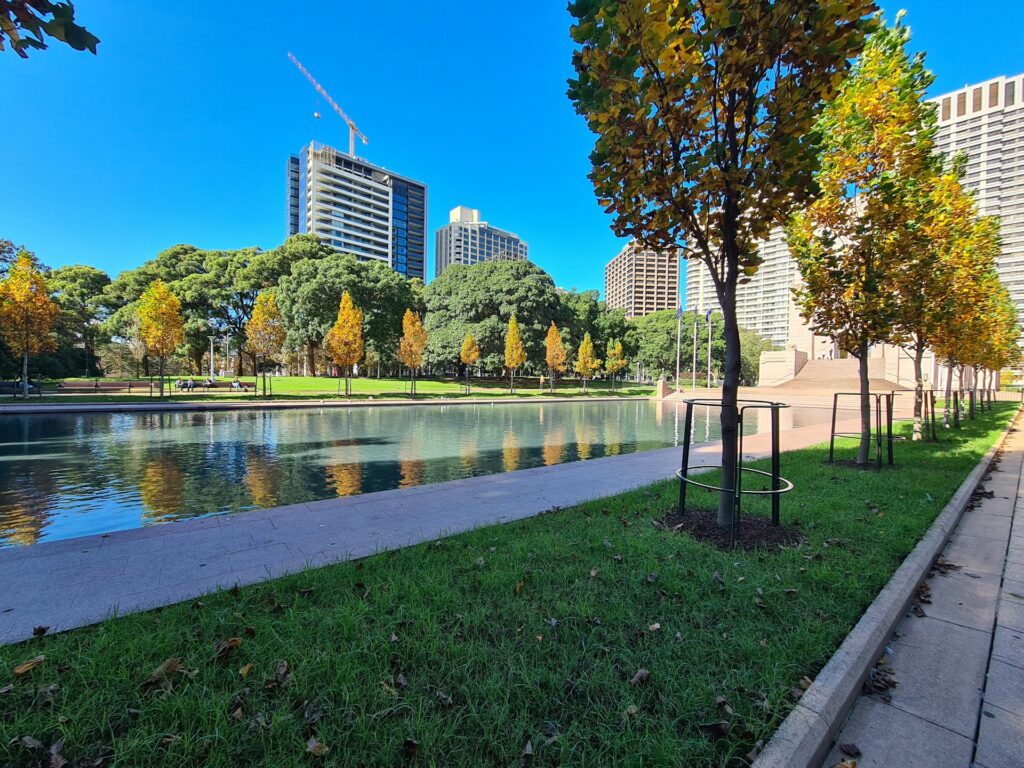
The start of summer has brought record temperatures to Europe. Heat waves have swept through various countries on the continent, forcing residents to face extreme conditions. For those living in cities, parks and green spaces have become sought-after havens, a climate refuge to survive the harsh weather.
But do cities have enough green spaces and with the necessary vegetation to meet the challenges posed by global warming? The answer to this question might lie in a surprising ally: artificial intelligence (AI).
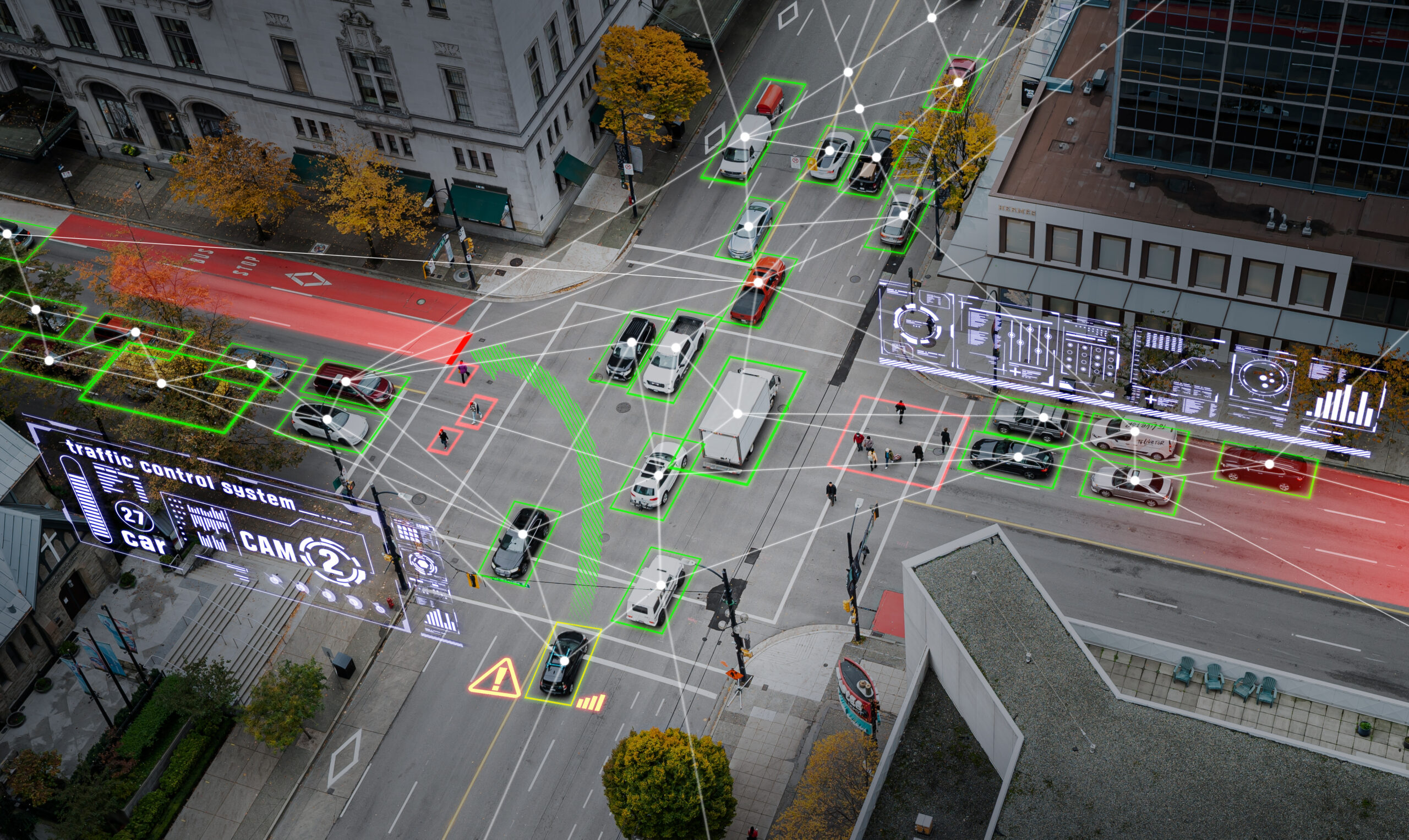
AI is already a key component of smart cities, helping manage traffic and increase lighting efficiency. Now, it could also be the driving force behind environmental monitoring, expanding green spaces, and improving the overall green health of cities.
The importance of green spaces
The need for greener cities is not new; it is one of those lessons that have been repeated for years.
In a way, this story is as old as modern urban planning itself. As far back as the 19th century, efforts were made to improve the health of people living in cities by creating green spaces, parks, and natural areas, with garden cities and tree-lined boulevards. While the 20th century shifted toward concrete-heavy cities dominated by cars, 21st-century urban planning has revived the goal of greening urban areas.
The benefits of urban green spaces are wide-ranging. They improve mental health and reduce unwanted loneliness, while also positively impacting physical health and lowering the incidence of certain diseases that have become chronic in recent decades. For example, the report “Influence of the Urban Environment on People’s Health” by the BIOMA Institute at the University of Navarra and Sanitas, recently estimated that increasing the number of trees in European cities by 30% could prevent 2,600 deaths each year across Europe.
Likewise, their social impact is positive and even benefits the urban economy.
There is already talk of “trees-as-infrastructure”, showing that trees are as essential to the urban fabric as other basic elements like bridges, sidewalks, or traffic lights. Trees in particular, and green spaces in general, help lower temperatures (crucial now as extreme heat events become more frequent), clean the air, and improve urban management.
How can AI make cities greener and more sustainable?
The role of nature is clear. The big question, in this context, is where artificial intelligence fits in. It is true that AI generally involves high resource use: its data centers require significant amounts of electricity and water. Tech companies and academic researchers are working to optimize this. The use of renewable energy and so-called green algorithms could lead to more sustainable AI. Even so, and even now, the overall impact of AI in certain contexts leans toward greater sustainability. One of which is its use in making cities greener.
AI is already being used for environmental monitoring in multiple contexts. For example, the “internet of forests” protects Colombia’s rainforest and helps combat deforestation and biodiversity loss.
In fact, fighting global deforestation is one of the most complex challenges faced by sustainability strategies. As experts explain, the scale of what needs to be known and controlled is so vast that it exceeds human capacity, but not that of artificial intelligence.
AI can do much the same for cities and their green spaces: real-time monitoring, in-depth analysis of the situation, and recommendations for concrete solutions to green urban areas.
From theory to practice
Cities are already moving in that direction. Efforts are underway to integrate AI into urban environmental monitoring, both in theory and in practice, by developing and implementing green technology that helps create the much-needed trees and parks.
The International Institute for Applied Systems Analysis recently released an open-source model that allows tracking urban vegetation to identify where green spaces exist within a city and how they evolve over time. This allows them to identify areas with high population density but low green space, enabling targeted improvements. As one of its leaders told the media, this is a crucial point because “many cities lack consistent, street-level data on greenery,” which makes it difficult to prioritize efforts and unintentionally reinforces urban inequalities.
Its leaders also highlight that, as an open-source solution, it is a low-cost technology. Cities only need some IT infrastructure and the capacity to implement the changes that AI recommends. So far, the model has already revealed that green cover density is declining.
This finding is similar to that of HUGSI, the Husqvarna Urban Green Space Index, a tool that uses AI to monitor green spaces in Swedish cities (with plans to expand to Italy and Denmark). Its conclusions indicate that green space is shrinking proportionally. Having objective data is essential for addressing how to reverse this trend.
Projects using AI in practice

Theory is already paired with practical projects. In Spain, several initiatives have been launched that use AI to green the cities.
Fuenlabrada, in the Madrid metropolitan area, was the first to use geospatial technology and artificial intelligence to manage and care for green spaces. By gathering data from satellites and sensors, they monitor what is happening in their parks and green areas and make informed decisions accordingly. “It allows us, for example, to measure surface temperature, which helps determine where to plant or adjust irrigation levels, analyze soil composition to identify the most suitable vegetation, and assess plant health by measuring chlorophyll levels,” explains Felipe Pinel, the city’s Environment Councilor.
Another example comes from the same Spanish region: nine municipalities in the Community of Madrid are participating in a pilot project using AI to “manage and preserve their green spaces.” What is interesting about this project is the variety of town councils involved, ranging from the highly urban city of Madrid itself to the much more rural San Agustín de Guadalix. This shows that green technology does not just benefit large cities. AI will monitor and assess green spaces, enabling cost reductions through automation while also opening the door to improving and optimizing resources. One of the aspects this green AI will focus on is tree canopy coverage.
Photos | Valentin S/Pexels, Colmenar Viejo, Sam Bhattacharyya/Unsplash