



This is a guest post written by Dorothee Fischer, Senior Communications Officer at EU Cities Gateway. The program, funded by the European Union and delivered in partnership with the EU Delegations in Washington and Ottawa, connects 32 cities across Europe, the United States, and Canada through four thematic clusters: circular economy, nature-based solutions, affordable housing, and urban innovation and digitalization. Participants take part in cluster meetings, collaborative missions to each other’s cities, and joint projects.

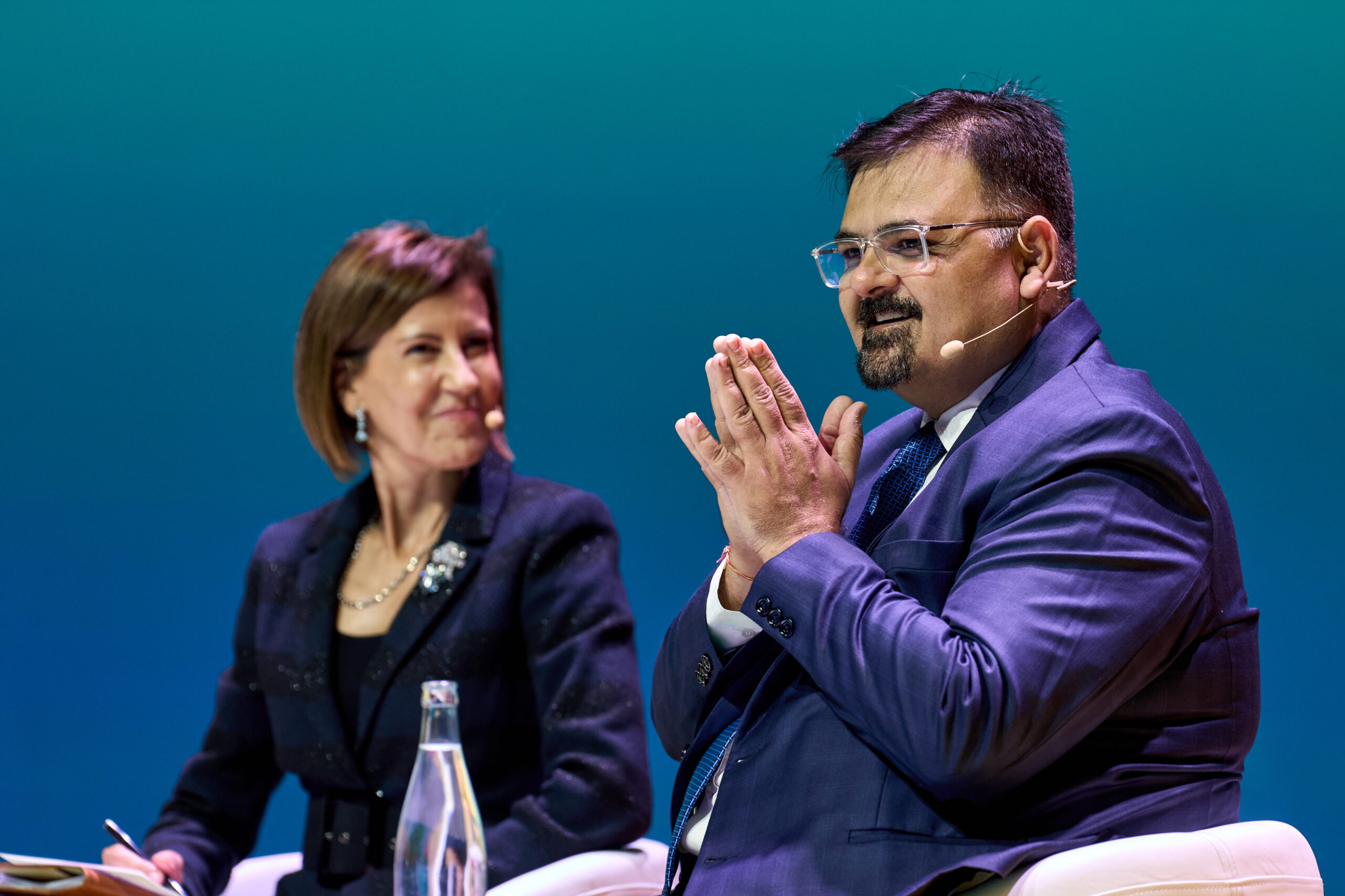
Kris Andreychuk, Program Manager, Applied Artificial Intelligence, City of Edmonton, Canada.
Most cities feel ten years behind on AI and cannot afford to catch up alone. A transatlantic cluster is testing whether they can get on top of the technology together.
Ask a city about artificial intelligence and you will usually get two answers at once: that it is urgent, and that it is unaffordable. “There is a real sense of urgency to respond, but most cities don’t know where to start. That’s a dangerous mix“, says Kris Andreychuk, who leads the Applied Artificial Intelligence team at the City of Edmonton, Canada.
It is also an excellent market for vendors who promise the sun and the stars but often struggle with operationalizing solutions in cities.
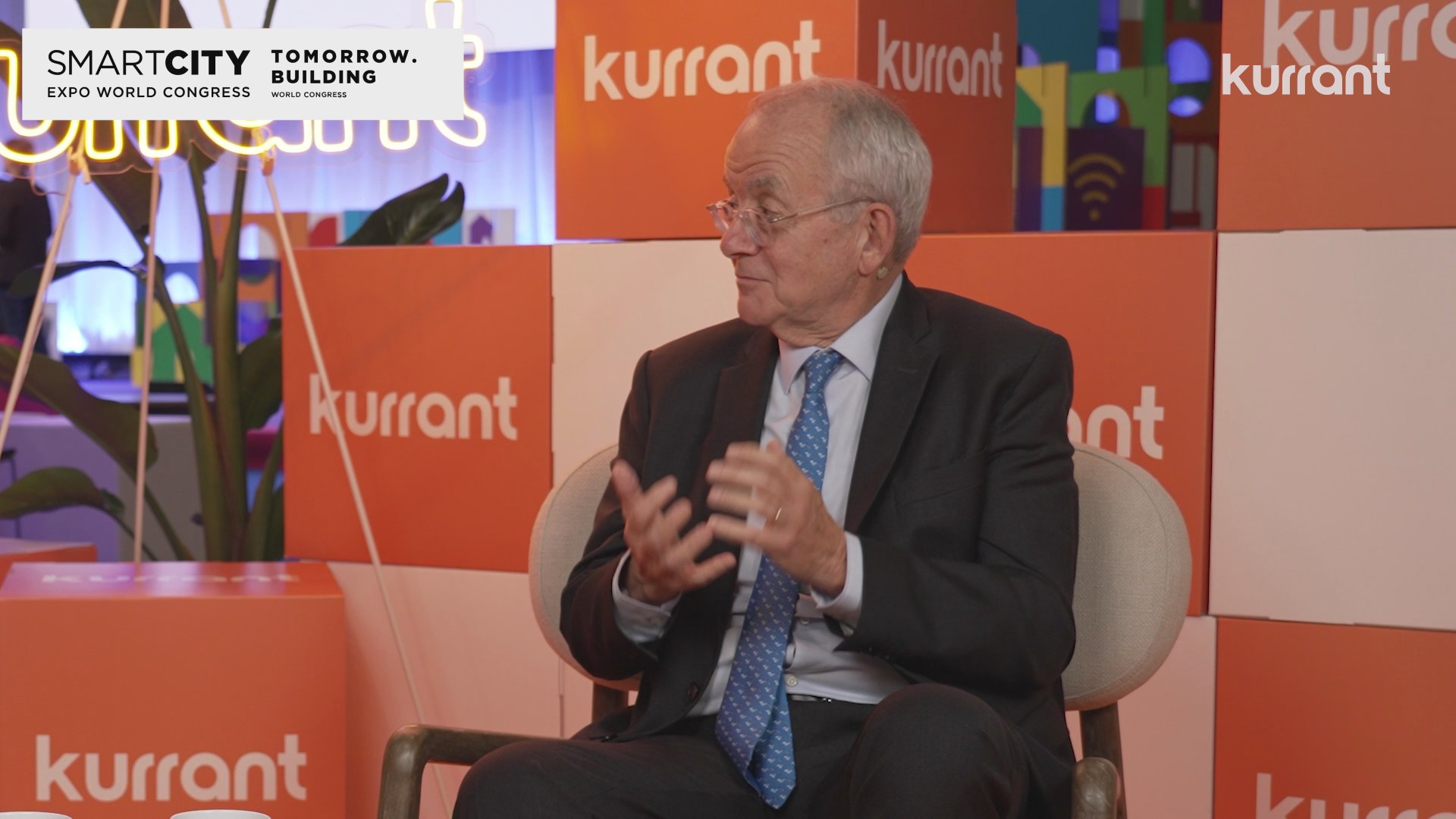
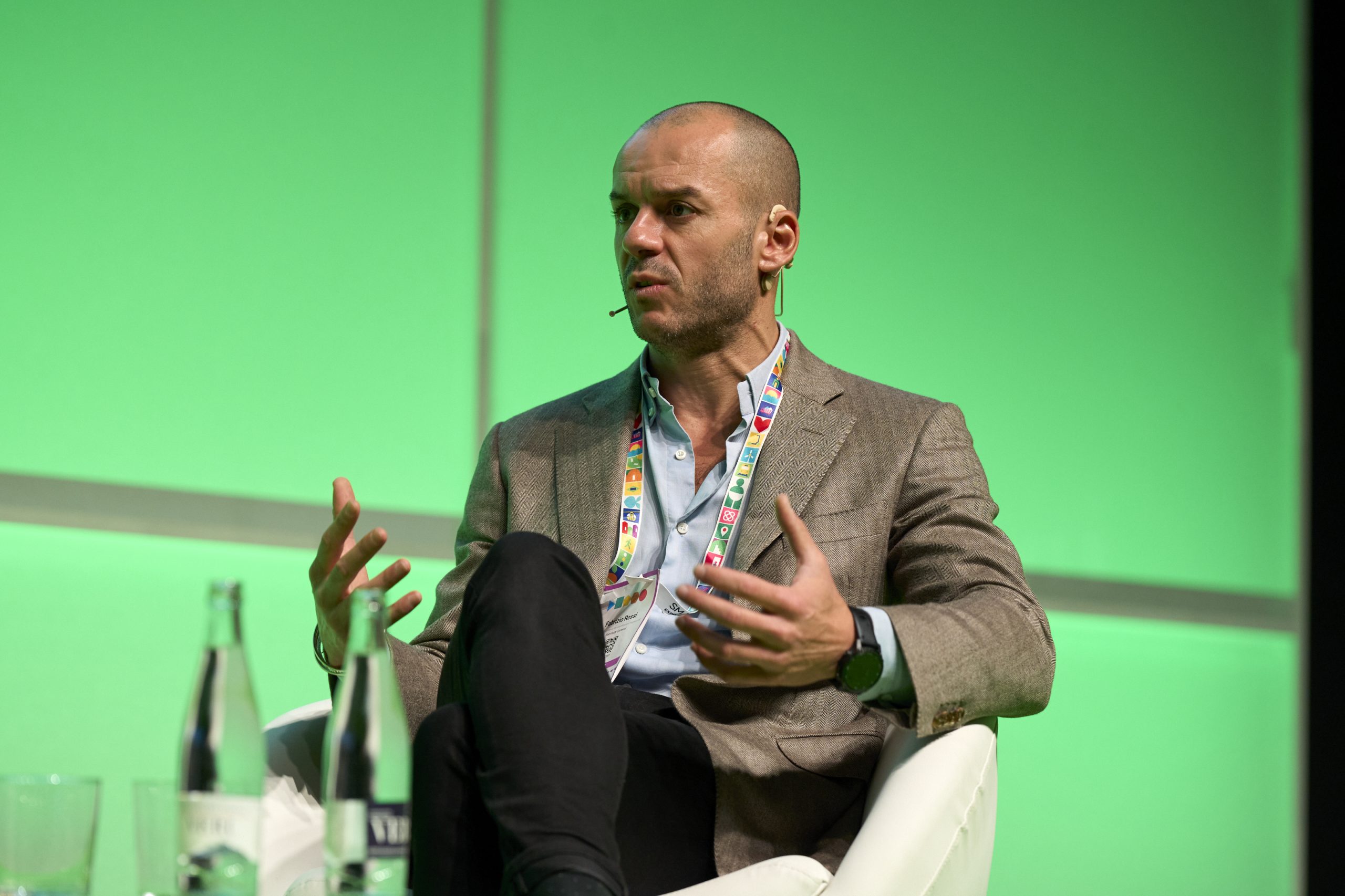
Money is the other constraint. Municipal budgets are stretched, and AI competes directly with things residents can see. “Before a city spends ten million on a new AI system, it should first repair the streets”, adds Thomas Jacob, who coordinates the urban innovation and digitalization cluster for the EU Cities Gateway Program. A city of 100,000 people, he notes, may have one person handling IT. And AI is no silver bullet: nobody needs a machine-learning model to cut the lawn.

Thomas Jacob, Thematic Cluster Coordinator Digitalization and Innovation at EU Cities Gateway.
The EU Cities Gateway is a four-year program funded by the European Union that connects 32 cities across Europe, the United States and Canada. Its cities are grouped into four thematic clusters that meet regularly, visit one another and work on shared problems. What follows came out of the first year of those exchanges.
Between the hype and the hesitation sits a third option, the one the cluster’s eight cities —Albuquerque (United States), Edmonton (Canada), Fort Worth (United States), St. John’s (Canada), Alicante (Spain), Heidelberg (Germany), Trier (Germany) and Vilnius (Lithuania)— decided to focus on after a week of working sessions in Heidelberg and Trier this summer.
“The real currency in cities is innovation and knowledge”, says Kris, who credits the idea to his Heidelberg hosts. “We need to do a better job of sharing freely with one another, and not just stories of success, but actual solutions that are working in our cities“.
The participating cities have chosen three priority areas to work on together in the coming months. The first is AI literacy: the group intends to end the program with the most AI-literate public sector workforces in the world. That means training staff, above all, rather than simply buying tools. The second is a way of exchanging solutions: code and working systems, not case studies. Kris describes it as an “Amazon cart for cities” – for example, Trier sees Edmonton’s pothole prediction model, adds it to the cart and deploys it. The third is a shared data science team that member cities could fund together and borrow for a few weeks at a time: public capacity instead of another consulting contract.
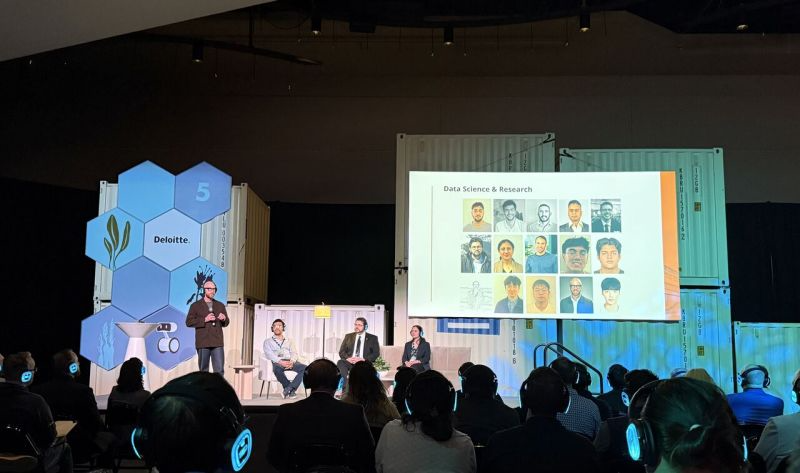
Edmonton’s own history suggests why starting small works best. Its first AI application, built in 2012 before anyone there used that language, detected anomalies in facility alarms. It cut false alarms by half, avoided roughly $60,000 in costs a year, and still runs today. In 2020 the city pulled its scattered data scientists into a single central team that departments do not have to pay to use. About 80 applications have followed across the city, from fraud detection to pothole prediction.
Kris’s method for bringing people with him, colleagues and residents alike, is less technical than it sounds. “Solve an achievable problem, and then tell everybody who will listen“, he says. “The goal isn’t to brag about your work. It’s to tell the story in such a way that other people see themselves reflected in it“. Storytelling, in other words, as an implementation tool.
The exchange runs in both directions across the Atlantic. Edmonton wants to understand how Vilnius went paperless. Trier will send a staff member to Fort Worth next year, at its own expense, building on a sister-city relationship that should outlive the program, which formally ends in 2028.
None of it depends on the political weather, which may be the real point. “Whether you’re a left-wing politician or a right-wing politician, nobody wants a pothole in the middle of the road“, says Kris. “These are politically neutral problems.”
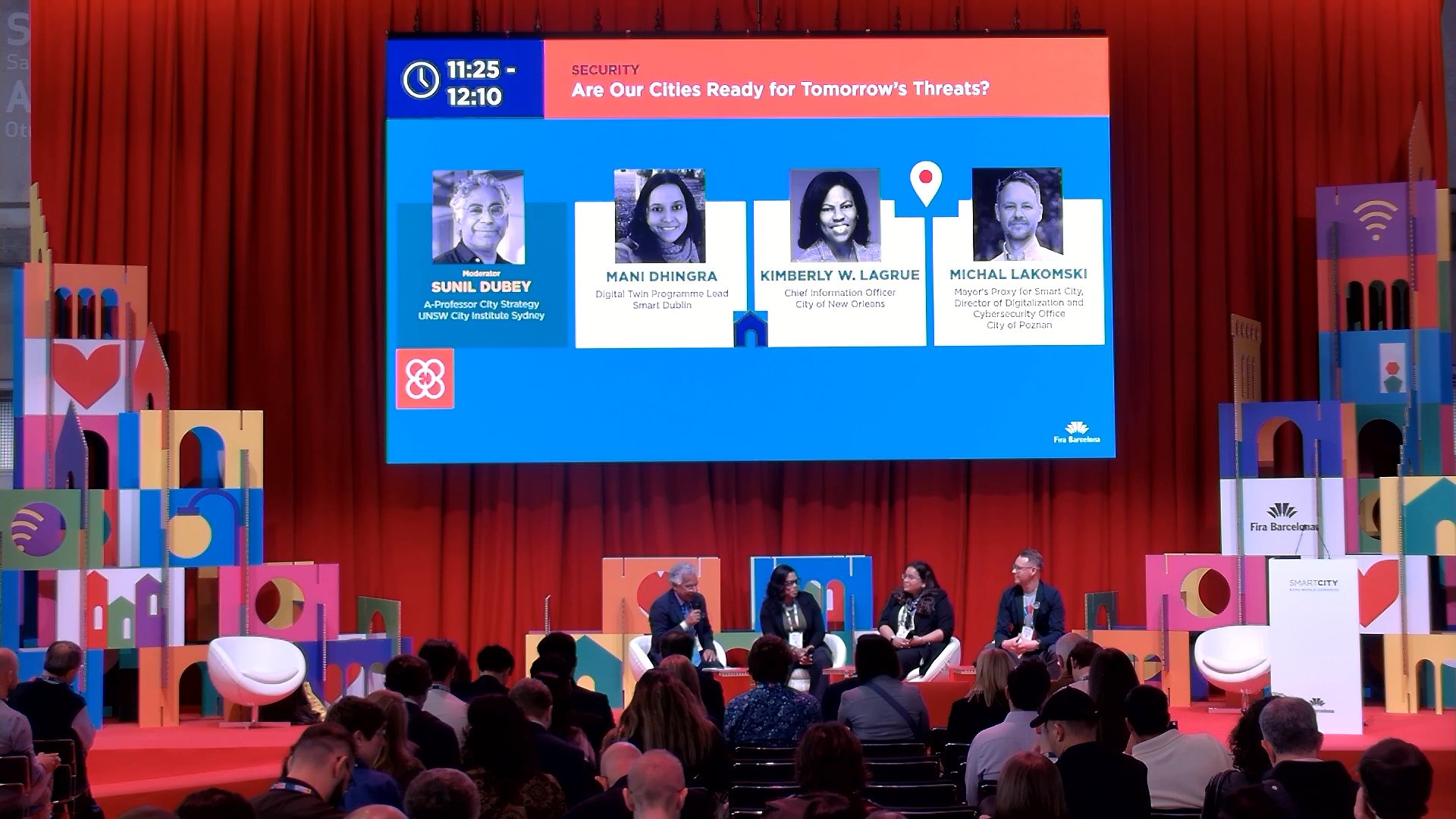
In November, the cities of the EU Cities Gateway program will be at the Smart City Expo in Barcelona, working across the four clusters and alongside urban and regional stakeholders from around the world. Nobody there will have solved AI. But they will arrive with solutions and pilots built together, and that is the point.
Photos: EU Cities Gateway, Redd Francisco & Amber Ford.