



Table of Contents
Author | Lucía Burbano
Toronto is testing artificial intelligence to conduct preliminary reviews of building permit applications. To this end, the city has created the CivCheck platform, where applicants upload plans and documents for AI review before formally submitting them as part of the municipal permit application process.
Designed for use at the municipal level, this AI planning solution analyzes uploaded documentation to identify potential noncompliance with certain zoning requirements or building codes. Where applicable, it flags errors, missing information, or other issues requiring the applicant’s attention, with the aim of reducing the need for repeated reviews, requests for additional information, and delays.
The pilot program currently applies to specific projects involving residential buildings with two or fewer dwelling units, including additions and renovations.
This tool promises to take things a step further in terms of the growing importance of AI in smart cities and its role in municipal governance.
How Toronto’s pilot program works
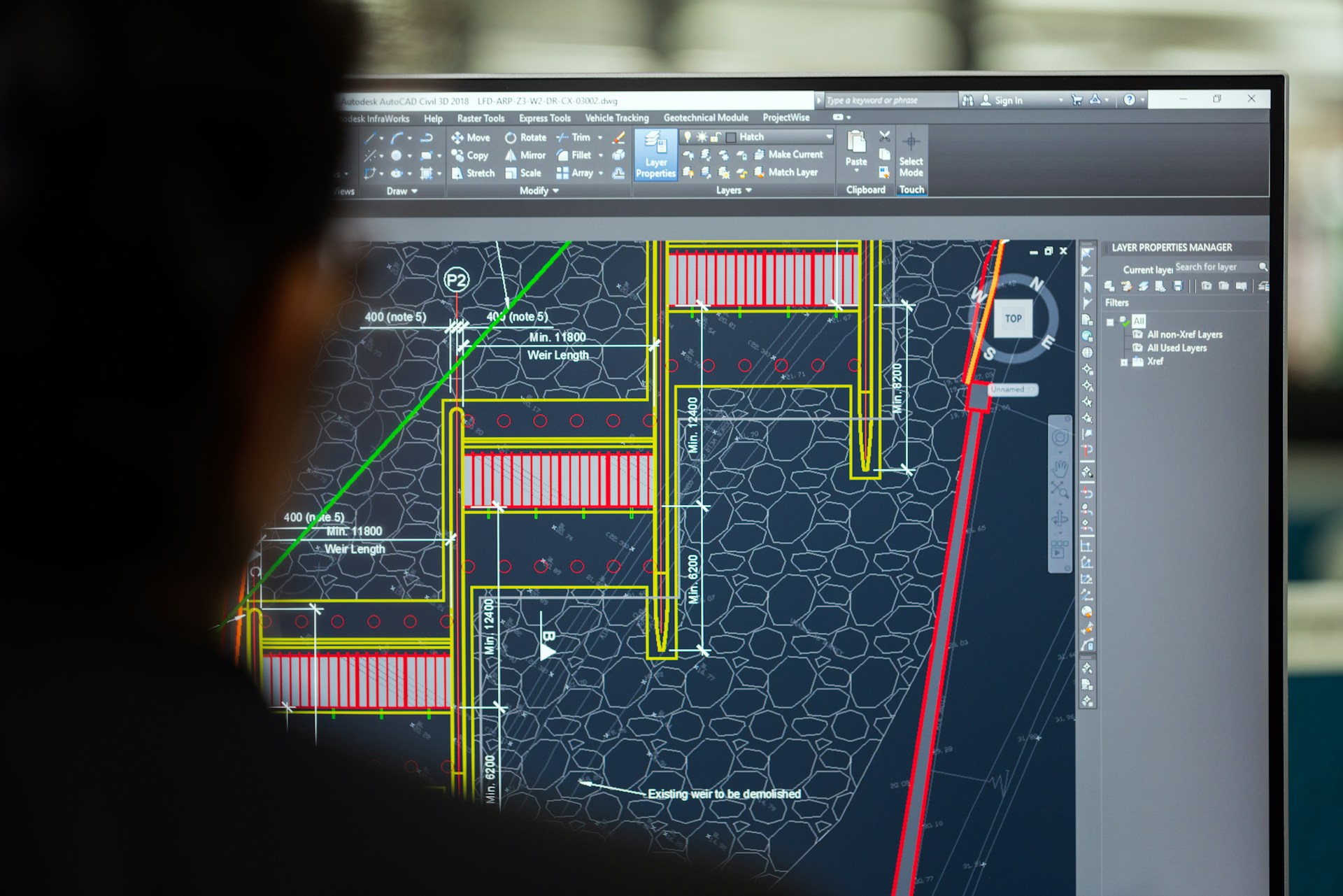
Although today’s AI agents are capable of generating complex and accurate interactions from simple requests (something that will shape the future of agentic administration), technical and security considerations currently require users to follow a series of specific steps before, during, and after using the CivCheck platform:
- The applicant prepares the building permit application
The architect, designer, or property owner prepares the plans, forms, and other documents in PDF format.
- All documentation is uploaded for AI verification
The applicant uploads the documents to CivCheck.
- AI analyzes the documents against predefined rules
Rather than simply asking an AI chatbot whether a building meets the requirements, the system checks the application against a set of predefined rules, such as zoning requirements, the Ontario Building Code, and electronic submission requirements.
- The system flags potential issues with the uploaded documentation
The applicant receives results classified as compliant, requires attention, or noncompliant. Users can correct a plan, upload missing documents, or explain why an issue flagged by the AI does not apply to their particular case.
- A preliminary verification report is generated
The applicant receives a report and a unique identifier.
- The application follows the city’s standard review process
This is crucial: the AI does not approve the permit. The applicant must formally submit the application, which is then reviewed by municipal officials, who make the final decision on whether to grant the permit.
How does AI speed up municipal permit approvals?

The idea is not for AI to review applications faster, but rather to identify avoidable errors, helping ensure that municipal officials receive fewer incomplete or incorrect applications.
This is particularly relevant because Toronto’s current process involves separate reviews of zoning requirements, the Building Code, mechanical systems, and, where applicable, fire safety.
This helps the technology prevent repeated cycles of revisions that can prolong the bureaucratic process before applications even enter the official review process.
Throughout the pilot program, the City Council will evaluate the user experience, the quality of applications, and the tool’s impact on processing times to make improvements and support informed decision-making about potentially expanding the pilot program in the future.
Other cities using AI in their building permit processes
Dubai: Automated building permits using AI
In August, Dubai announced that it is developing an artificial intelligence system designed to automatically issue building permits for private and investment villas. The system will read plans and documents, check compliance with the Building Code, review architectural and engineering systems, and cross-check information across different documents.
Singapore: CORENET X
In Singapore, CORENET X combines several technologies, including BIM-based submissions, automated compliance checking, interagency collaboration, and automated comparison of modified models.
As of October 1, 2026, CORENET X Gateway processes are mandatory for projects with a floor area of 5,000 m² or more.
FAQ: The use of AI in municipal project approval processes
What is Toronto’s AI pilot program?
It is a tool that conducts preliminary reviews of building permit applications to identify potential errors or noncompliance with requirements.
Where are documents uploaded?
Applicants upload their plans and documents to the CivCheck platform before formally submitting their applications.
Can AI approve a building permit?
No. The final decision always rests with municipal officials.
What issues can AI detect?
It can flag incomplete information, errors, or potential noncompliance with certain zoning and building requirements.
Which projects are currently covered by the pilot program?
It is available for certain residential projects involving buildings with up to two dwelling units, including additions and renovations.
Photos: ito: hirun/iStock, Unsplash/Thisisengineering, Unsplash/Sandro Schuh