



Table of Contents
Author | Elvira Esparza
A decentralized grid turns a neighborhood into an autonomous and secure energy system capable of generating, storing, and sharing some of the electricity it needs. By bringing production closer to where energy is consumed, it enables demand to be managed intelligently, makes better use of renewable energy, and provides greater flexibility in responding to consumption peaks or power outages.
This gives decentralized grids distinct advantages over other distribution systems: they reduce dependence on the main grid, improve supply resilience, and enable citizens themselves to play an active role in managing their community’s energy.
What is the difference between a centralized and a decentralized energy grid?
A centralized grid is characterized by large power plants that generate energy, which is then transported over long transmission and distribution lines until it reaches end consumers in the region.
In contrast, a decentralized grid differs in that energy production facilities are located closer to consumers and generally use renewable energy to reduce the use of fossil fuels. Under this model, homes, businesses, and public buildings can generate electricity, store it, and share surplus power, making use of the energy available locally and allocating it to shared services such as lighting, heating and cooling, or electric vehicle charging.
How do decentralized energy grids improve neighborhood resilience?
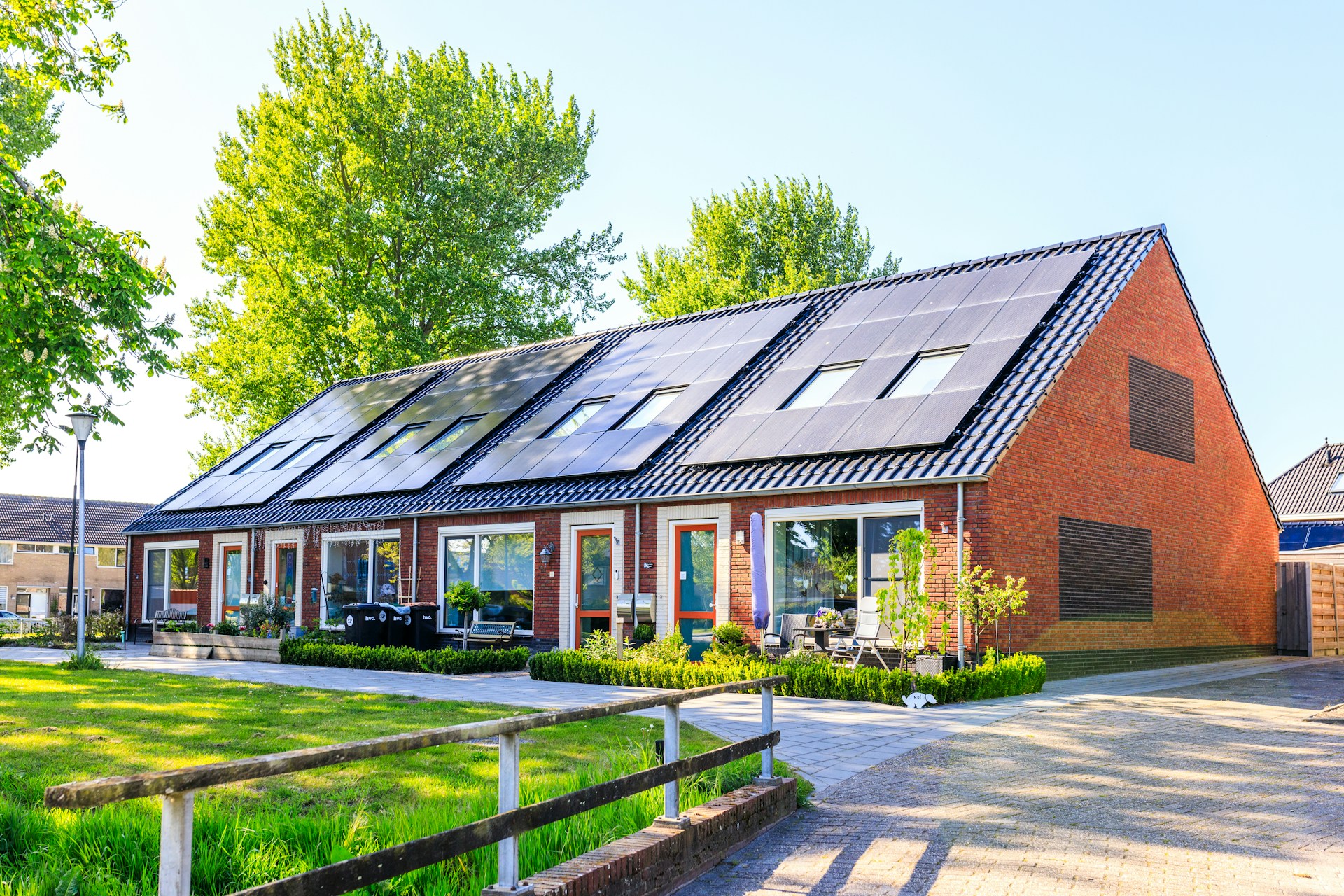
Decentralized energy grids improve neighborhood resilience because they allow energy to be generated, managed, and stored locally, thereby minimizing dependence on the central grid and providing greater capacity to respond to outages and peaks in demand.
Essentially, these grids are characterized by their operational autonomy, user participation, system stability, and smart management. Having operational autonomy means that they can disconnect from the main power grid and operate independently, ensuring resilience in the event of power outages, for example.
They also enhance energy efficiency by reducing energy transmission losses, since generation and consumption take place in close proximity in decentralized grids.
Meanwhile, smart management makes it easier to balance supply and demand, prioritizing consumption when renewable energy is being generated and reducing demand when energy is scarce. Decentralized grids can also protect critical loads, activate batteries, and manage surplus energy. For example, if one energy source fails, another source or stored energy can meet part of the demand, increasing resilience through redundancy. In addition, grid digitalization, AI, and digital twins can improve planning and incident response.
What are the main challenges of implementing a decentralized energy grid?
Implementing decentralized energy involves overcoming technical barriers, high costs, incomplete regulatory frameworks, and social challenges related to community governance.
Technical challenges. Integrating solar, wind, or biomass energy sources, batteries, and backup systems requires a complex, well-sized architecture. Maintaining a real-time balance between supply and demand is also essential to coordinate storage and prevent failures, particularly when microgrids operate in isolation. Finally, scalability, or extending these projects to entire neighborhoods or cities, requires improvements in distributed control, interoperability, and communications.
Economic challenges: Creating decentralized grids requires significant upfront investment, particularly for small communities. The return on investment depends on energy prices, available incentives, and the ability to sell or share surplus energy. Collaborative financing can help get projects off the ground, but these financing models are not yet well established, and there must be clear rules on how costs, risks, and savings are shared.
Regulatory challenges: Regulations governing microgrids and energy communities vary between regions. In Europe, legislation governing direct energy transactions between neighbors is still under development.
Operational and maintenance challenges. Grid maintenance is complex because it involves different technologies, increasing the need for monitoring to detect failures within the grid.
Social and organizational challenges. Community participation is essential in energy communities because these projects require local governance, as well as rules and agreements on how costs and benefits are shared. Adoption can also be hindered when the technology, use of data, or maintenance responsibilities are not explained transparently. Trust and the inclusion of households with different financial means are therefore key factors.
How does the peer-to-peer energy model work?
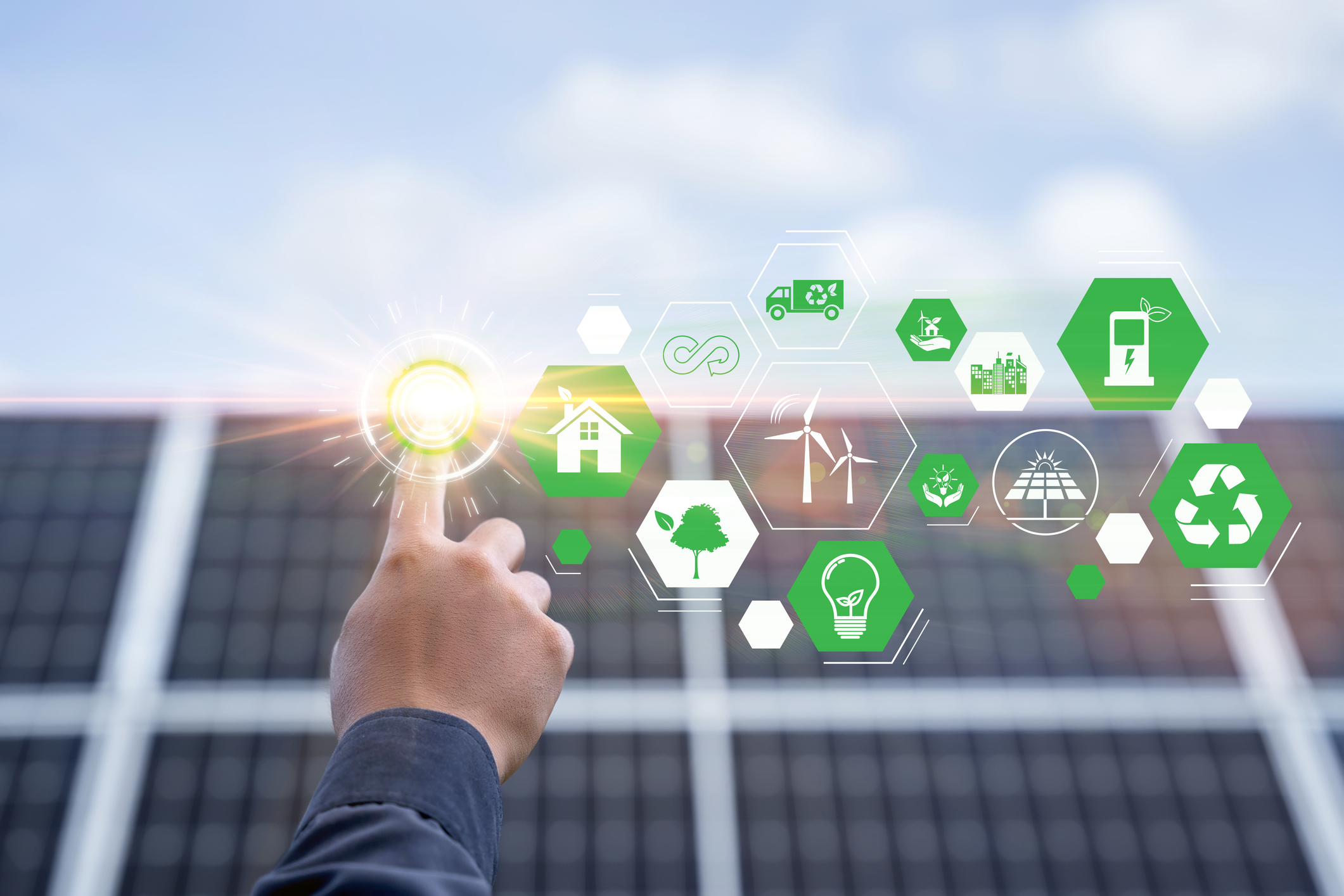
The peer-to-peer model allows participants in a local network to exchange energy directly, without relying exclusively on a central provider. Microgrids are created to generate energy, generally from renewable sources, close to prosumers, who both produce and consume energy.
For this model to work, smart meters are needed to measure production and consumption, along with digital platforms to record and settle transactions and smart grids to manage energy flows. A regulatory framework is also necessary to ensure competition, privacy, cybersecurity, and consumer protection. Blockchain technology can be used to support transaction recording and provide traceability.
Can decentralized grids cope with heat waves?
Heat waves are placing increasing pressure on traditional power grids due to rising demand for cooling and peaks in electricity consumption. In this context, decentralized energy grids can provide greater capacity to respond by generating and storing energy close to where it is consumed. Solar energy can meet a significant share of demand during hours of peak sunlight, while batteries can store surplus energy for use when consumption rises.
Smart management can coordinate resources, shift certain types of consumption to periods of higher renewable energy generation, and reduce pressure on the main grid.
With decentralized grids, neighborhoods can become part of the solution to extreme events. If one household produces more energy than it needs, another can use the surplus, batteries can provide power when demand increases, and local resources can serve as backup in the event of a failure.
The key is to make the grid more flexible and capable of responding to extreme conditions. Digitalization, smart meters, energy storage, and management systems can turn neighborhoods into energy hubs capable of generating, consuming, storing, and sharing electricity. This can strengthen resilience to power outages and peaks in demand, one of the main goals of energy decentralization.
Images | MTStock Studio Uitbundig undefined undefined