



Table of Contents
Authors | Amaia Porteiro, Raquel C. Pico
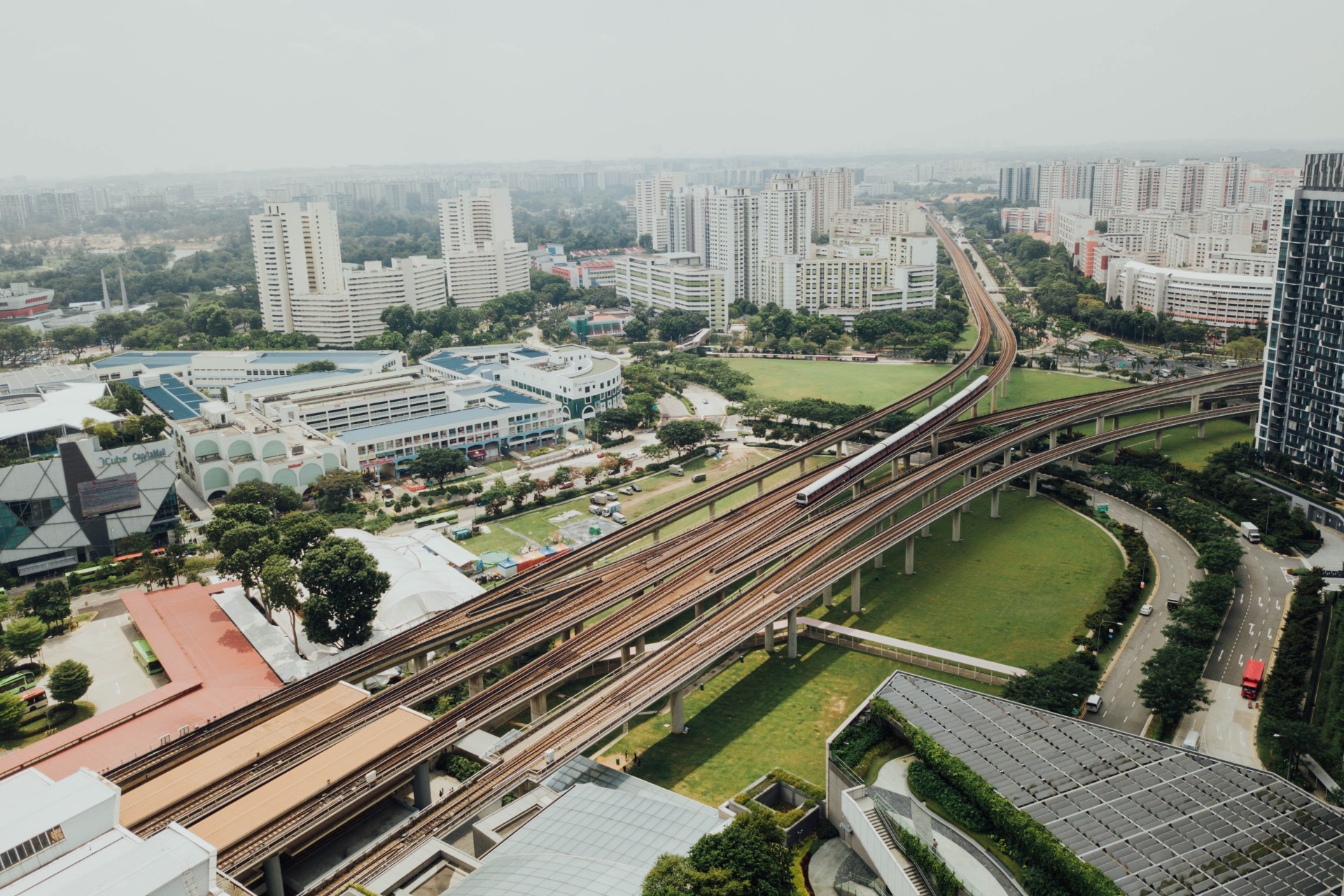
Despite the technological development of recent decades, urban infrastructure and the maintenance thereof has not changed very much over time. Cities still have ports, roads, railways, and sewer systems, just as they did decades, centuries, and, in the case of infrastructure that predates the Industrial Revolution, even millennia ago. What has changed throughout the 21st century is the way this infrastructure is managed and, arguably, its very nature. Digitalization has also transformed this infrastructure. Today, cities rely on smart infrastructure that is essential for strengthening resilience and addressing both current and future challenges.
Becoming smart is essential to staying competitive and, above all, keeping pace with the times. Smart infrastructure is playing an increasingly critical role in developing sustainable cities that are resilient to the impacts of climate change. Its development requires considerable investment, but it will be one of the main economic driving forces of cities over the coming years: it is estimated that these could deliver up to $26 trillion in economic benefits by 2030.
Technology for Smart Infrastructure
Technology plays a central role in this transformation. Turning essential urban infrastructure into smart infrastructure requires embracing new tools, adopting cutting-edge technologies, and, above all, understanding the challenges involved by developing an effective IT strategy. In short, it is not simply a matter of adding new layers of technology or following the digitalization trend. It is about understanding how these technologies work together, what they require, and how they will shape urban planning.
Broadly speaking, experts identify three core elements as the foundation of a city’s digital infrastructure, providing the basis for the digital transformation needed to create smart cities. Cities must be able to collect, manage, and interpret data and use those insights to inform decision-making. This also requires ensuring that systems are fully connected while eliminating data silos and blind spots. As digitalization advances and technology becomes increasingly sophisticated, particularly with the rapid adoption of artificial intelligence, having this strong foundation is more important than ever. It also enables better outcomes and greater operational efficiency.
But which technologies are essential for building smart infrastructure? At a high level, the key components include big data, artificial intelligence (AI), automation and analytics tools, cloud computing, connectivity, and smart mobility solutions.
The Internet of Things (IoT) enables cities to collect real-time data and optimize the operation of all kinds of urban infrastructure. The role of IoT is wide-ranging, extending from highly visible services to systems that residents rarely notice because they operate behind the scenes. On road networks, IoT can monitor traffic volumes in real time and optimize traffic signal operations, while in water systems it can monitor water quality and detect leaks.
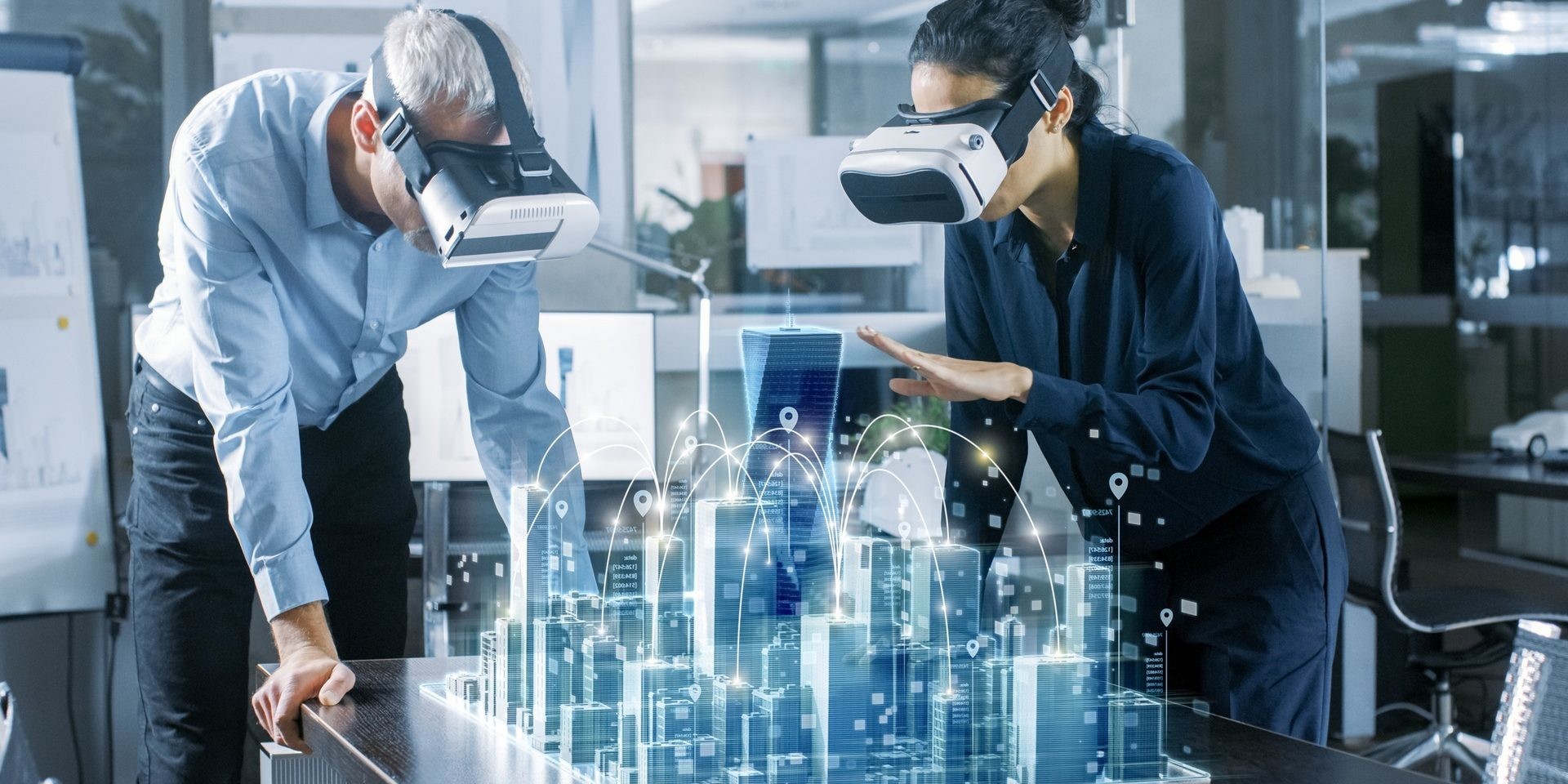
Another essential technology is the role of the digital twin, which has become an almost indispensable component of a smart city. By combining data analytics, AI, automation, and modeling technologies, a digital twin creates a virtual replica of the city that helps planners better understand what is happening in the real world.
Benefits of smart infrastructure
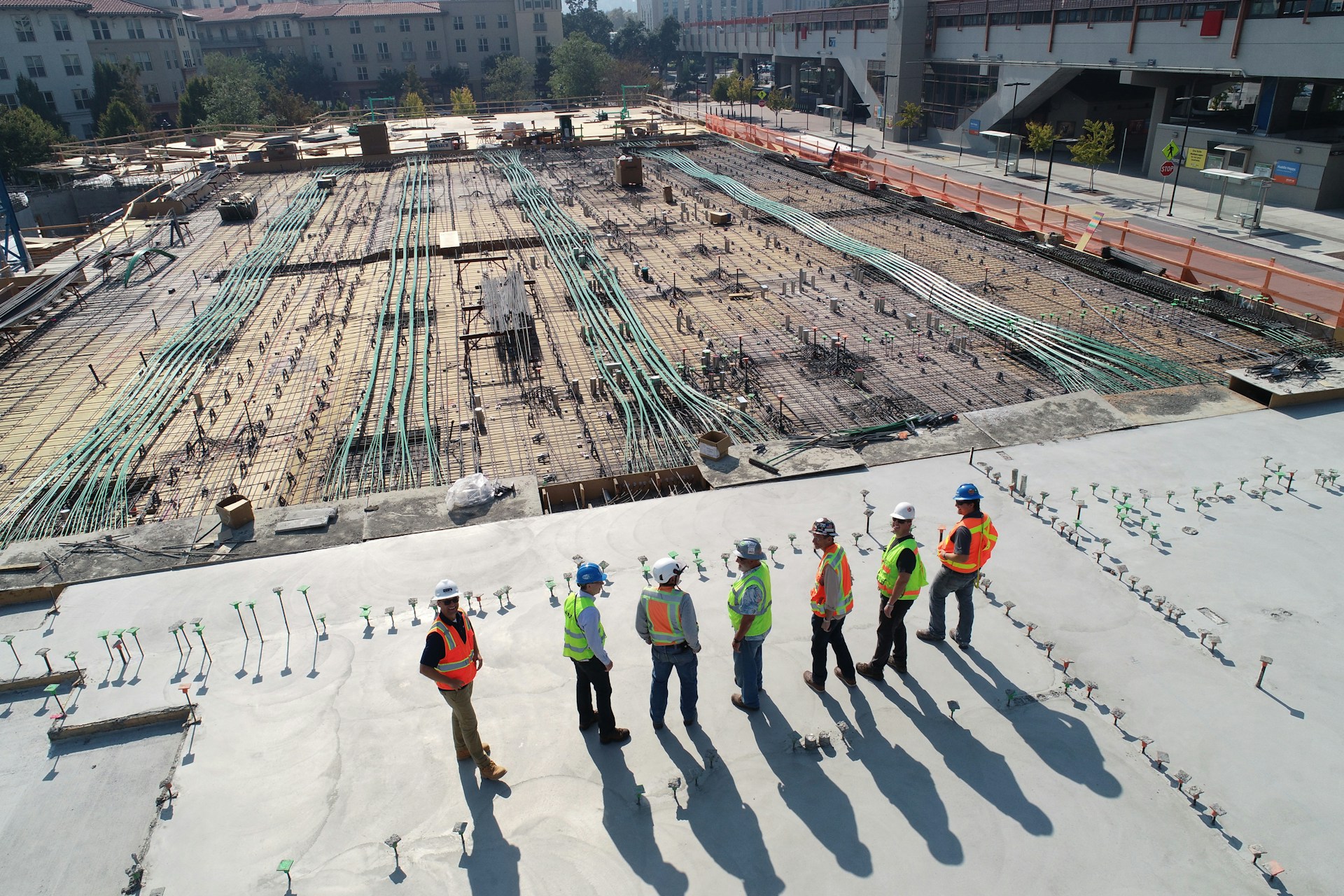
That said, it is important to remember that digital tools and technologies do not deliver results on their own, and technology itself is not the end goal.
A study by researchers at Imam Abdulrahman Bin Faisal University warns that “the effectiveness of smart city applications depends not only on technological innovation but also on institutional governance, digital readiness, stakeholder engagement, integrated planning, and a supportive regulatory environment.” It is not simply about adopting technology, but about how smart infrastructure can improve the way cities function. As noted in ScienceDirect, the goal is to promote “a good quality of life, a good economy, good governance, and a good environment.”
These solutions should improve quality of life for people living in cities while making urban management more efficient. Therefore, sustainability must be at the heart of smart infrastructure development. Cities are facing increasing pressure from multiple directions. First, populations continue to concentrate in large urban areas, placing existing infrastructure and urban systems under growing strain. Second, climate change, geopolitical tensions, and social shifts, such as the impact of remote work on travel patterns, are forcing cities to rethink how they operate and plan for the future.
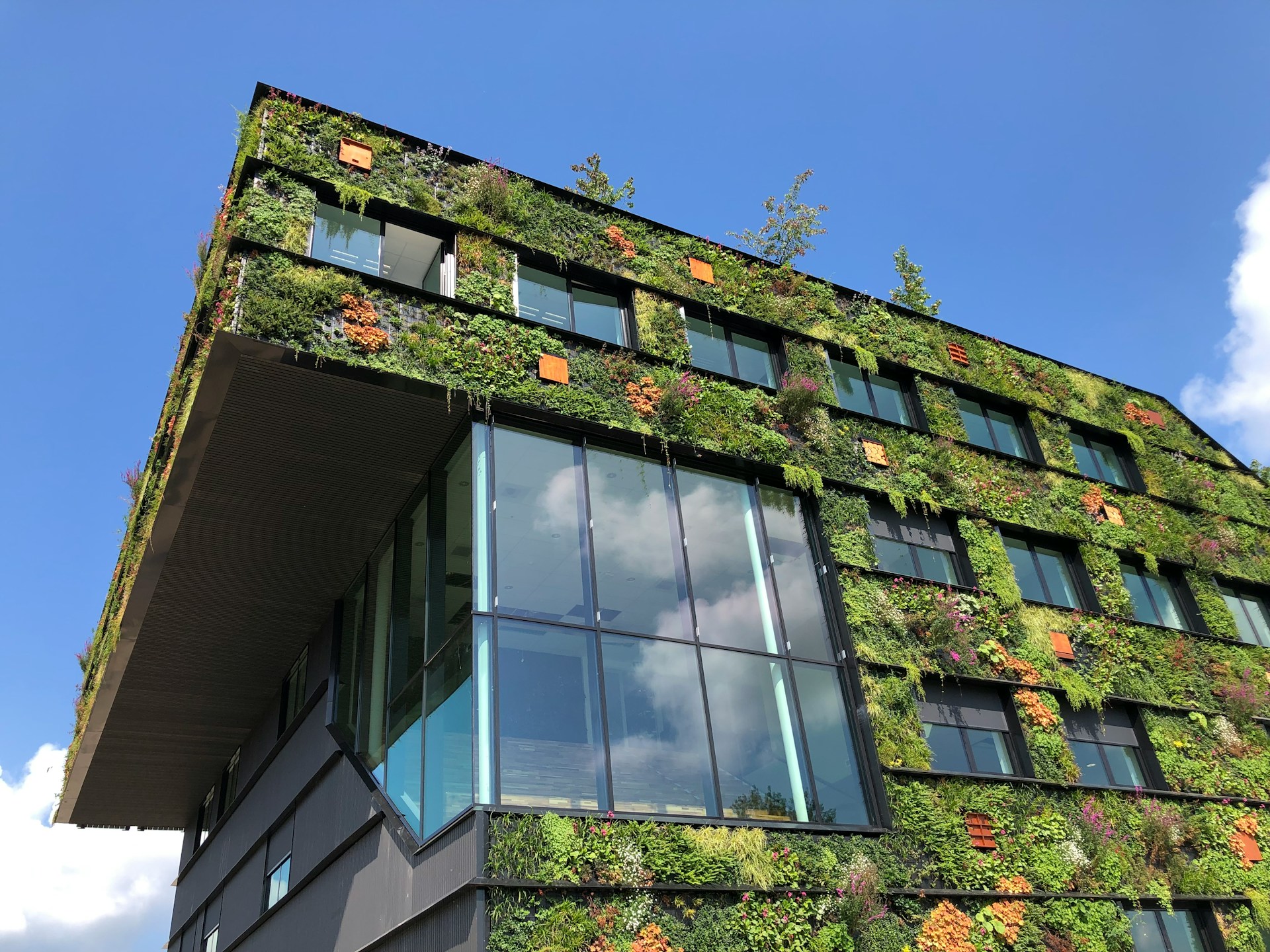
Smart infrastructure is designed to help address these challenges, and it has the potential to do so in many ways. Smart infrastructure offers numerous benefits for urban resilience. By providing increasingly detailed data about what is happening across the city, it enables more informed urban planning based on actual conditions rather than assumptions. At the same time, it helps identify emerging pressure points earlier, allowing cities to implement solutions such as sustainable and adaptive architecture before problems escalate. It can even inspire new ways of thinking, encouraging the design of sustainable infrastructure using next-generation materials.
Smart infrastructure: a model adaptable to all types of cities and economies
The theory is already supported by real-world examples demonstrating how smart infrastructure is transforming urban systems and strengthening urban resilience. Cities around the world have launched projects targeting key areas of their urban networks. The experiences they have shared at previous editions of the Smart City Expo World Congress in Barcelona serve as a guide to this transformation.
Smart ports
Figures are proving that sea transport is currently the most sustainable form of cargo transportation. Relationships between ports and their respective cities are becoming increasingly closer and mutual economic dependency is growing. There is a growing need for a better flow of information between the two. In order to adapt to the demands of existing customers, shipping and delivery companies will have to address changes such as shorter delivery deadlines, enabling product tracking during each stage of shipping and allowing the point of delivery to be changed at any point in the event of an incident.
Ports are crucial in Europe, particularly bearing in mind that half its population lives far away from the sea. European ports are leaders in terms of size, but also in terms of innovation. In some of the more modern ports, such as Barcelona, those in charge are working on unifying all the information through blockchain technology, video analytics to manage the queues of trucks and the use of drones to complete the last section of journeys, sending the goods directly to the final recipient.
But it is not just large cities that can benefit from smart infrastructure. Aminata Lo, an architect and development manager of the Nouakchott region, capital of Mauritania, explained how significant changes can be achieved with modest investments. This African city has had to tackle some dangerous challenges: on one side, it is limited by sand dunes that are on the move and on the other, by the sea. This circumstance makes it one of the most fragile cities in terms of climate change. Furthermore, the rapid and disorderly growth (it has tripled in size over the last 13 years), has resulted in its most precarious neighborhoods spreading to areas vulnerable to flooding, as sadly illustrated during the 2013 floods, due to the need to relocate a large number of displaced people in a very short period of time.
In order to make the city more resilient to these climate challenges, Nouakchott analyzed data and created a water sanitation and drainage plan. The solution involved using the abundant material from the surrounding areas: compacted sand, which was used to create drainage and water storage systems.
More efficient materials
Phillip Hall-Patch, principal technical design at the architecture studio, Heatherwick Studio, presented another example of how to use local materials following his construction philosophy: design human-scale projects and promote the efficiency of materials and resources. Aspects which are summarized in the concept of “Deep Materiality”: materials as the center of projects, prioritizing the use of local materials in architectural projects. This is the case of Zeitz MOCAA, the Museum of Contemporary Art Africa in Cape Town, excavated inside an old cement silo, unifying its 42 vertical tubes.
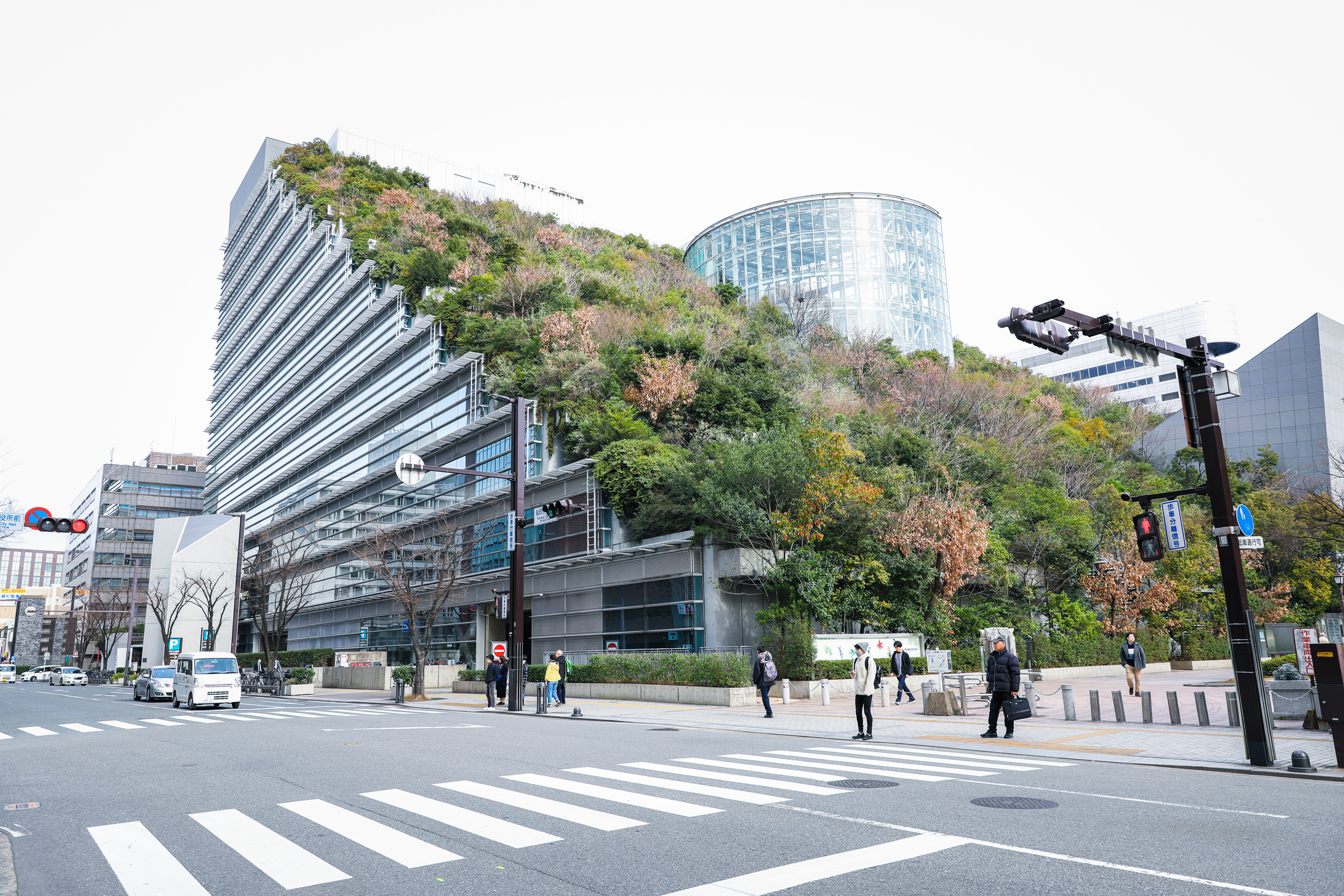
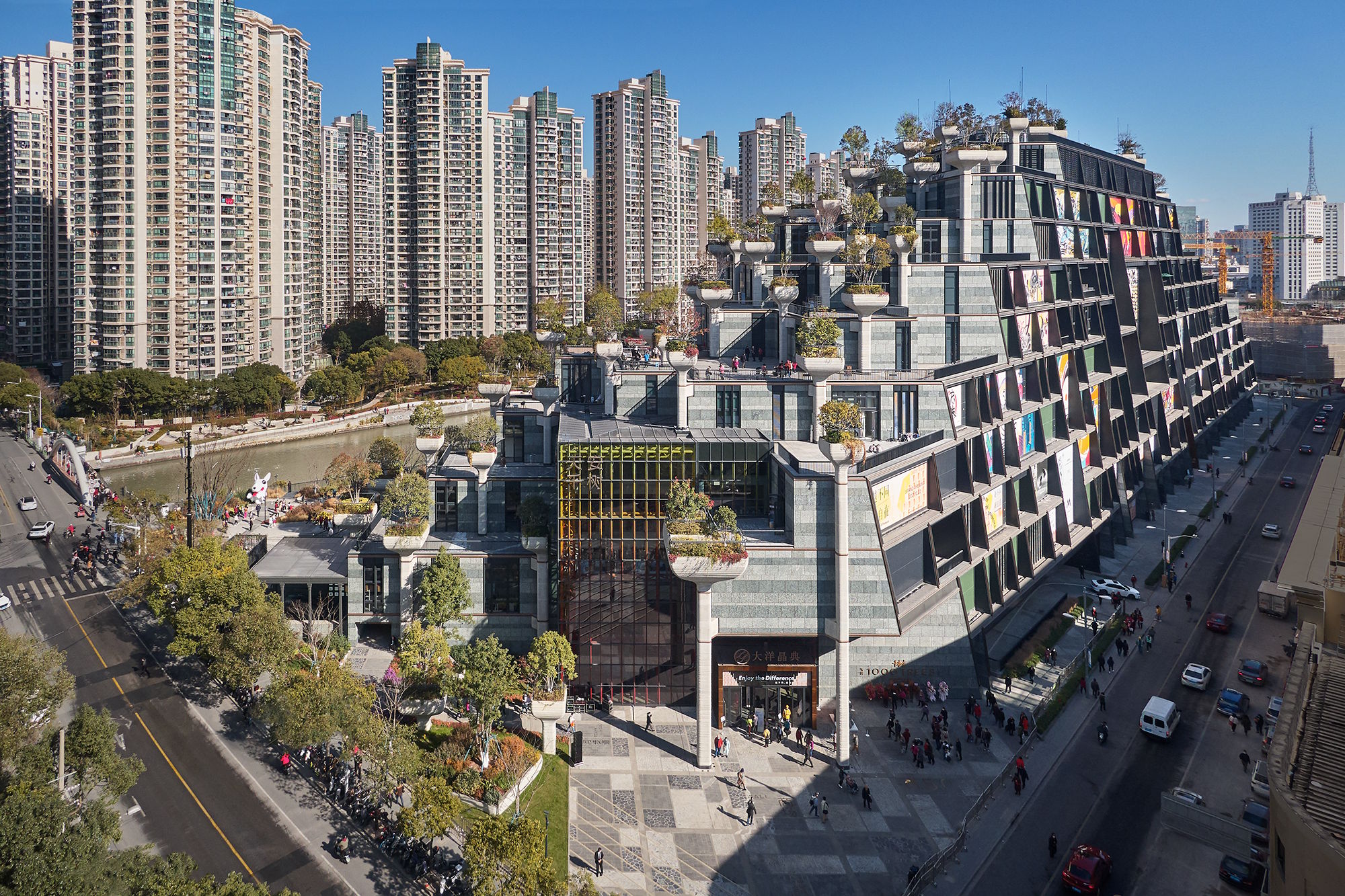
Another smart proposal by the same studio is to integrate urban landscapes in buildings with an environmentally sustainable design, such as the project “1000 Trees” in Shanghai, where the trees wrap themselves around every level of the building, a tower combining residential and leisure use. This combination enables various microclimates to be established in the city and helps reduce pollution.
Public-private partnerships
In terms of models to obtain the necessary funding for the projects, Sharon Dinur, from the department of urban planning in the municipality of Jerusalem, explained that achieving the necessary reforms does not solely depend on public money. In Jerusalem, a large number of projects have been carried out, and the buildings have been structurally reinforced through private funding. The key lies in reforming houses while also extending buildings upwards and the funder is responsible for this new construction add-on. This means those living in these houses do not need to pay for the work in advance and the market value of their homes increases.
Smart lighting
Another decisive infrastructure aspect, which also needs to be reassessed, is urban and interurban lighting, including lighting on transport roads, which is currently obsolete.
In order to undertake these changes in the region of Valonia, Denis Cornet, director of the Public Service’s smart transport systems and Carmen Muñoz-Dromoy, CEO of Citelum, subsidiary of the EDF group’s smart lighting, have spearheaded the LUWA – Plan Lumières 4.0 project. The aim: to replace traffic lights and road lights with LED lamps to achieve considerable energy savings. At the same time, a smart lighting system has been developed to increase road safety, with functions such as flashing lights to warn drivers of problems on the road, so they know of any problems beforehand and can reduce their speed.
A fundamental transformation

From simply collecting data to improve water management to innovative urban planning policy practices, small changes in infrastructure and construction can provide enormous benefits for citizens. And for cities that need to optimize the management of certain material and economic resources, which are never enough to meet all the requirements.
Key Questions
What impact does smart infrastructure have on urban planning?
It is fundamental. Smart infrastructure gives cities a better understanding of urban challenges and supports more informed, effective decision-making.
How does smart infrastructure strengthen urban resilience?
By providing a clearer understanding of how cities function, smart infrastructure helps strengthen urban resilience. It enables cities to prepare more effectively for current and future challenges, including unexpected events.
What real-world examples demonstrate the potential of smart infrastructure?
Examples include the smart street lighting system in Wallonia (Belgium), the Port of Nouakchott (Mauritania), and a building constructed around existing trees in Shanghai (China).
What is the projected market value of investments in smart infrastructure?
Forecasts estimate that smart infrastructure investments could generate economic benefits of up to $26 trillion by 2030.
Images | chuttersnap, Scott Blake, Heather Wick, Chris Briggs