



Table of Contents
This is a guest post written by Giuseppe Masanotti, a Construction Engineer specialized in structural engineering. He is a member of the Urban planning Commission and of the Structural Safety Commission of the Turin Order of Engineers.
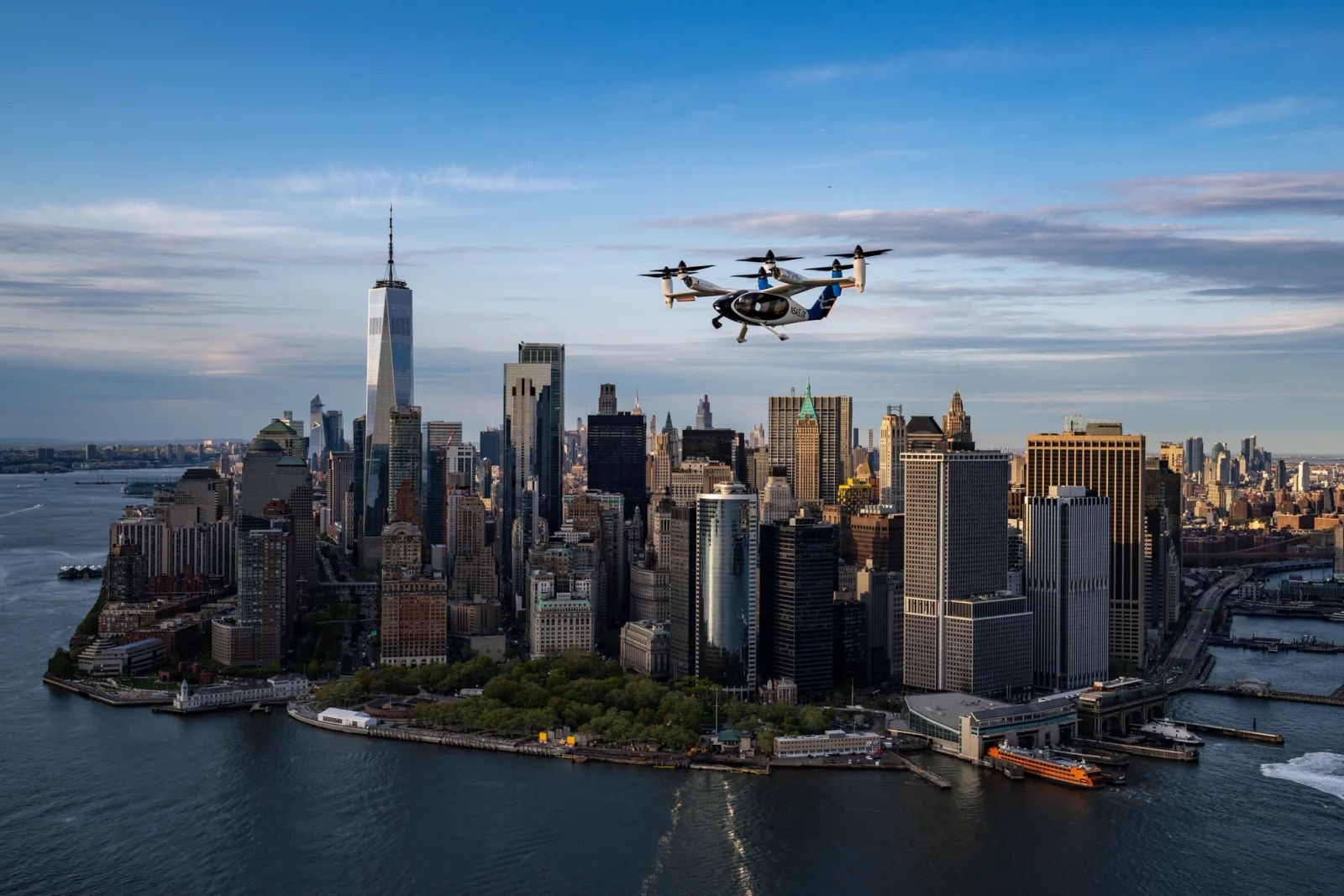
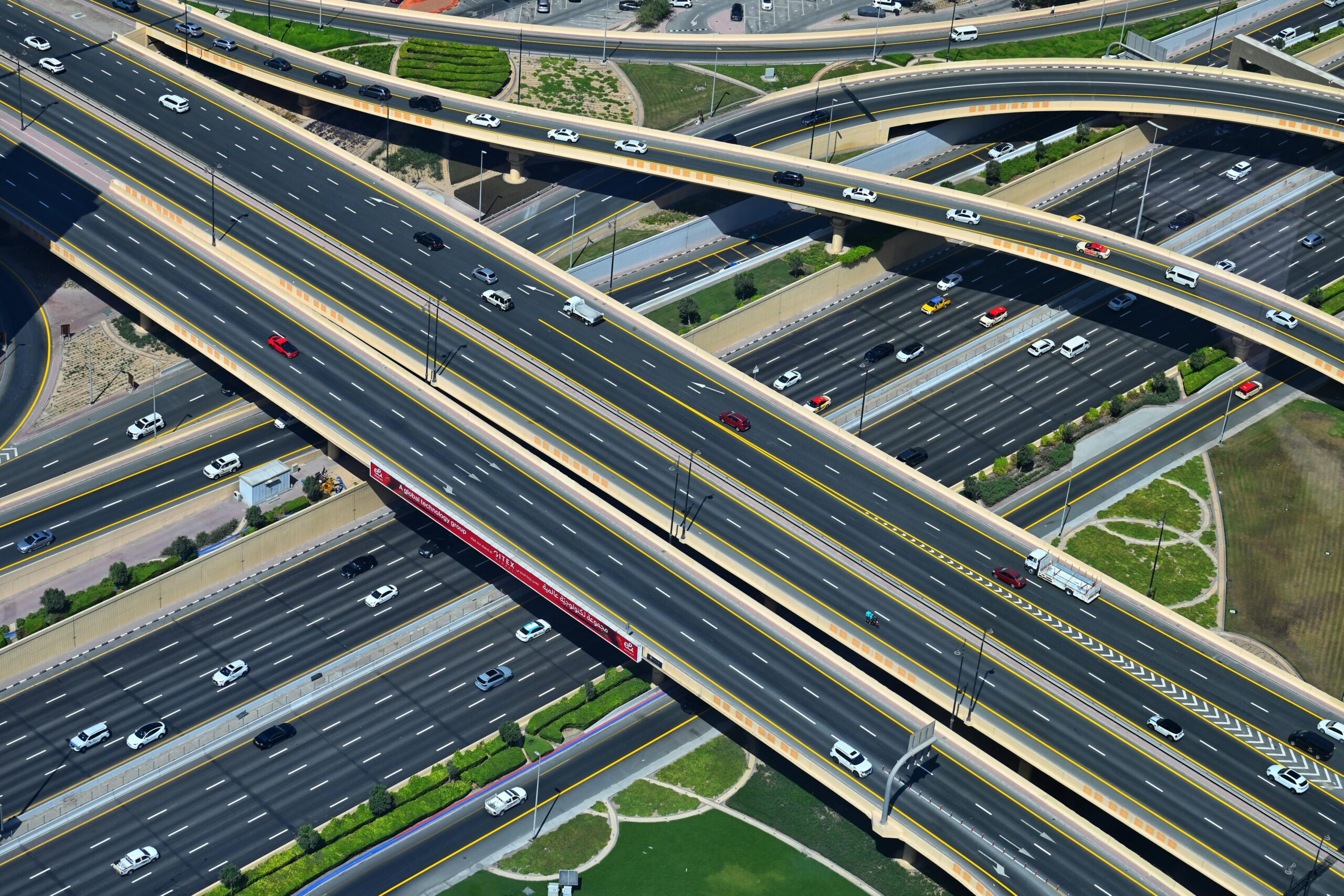
For more than a century, cities have been designed around two dimensions: roads and, to a lesser extent, railways. Today, however, a third dimension is gradually entering the urban mobility debate. It is not simply the arrival of air taxis or passenger drones, but the emergence of an entirely new layer of infrastructure capable of supporting them.
The rapid development of Electric Vertical Take-Off and Landing (eVTOL) aircraft has shifted the discussion from science fiction to engineering reality. More and more companies are approaching commercial certification, while airports, infrastructure operators, and city authorities are beginning to plan the first generation of vertiports.
Yet the real challenge is no longer the aircraft themselves. The real question is whether our cities are ready to accommodate them.
Much more than a landing platform
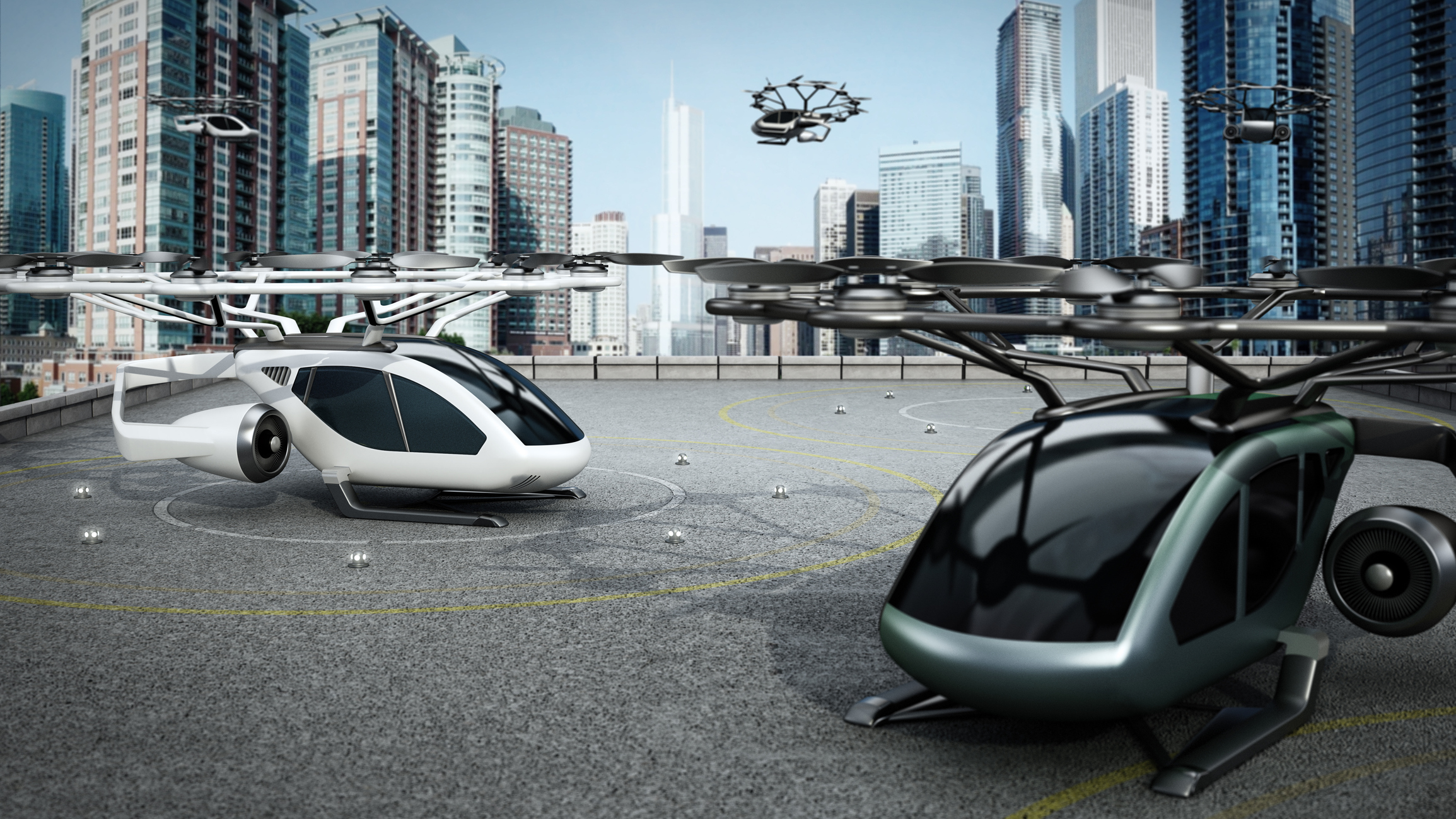
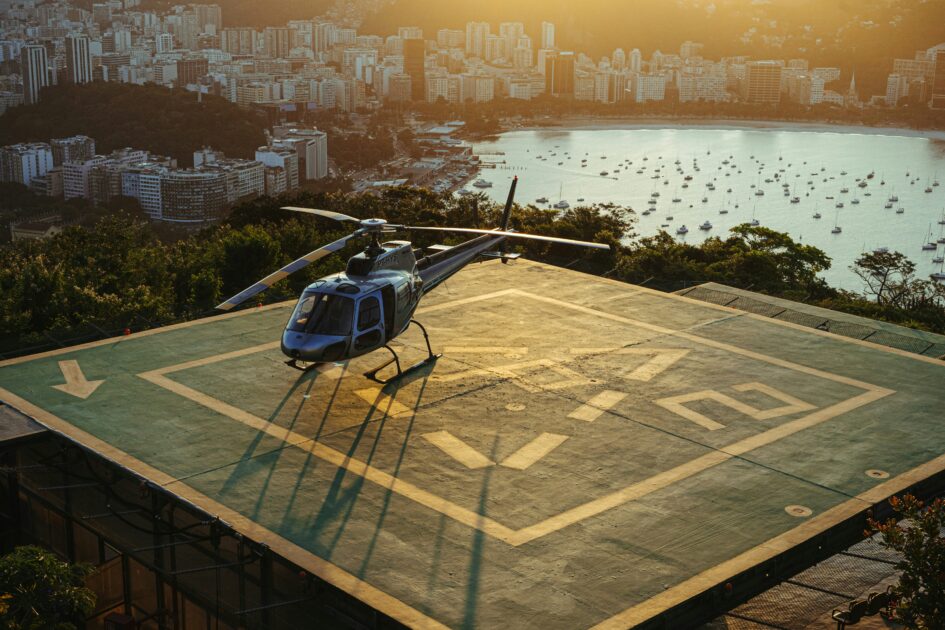
At first glance, a vertiport may appear to be little more than a helipad installed on the roof of a building: it is a highly sophisticated piece of urban infrastructure.
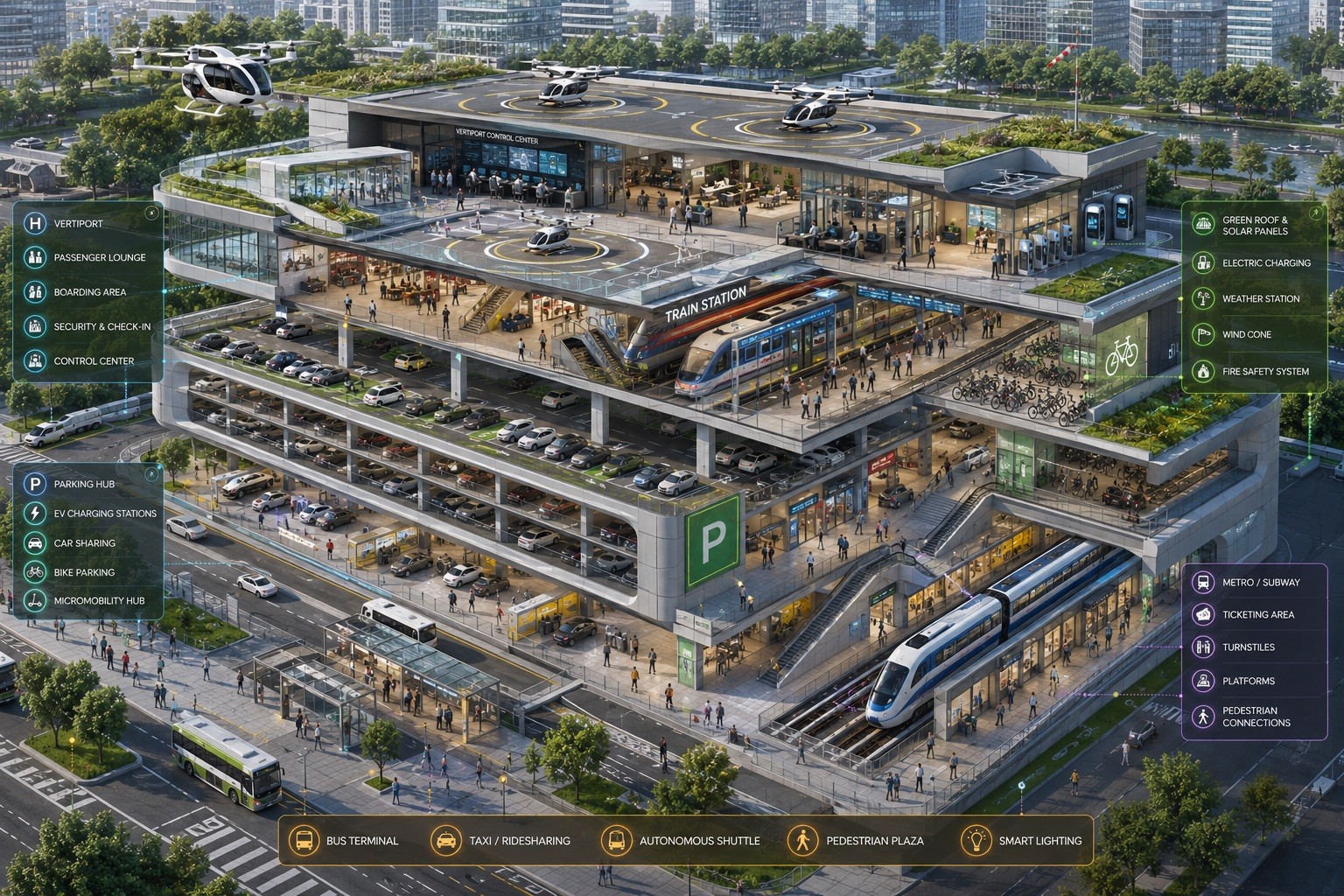
Besides take-off and landing areas, a modern vertiport must integrate high-power electric charging systems, passenger facilities, emergency equipment, fire protection, weather monitoring, automated traffic management, security systems and seamless connections with existing public transport.
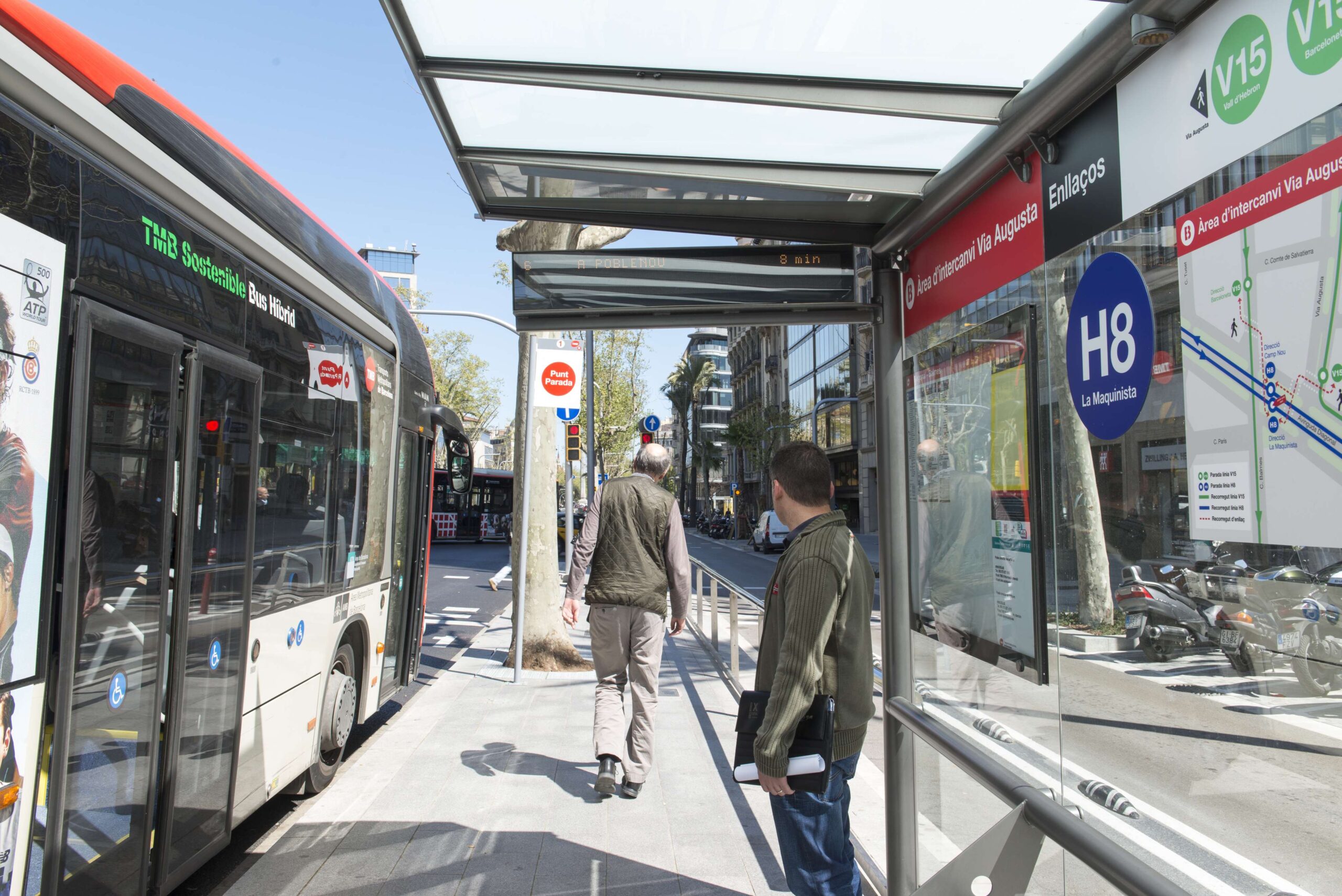
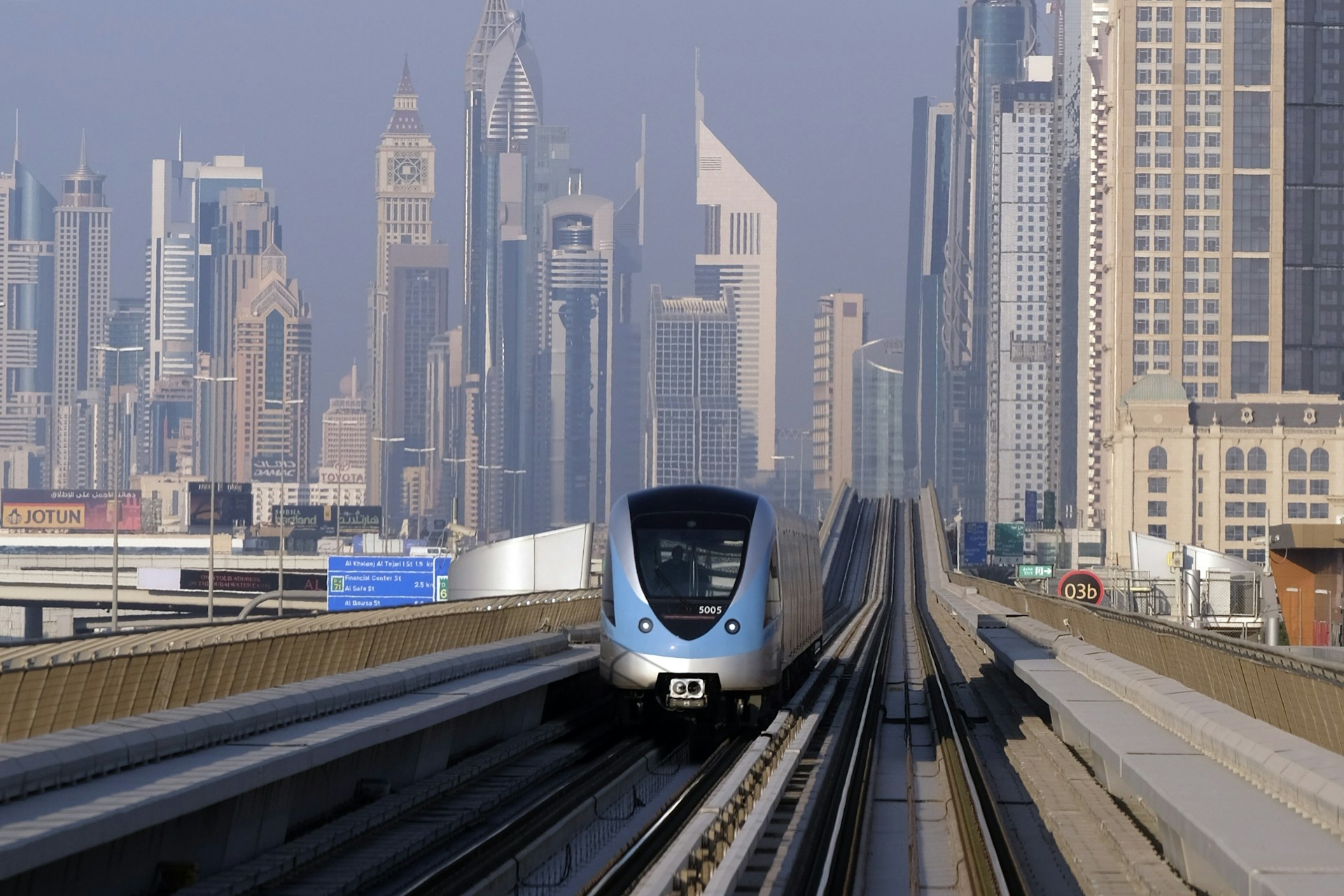
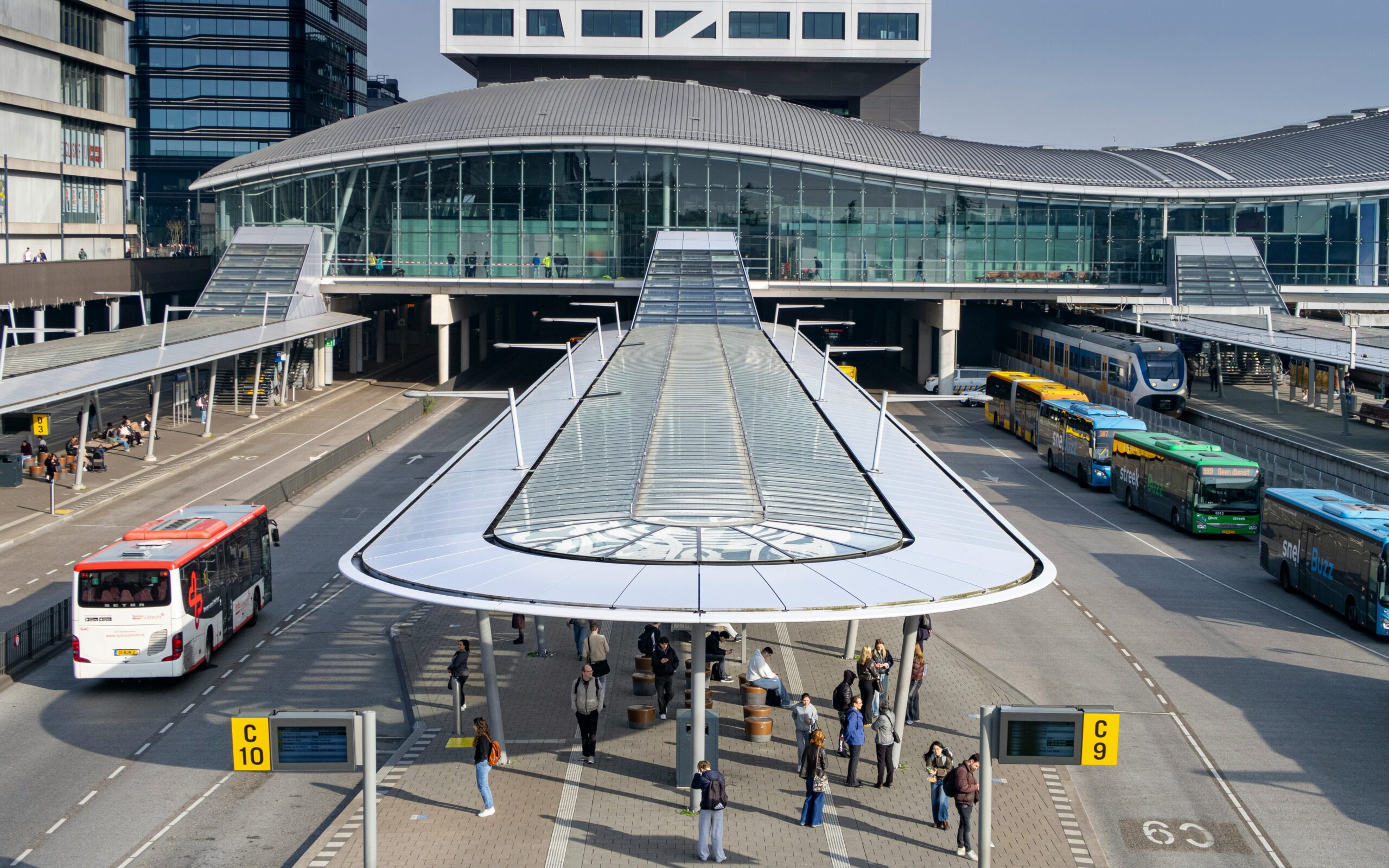
Rather than functioning as isolated aviation facilities, vertiports are expected to become multimodal transport hubs, linking urban air mobility with metro networks, rail stations, airports and road transport. For this reason, many planners believe their ideal location is not necessarily inside airports but above railway stations, business districts, hospitals, convention centres, and major logistics facilities.
Like railway stations transformed mobility in the nineteenth century, vertiports could become one of the defining infrastructures of twenty-first century cities.
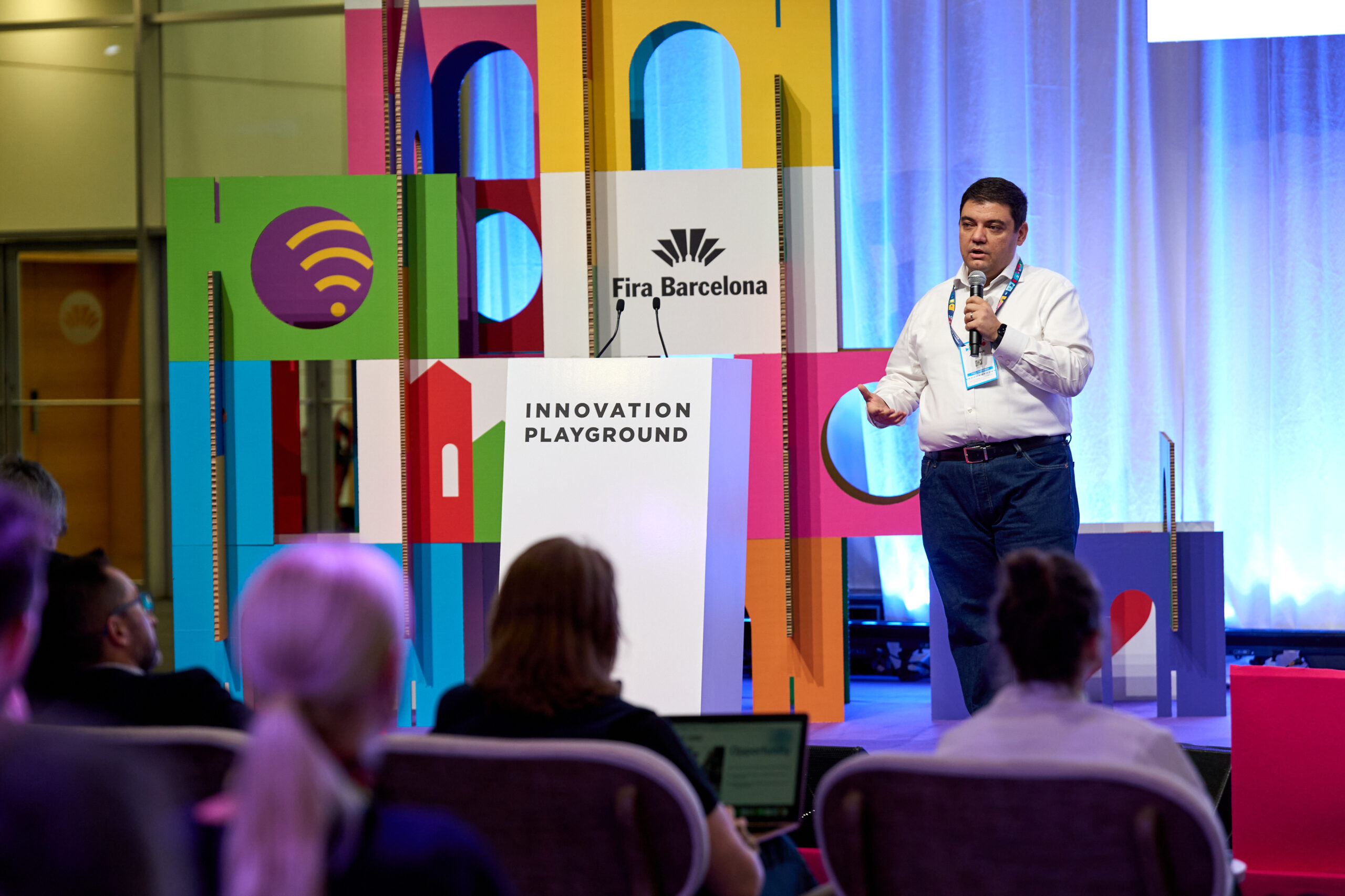
These are not just dreams but concrete projects, and I myself have had the opportunity to be involved in the structural design of a future hub of this kind and presented this project at the Smart City Expo World Congress 2025. The future headquarters of the Levi Montalcini Foundation: an innovative project conceived not simply as a building, but as a multidisciplinary hub for research, education, and technological innovation. Among its distinguishing features is the integration of a vertiport, envisioned as part of a broader mobility ecosystem connecting people, knowledge, and services.
Building above the city: the structural challenge
From a structural engineering perspective, one of the most fascinating aspects is the possibility of constructing vertiports on top of existing buildings. Unlike conventional heliports, vertiports are expected to accommodate frequent take-offs and landings throughout the day, together with rapid battery charging and passenger operations. Designing these facilities therefore involves much more than supporting the weight of an aircraft.
Engineers must consider dynamic loads, cyclic fatigue, wind interactions, vibration transmission, and the aerodynamic effects generated by multiple rotors operating near the structure. Consequently, lightweight construction becomes a priority.
Many current concepts rely on steel, aluminium or advanced composite structures assembled using modular prefabricated components. Reducing permanent loads allows existing buildings to accommodate the additional infrastructure while minimizing structural strengthening interventions.
This represents a significant engineering opportunity: rather than expanding cities horizontally, future mobility infrastructure may increasingly be integrated into the rooftops of buildings that already exist.
The sky will need its own highways
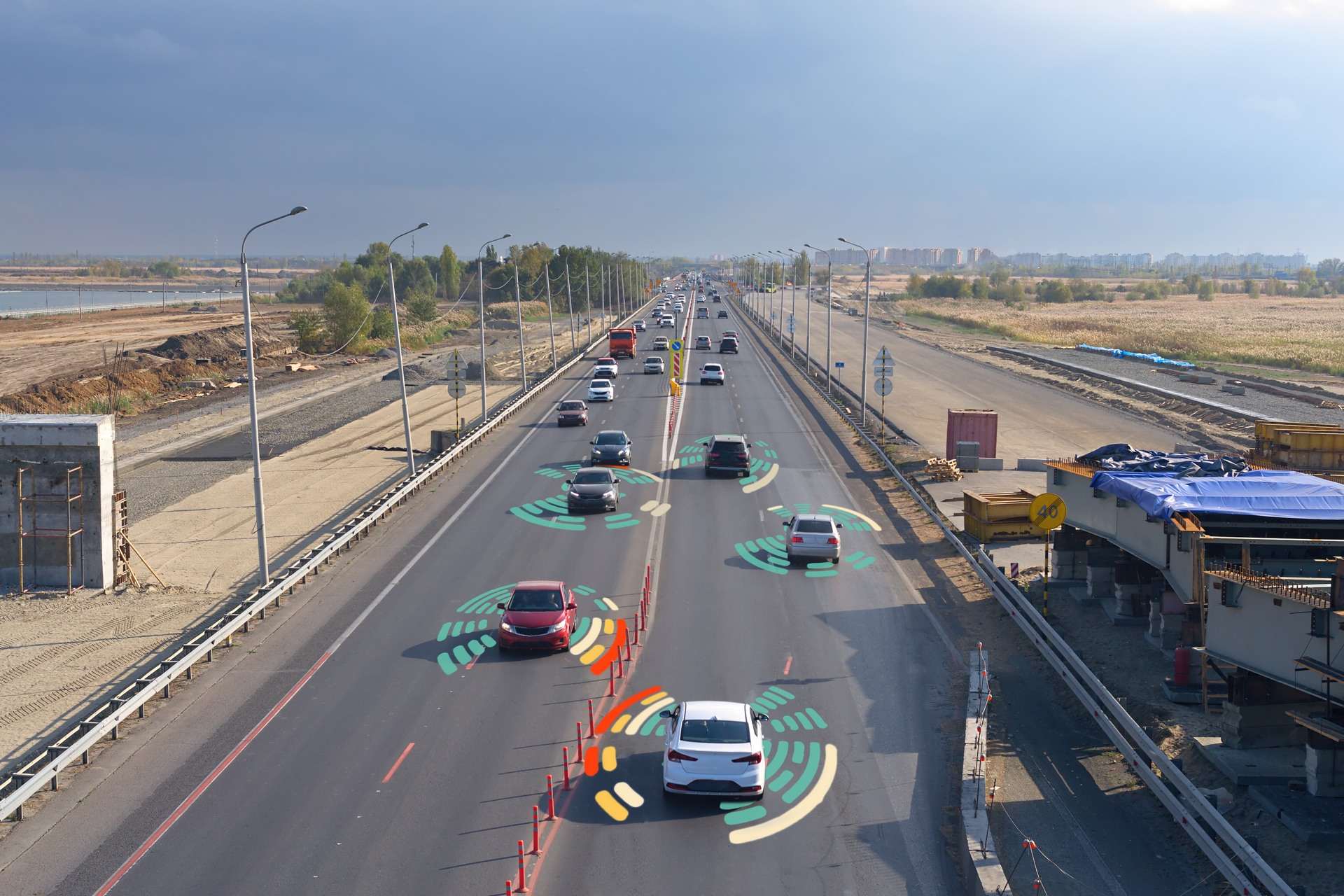
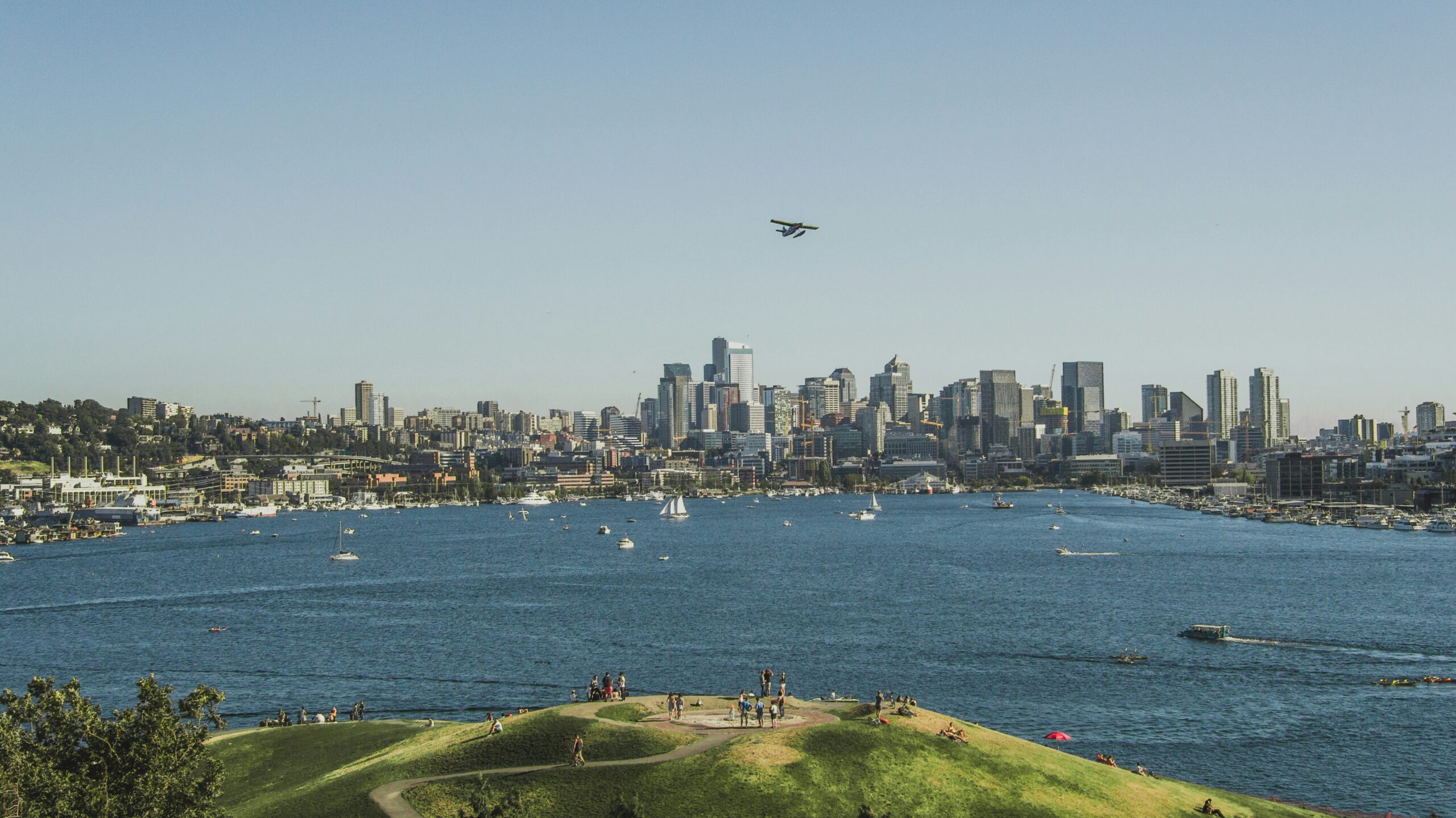
One of the most common images associated with flying taxis is that of aircraft freely moving across the urban skyline but this scenario is highly unlikely. A city where hundreds or even thousands of aircraft independently choose their own routes would quickly become unmanageable. For this reason, aviation authorities are working towards a system based on Urban Air Mobility corridors: predefined aerial routes that function much like highways in the sky.
Flights will most likely follow digitally managed corridors, continuously monitored and dynamically adjusted according to weather conditions, traffic density and operational priorities. Every aircraft will remain connected to a real-time traffic management network capable of coordinating movements with an accuracy impossible through human control alone.
In this context, vertiports become nodes within a three-dimensional transportation network rather than isolated landing sites.
A new urban planning question
The definition of aerial corridors introduces another issue that has received relatively little public attention. If future flight paths become concentrated above specific neighbourhoods, could they influence the perception, and ultimately the value, of nearby properties?
History suggests that transportation infrastructure has always influenced real estate markets. Properties located close to airports, major highways or railway corridors often experience both advantages and disadvantages depending on accessibility, noise exposure and environmental quality.
Whether Urban Air Mobility will generate similar effects remains an open question. Some corridors may become highly attractive because they provide immediate access to aerial transport, while others could raise concerns related to perceived noise, visual intrusion, privacy or simply the psychological effect of continuous overhead traffic.
These questions are still largely unexplored, yet they will likely become an important part of future urban planning discussions as cities begin integrating aerial mobility into existing neighbourhoods.
Safety is more than aircraft reliability
Perhaps the greatest challenge facing Urban Air Mobility is public confidence. The aircraft themselves are being designed with remarkably high levels of redundancy. Most eVTOL configurations incorporate multiple independent electric motors, fly-by-wire flight control systems, continuous health monitoring and fault-tolerant architectures capable of maintaining controlled flight even after the failure of one or more propulsion units. Some designs also include ballistic parachute systems as an additional safety layer.
Yet technological redundancy alone will not determine the overall safety of Urban Air Mobility. The real challenge lies in coordinating thousands of simultaneous flights above densely populated environments while integrating passenger aircraft, logistics drones, emergency helicopters, and conventional aviation.
Safety therefore becomes a property of the entire ecosystem, not simply of individual aircraft. Artificial intelligence, digital communication networks, satellite navigation, weather forecasting, and automated traffic management will all contribute to making this new mobility system reliable enough for everyday operations.
Much like commercial aviation today, the safest component may ultimately be the invisible digital infrastructure operating behind the scenes.
The regulatory framework is taking shape
Technology is advancing rapidly, and regulation is evolving alongside it. The European Union Aviation Safety Agency (EASA) has already published dedicated specifications for vertiport design and Urban Air Mobility operations, addressing infrastructure geometry, obstacle clearance, emergency procedures, and operational safety.
At the same time, ICAO and national aviation authorities are developing complementary standards covering certification, airspace integration, operational procedures, and infrastructure requirements.
The coming years will likely see regulations evolve from focusing solely on aircraft certification towards defining common standards for the entire Urban Air Mobility ecosystem.
Building tomorrow’s infrastructure today
For many years, Urban Air Mobility was viewed primarily as a technological curiosity but now the conversation is changing: the attention is moving away from the aircraft themselves and toward the infrastructure that will determine whether this new mode of transport can become part of everyday urban life.
Vertiports, digital traffic management systems, lightweight rooftop structures, and integrated mobility hubs are not simply supporting technologies—they are the true enablers of Urban Air Mobility.
The transition from experimental projects to widespread deployment will require careful engineering, thoughtful regulation, and close collaboration between aviation experts, structural engineers, architects, urban planners, and public authorities.
If this transition succeeds, cities will not simply gain a new means of transport. They will acquire an entirely new layer of infrastructure, adding the vertical dimension to urban mobility and opening opportunities that extend far beyond faster journeys.
In this context, one thing is certain: the success of Urban Air Mobility will not be measured by how many aircraft take to the skies, but by how intelligently cities design the infrastructure that allows them to become a natural, safe, and sustainable part of everyday life.
Photos: Matej Buchla, Toan Chu, Owen Wei.