



Table of Contents
Authors | Jaime Ramos, Lucía Burbano
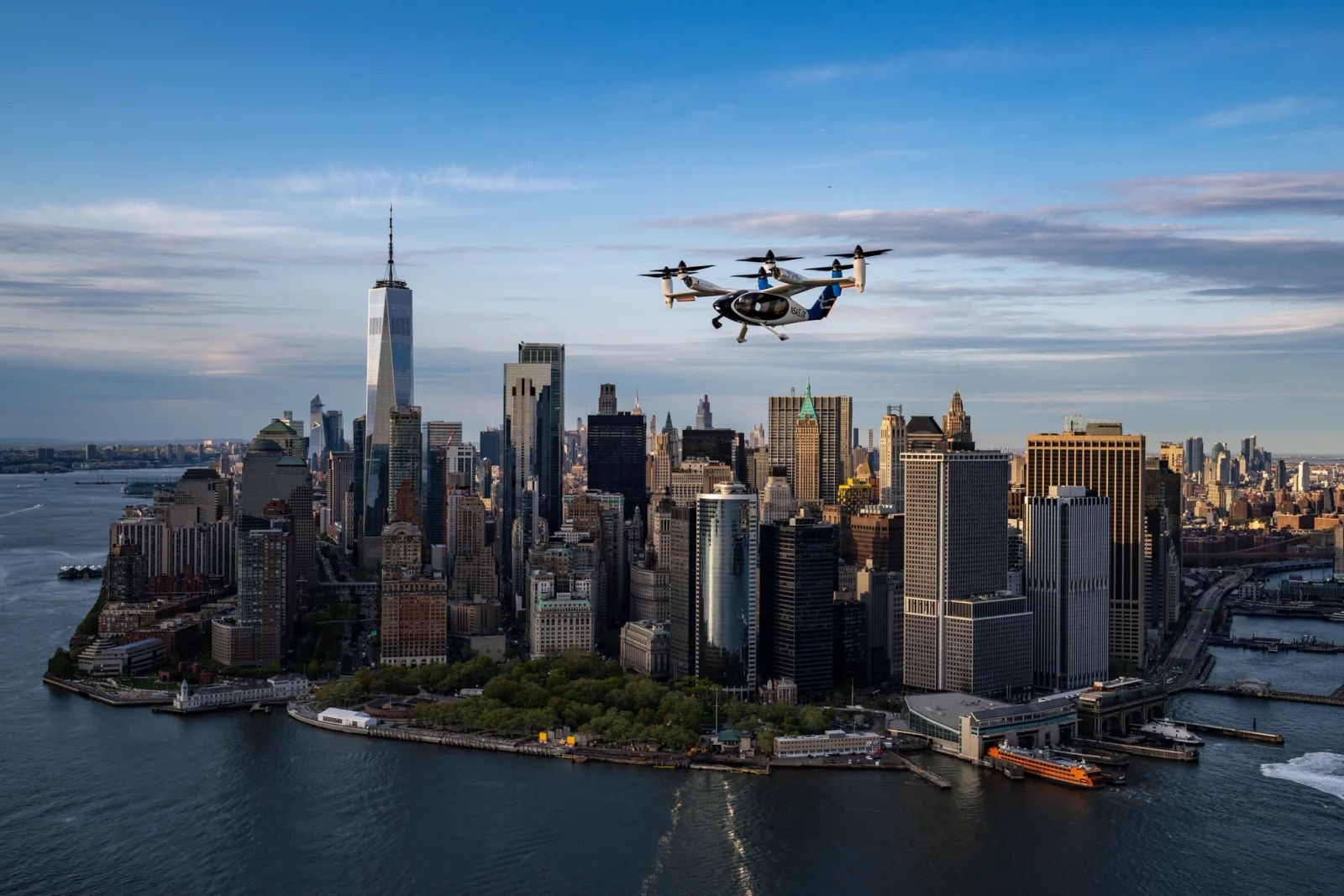
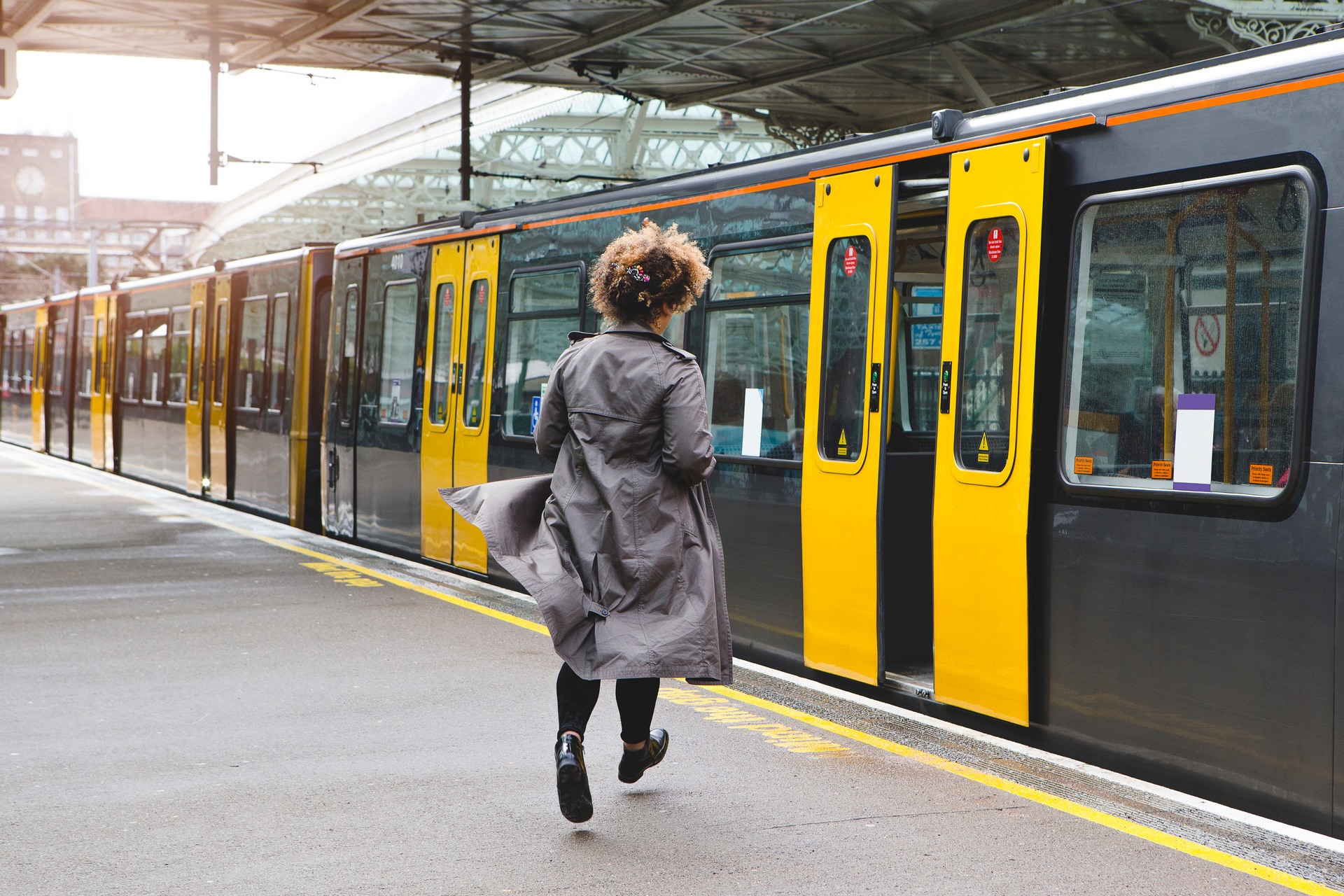
Public transportation is entering a new era of challenges. Its transformation is being shaped by the need to improve air quality, mitigate the effects of population growth, and integrate technologies that enable advanced, interconnected systems capable of reducing reliance on private vehicles in urban environments. What does the future hold for public transportation?
Why do public transport systems need to change?
Data from the 2023 Global Urban Mobility Indicators report, published by the International Association of Public Transport, shows that many major cities record exceptionally high levels of public transportation use per capita each year. Among the 53 cities included in the study, Budapest stands out with 733 trips per resident annually, followed by Prague with 726 trips and Hong Kong with 476.
Following the sharp decline caused by the pandemic, many cities have recovered a significant share of public transportation demand, and some have already surpassed pre-2020 levels, particularly in Central and Eastern Europe and across Asian cities. Among the different modes of transit, metro systems have experienced the strongest growth.
Air quality: a major problem
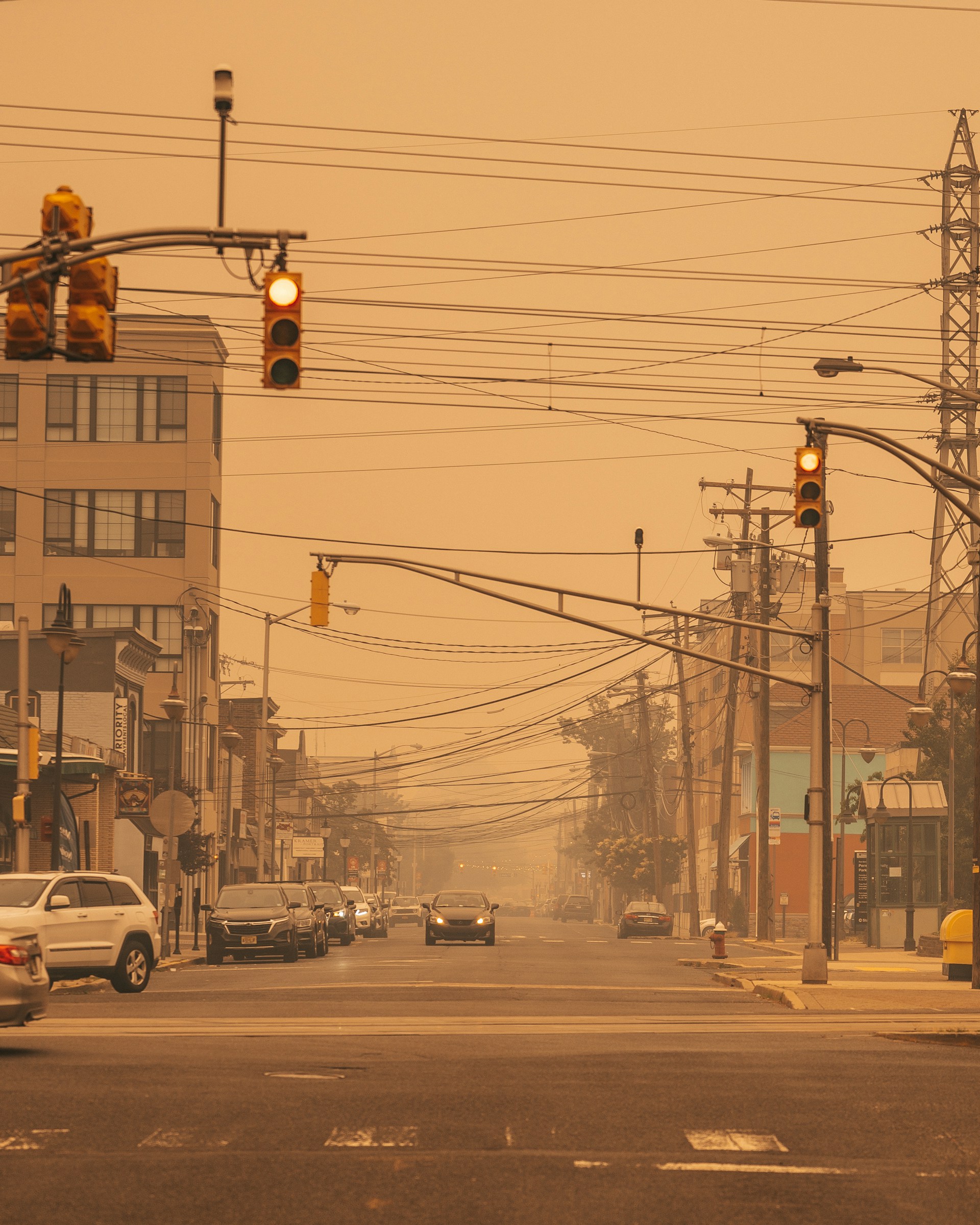
The greatest challenge facing the transport sector is to solve the health problems caused by pollution. The WHO has denounced in recent years that nine out of ten people worldwide breath polluted air. Air pollution accounts for an estimated 7 million deaths worldwide each year. Approximately 7 million premature deaths each year are linked to air pollution. South Asia and East Asia account for the majority of these deaths worldwide, particularly in cities across India, Pakistan, and Bangladesh.
An unprecedented technological revolution in the transport system
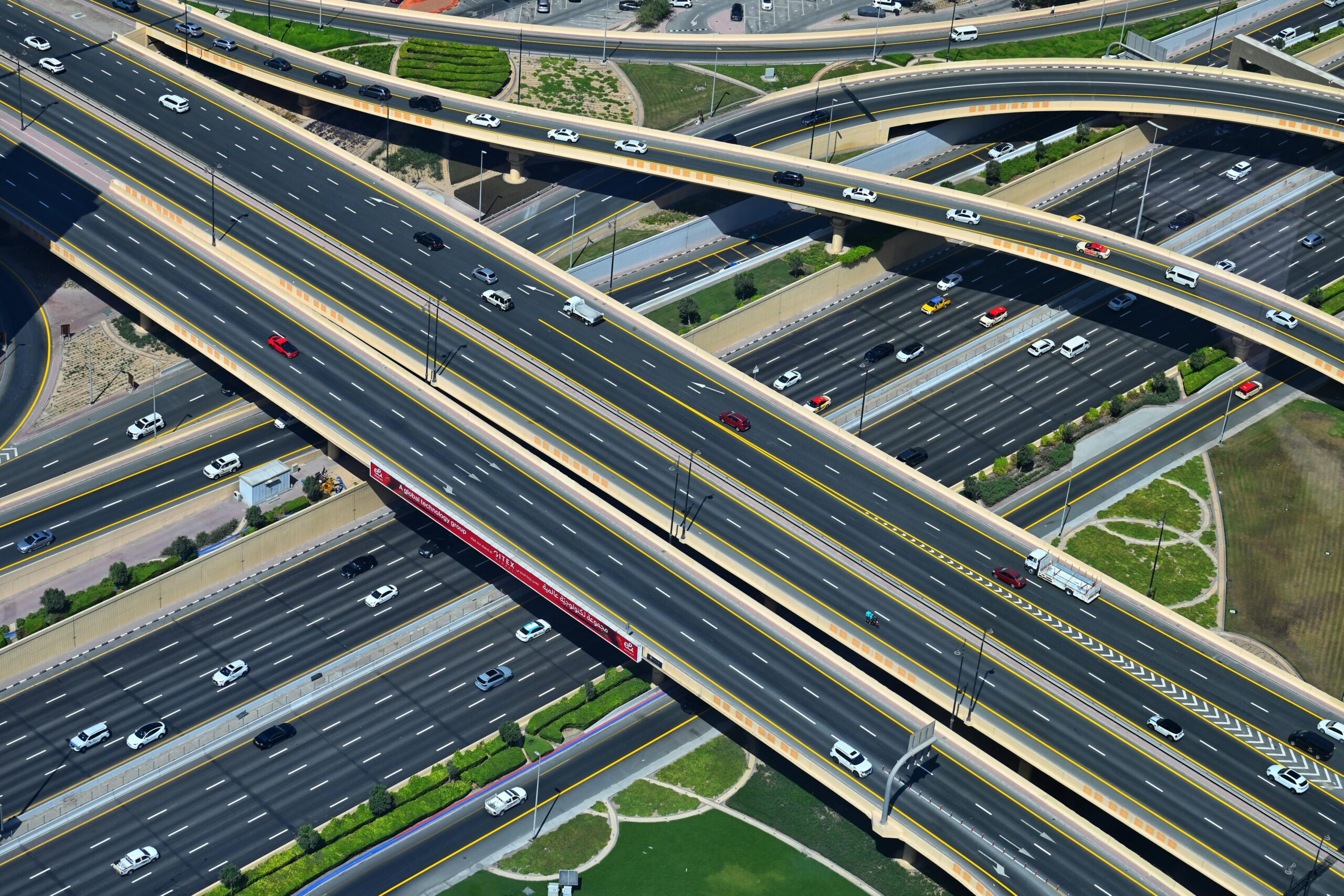
The challenge involves rationalizing the use of technology with more integrated planet-wide initiatives to cater for areas most in need. The aim is not only to reduce journey times but to eradicate road congestion. The challenge is to adapt state-of-the-art technologies to a new era in which we are told that we will see a drop in private travel.
The evolution of technology in public transportation
Each era has been shaped by innovations in public transportation. In the nineteenth century, steam power transformed urban mobility, with streetcars becoming the first transit systems to replace horses as the driving force behind passenger carrying vehicles. The same century also saw the birth of metro systems, including the London Underground, which opened in 1863.
The arrival of electrification in the late nineteenth and early twentieth centuries brought another major shift. Electric traction offered a cleaner and more efficient alternative and, combined with increasing urban density, fueled the rapid expansion of metro systems in cities such as Paris, New York City, and Berlin. It also encouraged the adoption of trolleybuses, which were easier to integrate into urban environments because they did not require rail infrastructure.
The twentieth century saw the consolidation of both metro systems and buses. Alongside the rise of private vehicles, they reshaped urban planning as cities adapted their layouts to accommodate increasing road traffic.
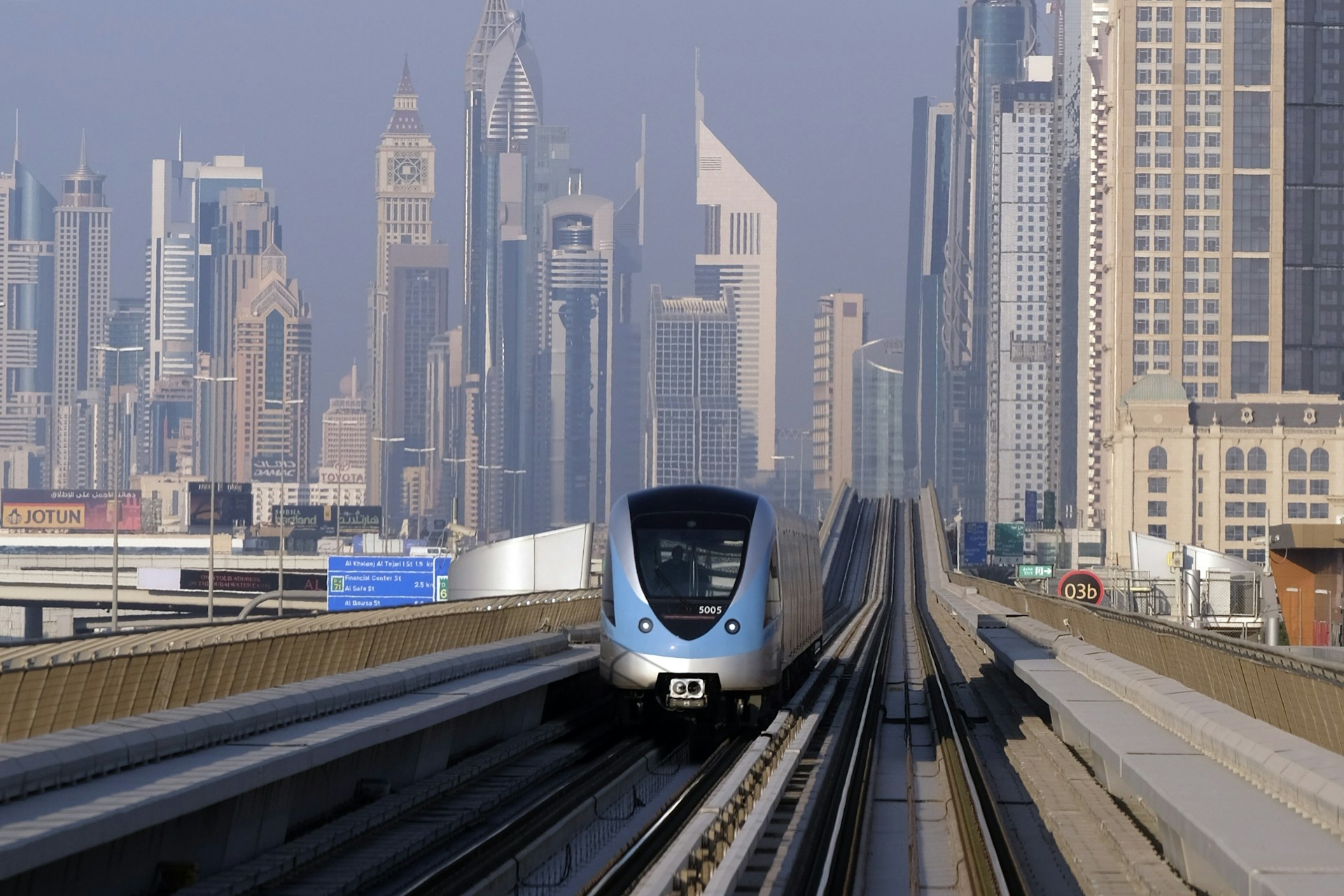
Today, and in the near future, the focus is on smart mobility and automation. Driverless metro lines are already in operation, while cities such as Dubai are integrating artificial intelligence to create connected digital mobility ecosystems.
Key futuristic projects and ideas for public transport
These solutions have a complex interconnection within urban environments. These are the most relevant ones.
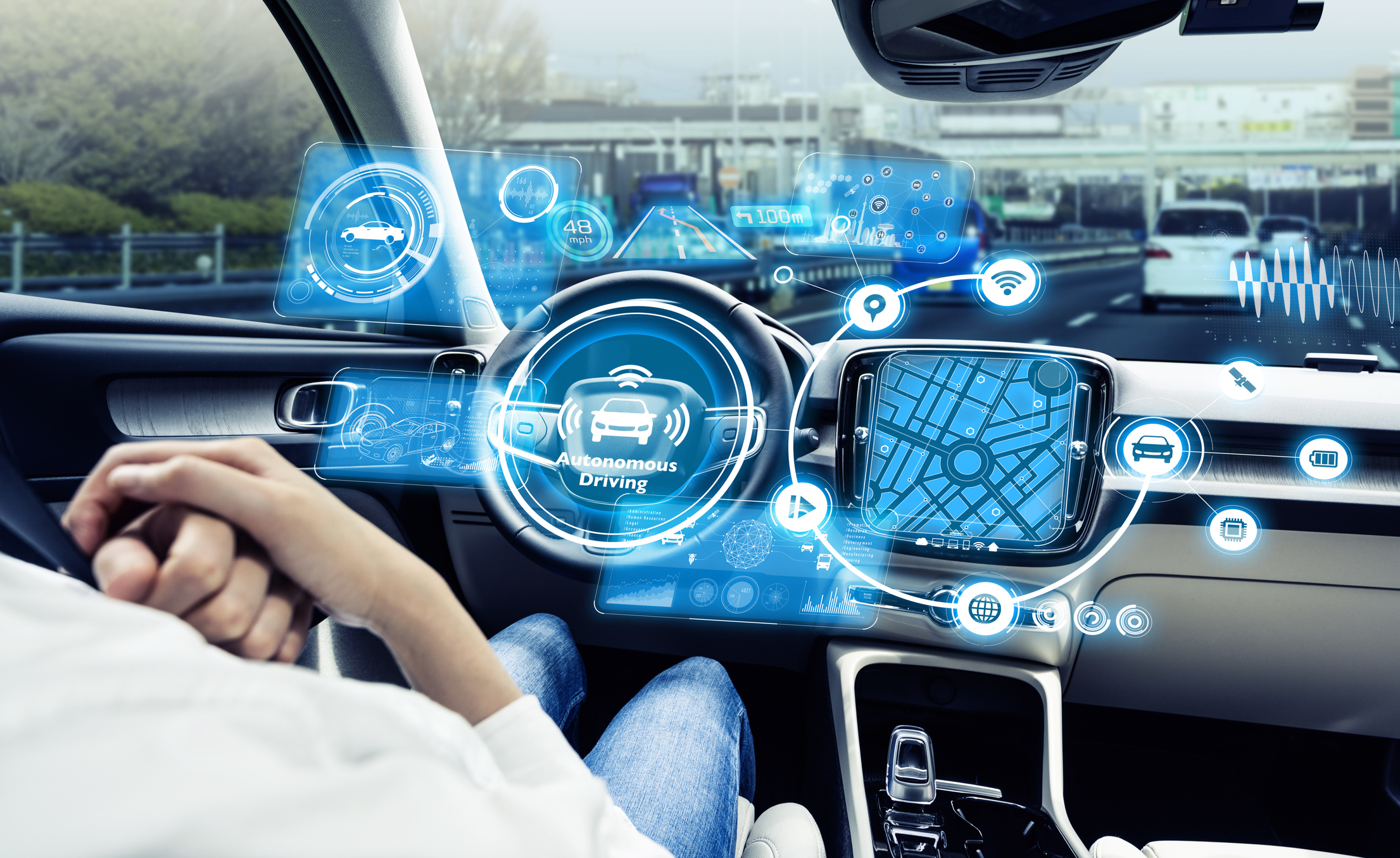
Fully autonomous urban traffic
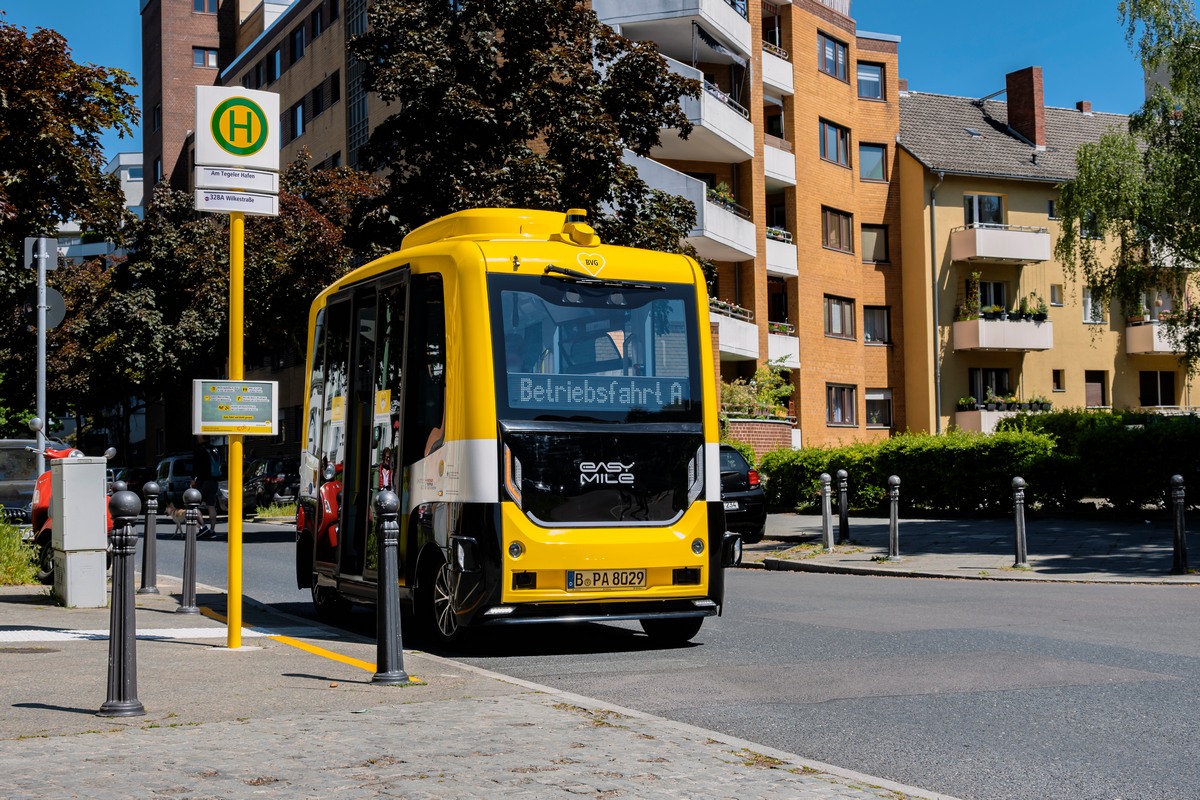
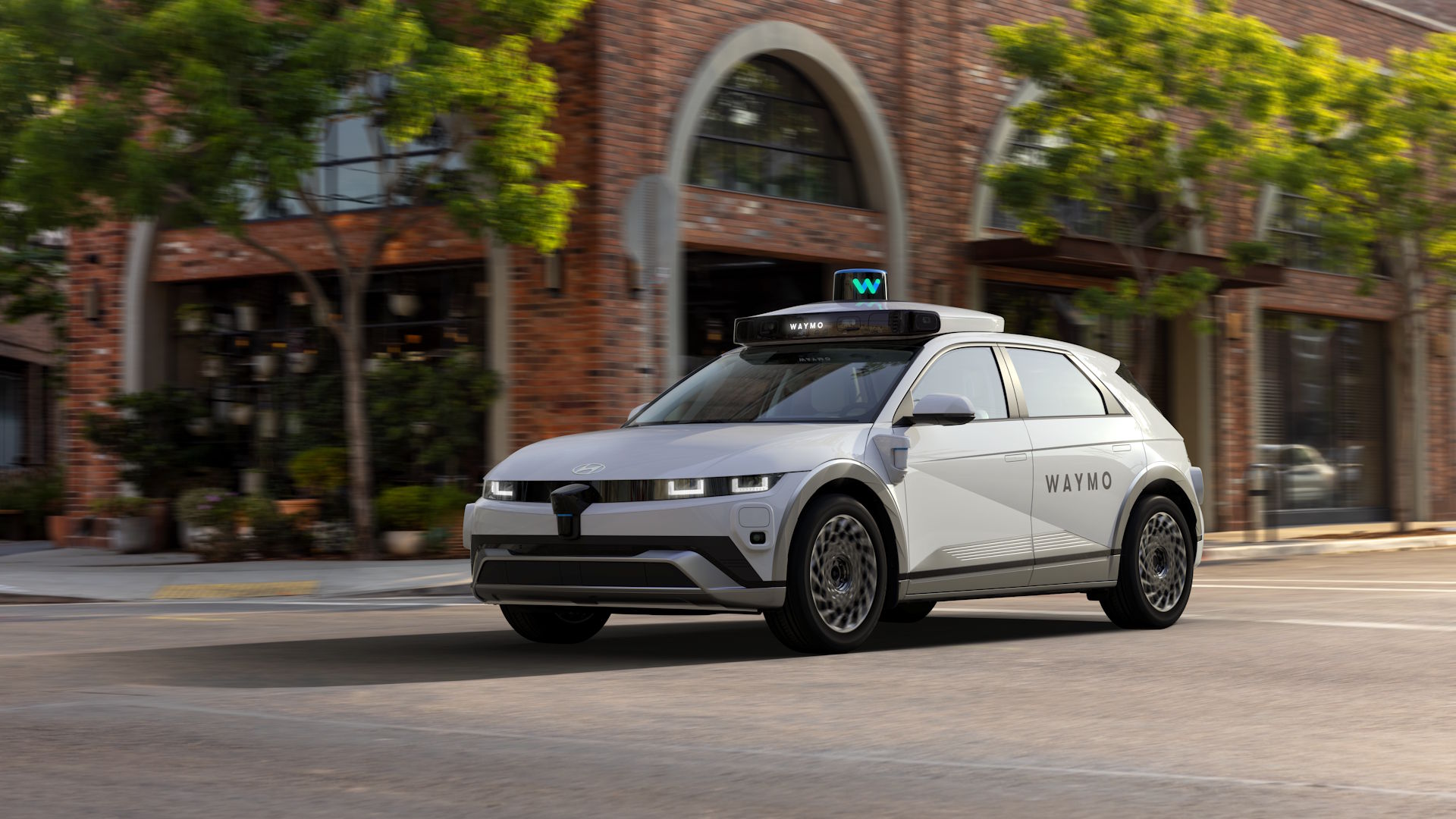
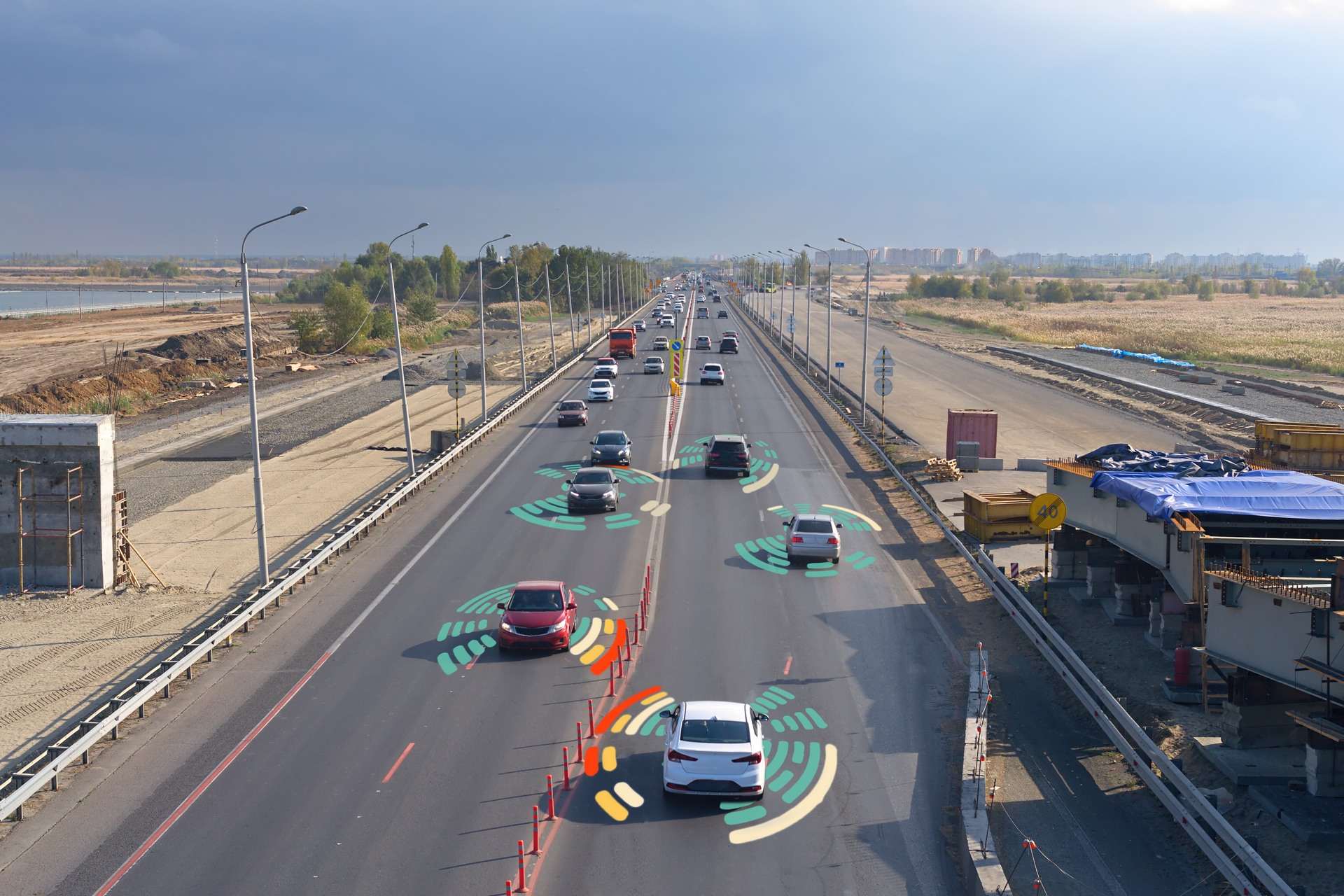
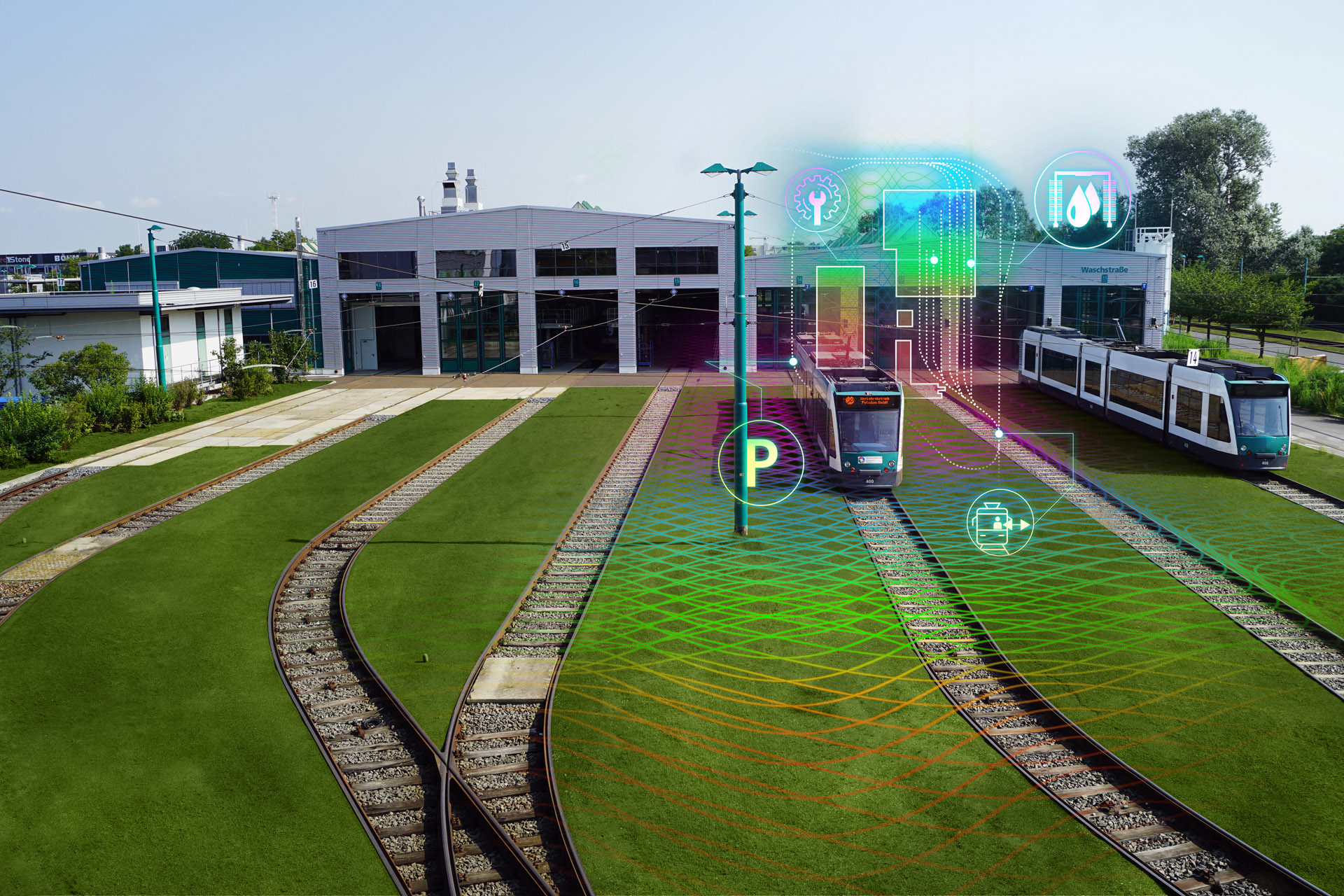
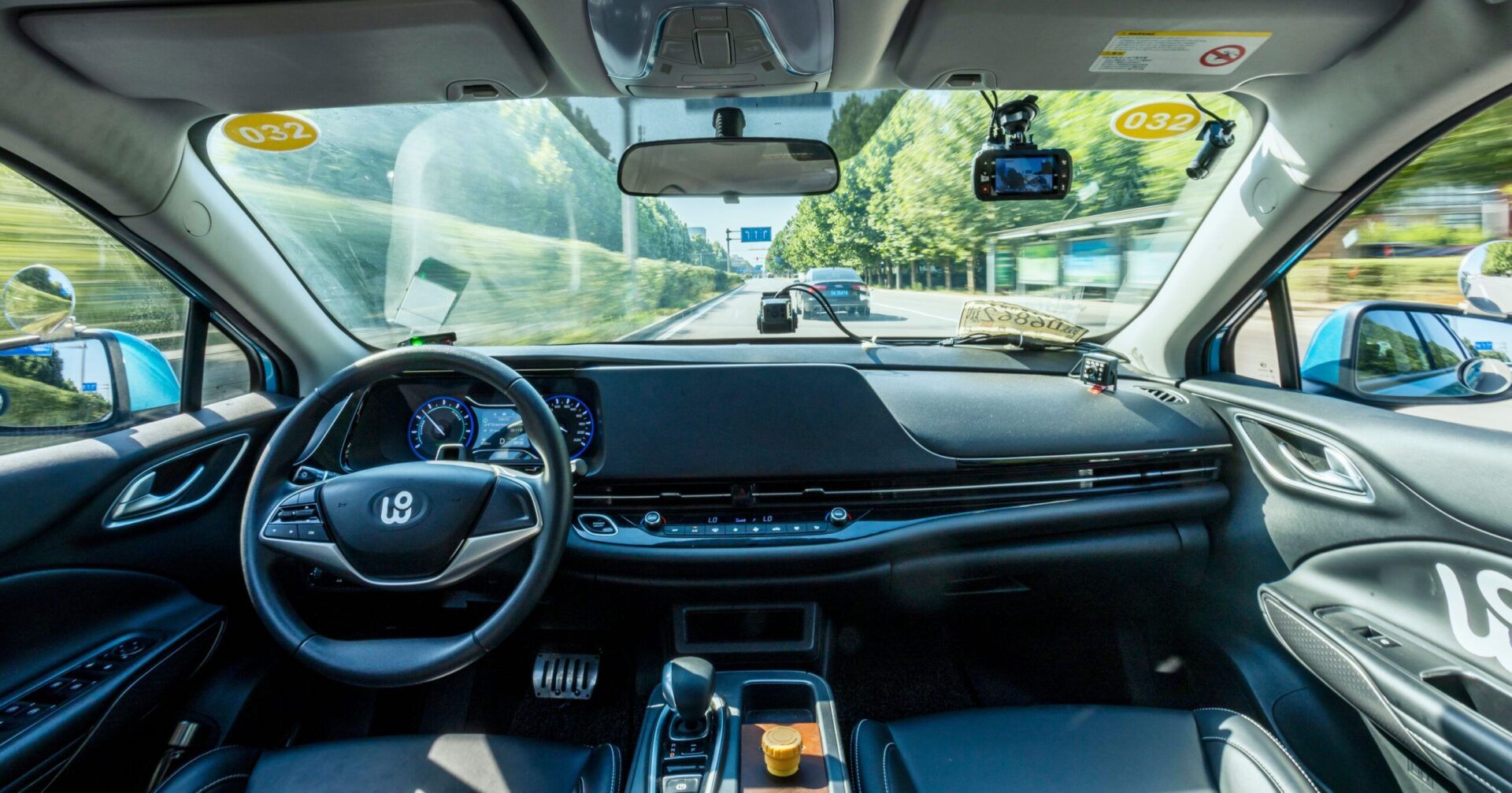
Before the self-driving vehicle market erupts onto the scene, autonomous vehicles are already being used on the public network. This is evidenced by the tests conducted in various cities, including Berlin and Oslo. Another notable project is AStriD, a pilot initiative in Germany focused on automating streetcar operations and depot management.
More recently, robotaxis have emerged as a viable alternative in places such as Abu Dhabi, the United States, and China, supported by regulatory frameworks that are increasingly enabling their deployment.
Full integration of urban data through digital twins
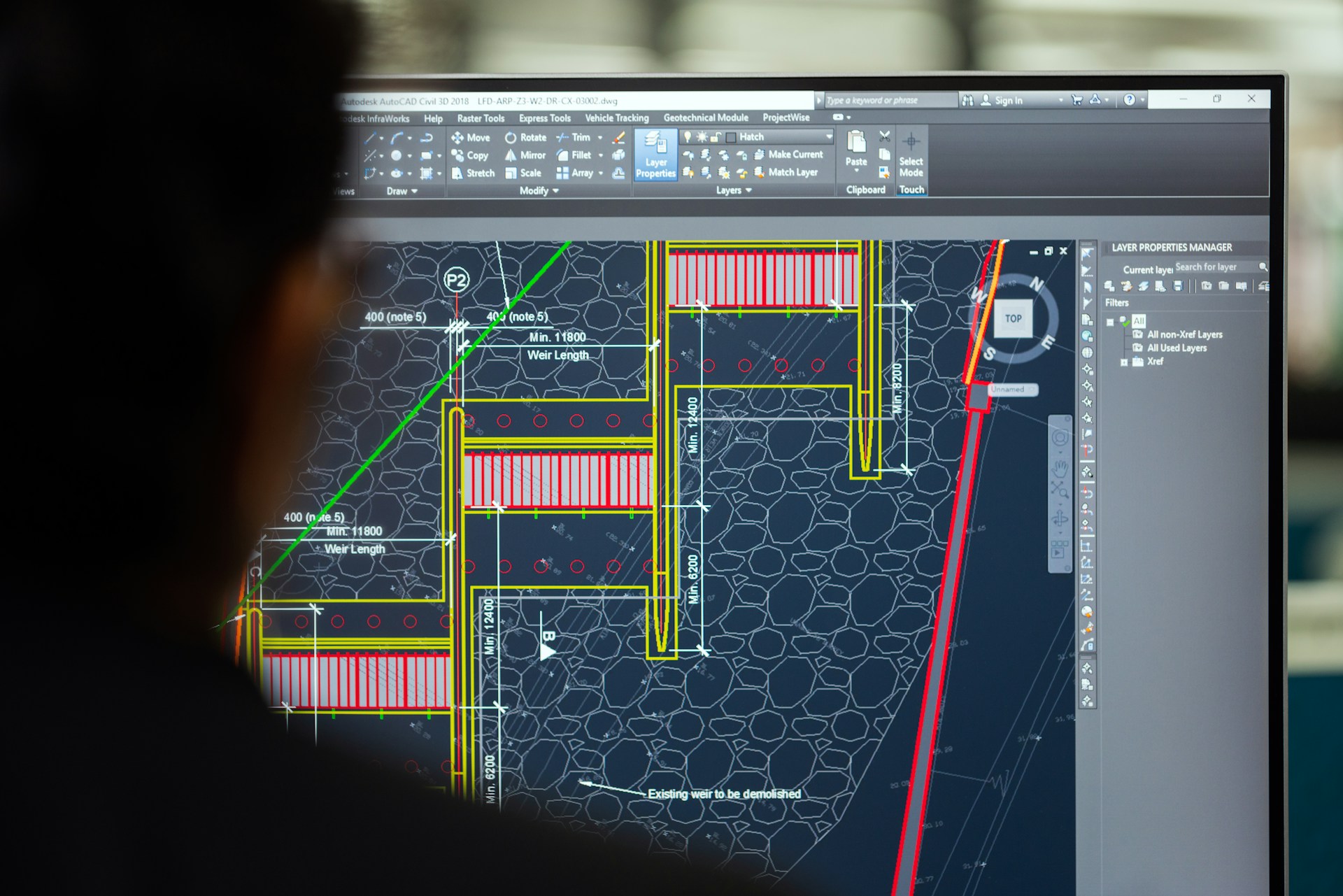
Three dimensional models that combine real time data from bus and metro GPS systems, traffic sensors, ticket validations, and mobile phone data make it possible to simulate congestion, redesign routes, and forecast demand for public transportation.
Singapore, for example, already uses this approach to optimize bus routes and plan new metro lines. Meanwhile, Barcelona, which has one of Europe’s most advanced integrated urban data systems, uses its digital twin to manage traffic signals and monitor public transportation networks.
Experimental projects: Hyperloop and automated pods
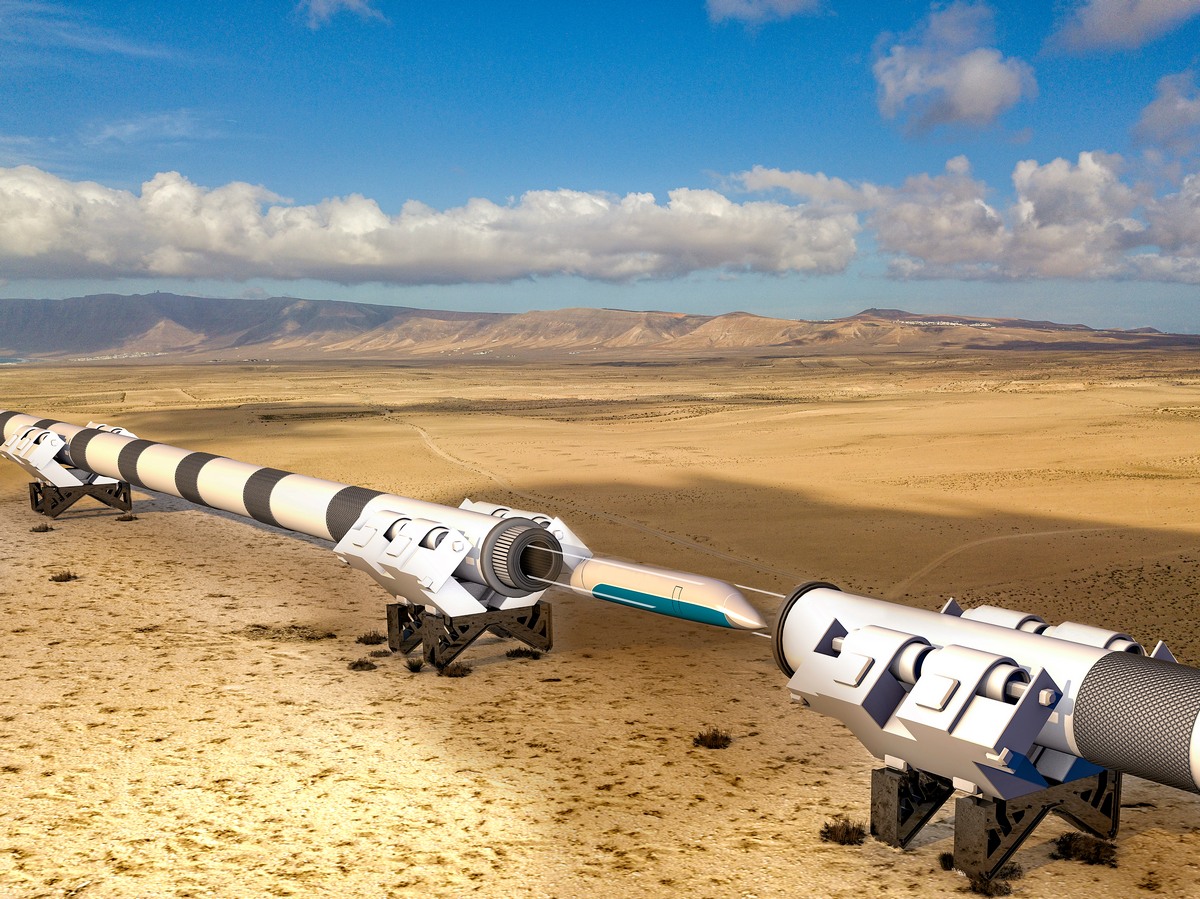
One of the many dreams that the tech tycoon, Elon Musk, is trying to make a reality is the Hyperloop (https://en.wikipedia.org/wiki/Hyperloop). It consists of a network of passenger transport capsules allowing travel at speeds of over 1,100 km/h. The idea is gaining popularity and numerous companies and research centers are developing it.
The first test drives were successfully completed in Nevada, and the main commercial objective is to get passengers from San Francisco to Los Angeles in under 43 minutes.
Although enthusiasm surrounding Hyperloop has cooled in recent years, several cities continue to invest in the concept as a potential transportation system of the future, albeit still at the pilot stage.
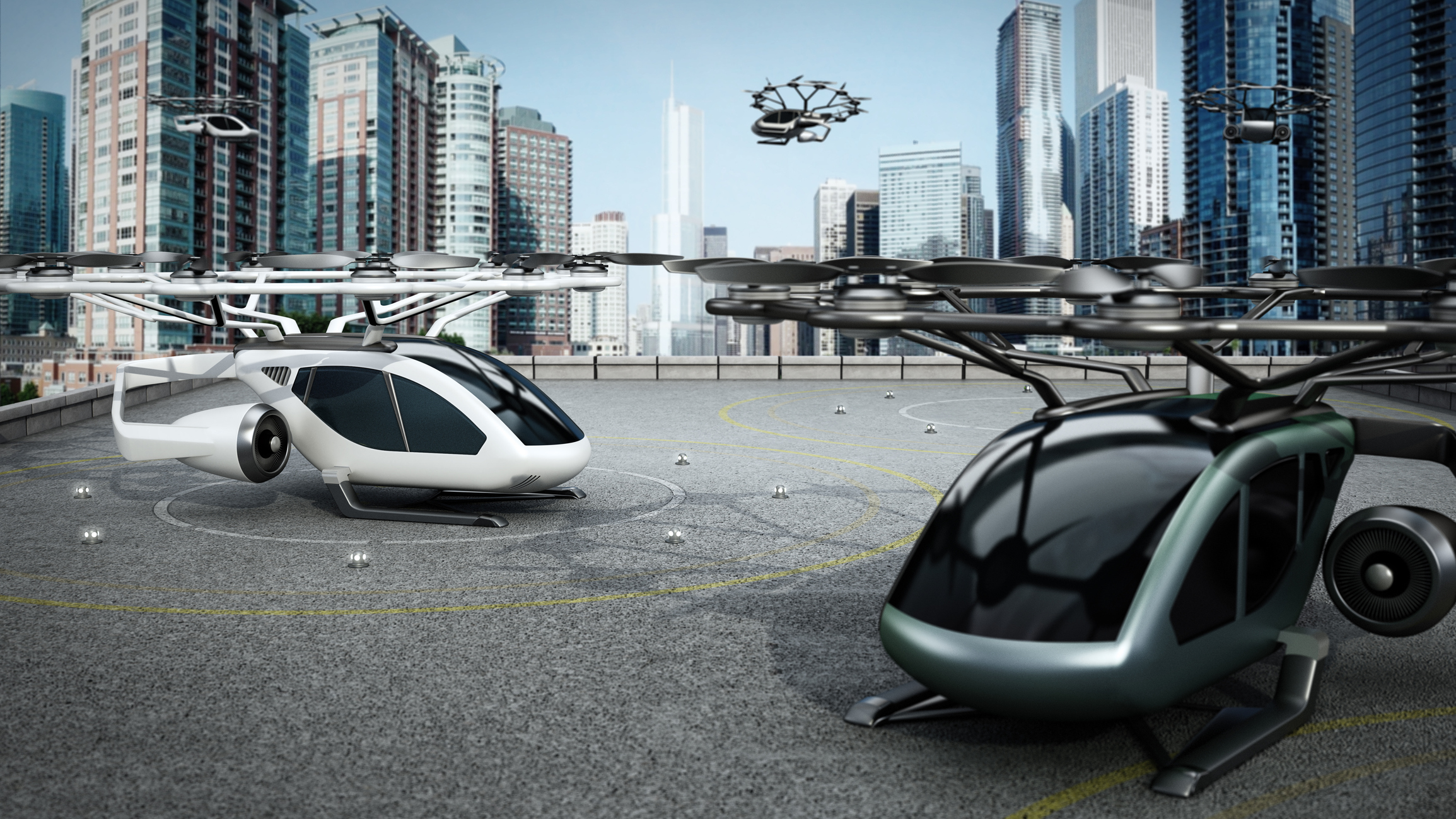
Meanwhile, Personal Rapid Transit (PRT) is based on small, automated pod like vehicles capable of carrying between two and six passengers. These driverless vehicles operate on dedicated elevated guideways and are designed to function much like a taxi service, transporting passengers directly to their destination without intermediate stops.
However, the high infrastructure costs and the difficulty of scaling these systems in complex urban environments mean that only a handful of pilot projects exist, notably in Morgantown (U.S) and at Heathrow Airport (England).
The transition from oil wells to hydrogen and wind turbines
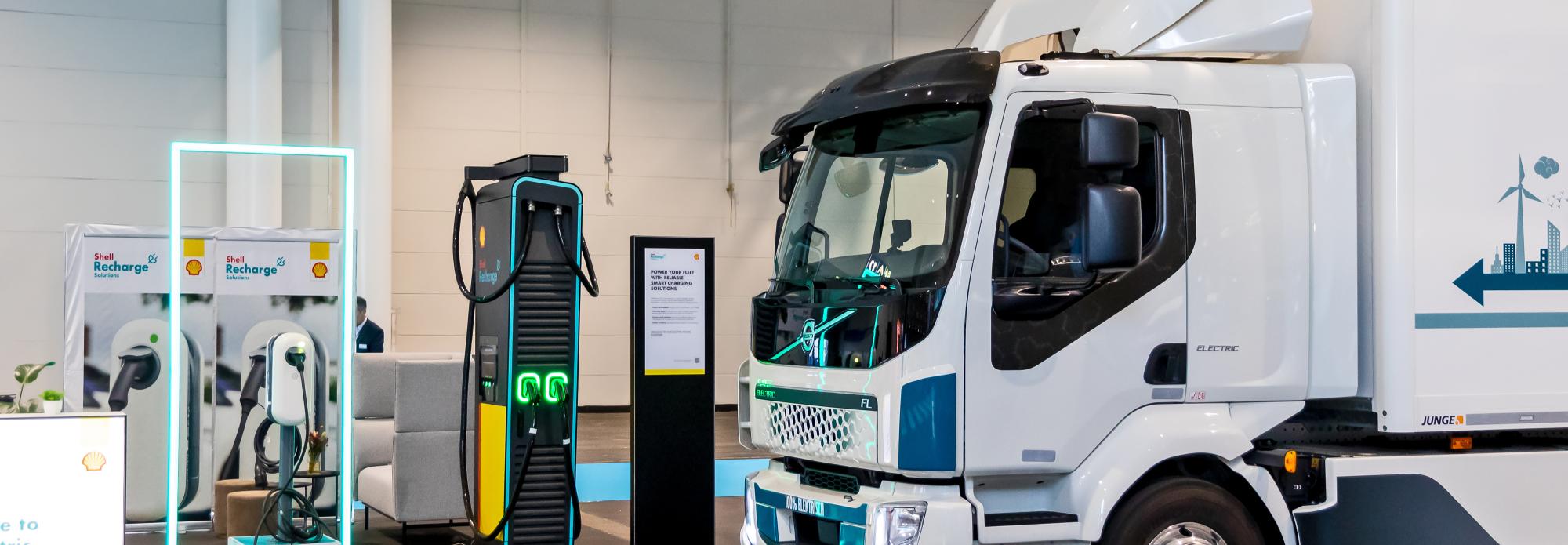
Another technological aspect of mobility is the change taking place in the heart of the propulsion systems. While for private vehicles the automotive sector has been reluctant to accept electrification, public transport networks have been introducing 100% electric and hydrogen units for over a decade while also starting the process of banishing fossil fuels.
Shared and on demand
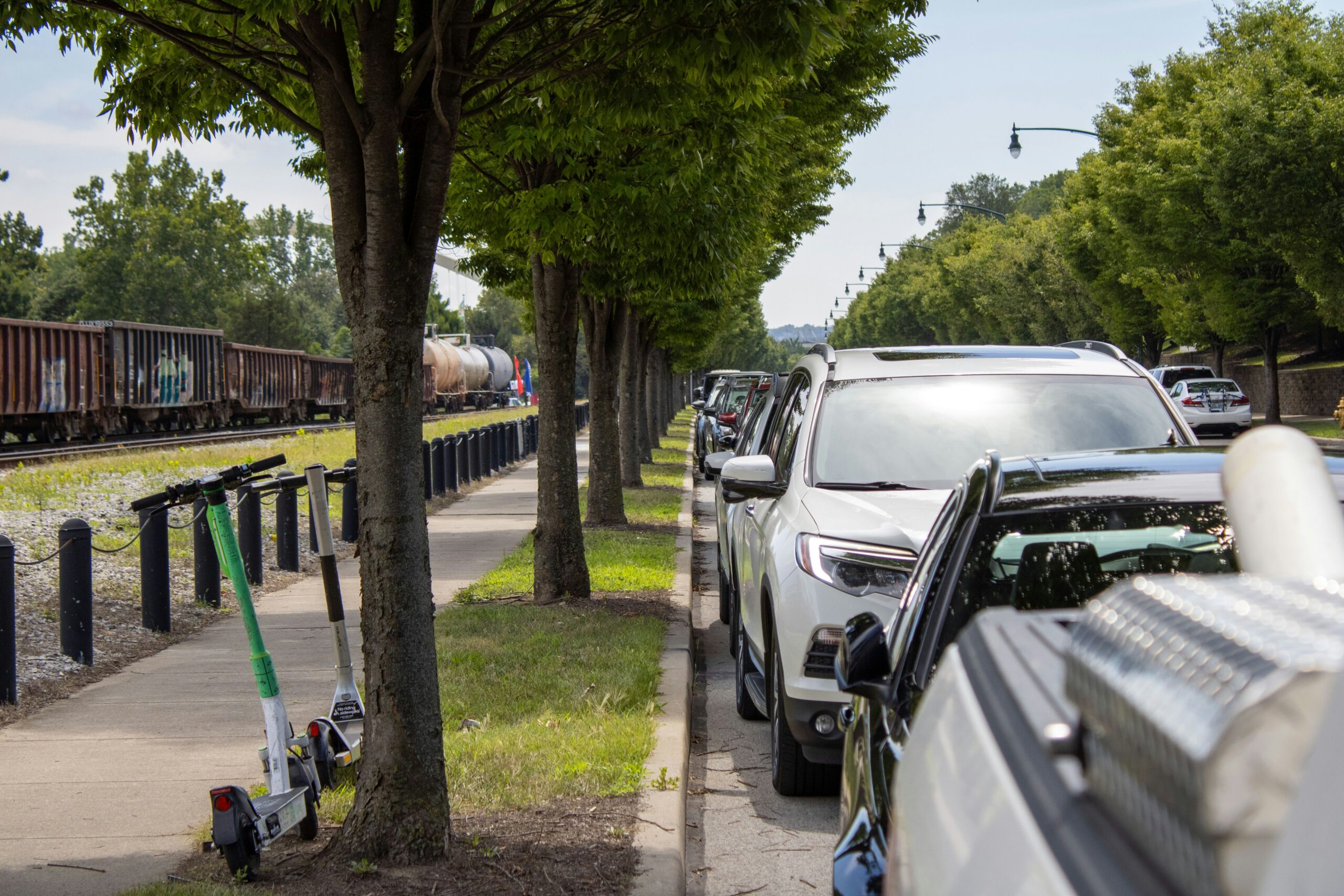
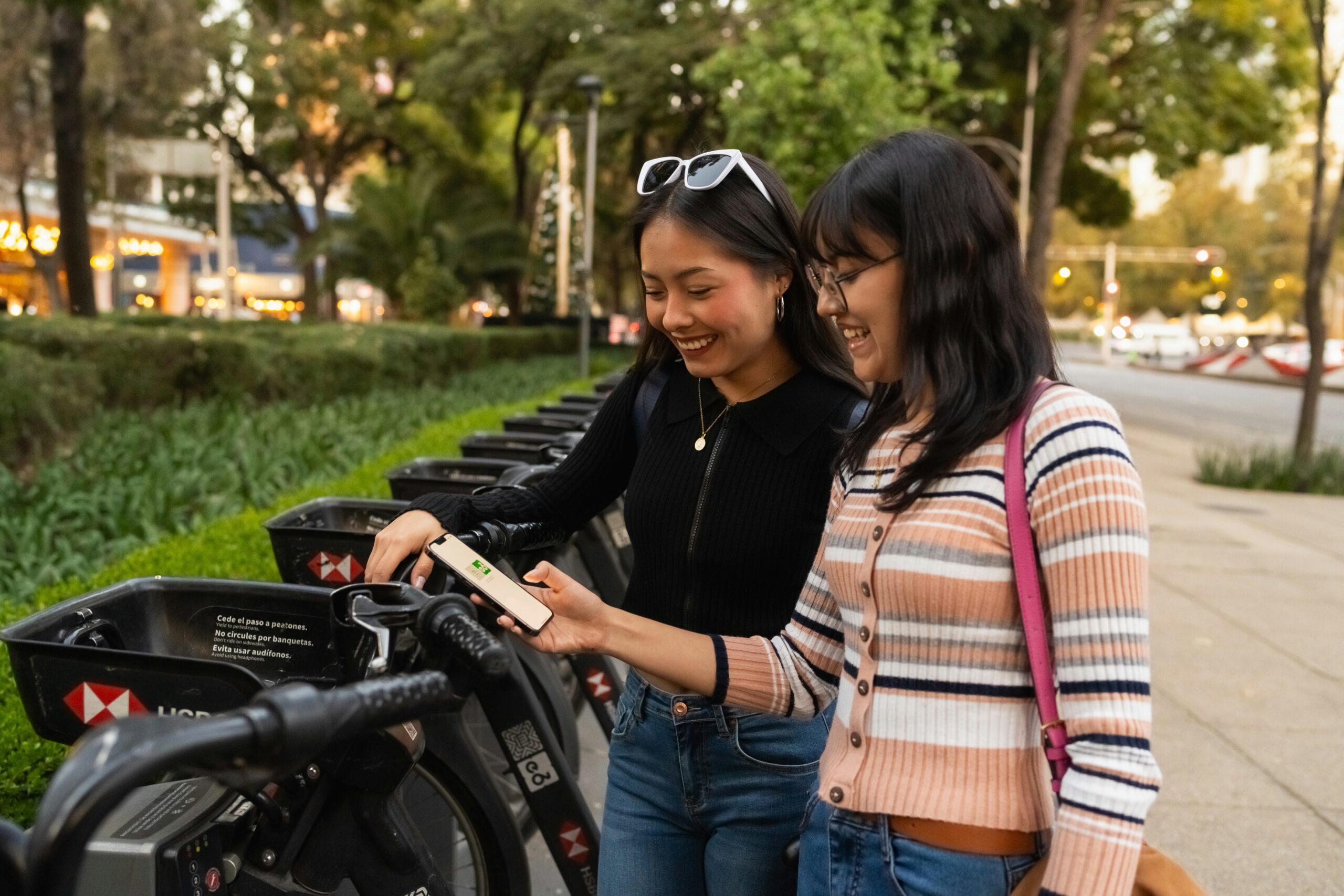
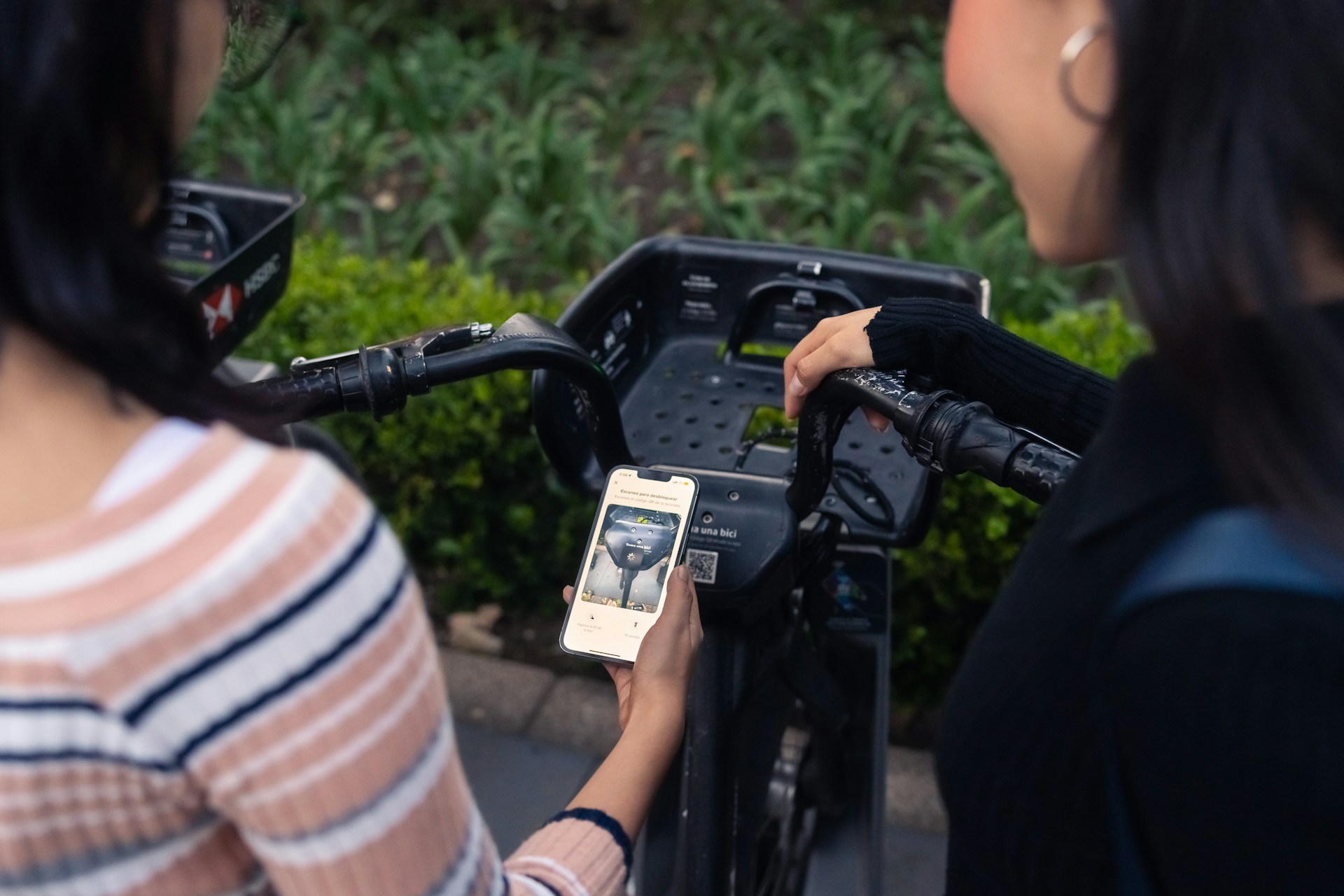
And what if public transport only existed when it was needed? This utopia makes a great deal of sense. Mobility-as-a-Service (MaaS) solutions combine all shared vehicle platforms (cars, bikes, scooters, etc.) to reduce the statistic that says that cars are parked 95% of the time.
The idea comes together through the use of apps that enable personalized journey plans to be booked. Unsurprisingly, the industry giants are wrapped up in developing these systems which, together with the other technologies such as self-driving vehicles or big data management, promise to find solutions to the aforementioned challenges.
Transportation concepts that never took off
Visions of futuristic transportation have always existed, inspiring concepts that ultimately failed to gain traction, whether for technical or economic reasons, or because they were overtaken by other technologies that proved more scalable and cost effective.
Monorails
Between 1950 and 1970, monorails were promoted as the future of urban transportation. Although they never achieved widespread adoption due to the challenges associated with track switching, safety concerns, and limited capacity, some systems remain in operation. One example is the Seattle Center Monorail, an elevated transit system inaugurated in 1962 for the Century 21 World’s Fair. It not only connects the Seattle Center with downtown Seattle but has also become one of the city’s most recognizable landmarks.
Moving walkways

During the mid twentieth century, planners envisioned an advanced pedestrian transportation system based on moving walkways similar to those now commonly found in airport terminals, convention centers, and some metro stations. The idea was to create extensive networks of moving walkways that could replace cars for short urban journeys. However, the complexity of integrating such systems into outdoor urban environments ultimately made the concept impractical.
Frequently asked questions about future transportation technologies
What technological trends are shaping the future of public transportation?
Automation, electrification, artificial intelligence, Mobility as a Service (MaaS), and large scale data analytics.
What is the main goal of new public transportation technologies?
To improve efficiency and sustainability while helping cities cope with population growth.
What role will digital technology play in urban mobility?
It will be essential for coordinating transportation networks in real time, from fleet management to the information passengers use to plan their journeys.
Will drivers disappear from public transportation?
Possibly. Metro systems are increasingly moving toward autonomous operation, and buses are likely to follow a similar path over time.
Why have some of these concepts failed to gain traction?
More disruptive ideas, such as Hyperloop and automated pod systems, which promise extremely high speeds or personalized travel, remain in limited development due to economic and technical challenges.
Images | iStock/DGLimages, iStock/Mickis-Fotowelt, iStock/Naeblys, Andrew Wolff, White Field Photo