



Table of Contents
Authors | Jaime Ramos, Raquel C. Pico
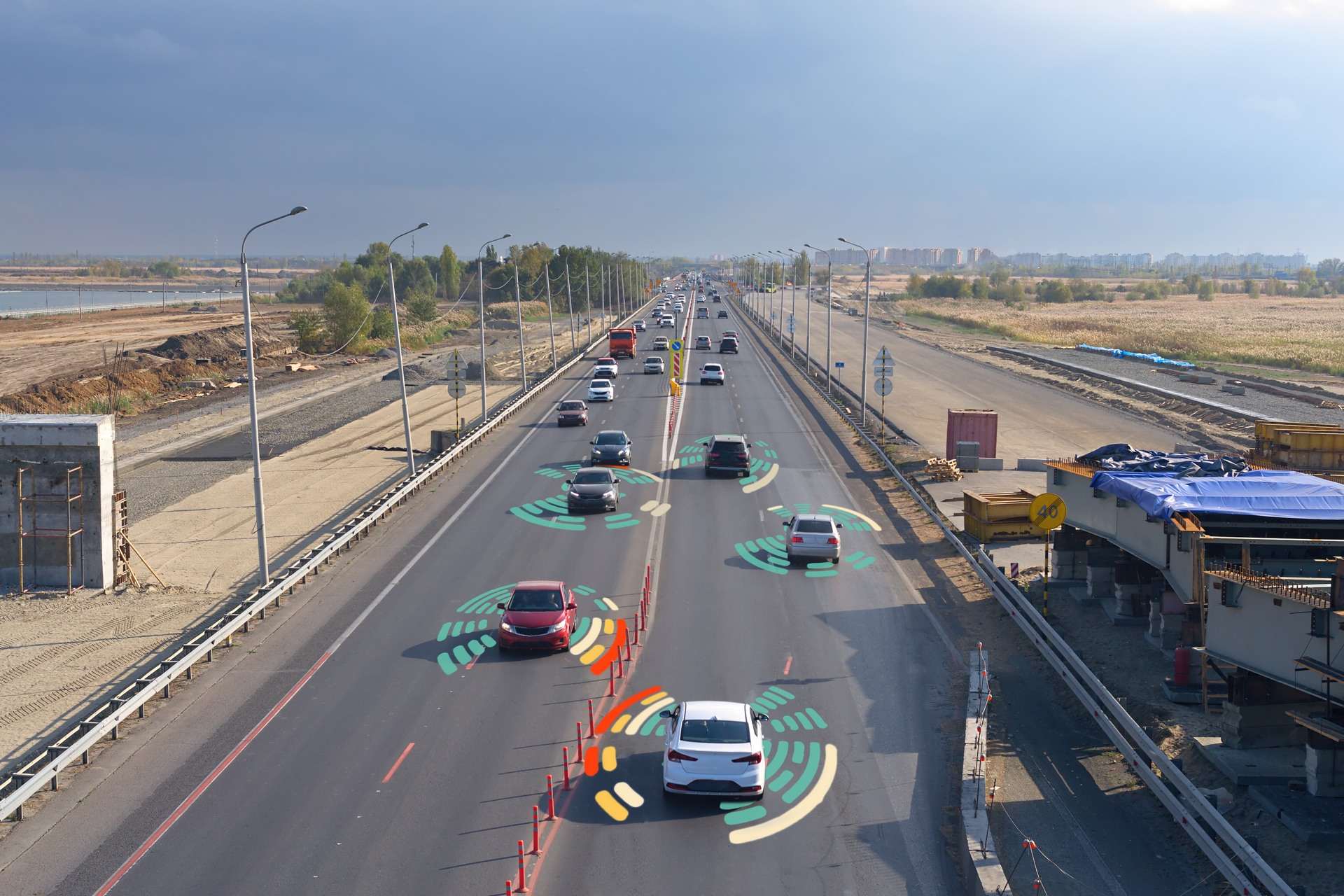
Autonomous vehicles are one of the cornerstones of intelligent transportation systems, or at least that is what the industry expects. Smart mobility will improve transportation efficiency, address urban logistics challenges, and enhance public safety.
The dream of self-driving cars is still maturing, ticking over silently. Advancements and tests contrast with the doubts surrounding this technology: will self-driving cars be capable of fulfilling the promise to reduce accident rates to anecdotal levels?
Understanding autonomous vehicles
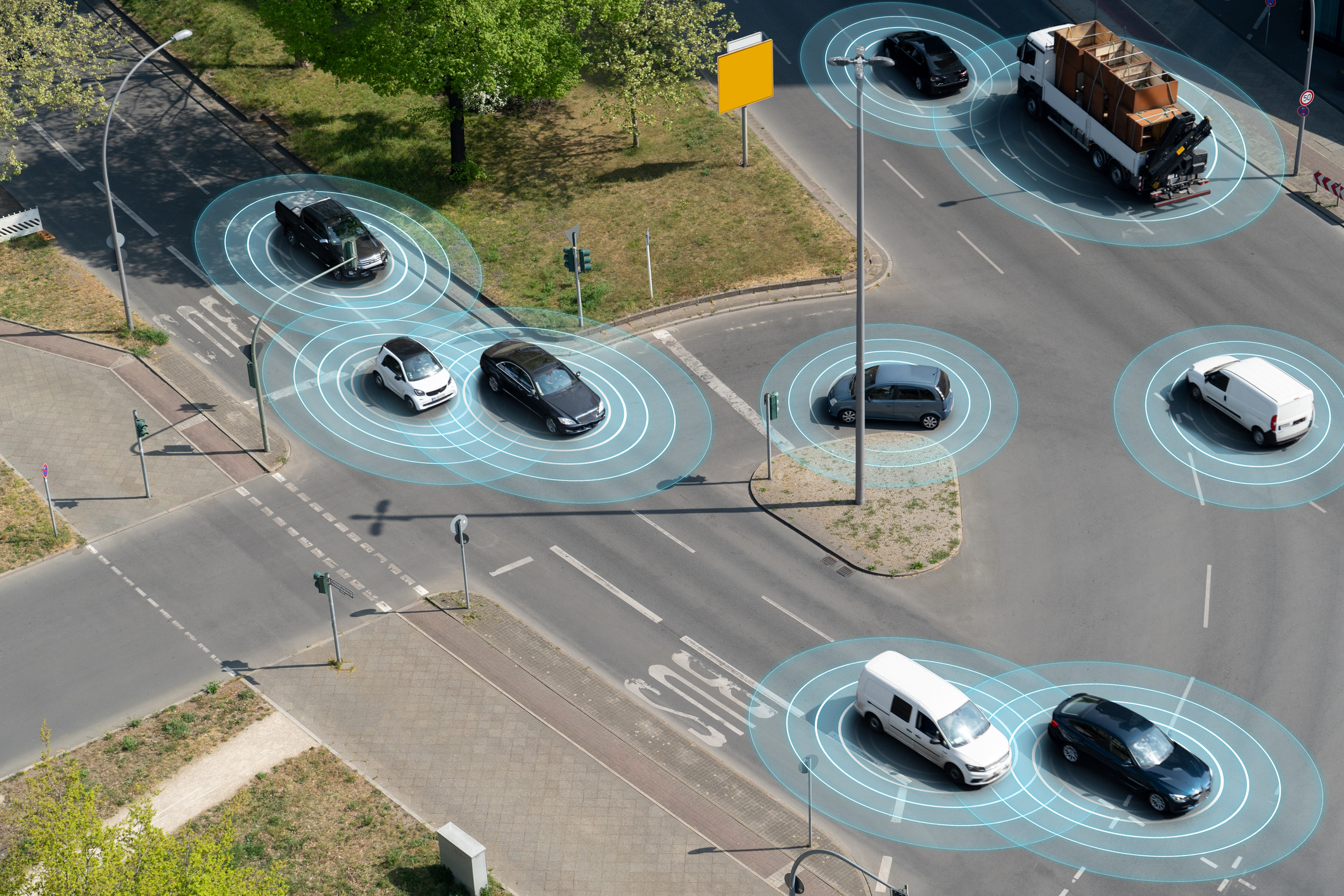
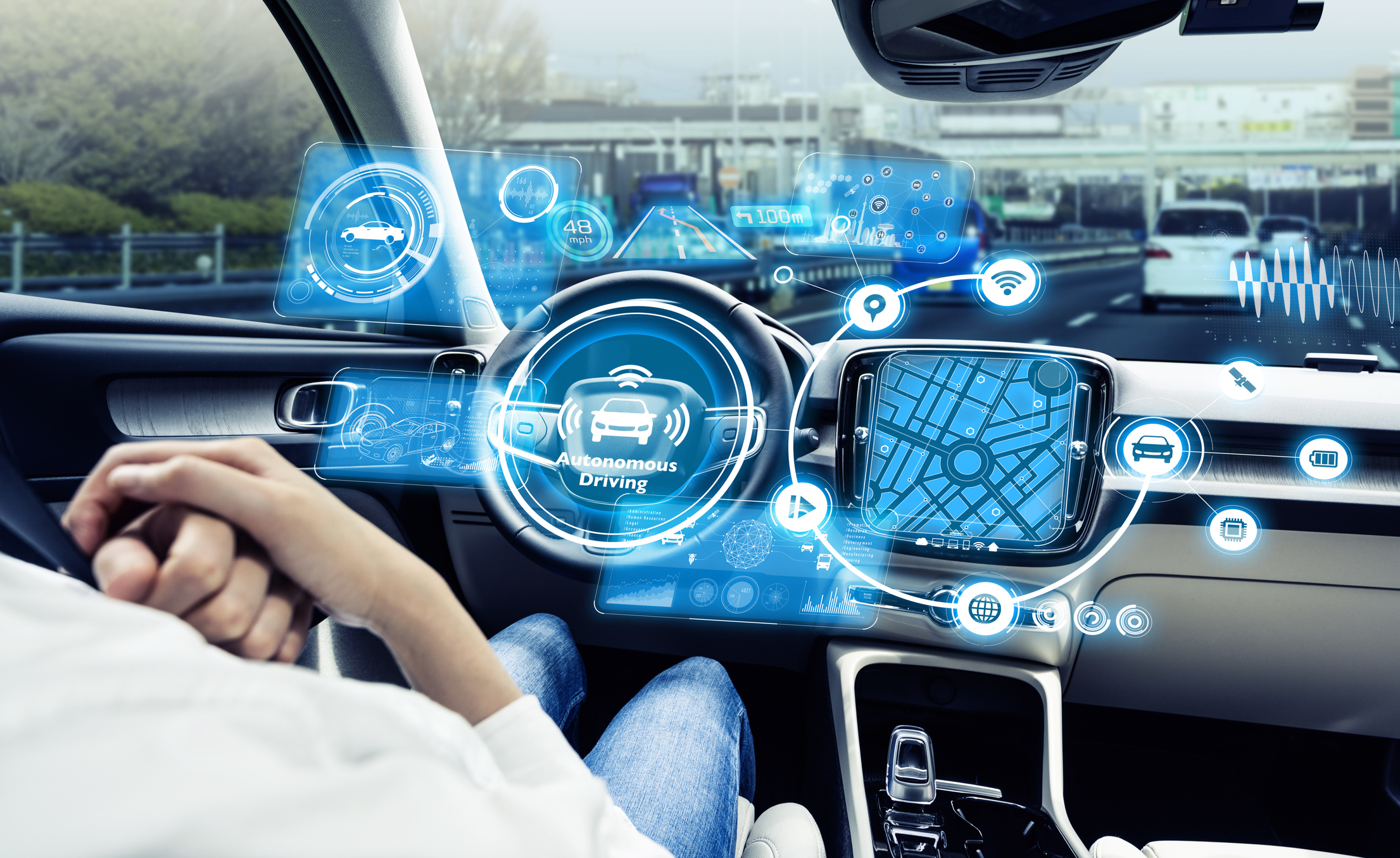
The next generation of vehicles set to shape the cities of the future, and increasingly appearing in today’s urban environments, will be connected, electric or low emission, and equipped with increasingly advanced driver assistance. The ultimate goal is to integrate as much technology as possible to enable autonomous driving, allowing vehicles to navigate roads without human control.
However, this has not yet become widespread. The automotive industry classifies vehicles using the SAE scale, which ranges from Level 0 (fully manual) to Level 5 (fully autonomous). In countries such as Spain, only autonomous vehicles up to Level 2 are currently permitted on public roads, except for specific pilot projects.
What is the likelihood of an accident in a self-driving car?
It is still very early days in terms of the development of autonomous vehicles to truly establish how much self-driving cars will reduce accidents. In this regard, legal advisory companies are somewhat pessimistic (without well-founded reasons in most cases) in terms of self-driving cars and their risks.
If we take a look at specialist lawyers experienced in road traffic law matters, they refer to unfavorable statistics for self-driving cars, with an estimated 9.1 self-driving car accidents per million miles driven in the United States. In turn, the average number of “human” accidents stands at around 4.1. However, these figures, greatly repeated in the sector, correspond to a study conducted in 2013. In other words, the figures are outdated.
Other legal sources also offer a forecast taking into account the three fatalities in the United States to date, associating this figure with the distance driven and comparing it to the average number of human-controlled vehicle accidents. Of course, self-driving cars clearly lose this bet.
It is worth noting that self-driving cars have remained in mid-development stage for a few years now and that, no matter how much we are bombarded with fears in relation to their reliability, not enough information has been collected to know what the accident rate will be at its peak. Even so, the issue is not always one of technology but also of how people perceive the safety of self-driving vehicles. Public opinion tends to assign greater responsibility to autonomous vehicles in the event of an accident than it would to a human driver under similar circumstances.
That said, early pilot programs and real-world experience have already highlighted areas where intelligent transportation systems still need to improve to enhance public safety, reduce accidents involving self-driving vehicles, and strengthen public confidence in autonomous technology. A study by the University of Florida found that autonomous vehicles are safer overall than human-driven vehicles because they are involved in fewer crashes. However, they perform less effectively in low-light conditions at dawn and dusk and when making turns.
Autonomous driving present and future

It will still be a few years before we see the commercial eruption of fully autonomous driving or what is known as level 5. During this time, manufacturers still have to overcome a series of obstacles. However, in some parts of the world, particularly in various North American cities, the number of experimental trials and projects with technologies at that level have almost multiplied.
In addition to the uncertainty regarding the definitive takeoff, there are issues in terms of driver assistance systems and automatic pilots already being introduced by manufacturers in their vehicles and which tend to get confused, as reported on numerous occasions by organizations such as Euro NCAP.
What we do know is that, according to the National Highway Traffic Safety Administration (NHTSA), human error accounts for 94% of all accidents. In this regard, there are great hopes that the number of victims will be reduced with autonomous driving. Studies suggest all types of figures, from the complete eradication of that 94%, to more pessimistic reports (by insurance companies) that calculate a reduction of around 35%.
How to regulate self-driving cars?
Regulation is a key factor in the development of autonomous vehicles. It will not be long before the various legal regulations have to take a stance in terms of what will happen with criminal and civil liability.
That is why, in the United States, a country in which case law has a significant influence, legal professionals are preparing for a likely legal battle between technology suppliers, insurers and victims, which will be a determining factor for the future of self-driving cars. Because, in the U.S. legal experts fear the complexity of this matter and are patiently working on establishing definitive criteria regarding who will be responsible for the mistakes of self-driving cars.
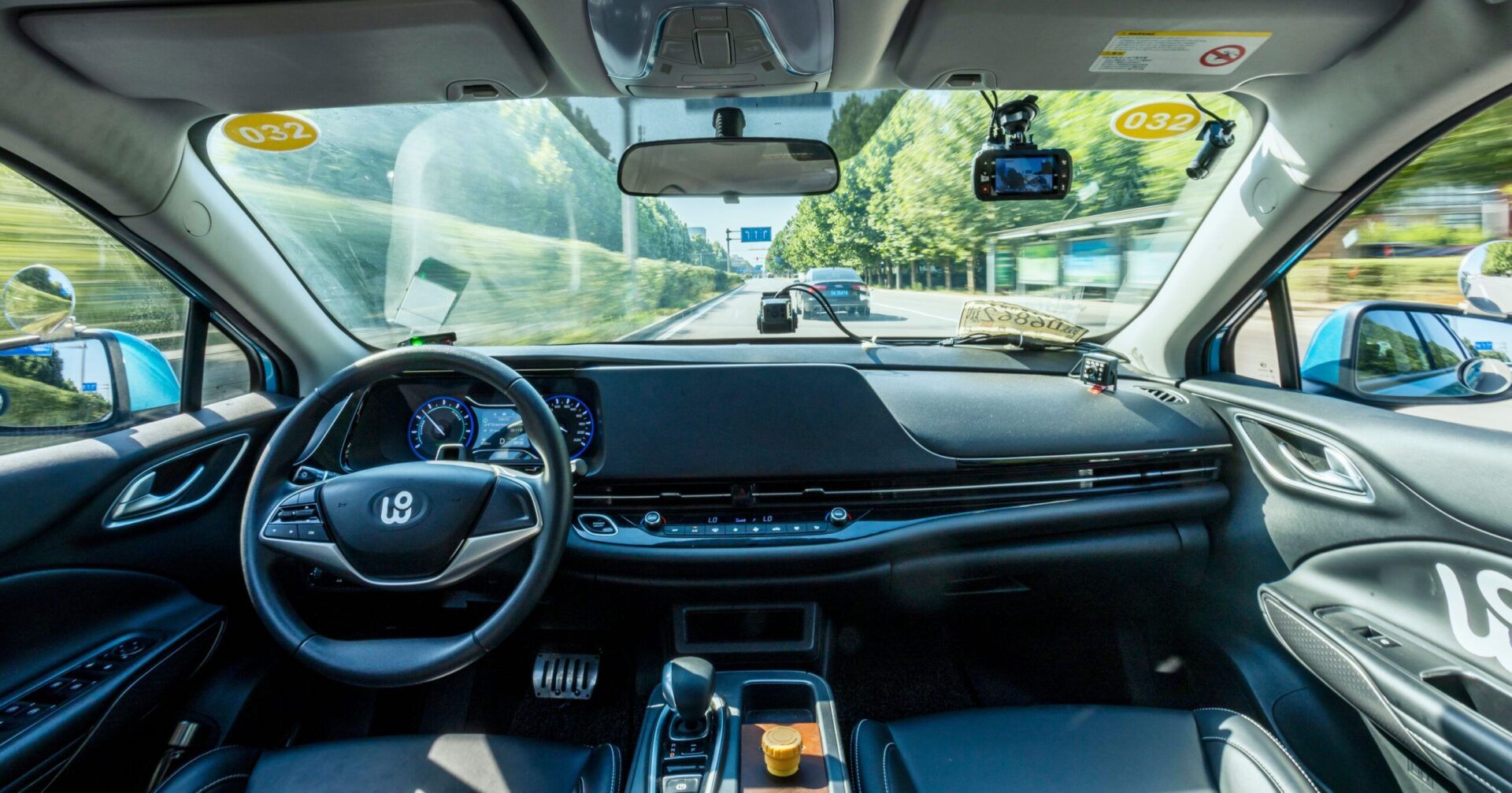
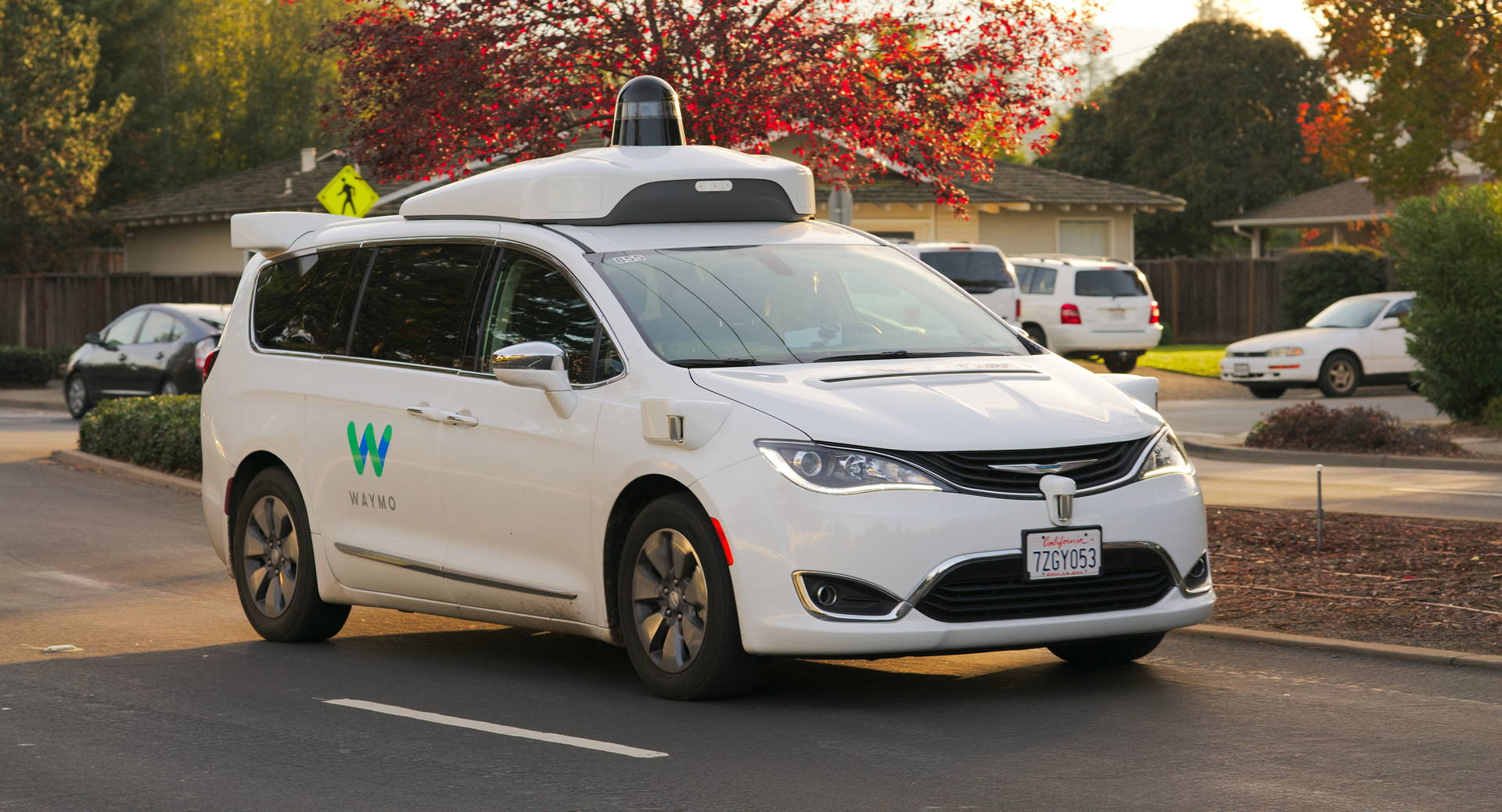
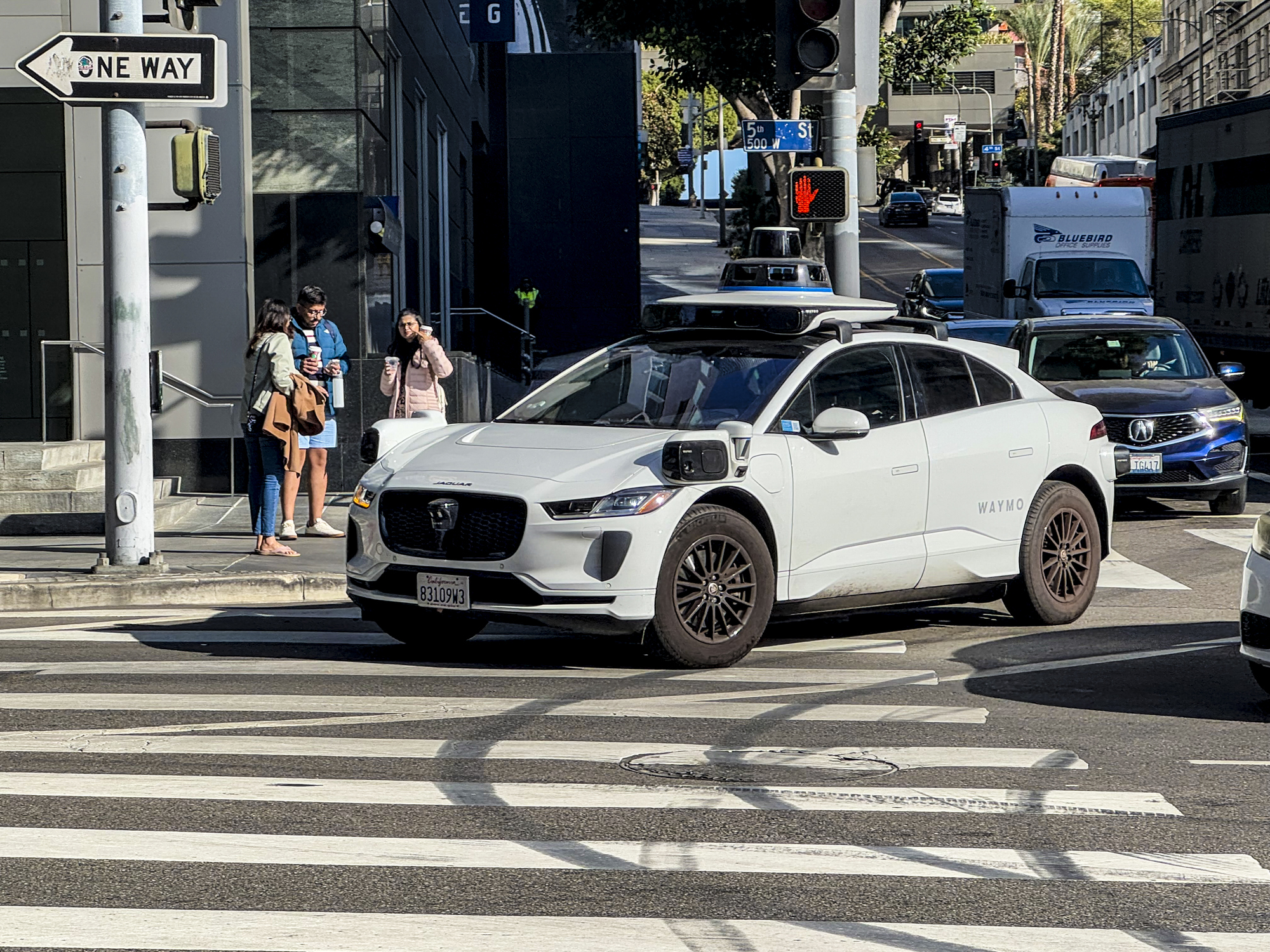
According to TechCrunch, about 1,400 autonomous test vehicles operated by 80 different companies were on U.S. roads in 2019, the vast majority of them in California. In 2026, there are already around 3,500 autonomous vehicles operating across a growing number of U.S. states beyond California. Waymo alone, one of the companies testing autonomous driving technology, completes more than 500,000 trips each week with its fleet of all electric autonomous taxis.
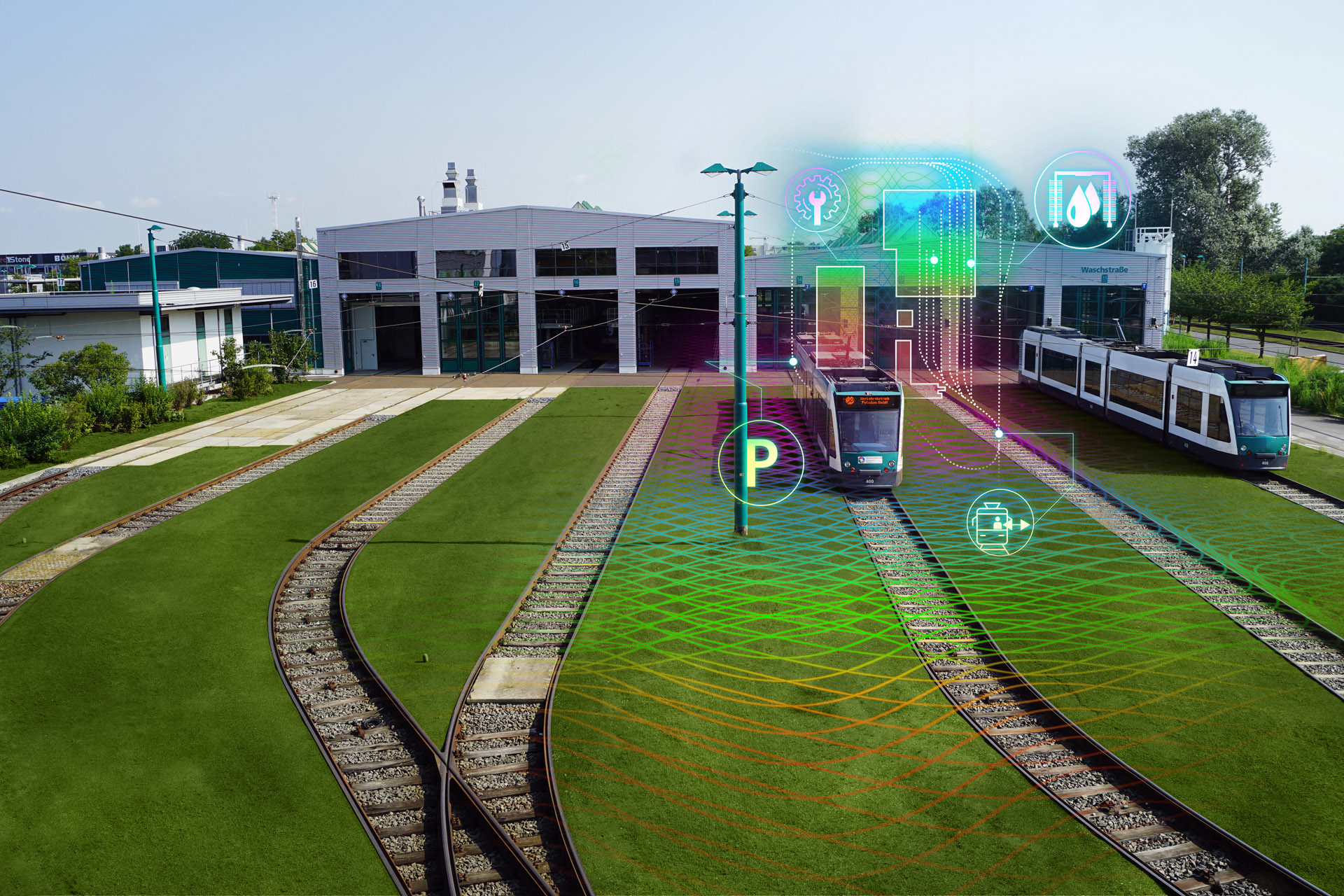
In Europe, manufacturers are awaiting clear, harmonized regulations for the sector, as highlighted in ANFAC’s Fourth Autonomous and Connected Vehicle Barometer. Nevertheless, framework programs introduced in several countries have already enabled pilot projects to test the capabilities and potential applications of autonomous vehicles. One of the most prominent examples is autonomous buses, such as the pilot program in Milton Keynes in the United Kingdom. Autonomous tram projects are also being tested.
At the same time, multinational companies are expanding the deployment of autonomous vehicles and intelligent driving systems across a wider range of environments. Uber already operates autonomous vehicles in several cities across the United States and the Middle East and plans to expand further during 2026, adding cities in Asia and Europe to its network.
A moral self-driving car
In terms of the liability dilemma, it is not just a case of establishing the blame in the event of an accident, but of reflecting on decision making. One of the livelier aspects of the debate in recent years has been about how a self-driving car should act if it finds itself in a dilemma in which, no matter what it does, it will cause harm to a human being.
In this regard, the following experiment is interesting: “The Moral Machine“. This gathered a human perspective from two million people in 233 countries on how a car should respond to these types of tricky situations. Given the complexity of the solutions, those responsible are set on developing legal frameworks adapted to each area and, particularly, on equipping motorized intelligence with a moral intelligence that emulates human intelligence. It will not be easy.
Frequently Asked Questions
What is, and what is not, an autonomous vehicle?
An autonomous vehicle incorporates self-driving technology. The industry uses the SAE scale, which ranges from Level 0 to Level 5, to indicate the degree of automation. Level 0 refers to fully manual driving, while each successive level represents a higher degree of automation. Parking assistance systems with camera displays, for example, are among the basic features found at the lower end of the scale. The ultimate goal is a fully autonomous vehicle that can drive without human intervention, thanks to intelligent transportation systems.
Are autonomous vehicles really safe?
That is the key question raised by researchers and one of the public’s main concerns. Statistics indicate that autonomous vehicles have a lower accident rate. The United Kingdom updated its regulations to allow autonomous vehicles on public roads in 2026, and its Department for Transport stated that the change could reduce human error, which accounts for 88% of traffic accidents.
Does the shift to smart mobility introduce new safety risks?
The most obvious concern is that an autonomous vehicle may fail to make the right decisions, but that is not the only risk. As transportation becomes increasingly digital, issues such as cybersecurity threats also come into play. The industry, however, maintains that it already operates under the highest cybersecurity standards to minimize those risks.
Are there urban mobility projects underway that will bring autonomous vehicles to more places?
Although cities in the United States were the first to introduce commercial autonomous vehicle services, they are no longer the only ones. During this year, for example, driverless taxi services are expected to launch in Madrid, London, and Zurich.
Are we only talking about cars?
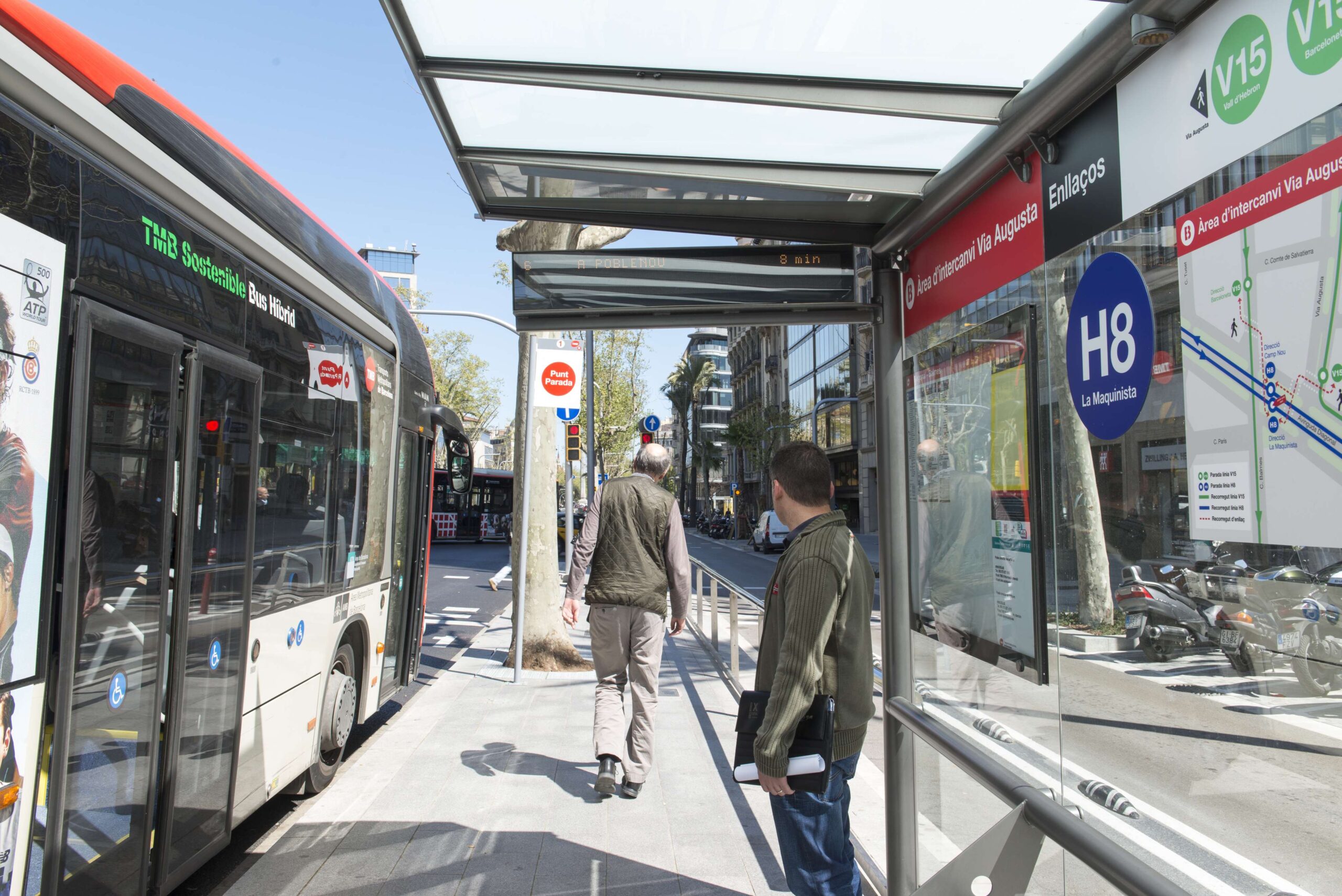
No. Pilot programs are already testing autonomous driving technology to address a wider range of urban mobility challenges. Several projects are experimenting with public transportation systems, including autonomous buses. During the past academic year, the University of Vigo in Spain successfully tested an autonomous shuttle bus on its campus, while also using the project to evaluate next generation mobile connectivity.
Images | Waymo, P_Wei/iStock, IGphotography/iStock, gorodenkoff/iStock