Table of Contents
Author | Elvira Esparza
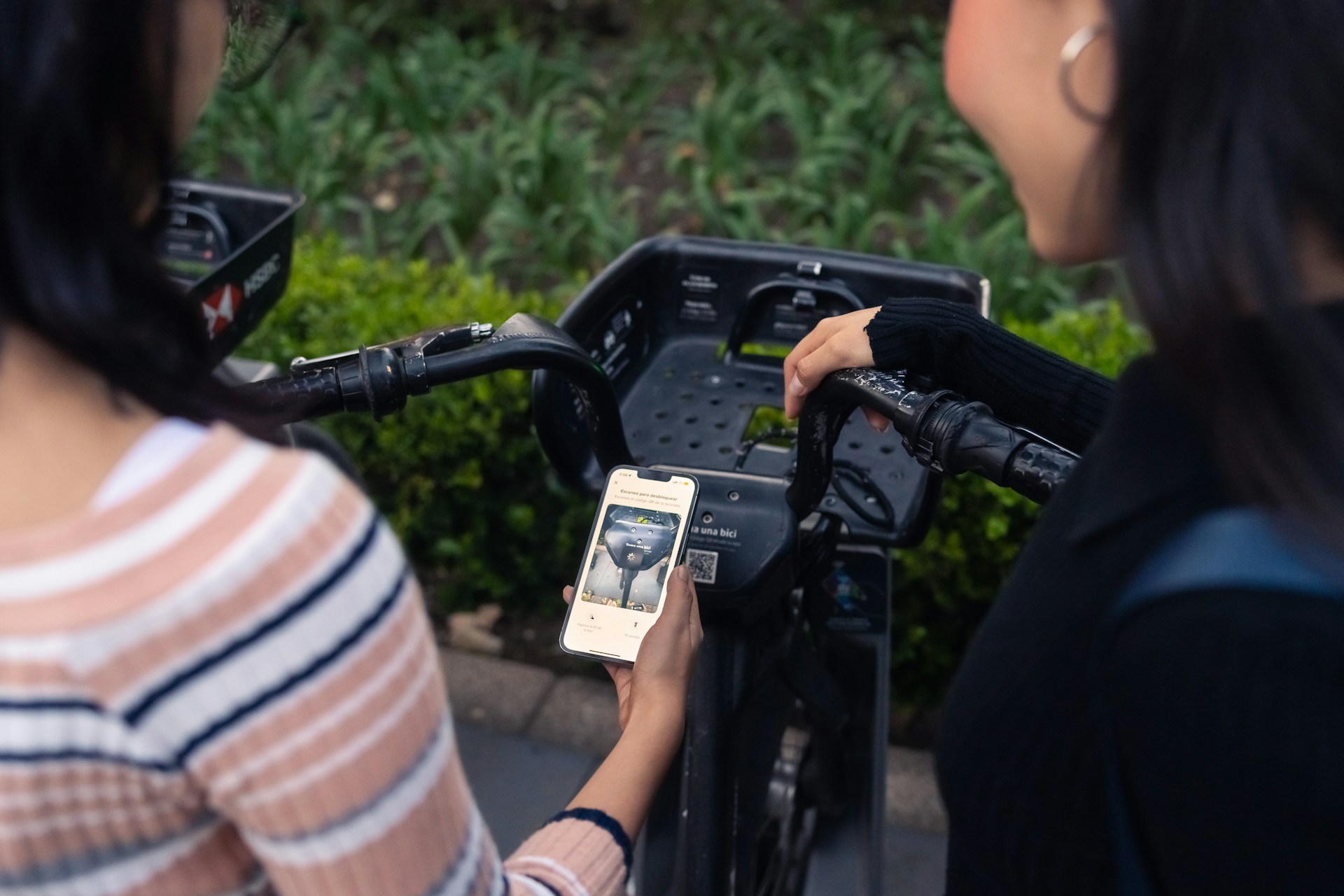
Mobiles have become an essential tool in our daily lives. Their use for paying public transport fares has facilitated the integration of various transportation modes, enhancing the overall user experience. Their adoption as a means of accessing Low Emission Zones has helped improve urban traffic flow and reduce pollution.
The integration of mobile ticketing in transportation has been widely adopted in many cities, replacing physical tickets and transport cards. A further advancement in smart transport management is the integration of mobile ticketing into a multi-modal public transport system, improving efficiency and reducing pollution.
The same objective drives the creation of Low Emission Zones (LEZs) in cities, where the most polluting vehicles are restricted. Mobile devices have also become essential for controlling access to LEZs and for paying tolls or congestion fees implemented in certain cities.
What smart solutions are being used in LEZs?
In Spain, the Law on Climate Change and Energy Transition established the obligation to create Low Emission Zones in towns with over 50,000 inhabitants in 2023, aiming to reduce air pollution. Despite the potential for regulations governing LEZs to impact over 149 cities, their implementation has yet to be realized in many towns.
To help residents identify cities with defined LEZs and their driving restrictions, a range of specific smart solutions have been developed. To ensure non-authorized vehicles do not enter these zones, mobile apps have been implemented to simplify management and provide easy access to the 49 towns that currently have established LEZs.
- Bip & Drive. This features an interactive map that provides real-time information on LEZs, access restriction times, permitted vehicles, and alternative routes for unauthorized vehicles. It also identifies dissuasive car parks and allows direct access to car parks through Via-T technology. By simply entering the vehicle license plate, users can access all relevant information.
- Green Zone. This app allows drivers to check if they can access LEZs in Spain and other European countries. By entering the vehicle type, registration number, and fuel type, the app indicates whether access to the area is allowed, as requirements vary across different zones.
- Google Maps. This includes an alert feature that notifies drivers when their vehicle enters a Low Emission Zone during route planning, helping to avoid fines if access is not permitted. It also provides alternative routes to reach the destination without entering a Low Emission Zone. This feature is already available in Madrid and Barcelona and numerous European cities: Paris, Montpellier, Rome, or Munich.
License plate recognition
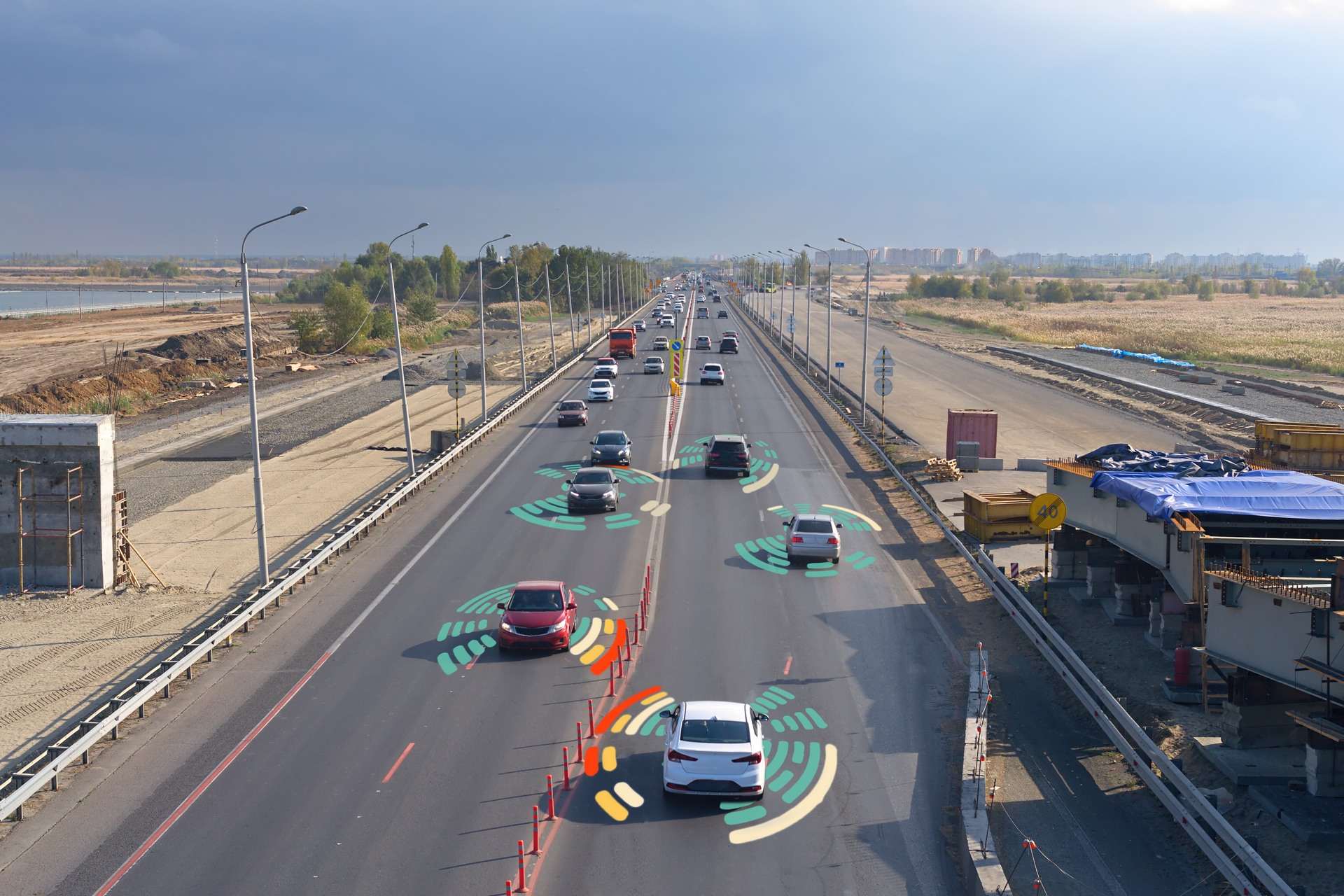
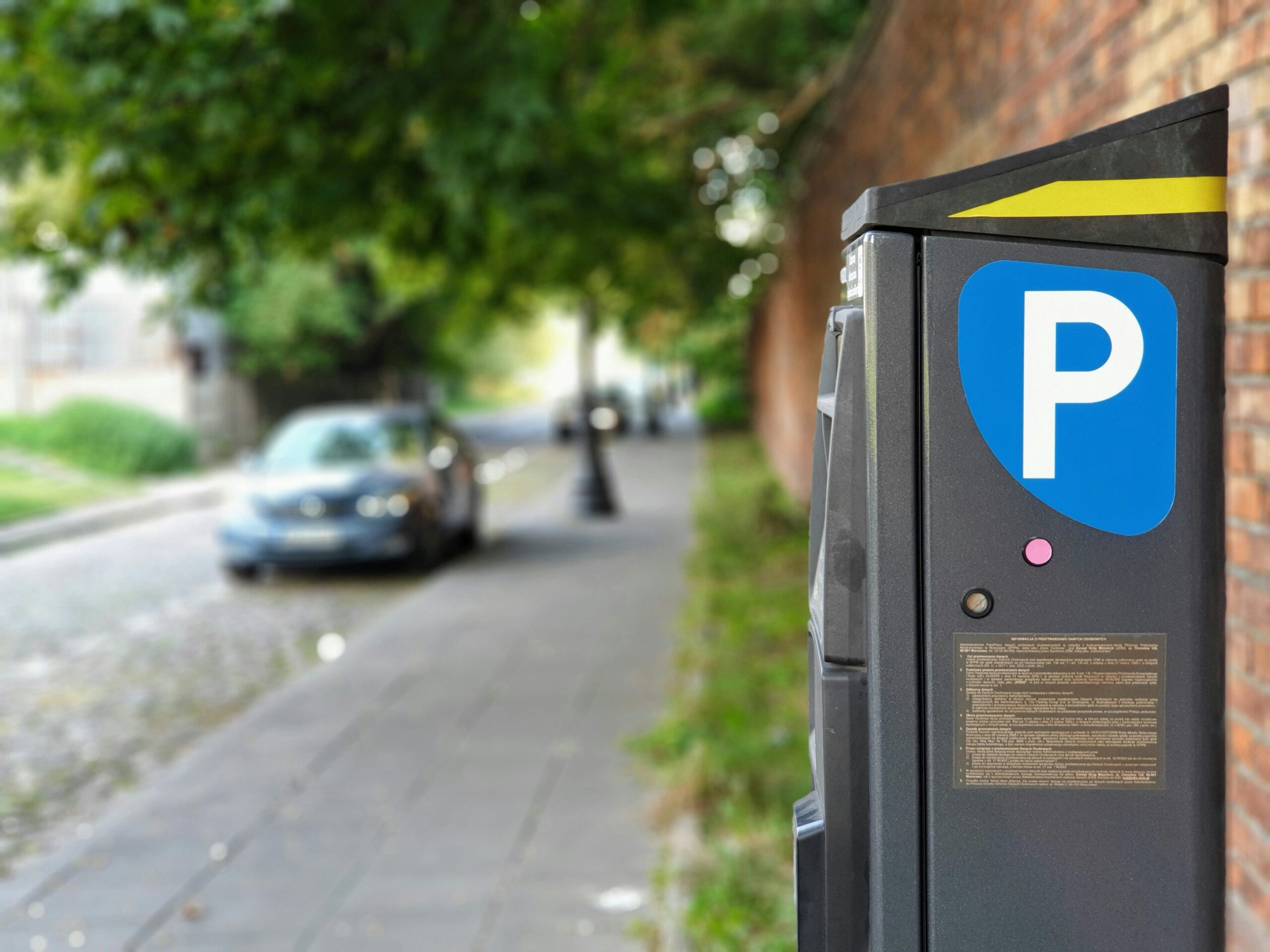
City councils have also implemented solutions to control access to LEZs. License Plate Recognition (LPR) is one of the advanced tools used to capture license plate images and identify vehicles, determining whether they are permitted access to a LEZ. This system employs high-resolution cameras and image processing algorithms to capture and verify license plates in real time.
If vehicles are not authorized to enter these zones, automatic fines are generated and issued. The license plate recognition system enables cities to effectively monitor and control access to LEZs, enhancing traffic efficiency and contributing to the reduction of air pollution.
How do LEZs function in some countries?

In Europe, the first Low Emission Zone was established in Stockholm in 1996. Today, there are over 300 LEZs across Europe. Entry to these zones is either banned for the most polluting vehicles or a toll is imposed for access.
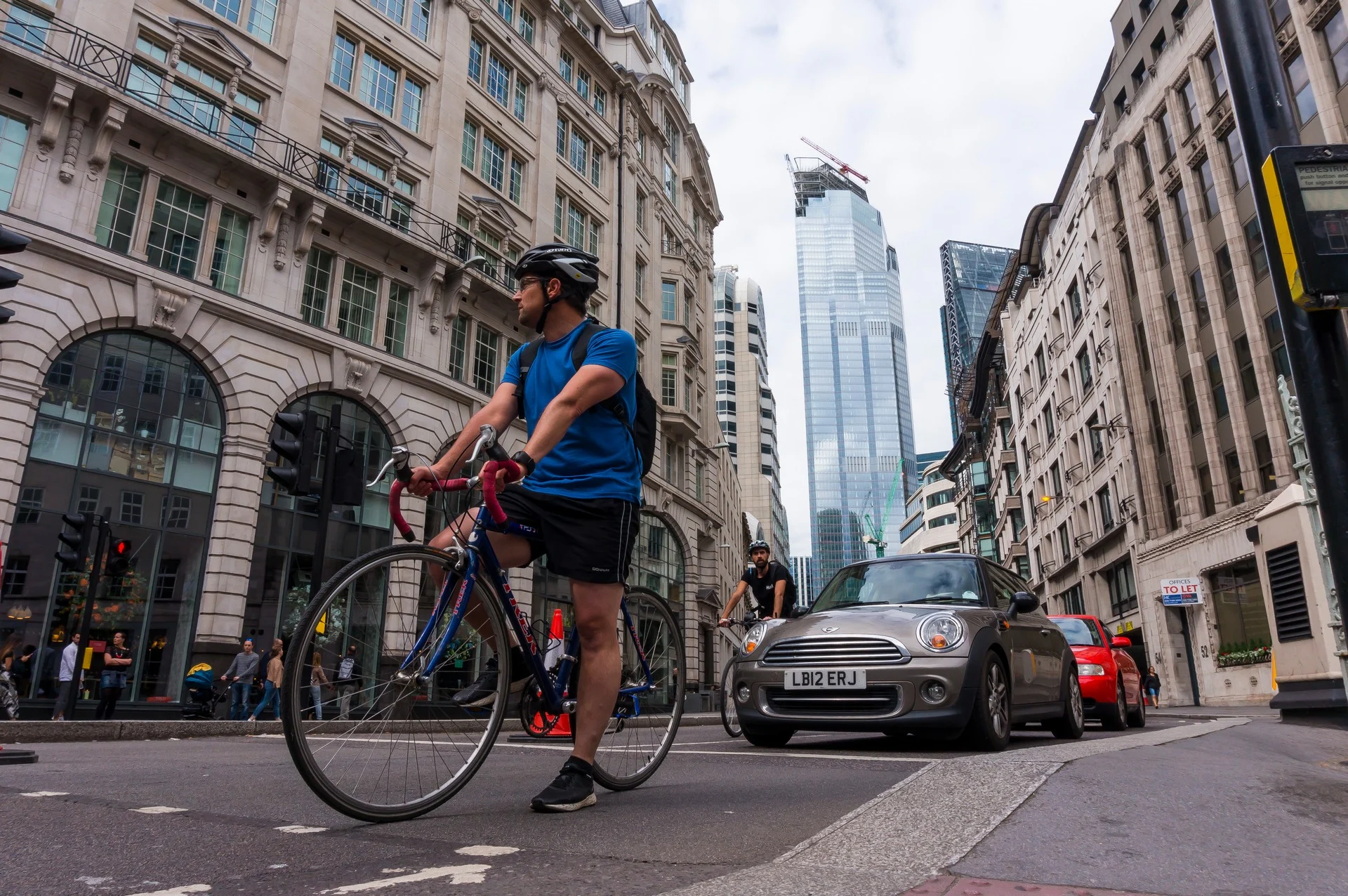
- London established LEZs in 2008, which have since been expanded into four distinct types, covering the entire city with varying restrictions. To drive within the restricted areas, a daily congestion charge or tariff of approximately €17 must be paid. The license plate recognition system allows for effective monitoring of vehicles entering LEZs. Toll payments can be made online, via automatic payment, through the Congestion Zone app, or over the phone. This system has helped reduce both traffic congestion and pollution.
- Stockholm, a pioneer in the creation of LEZs, also uses an electronic system for toll payments or congestion fees for all vehicles accessing the city center. This is a variable charge that increases during peak traffic congestion hours. The revenue generated from the toll is reinvested into public transport infrastructure.
- Milan’s Area C is a combined urban road toll and low emission zone where only less-polluting vehicles are allowed access. Entrance tickets can be purchased online, at ticket machines or parking meters.
- Oslo is divided into three rings, with higher toll rates for diesel cars and reduced rates for electric vehicles, which vary depending on the time of day. You need to register for automatic toll payments to be processed.
Driving restrictions in Low Emission Zones, combined with the implementation of access tolls, have contributed to more efficient traffic management and a reduction in air pollution in these cities.
Images | Alena Kravchenko/istock, Diego Megía