



Table of Contents
Author | Raquel C. Pico
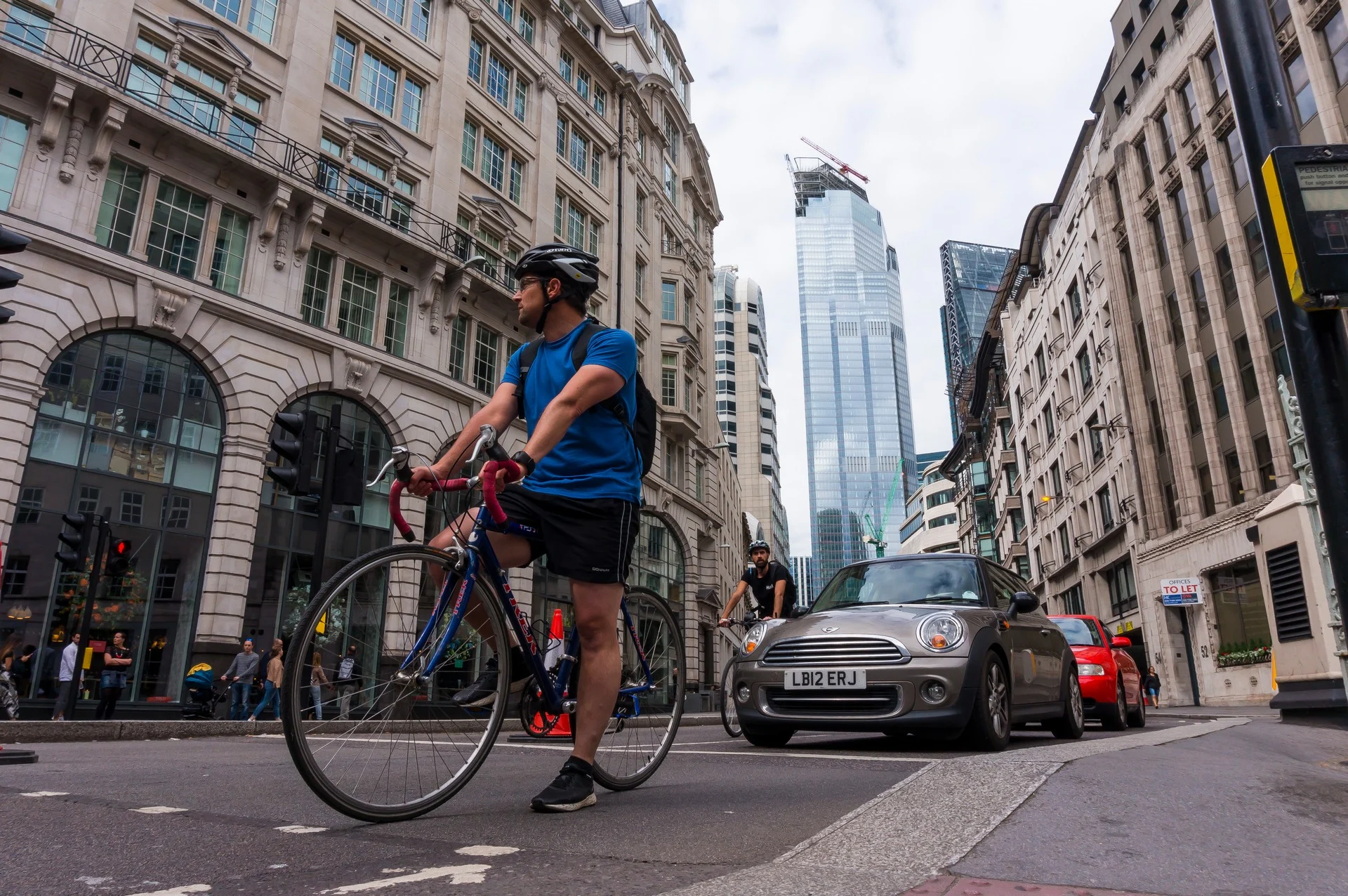
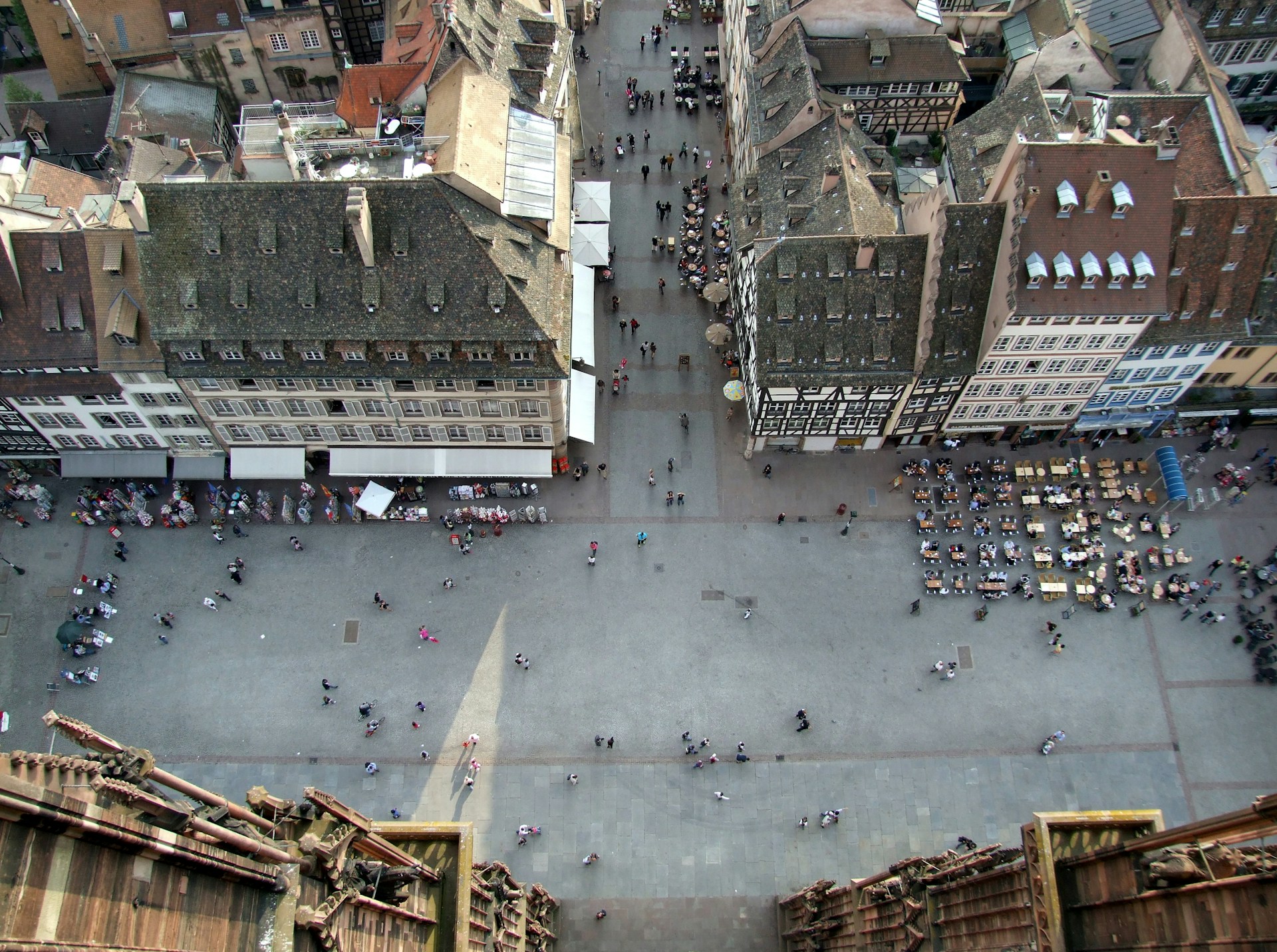
When analyzing how people move around cities, an interesting pattern emerges: most trips involve traveling short distances. In fact, according to statistics from Sorbonne researcher Carlos Moreno (the theorist behind the 15-minute city), most urban journeys made by car are less than 5 km. The major difference around the world lies in how these distances are covered, an increasingly important consideration as efforts are made to decarbonize transportation. Micromobility relies on electric vehicles or those that require no external power (for example, a bicycle propelled solely by human power) to cover these short distances.
The idea is not exactly new, although its development has followed a somewhat uneven path. Years ago, it was noted that micromobility was struggling to take off, because cities had yet to firmly establish the associated public service systems. Those that did, such as Madrid, Paris, and New York with their bike-sharing systems, have enjoyed considerable success, both among the public and as a fundamental part of their smart transportation systems.
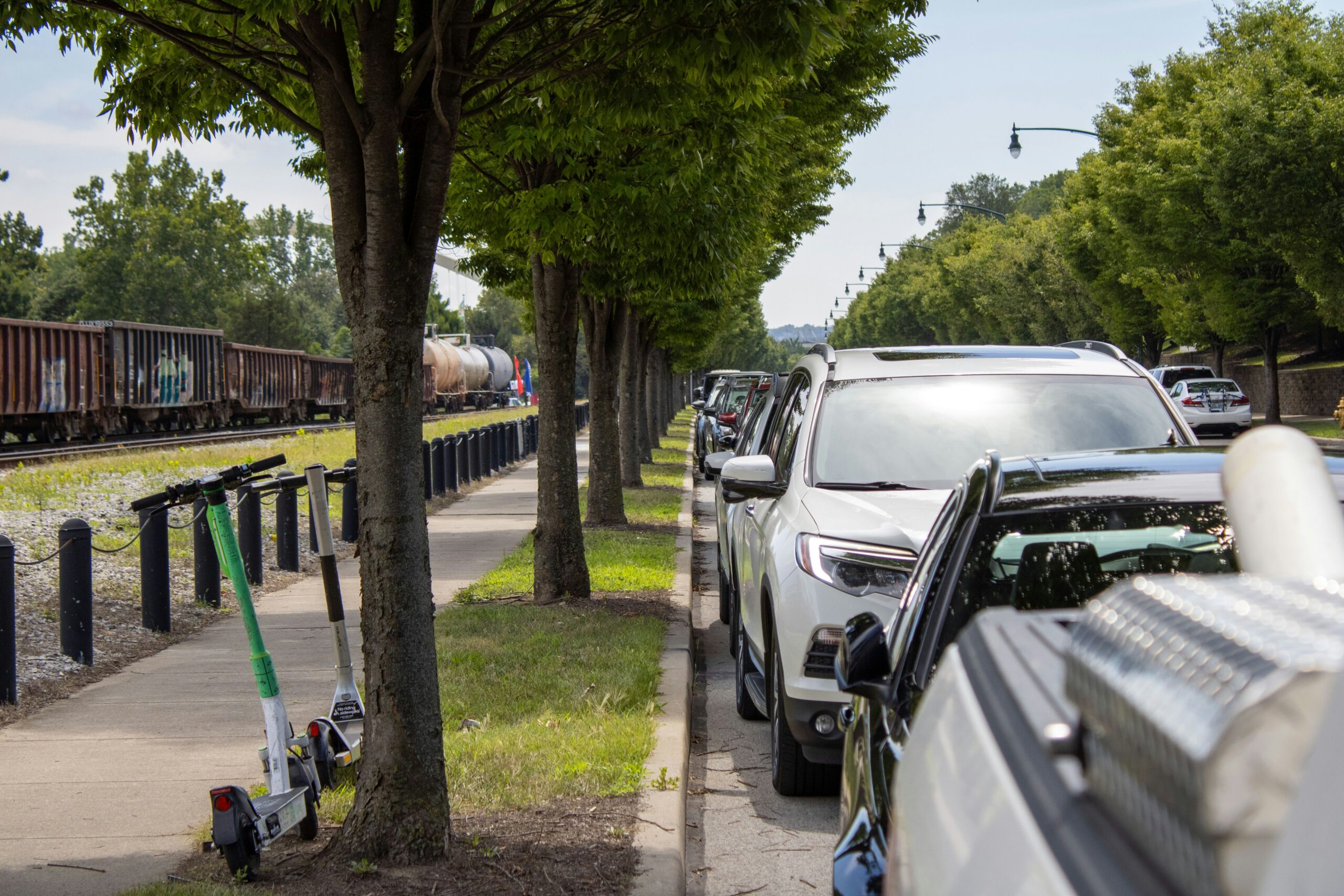
Micromobility matters for everyday life, but also for addressing last-mile challenges and as a connectivity component within a much broader, multimodal transportation system.
Micromobility and high-speed rail

This is precisely where it connects with high-speed rail. In a sense, the two reinforce and complement each other. Micromobility integrates with high-speed rail to create a truly multimodal transportation network. In other words, people can make a door-to-door journey, easily switching from one mode of transportation to another, generally thanks to smart infrastructure systems that reduce friction and travel times.
Rail transportation plans themselves are well aware of this. In late 2025, when the European Commission highlighted the importance of improving cross-border connectivity through high-speed rail networks and thereby reducing dependence on fossil fuels, it emphasized the role not only of rail infrastructure managers but also of cities. Getting to the train needed to be simple and accessible. Public transportation needed to be more attractive than traveling by car (or, in this case, by plane). A multimodal transportation strategy was essential, something rail advocacy groups have long been pushing for as well.
For train travel in particular, it is precisely this final stage of the journey that makes it more attractive. The last mile is crucial, both to avoid bottlenecks and to make rail an appealing option for the public. The ability to reach home or a final destination quickly compared with other modes of transportation, such as air travel, with airports generally located farther from city centers, is one of the major advantages of rail.
How to design this shared mobility
Cities therefore need to approach the issue somewhat holistically, combining long- and short-distance travel. Connectivity is essential. As a study by researchers from several British universities points out, “mobility hubs are interventions that promise integrated multimodality in enhanced infrastructure settings.” In doing so, they can “replace private car usage or ownership.” Put simply, you do not need your own car because the system meets all your transportation needs. Through a smart mobility strategy, cities can free up their streets and make them calmer and less dominated by traffic.

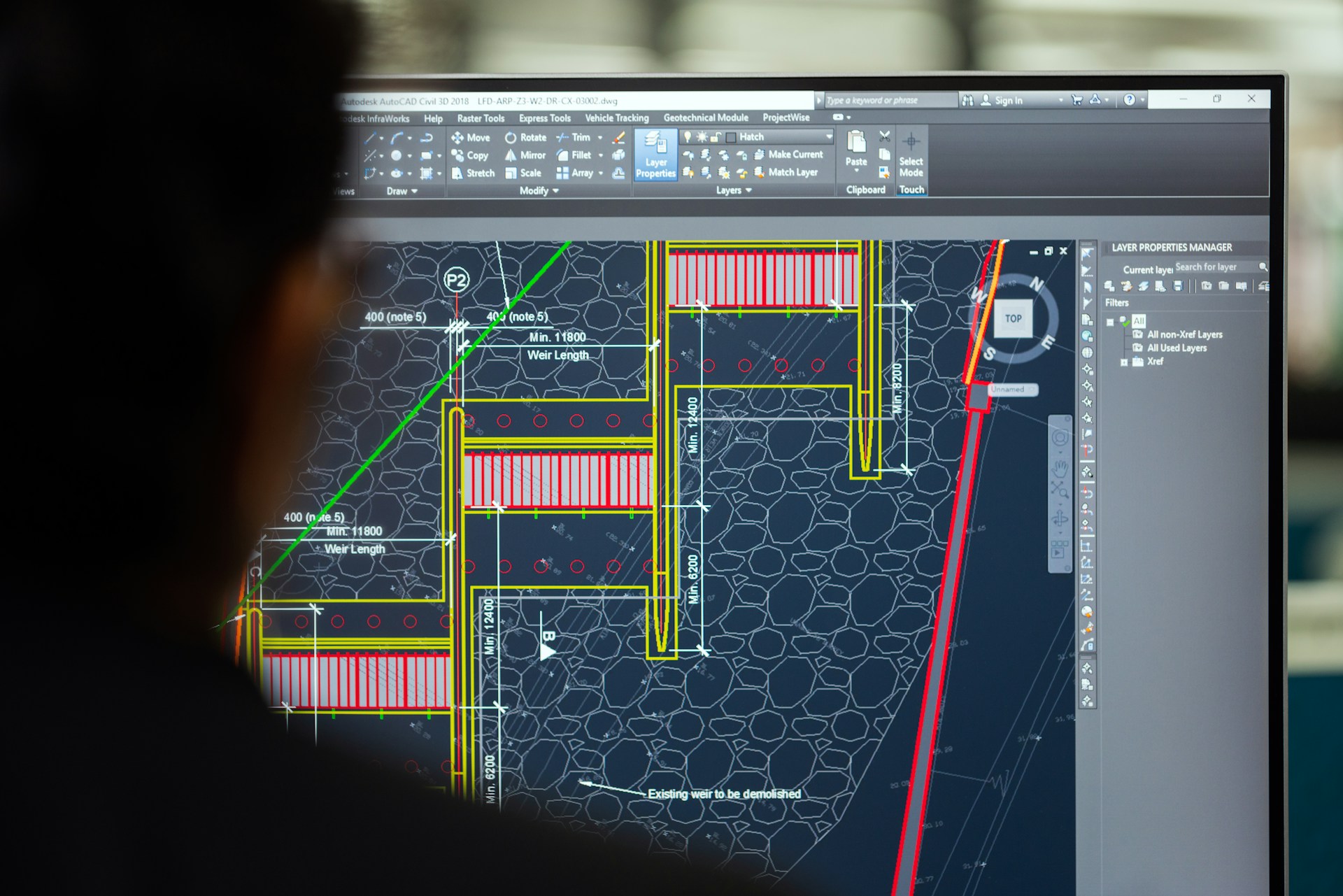
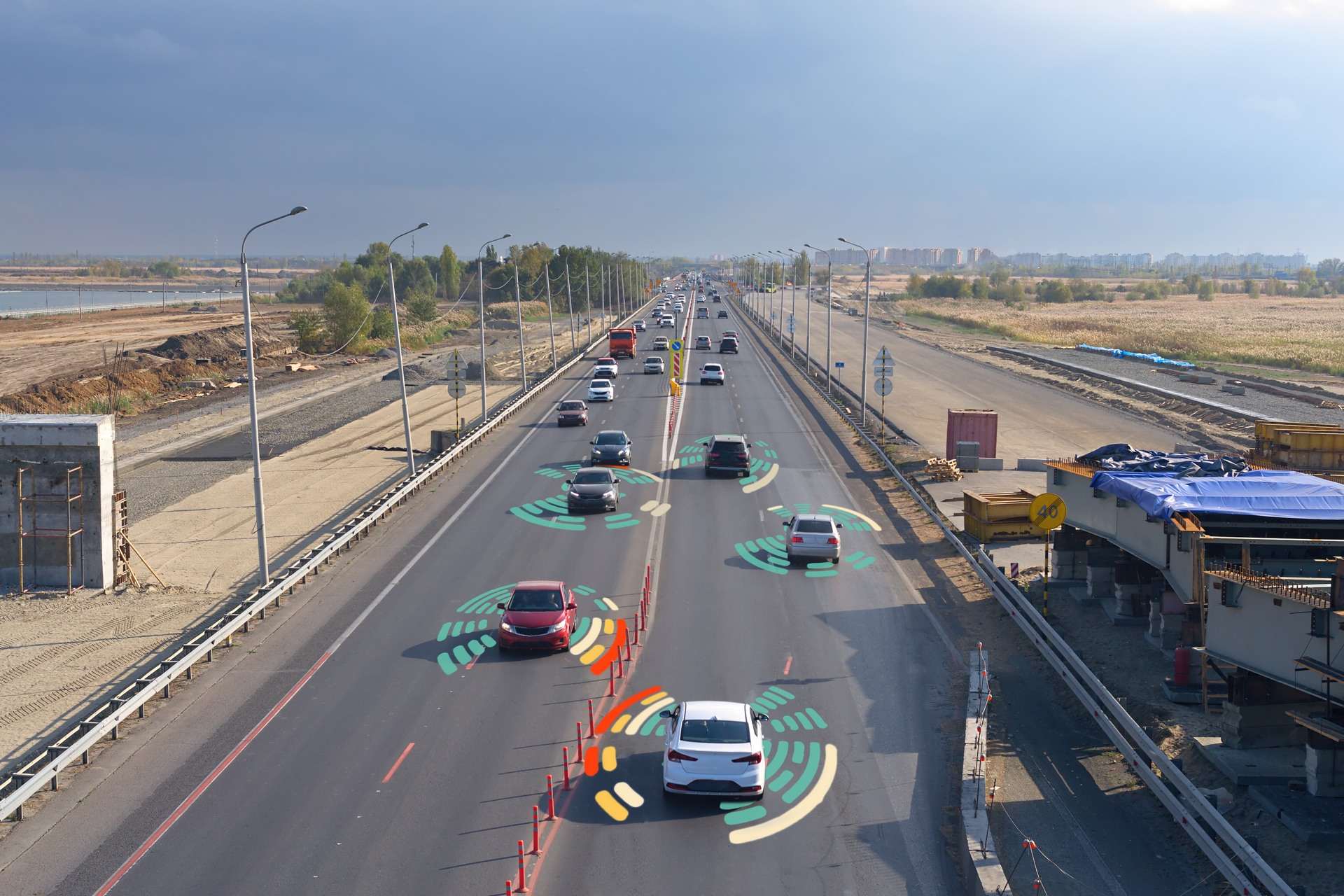
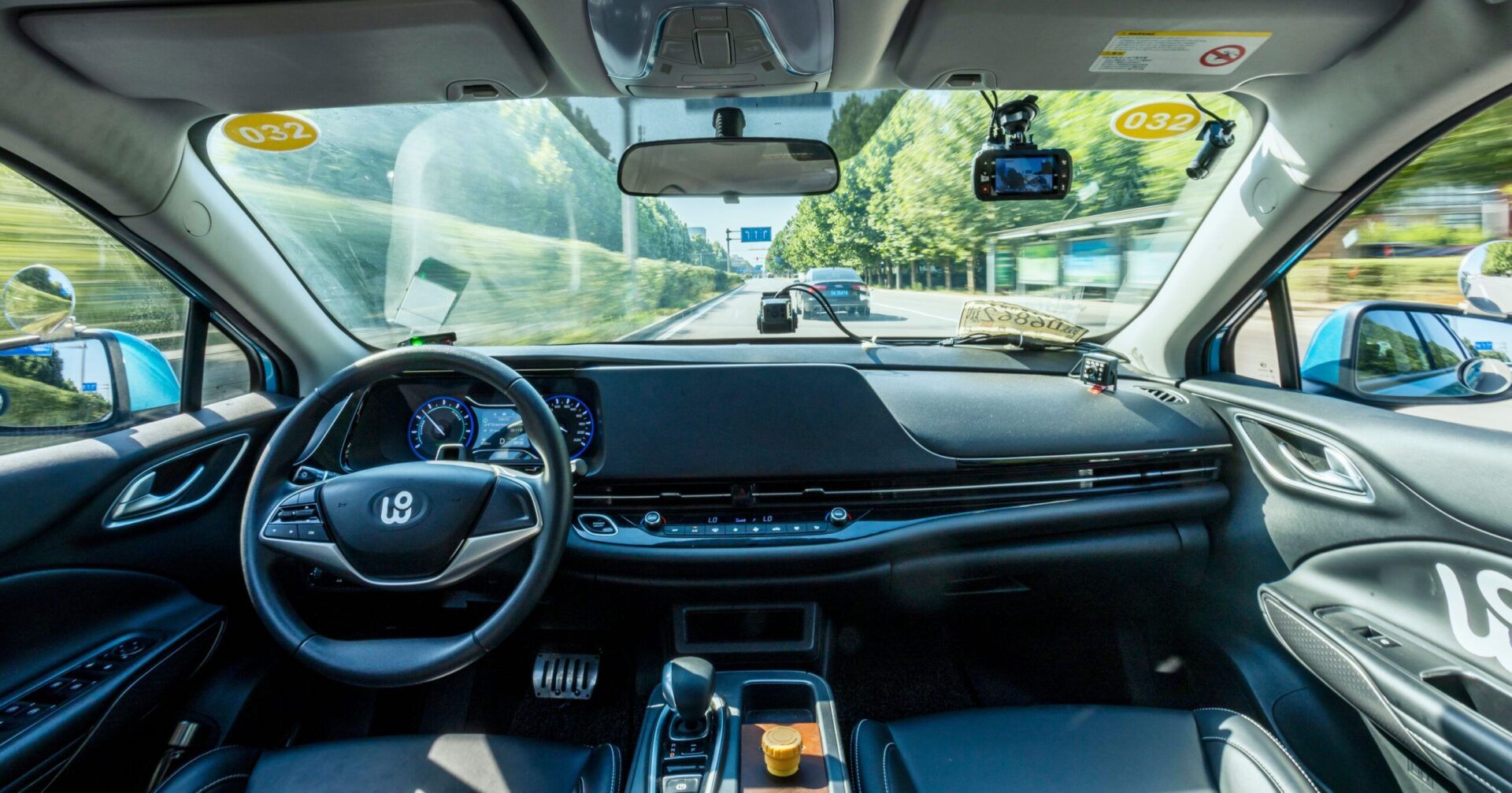
A key part of this is understanding the population’s actual mobility needs, how travel times can be reduced and efficiency improved, and how full accessibility can be achieved so that no one is excluded from the public transportation system. This is where intelligent transportation systems are essential, as technology can help develop and implement these plans. Smart infrastructure collects real-time data, monitors conditions, and identifies problems through IoT, AI, and automation. Technology can also simplify access for end users, from helping them plan routes to enabling them to find the most appropriate micromobility solutions.
This frictionless mobility offers multiple benefits for the public. Beyond saving time, it can also save money, since transportation costs go beyond the journey itself. There is no need to pay for a car or fuel, for example. At the same time, connectivity provides a degree of peace of mind by ensuring that mobility options are available and improving access to transportation systems for all segments of the population.
Frequently Asked Questions
How are micromobility and high-speed rail connected?
One begins where the other ends, and together they reduce travel times or make journeys more convenient: the trip from the station to the final destination (or vice versa) is made by bicycle or other electric vehicles, while travel between stations is by high-speed train.
Are new models or pilot programs being tested?
Yes. There are various projects aimed at integrating micromobility and rail transportation. One project by Alstom and Decathlon aims to integrate scooters and bicycles into stations and trains to make combining these modes of transportation much easier. It explores everything from how train cars could be designed with spaces that better accommodate bicycles to reservation systems that would allow passengers to have a bike waiting for them when they arrive.
What is the next frontier for micromobility?
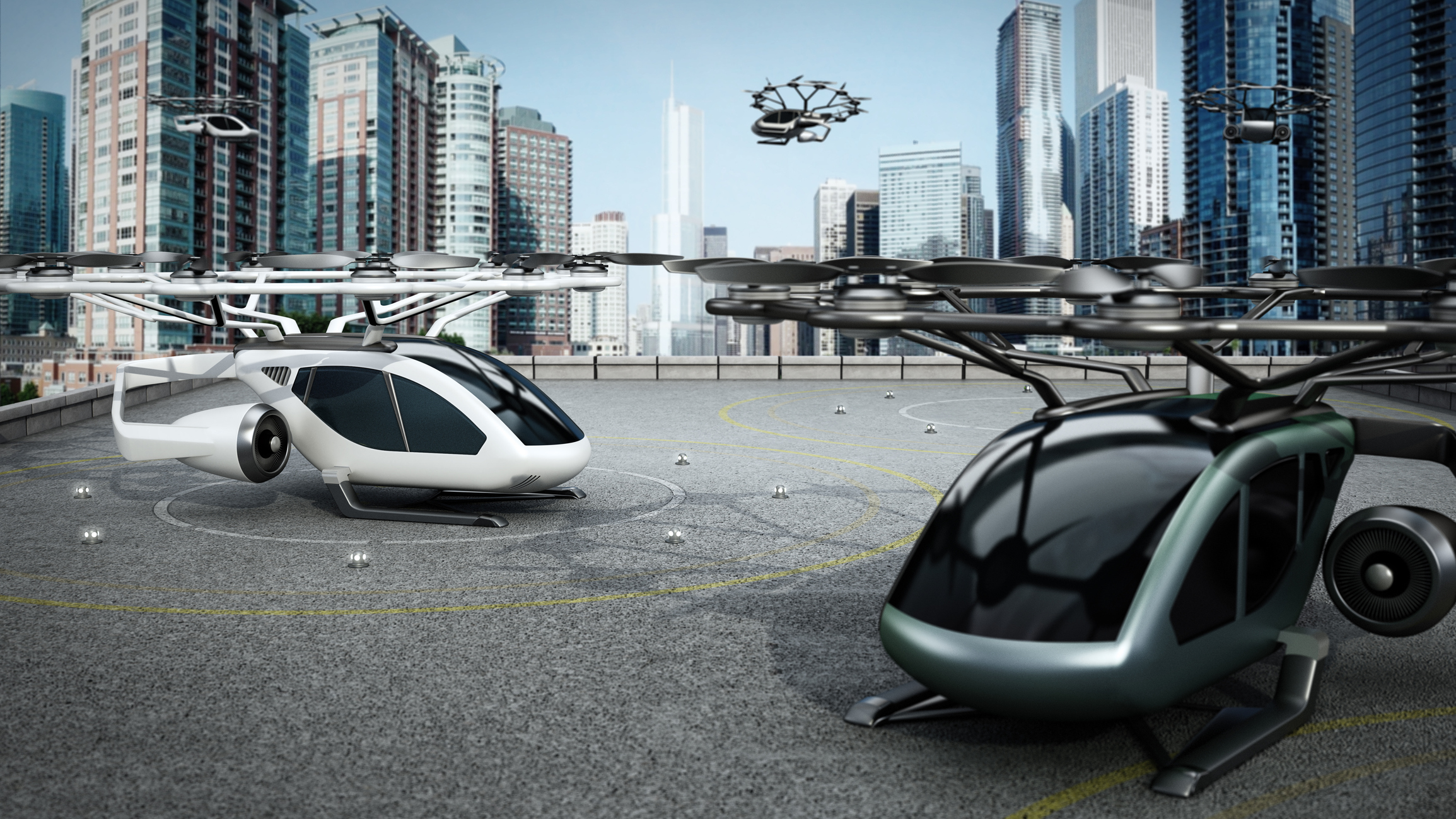
This is an area currently experiencing a surge in innovation. The next frontier could be integration with air transportation, with solutions such as vertiports.
Photos | olaser/iStock, Circle Creative Studio/iStock, Suzi Media Production/iStock