



Table of Contents
Author | Lucía Burbano
Dubai continues to innovate in the field of mobility, and this time the focus is on public transportation. The city’s approach aims to transform its network of bus stops and vehicles into a connected digital ecosystem, a vision that has taken shape with the recent inauguration of a smart bus station at the Mall of the Emirates.
Equipped with artificial intelligence, this project demonstrates how the emirate’s public transportation infrastructure is evolving into a smart mobility hub with passenger focused services.
How Dubai’s smart bus station works
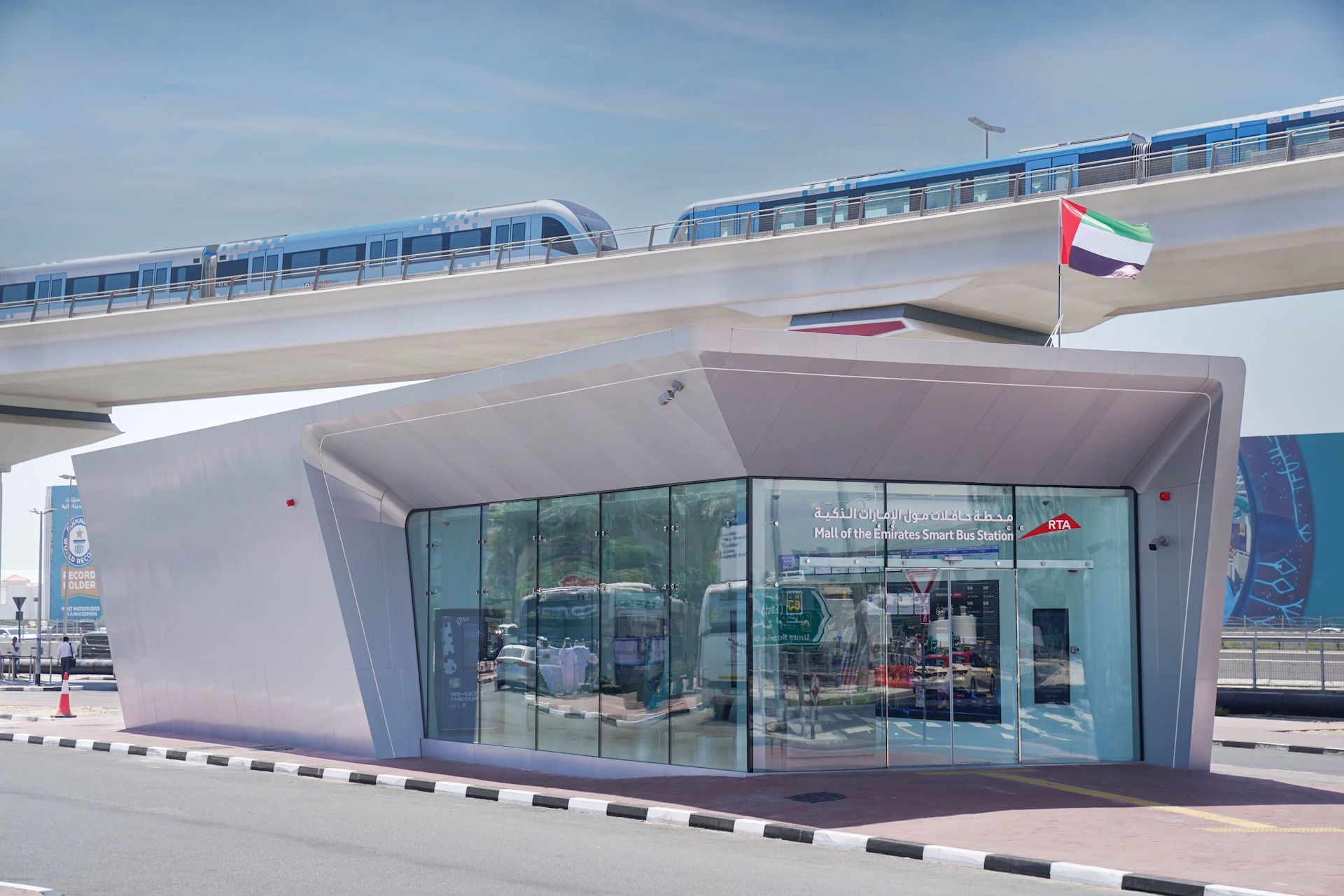
Traditional bus stations are, essentially, waiting areas. Dubai’s new AI powered station represents a shift toward a fully integrated transportation hub that connects buses, metro services, taxis and digital customer services through a single platform.
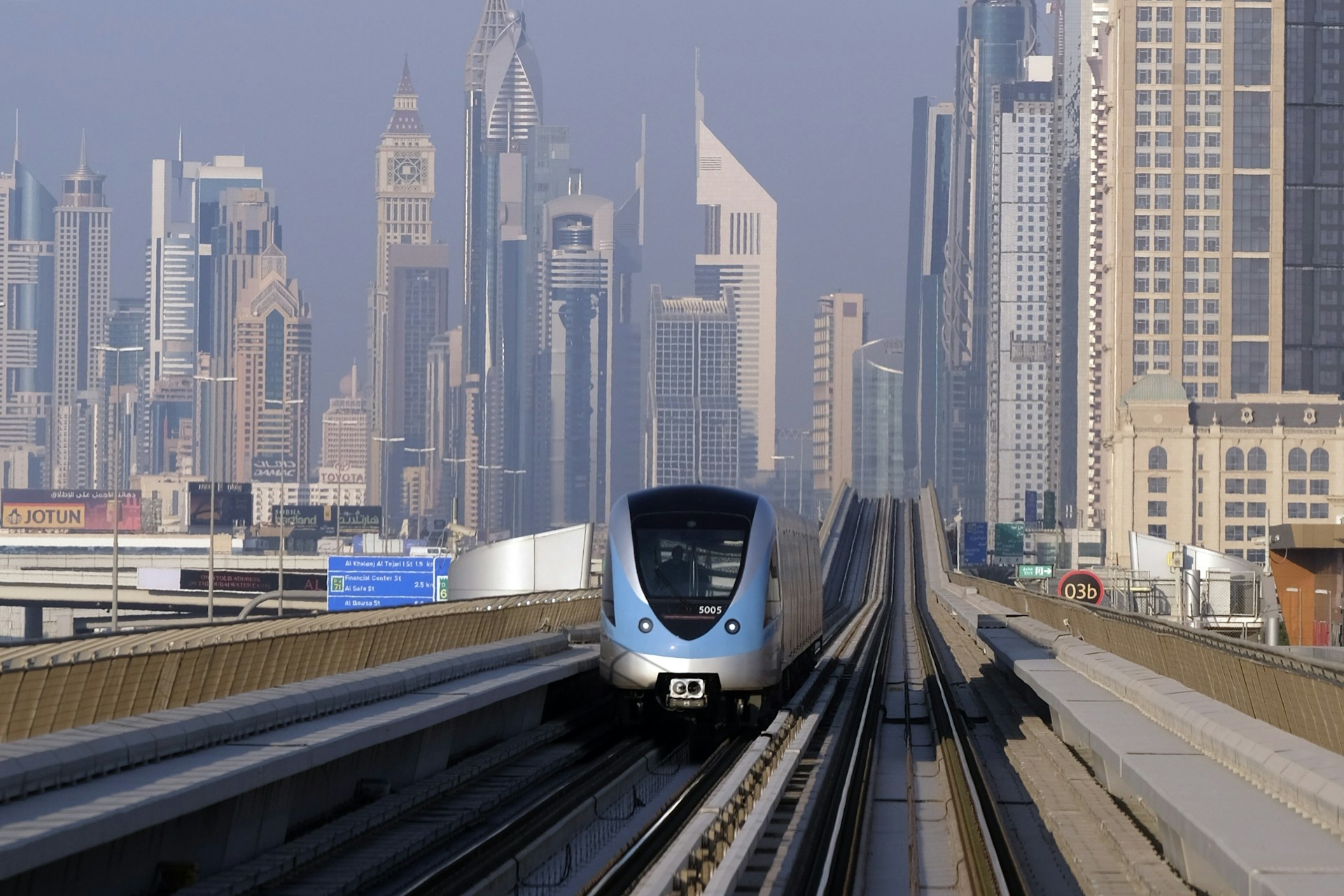
The station is directly connected to the Mall of the Emirates metro station and serves 11 bus routes, including six metro feeder routes, three local routes and two seasonal routes during peak periods, creating a smooth interchange between different modes of transportation.
Key features include:
Real time arrival and departure information
The system uses data from vehicles and the wider transportation network, allowing passengers to know exactly when the next bus will arrive.
Interactive digital kiosks
These touch screen displays serve as information and self-service points where passengers can view maps and routes, as well as purchase or reload transit passes.
Smart ticketing and fare management
Technology simplifies the payment process and improves fare management.
Real time occupancy monitoring
Sensors and cameras analyze how many people are on vehicles and within the station, allowing passengers to view occupancy levels and enabling operators to adjust service frequency accordingly.
Integrated journey planning tools
These platforms bring together all the information needed to plan a trip by comparing different routes, combining multiple modes of transportation and using real time traffic data.
24/7 digital customer service
Customer support no longer depends exclusively on physical offices and limited operating hours, thanks to chatbots and virtual assistants.
The role of artificial intelligence
AI is central to this new generation of transportation infrastructure. At smart bus stations such as the one in Dubai, these systems monitor passenger flows, track occupancy levels and help manage crowd movement in real time.
Rather than reacting to congestion after it occurs, operators can anticipate demand and adjust services proactively.
This delivers significant benefits for passengers, including shorter waiting times, more efficient use of transportation resources and faster incident detection.
Through initiatives like this, Dubai is using technologies such as AI to address its mobility challenges.
Does Dubai’s bus station incorporate MaaS elements?
Dubai’s bus stations can be considered physical access points to a MaaS ecosystem because they connect multiple transportation services, including:
Multimodal integration
A key MaaS principle is enabling people to move easily between different modes of transportation.
Unified digital services
AI powered stations facilitate digital interactions, a core MaaS feature, delivered through both the physical infrastructure and digital channels.
AI driven personalization
Future MaaS platforms will increasingly use AI to personalize mobility options. The system could learn a regular user’s travel patterns and proactively recommend the most suitable route.
Sustainability integrated into infrastructure
Future transportation infrastructure must also support environmental objectives.
Dubai’s smart station incorporates sustainable design features, including solar powered systems and energy efficient operations aimed at reducing emissions and encouraging greater use of public transportation.
The wider mobility ecosystem is moving in the same direction. Dubai is expanding the deployment of electric buses manufactured by Zhongtong and investing in low emission transportation technologies.
Other global examples
Dubai is not the first city to use artificial intelligence in public transportation, but it is among the most ambitious in integrating AI, digital services, sustainability and multimodal mobility into a single public transportation station experience.
Singapore
Singapore’s smart transportation network uses artificial intelligence, sensors and predictive analytics to manage passenger flows, optimize bus services and provide real time travel information across its public transportation system.
Seoul
Seoul has advanced smart bus stops equipped with digital displays, real time arrival information, free Wi Fi, charging stations and integrated mobility services.
Frequently asked questions about Dubai’s smart bus station
How does Dubai’s smart bus station differ from a traditional bus stop?
It combines artificial intelligence, real time data, digital services and multimodal transportation connections to create a fully integrated mobility hub.
How does it use artificial intelligence?
AI analyzes passenger flows, monitors occupancy levels and helps optimize transportation operations and customer service.
Can passengers access real time transportation information?
Yes. The station provides live updates on bus arrivals, departures, delays and service disruptions.
What digital services does the station offer?
Passengers can plan journeys, access travel information, purchase or manage tickets, and receive customer support through digital platforms.
How does the station contribute to Dubai’s smart city goals?
It supports a connected, data driven and sustainable urban mobility model by integrating smart infrastructure with public transportation services.
Photographs | Unsplash/Dubai Travel Blog, RTA Media Office, Unsplash/Aabid Sakir