



Table of Contents
Author | Lucía Burbano
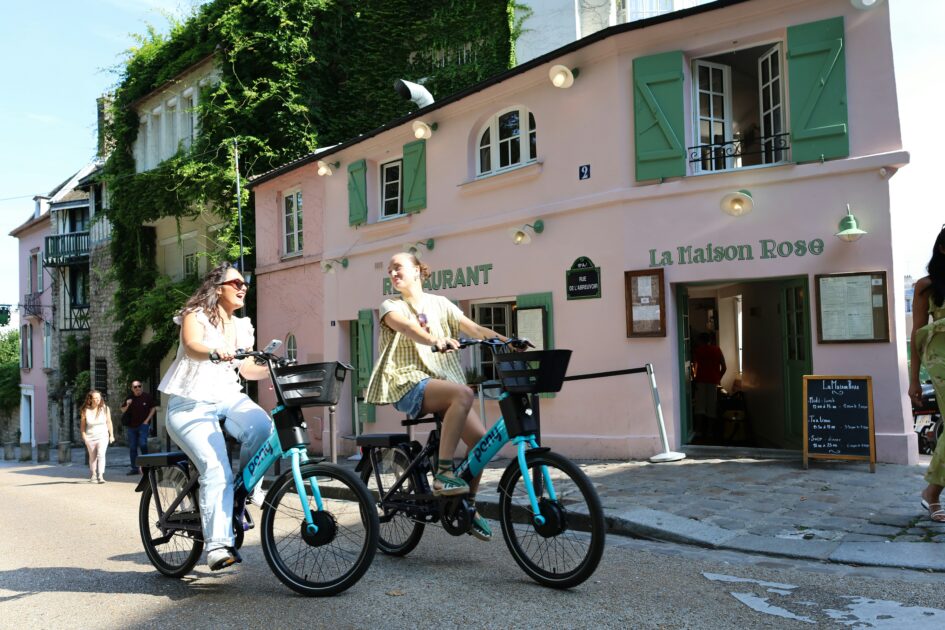
The first generation of micromobility focused on rapid growth and convenience. Today, the new generation of devices faces challenges related to stricter regulations, safety, operating costs, and pressure to integrate with public transportation as a shared mobility solution.
Vehicles classified in this category are becoming increasingly intelligent, safe, and connected to meet the criteria cities require operators to comply with: ensuring their vehicles reduce sidewalk riding, improve compliance with parking regulations, share mobility data, and provide more accessible transportation options.
Regulating micromobility with safety in mind
The rise of these shared mobility devices shows no signs of slowing. In fact, around 11 million electric two- and three-wheelers were sold worldwide in 2025, accounting for approximately 15% of total sales in the broader two- and three-wheeler category.
To ensure that this mobility solution can coexist peacefully with private cars, public transportation, and pedestrians, countries and cities are regulating several aspects of its use, particularly those related to safety, parking, data sharing, and accessibility, requirements that can only be met with the help of technologies such as geofencing and AI.
Technologies driving the new generation of micromobility

Integrated AI to detect sidewalk riding
Several electric scooters are equipped with cameras, sensors, and edge AI systems capable of distinguishing, in real time, the type of surface they are traveling on, whether a road, bike lane, or sidewalk. When the system detects a user riding on the sidewalk, it automatically issues audible warnings, reduces the scooter’s speed, or even disables the accelerator.
Operators such as Lime, Voi, Beam, and Fenix have tested AI systems, while Bolt uses Drover AI’s PathPilot technology on its electric scooters, which uses computer vision to identify the type of surface the scooter is traveling on.
Smart parking infrastructure and charging stations
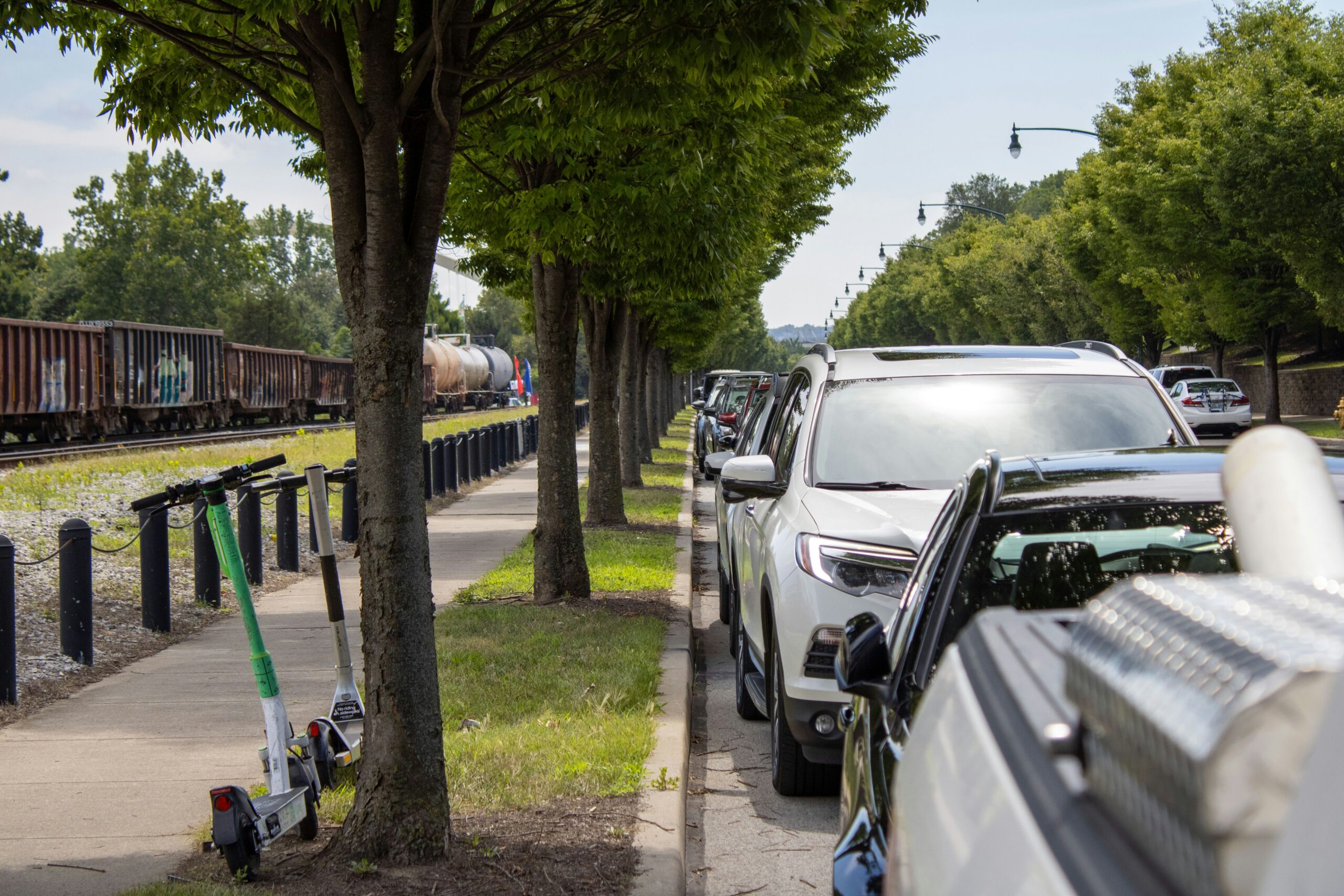
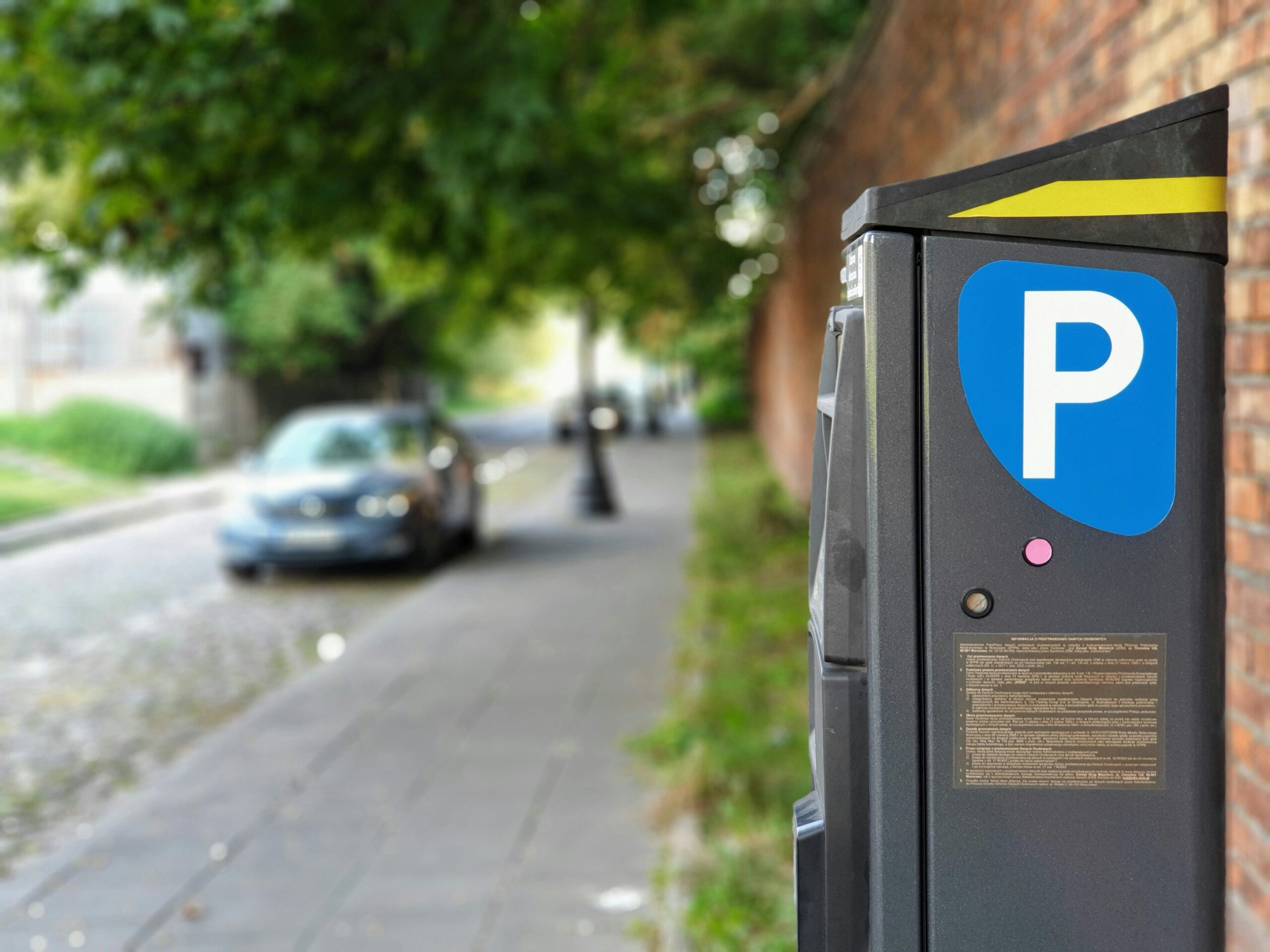
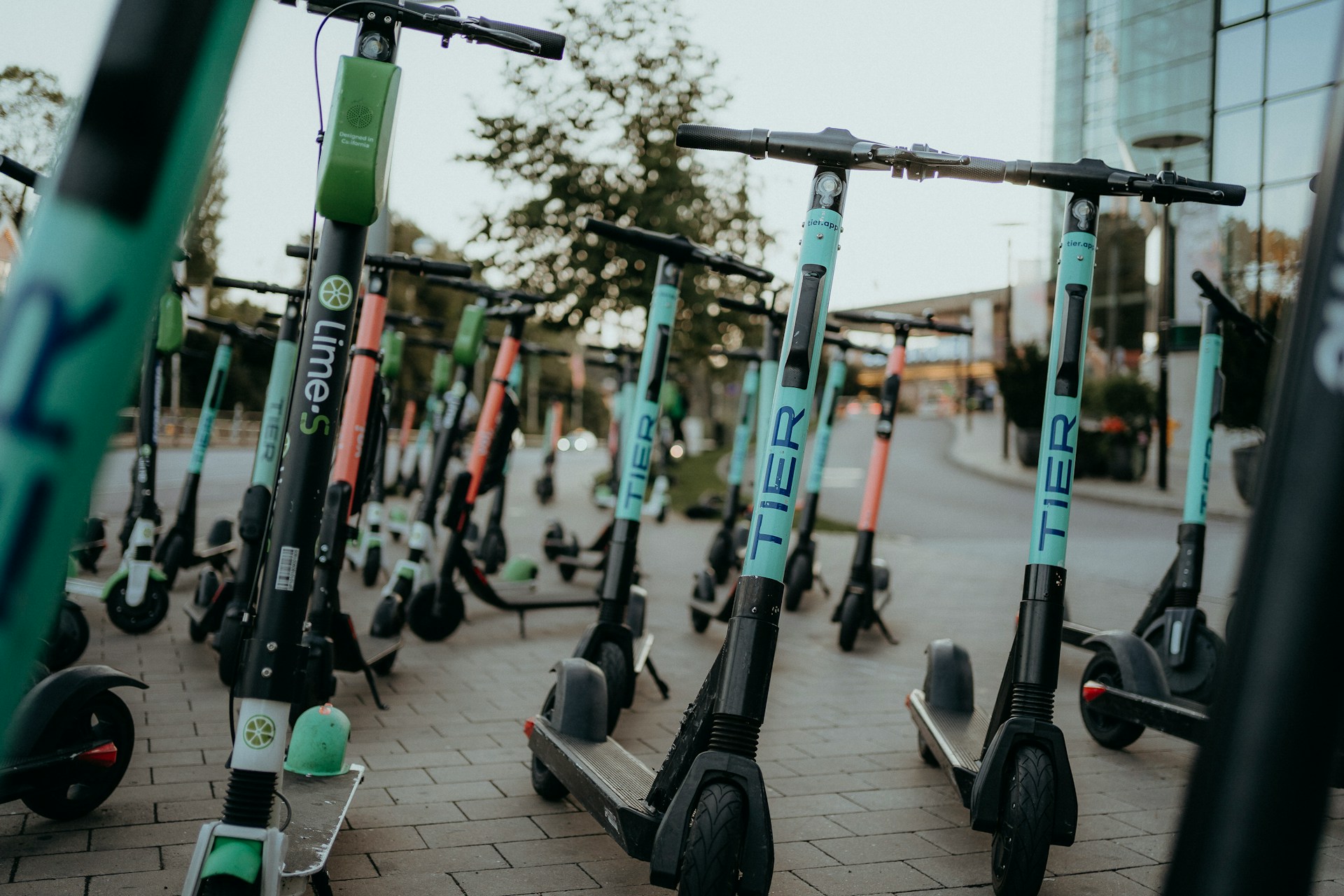
Cities and operators are investing in smart charging stations and designated parking hubs to prevent trips from continuing beyond authorized areas, reduce inconsiderate behavior on sidewalks, and improve fleet distribution and charging operations.
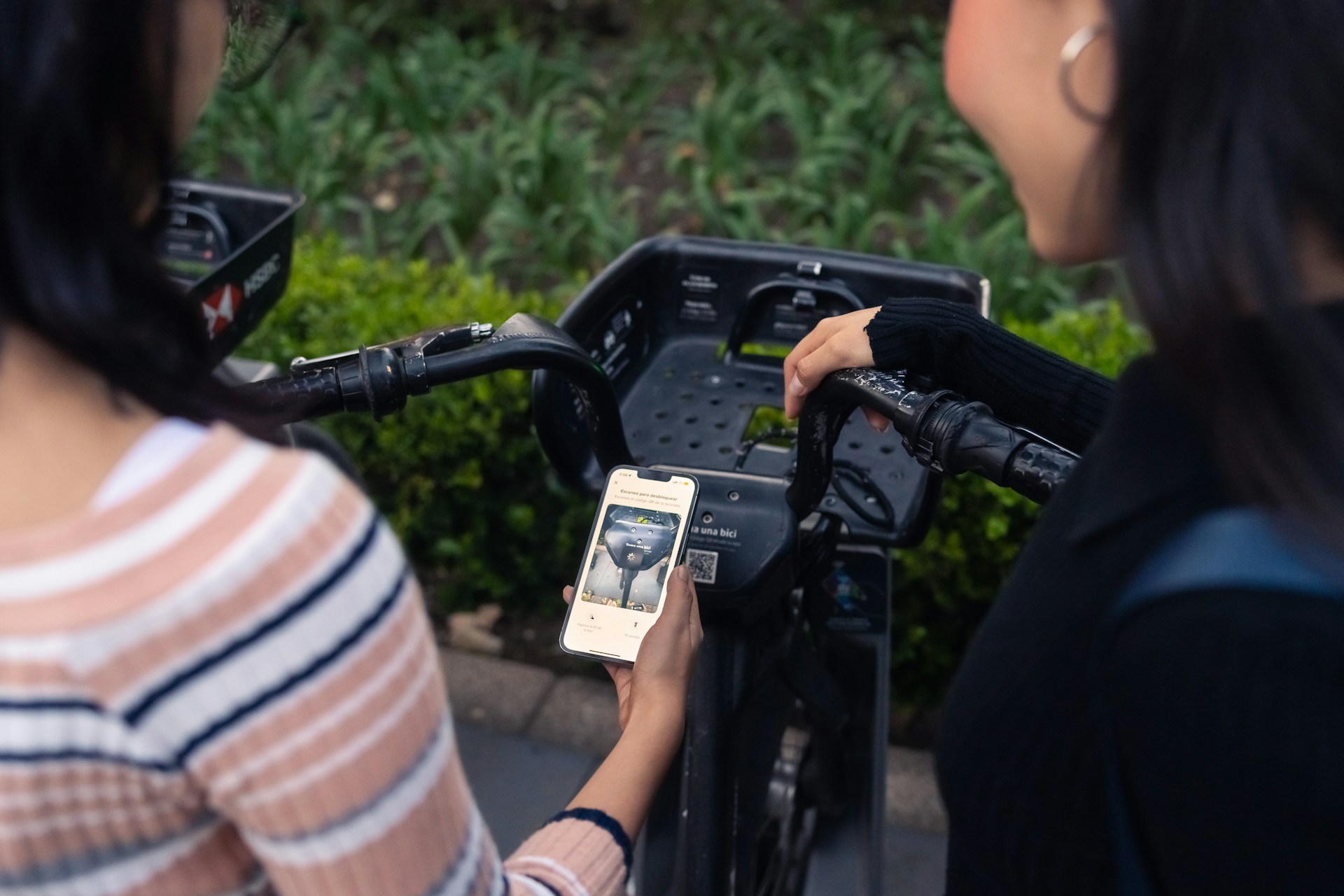
AI-based parking validation systems analyze images captured at the end of a trip to confirm that the scooter has been parked correctly before allowing the user to end the trip.
Predictive maintenance
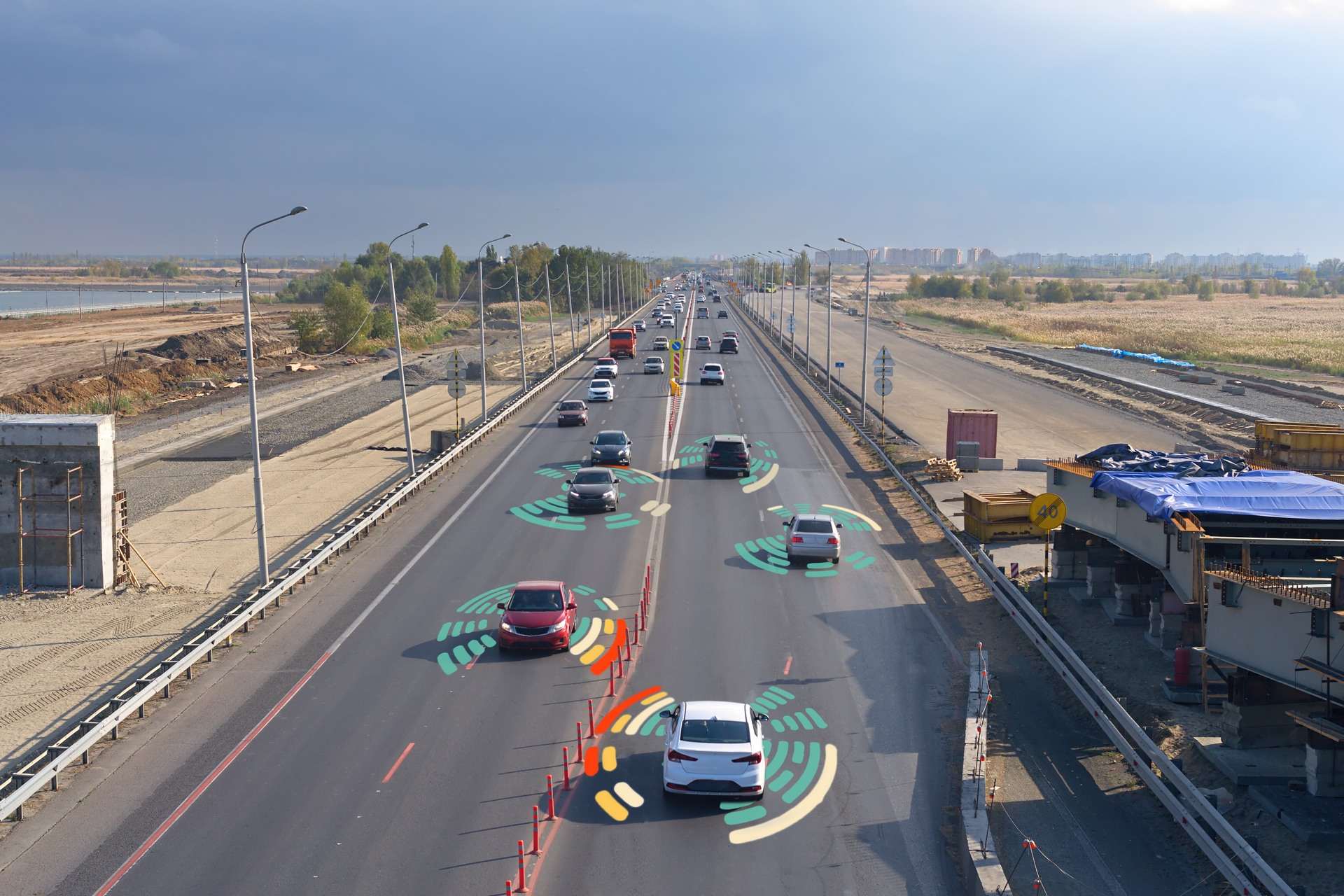
Predictive maintenance uses data from sensors, telematics, and AI models to identify vehicles that are likely to need repairs before a breakdown occurs.
A recent study of Barcelona’s Bicing system showed that machine learning models can successfully predict maintenance needs in large bicycle fleets, improving availability and reducing operating costs.
Cities already regulating the new generation of micromobility
London: geofencing as a regulatory tool
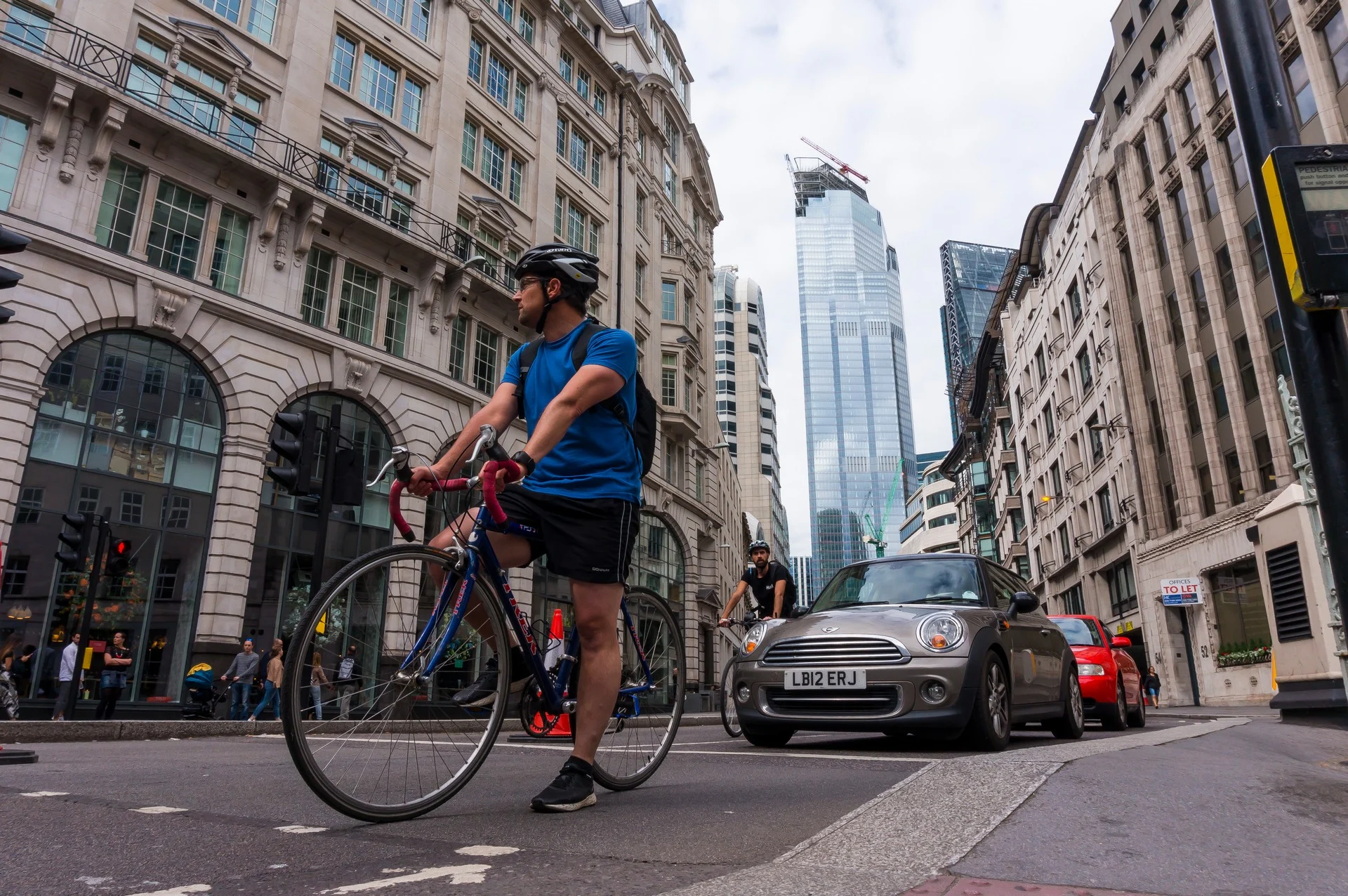
London’s electric scooter rental program requires operators to use designated parking spaces and establishes zones where speed is restricted or riding is prohibited.
Scooters automatically slow down or stop when entering restricted areas, making geofencing one of the clearest examples of how regulation is driving technology adoption.
Singapore: one of the world’s strictest regulatory frameworks
Singapore requires electric scooters and bicycles to comply with technical standards and also requires users to pass a mandatory theory test. These laws have encouraged operators to invest in connected technologies and regulatory compliance systems.
Madrid: regulation through permits
In 2024, Madrid required operators to ensure proper parking and prevent riding in pedestrian areas. Operators that failed to comply had their licenses revoked and were no longer permitted to operate in the city. This example shows how regulatory compliance is becoming an essential requirement for market access.
FAQs about the new generation of micromobility
What is driving the evolution of shared micromobility?
Stricter regulations, safety requirements, operating costs, and integration with public transportation.
How does AI help improve electric scooter safety?
It detects in real time whether scooters are being ridden on sidewalks and can issue warnings, reduce speed, or disable the accelerator.
What role do smart parking and charging stations play?
They help prevent improper parking, optimize fleet distribution, and facilitate charging operations.
What are the benefits of predictive maintenance?
It can anticipate failures in batteries, motors, or brakes, reducing costs and improving vehicle availability.
How are cities influencing innovation in micromobility?
Through regulations such as those in London, Singapore, and Madrid, which are driving the adoption of control, connectivity, and regulatory compliance technologies.
Photos | Unsplash/Maria Lupan, Unsplash/Jonathan Borba, Unsplash/Jonas Jacobsson