



Table of Contents
Author | Elvira Esparza
Munich will become the first German city to test autonomous taxis through Uber. The robotaxi system uses artificial intelligence to deliver safer and more cost-effective transportation.
According to a report by the International Energy Agency, the current global robotaxi fleet consists of around 8,000 vehicles operating across 20 cities, mainly in the United States and China. Estimates suggest that by 2035, the market could grow to between 700,000 and 3 million vehicles operating in 40 to 80 cities worldwide. The United States and China are leading the way, while adoption in Europe has been slower due to regulatory challenges.
Where are robotaxis operating?
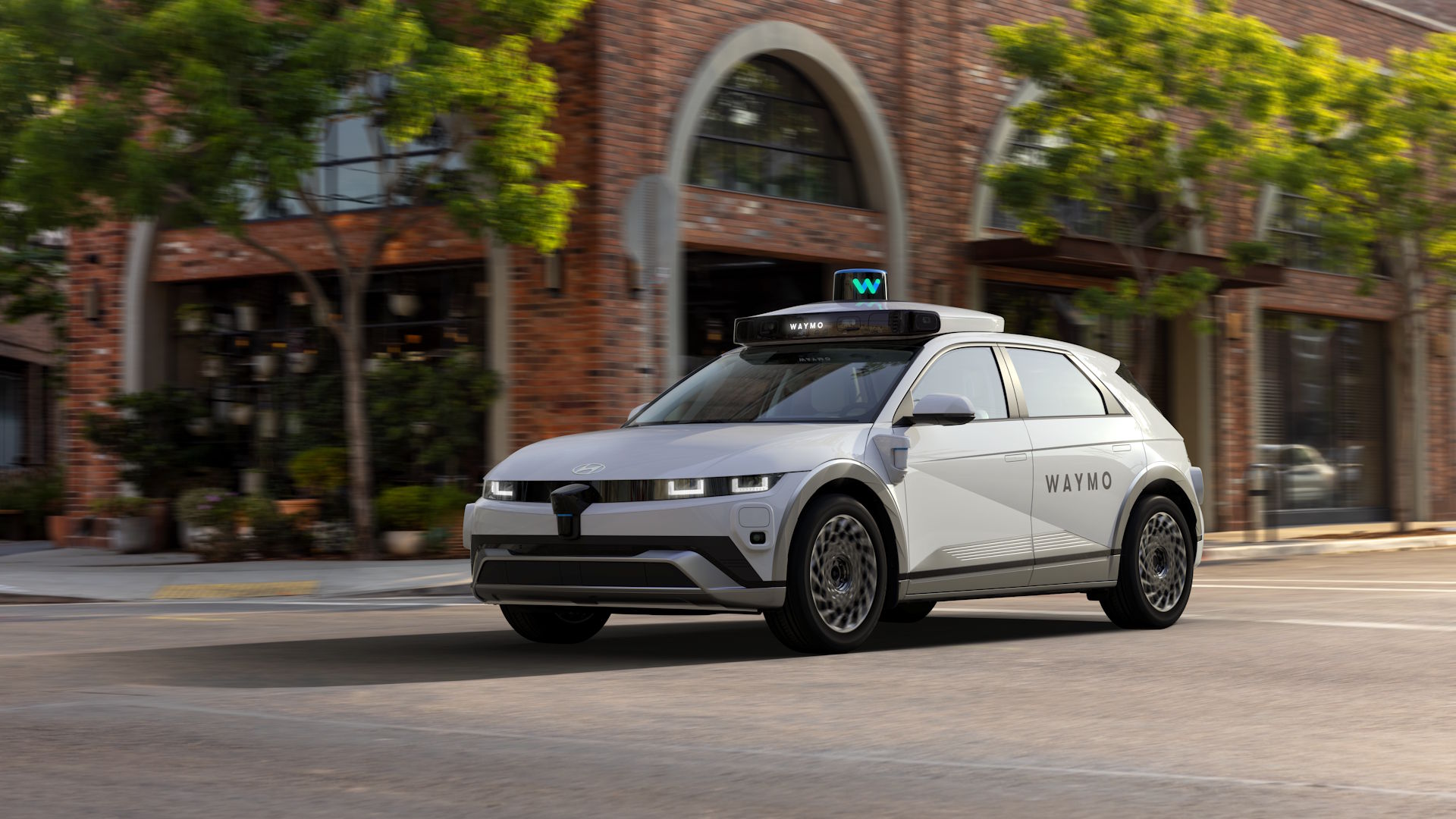
Autonomous taxis are already providing smart mobility services in several U.S. cities. Waymo, Google’s subsidiary, operates fleets in San Francisco, Phoenix, and Los Angeles, with more than 3,000 autonomous vehicles completing around 500,000 trips each week. Tesla is also operating in parts of Texas.
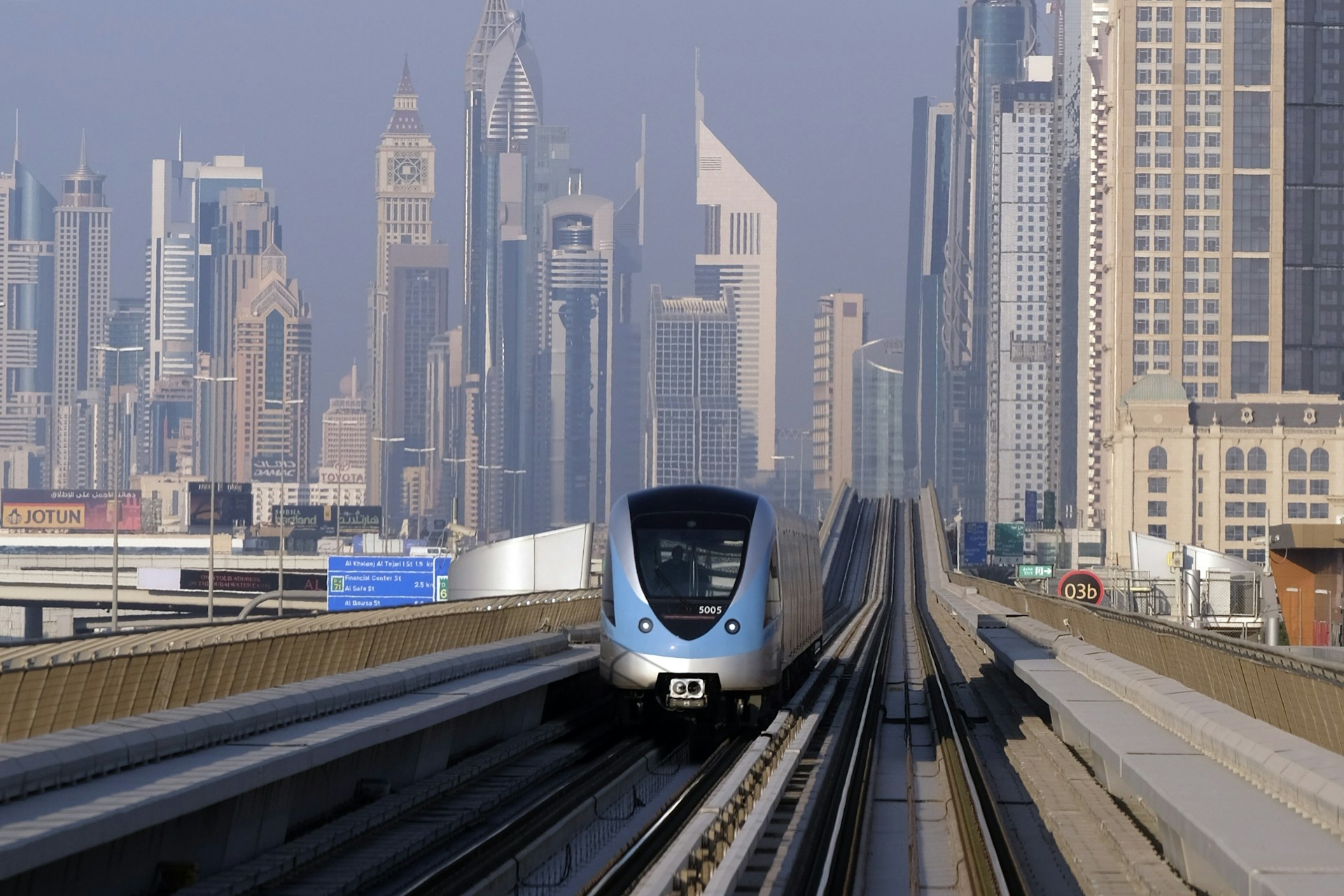
In China, Baidu operates driverless vehicles in Wuhan and Beijing, as well as in Shanghai and Shenzhen. In the United Arab Emirates, robotaxis are operating in selected areas of Dubai and Abu Dhabi.
However, Europe has fallen behind because its regulatory framework is more restrictive, slowing the development of autonomous vehicles. To accelerate the market, 18 European countries signed a joint declaration as part of the European Automotive Action Plan. Its goal is to coordinate cross-border testing of autonomous vehicles, making it easier to develop a consistent regulatory framework and support the deployment of self-driving technology across Europe.
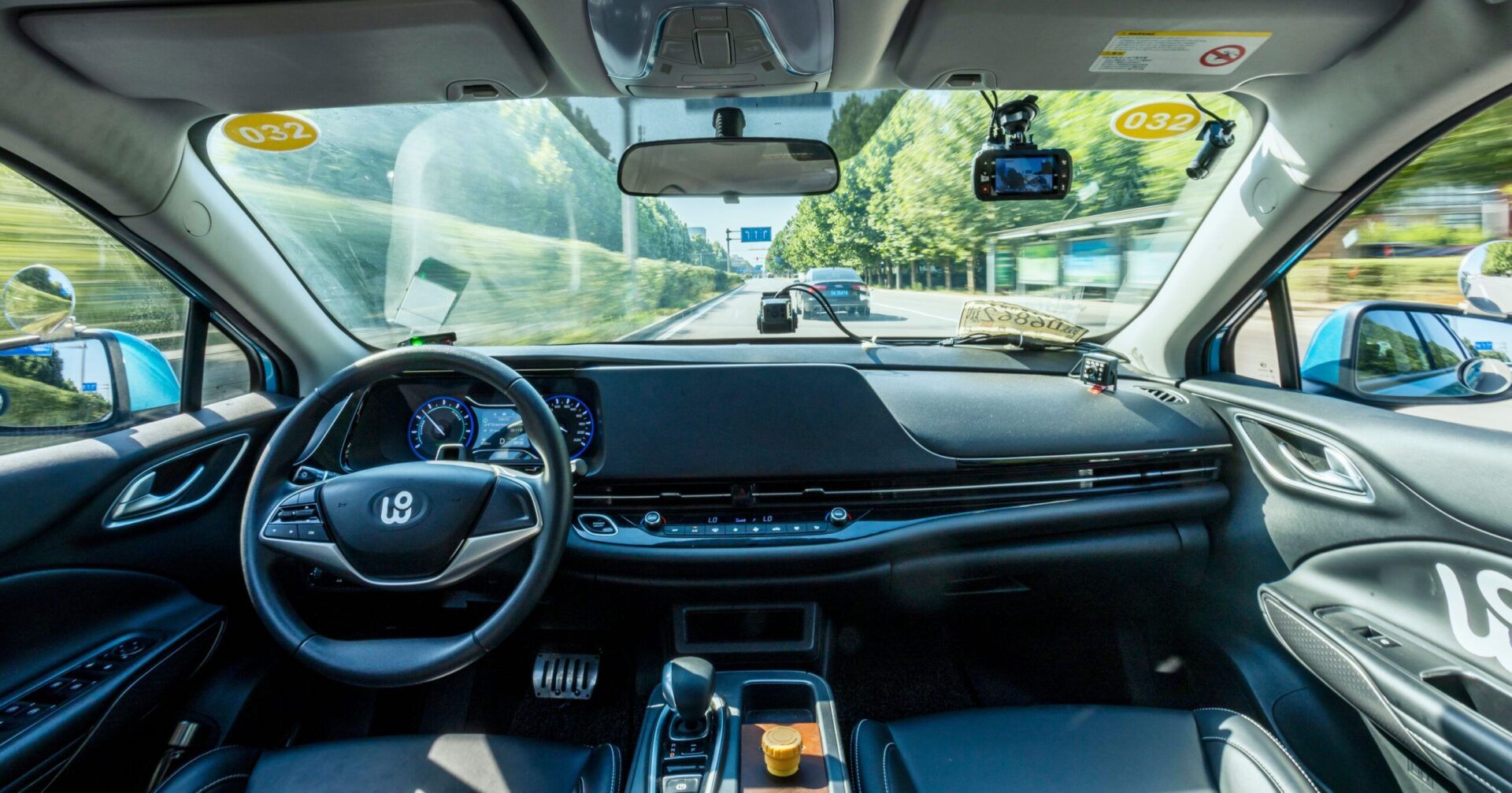
Even so, autonomous taxi trials are already beginning to take place across Europe. Uber plans to test robotaxis in Madrid with the Chinese AI company WeRide and in Croatia with Pony.ai, although the Munich project is expected to launch first.
What is Munich’s robotaxi project?
Uber has chosen Munich as the first German city to introduce robotaxis because of its strong ties to the automotive industry, as the headquarters of the BMW Group, and its dense urban traffic. The Munich pilot project is intended to serve as a testing platform for a model that could support the rollout of robotaxi fleets in other European cities.
Uber has partnered with Autobrains, an Israeli startup that develops self-learning artificial intelligence for assisted and autonomous driving, and with chipmaker Nvidia. The vehicles will run on Nvidia’s DRIVE Hyperion platform, which combines high-performance computing and advanced sensor technology for Level 4 autonomous vehicles. This level of autonomy allows vehicles to operate without a driver within designated areas.
For now, local authorities have approved operation of the system with a safety driver behind the wheel. The goal, however, is to develop a fleet of fully autonomous taxis by next year.
What technology do Munich’s robotaxis use?

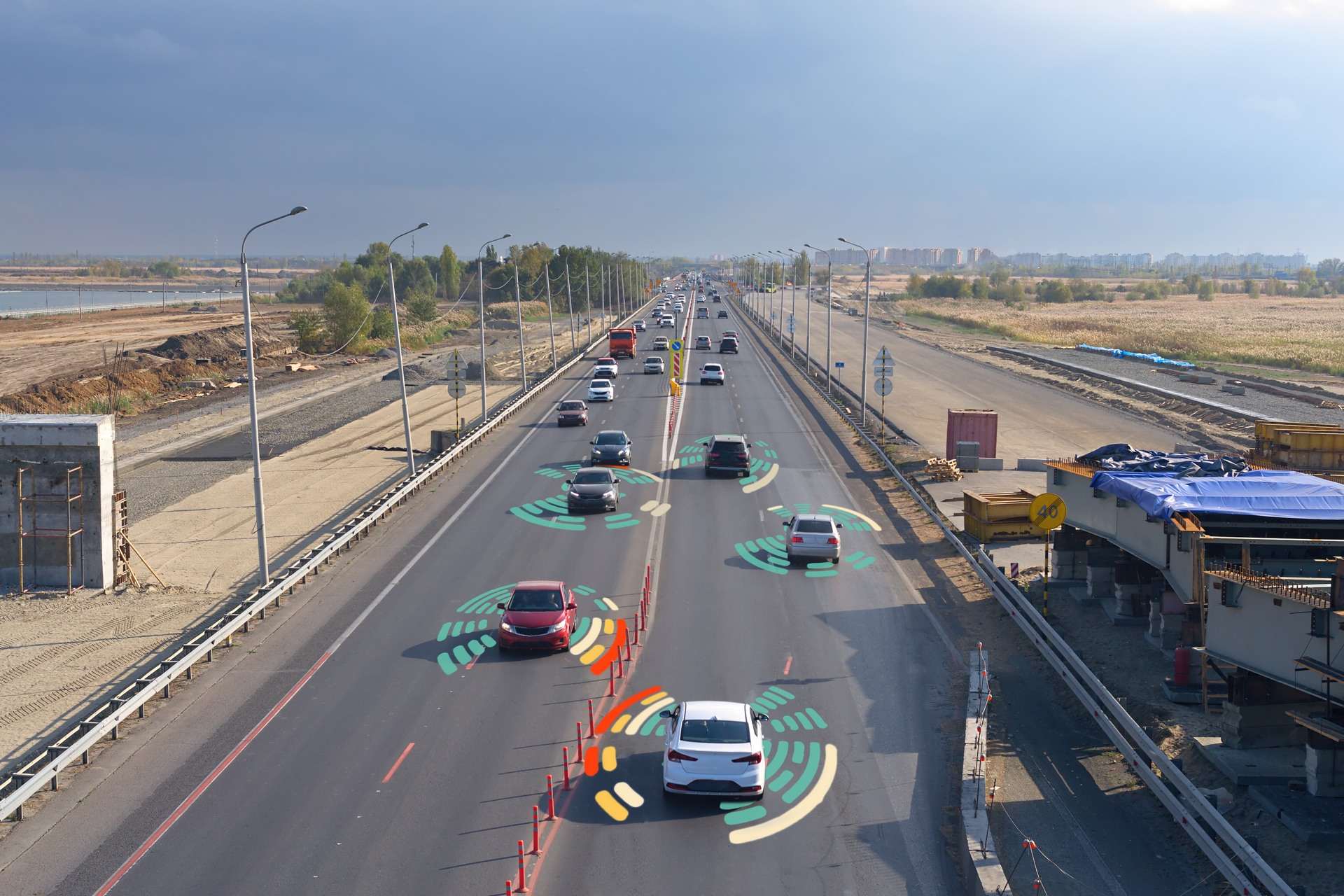
The autonomous driving system developed for Uber’s Munich project differs from those used by many other companies. One of its main advantages is that it can be integrated into existing vehicles because it does not require the large, expensive sensor arrays typically found on current robotaxis. Most of today’s autonomous taxis are purpose-built vehicles equipped with complex rooftop sensor systems.
Instead, these vehicles rely on an affordable, mass-produced Nvidia chip and six cameras that provide a field of view similar to human vision. Autobrains’ technology also uses multiple specialized AI agents that monitor the vehicle’s surroundings, apply reasoning to assess the risks associated with each maneuver, and respond in real time. The goal is to create a driving system that is both safer and more cost-effective.
Uber’s system in Munich also differs significantly from the approach used by Mobileye, which relies on machine learning trained with millions of images and data points. That method requires substantial processing power and extensive data preparation, whereas Autobrains’ system focuses on AI reasoning rather than large-scale data-driven learning.
When will these robotaxis begin operating in Munich?
Germany approved the Autonomous Driving Act (StVG) and the AFGBV regulation in 2021, creating a legal framework that allows commercial driverless robotaxis to operate within designated areas. To begin operating, companies must obtain two approvals: a Level 4 vehicle operating permit from the Federal Motor Transport Authority and authorization for the designated operating area from the relevant state authority.
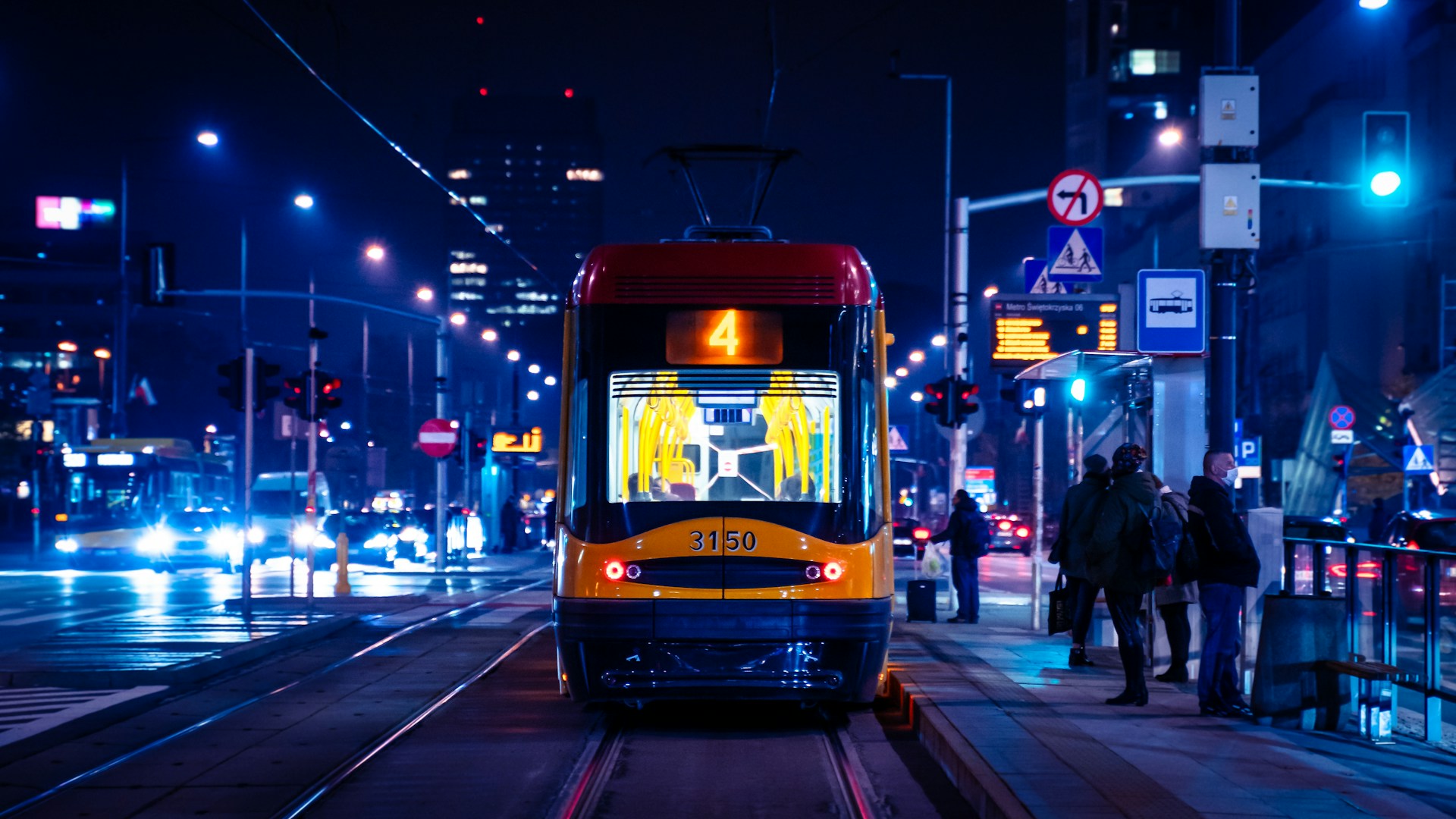
Germany had already taken an early lead in automating public transportation by introducing driverless trams, through pilot projects in several cities.
Images | Autobrains, munichgirl/iStock