Table of Contents
Author | Elvira Esparza
A stroad is the term used to describe a hybrid of a street and a road, combining elements of both. This combination creates challenges that urbanists and planners are working to solve.
The term ‘stroad’ was coined in the United States a decade ago by Charles Marohn, an engineer specializing in urban planning. Urban roads, or stroads arise from combining pedestrian-friendly urban streets lined with shops, restaurants, and services, where driving speeds are controlled, with high-speed, multi-lane roads designed for fast car travel.
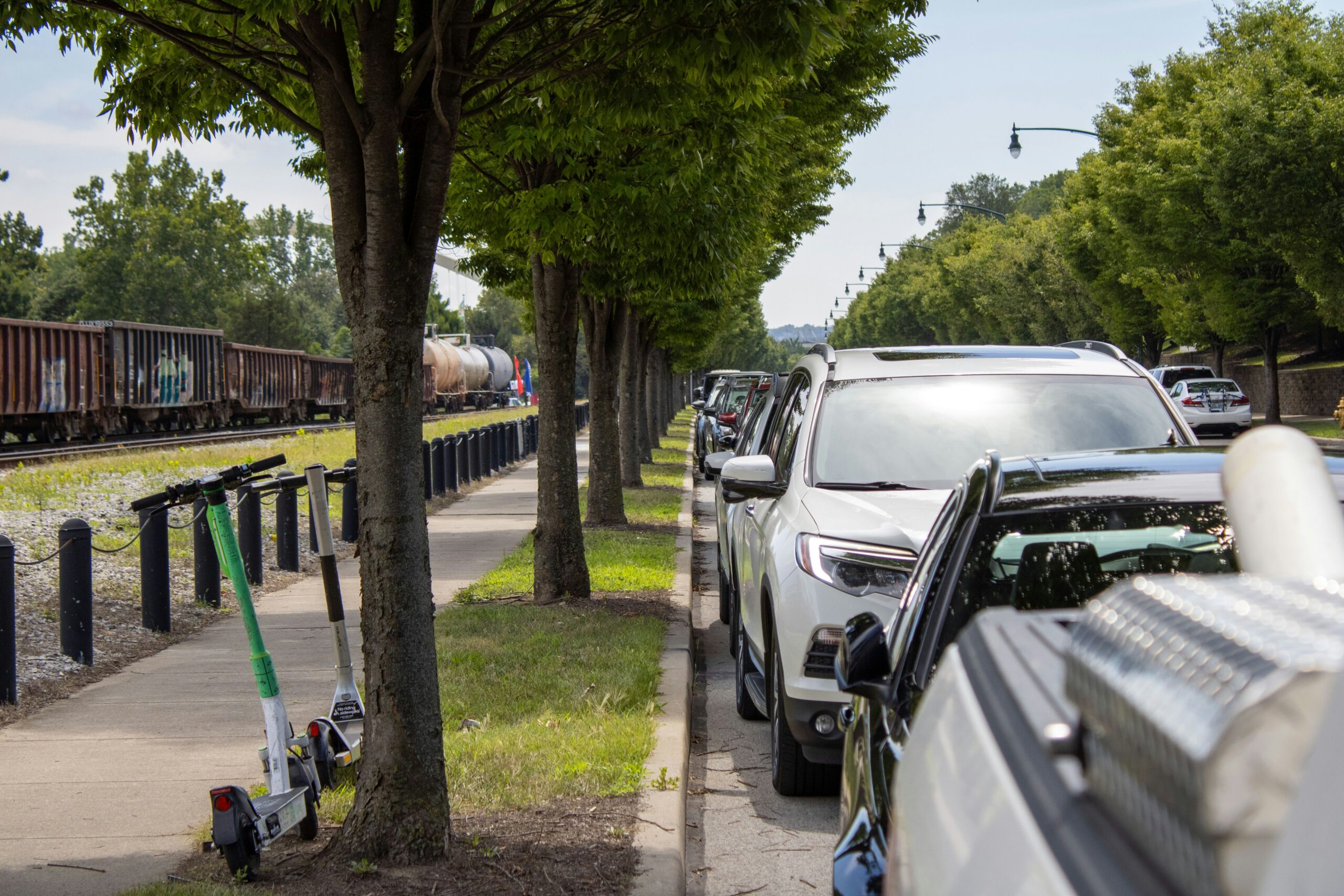
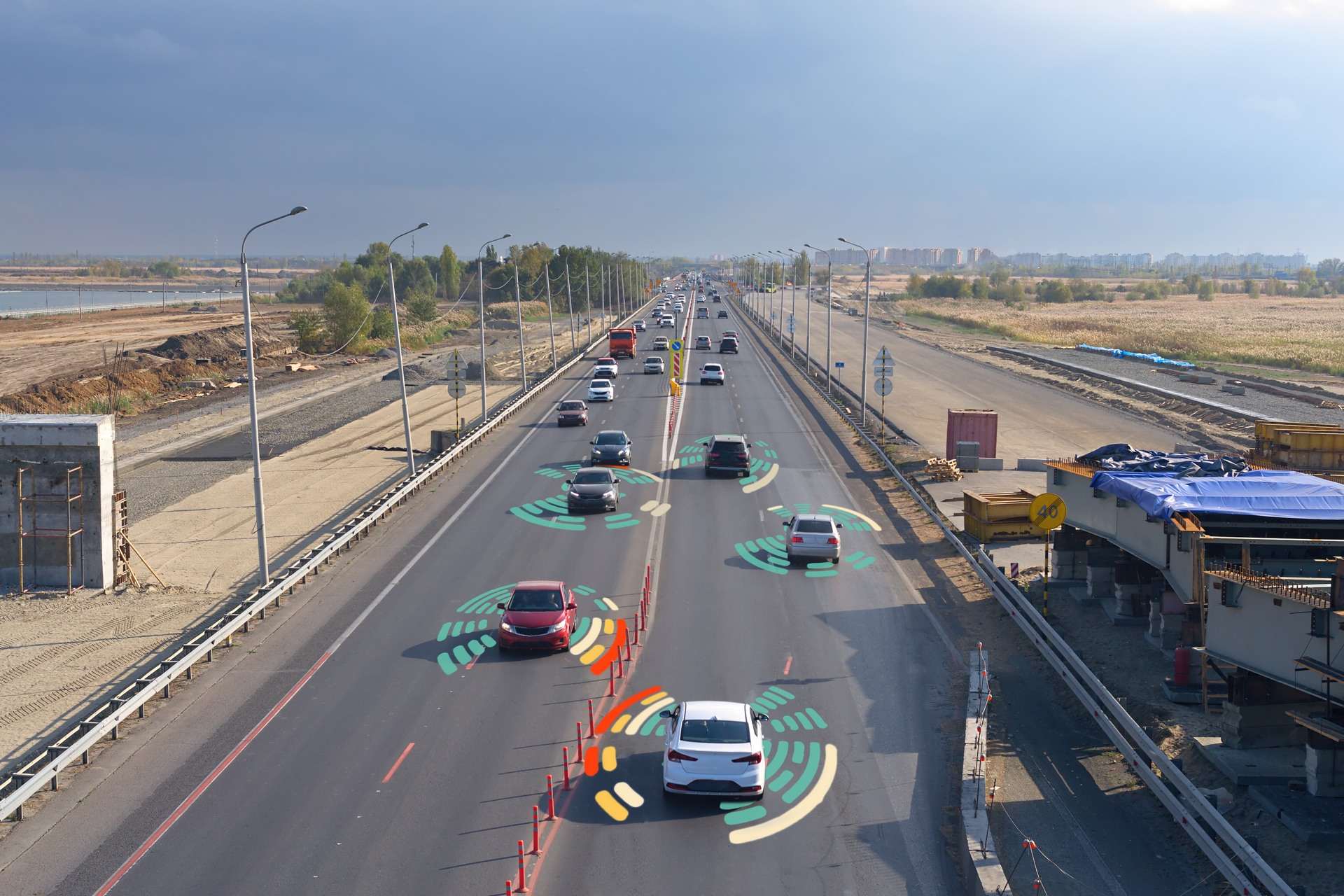
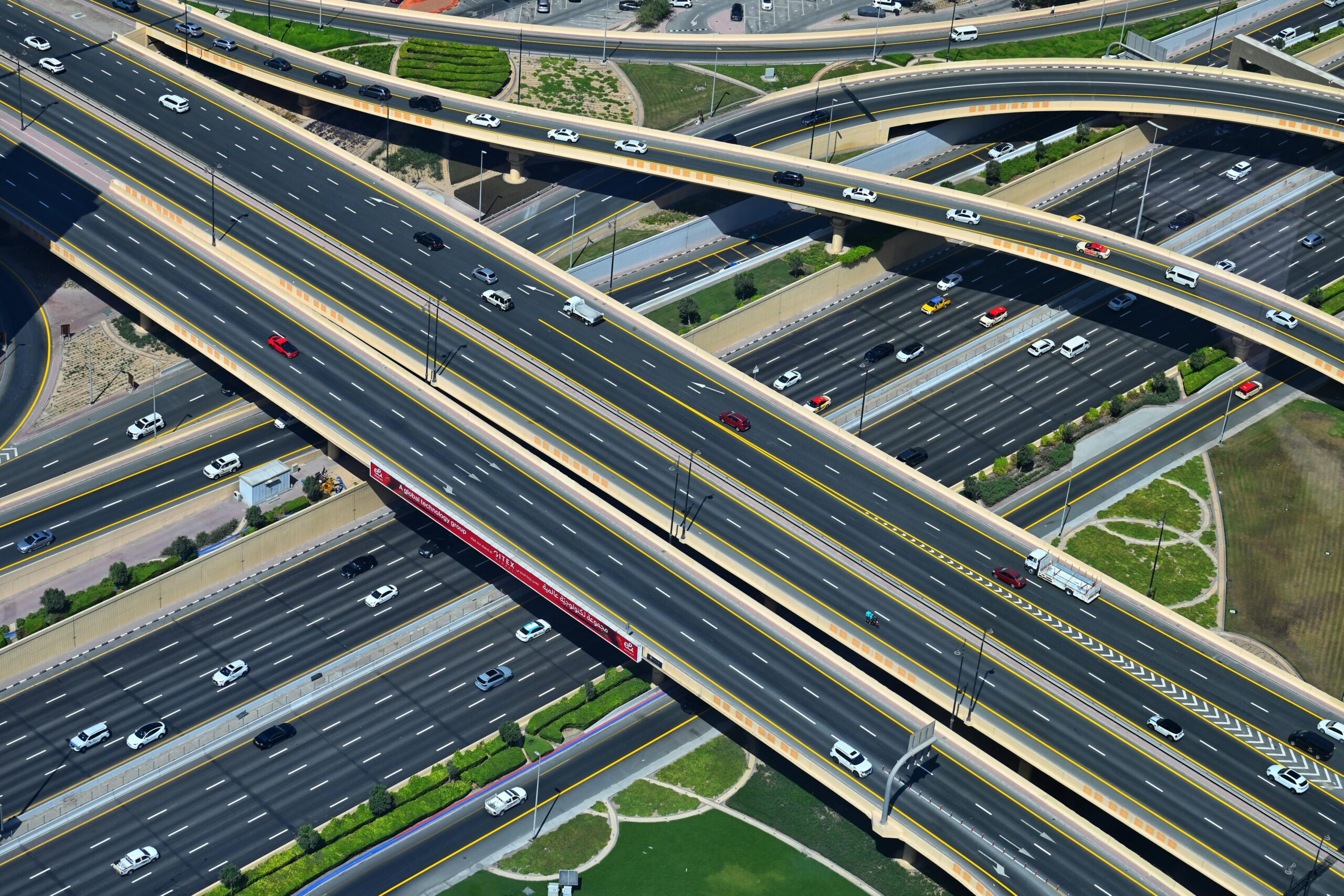
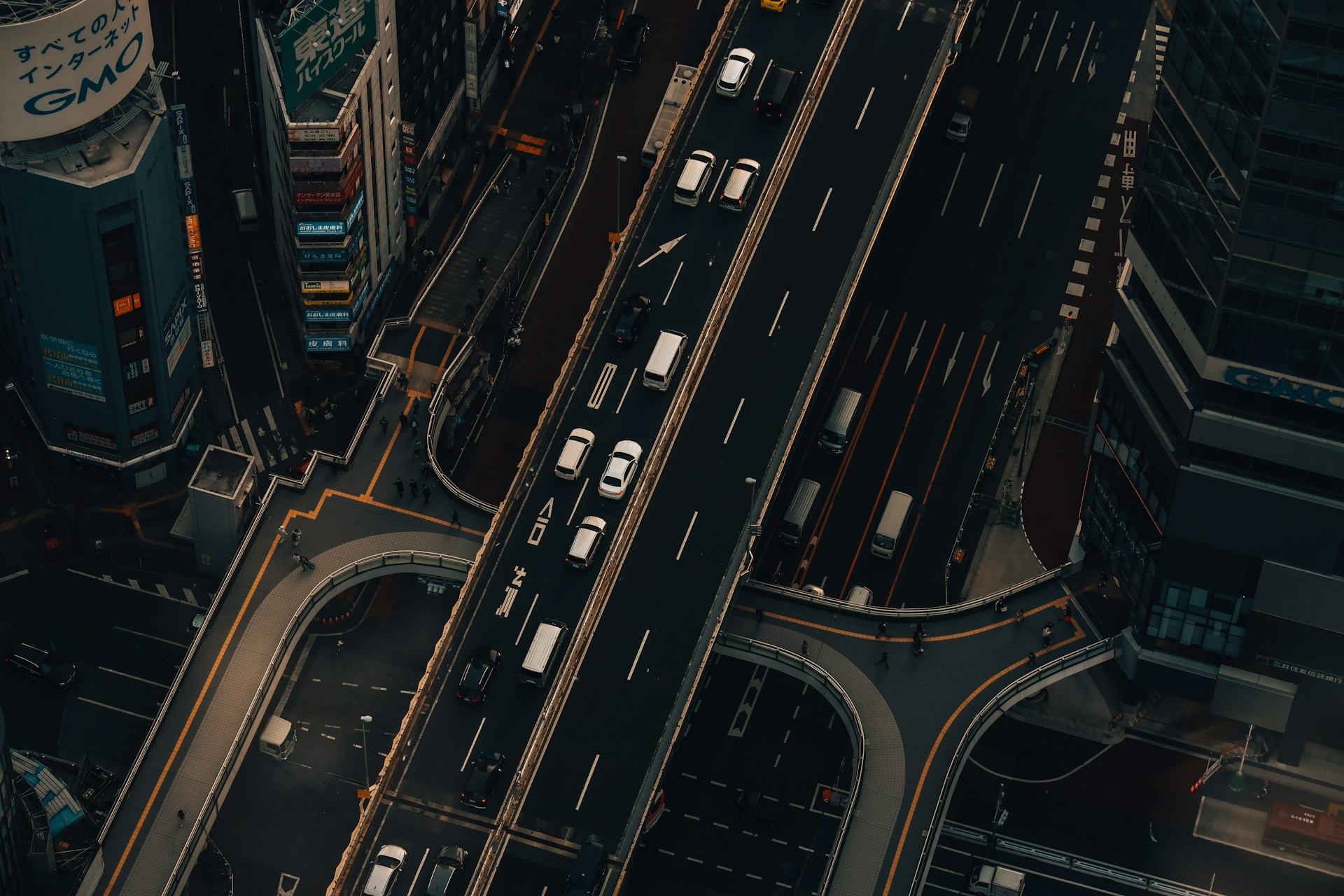
Stroads are multi-lane streets designed for vehicles, offering little space for pedestrians or cyclists, yet often connecting to commercial areas in cities. These high-speed streets are typically noisy, polluting, and problematic, pushing urban planners to rethink how public space is designed.
Problems associated with urban roads
Increase in pedestrian collisions and accidents
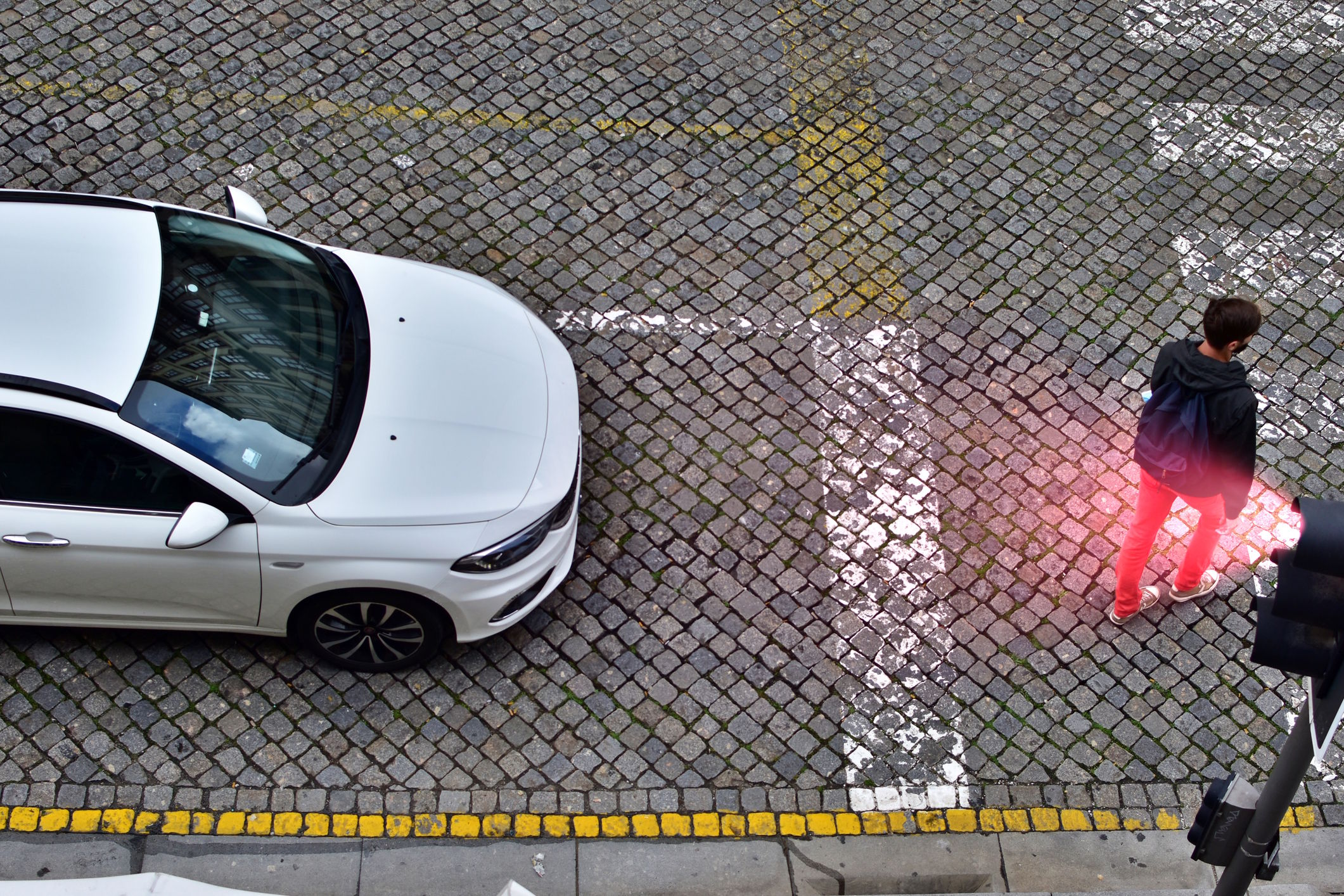
In the United States, the number of pedestrians involved in traffic incidents has risen to over 7,500, according to the latest figures from the Governors Highway Safety Association (GHSA). One reason for this increase is the expansion of urban roads, which are more dangerous due to higher vehicle speeds. Furthermore, these roads often lack sidewalks, marked pedestrian crossings, protected bike lanes, and adequate lighting, all of which contribute to a higher risk of accidents.
In addition, these urban roads pose risks for drivers as well, due to high travel speeds, numerous entry and exit points, and the need to cross multiple lanes to make maneuvers, which are all factors that can easily lead to accidents.
Impact on local business
Stroads can negatively impact local businesses by making it difficult for customers to access shops, while instead encouraging consumption in suburban shopping malls where these roads are more common.
More pollution and noise
Driving at higher speeds increases vehicle emissions, contributing to greenhouse gas buildup and negatively affecting public health. These roads are also noisier due to heavier traffic and because they promote the use of private vehicles over public transportation or cycling.
To address these problems, urbanists and planners emphasize the need to design and build safer, more accessible roads.
How can the problem of stroads be solved?
There are several alternatives for addressing the problems caused by urban streets:
- Converting the streets into roads. This option involves dedicating space exclusively to cars while implementing measures to improve safety. One measure involves reducing the number of entry and exit points to lower the risk of accidents and restrict access for pedestrians and cyclists.
- Designing streets for pedestrians. Supporters of this solution advocate removing traffic lanes and replacing them with safer corridors designed for lower vehicle speeds. They also propose adding pedestrian-focused infrastructure, such as marked crosswalks and refuge islands.
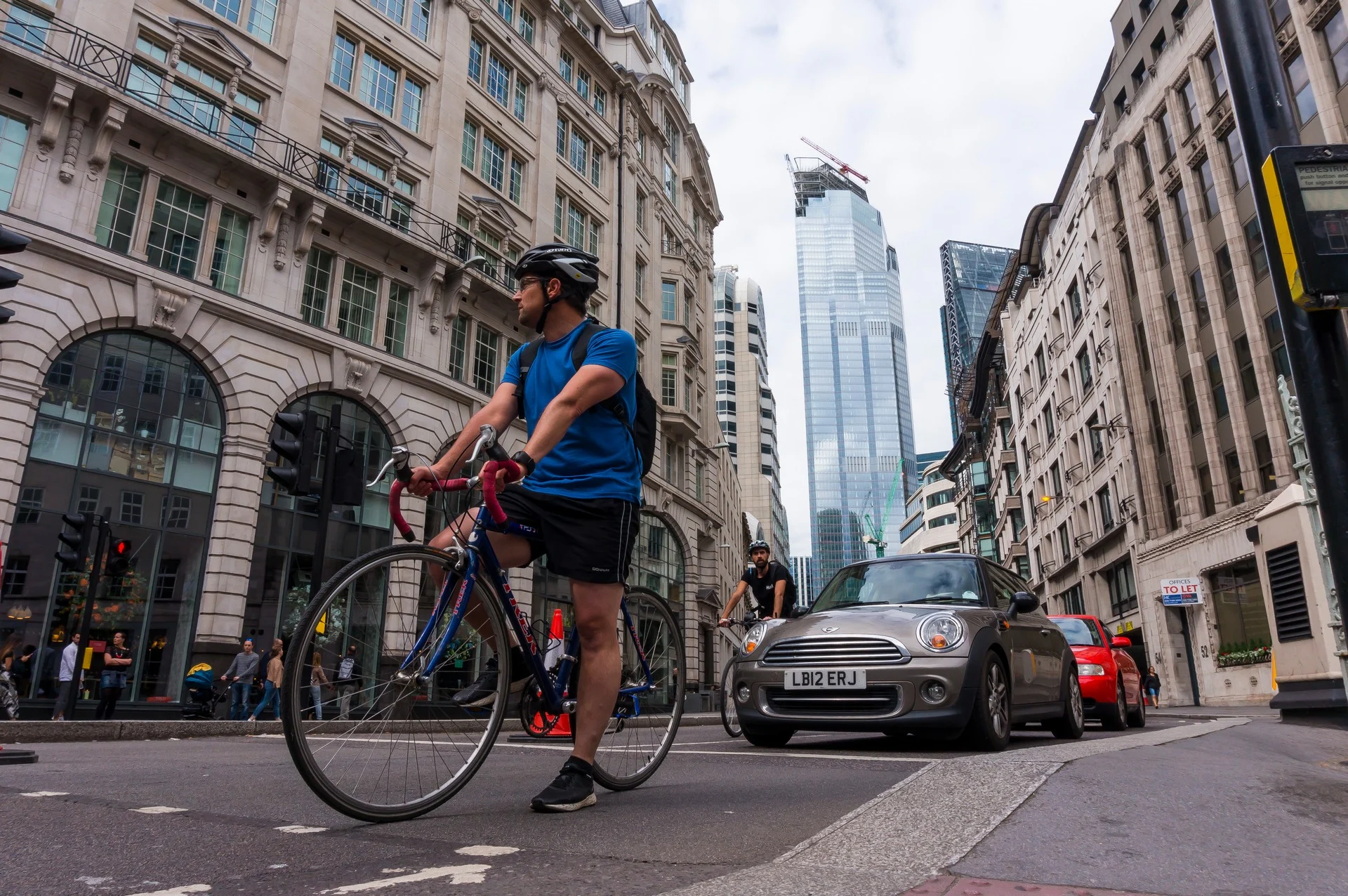
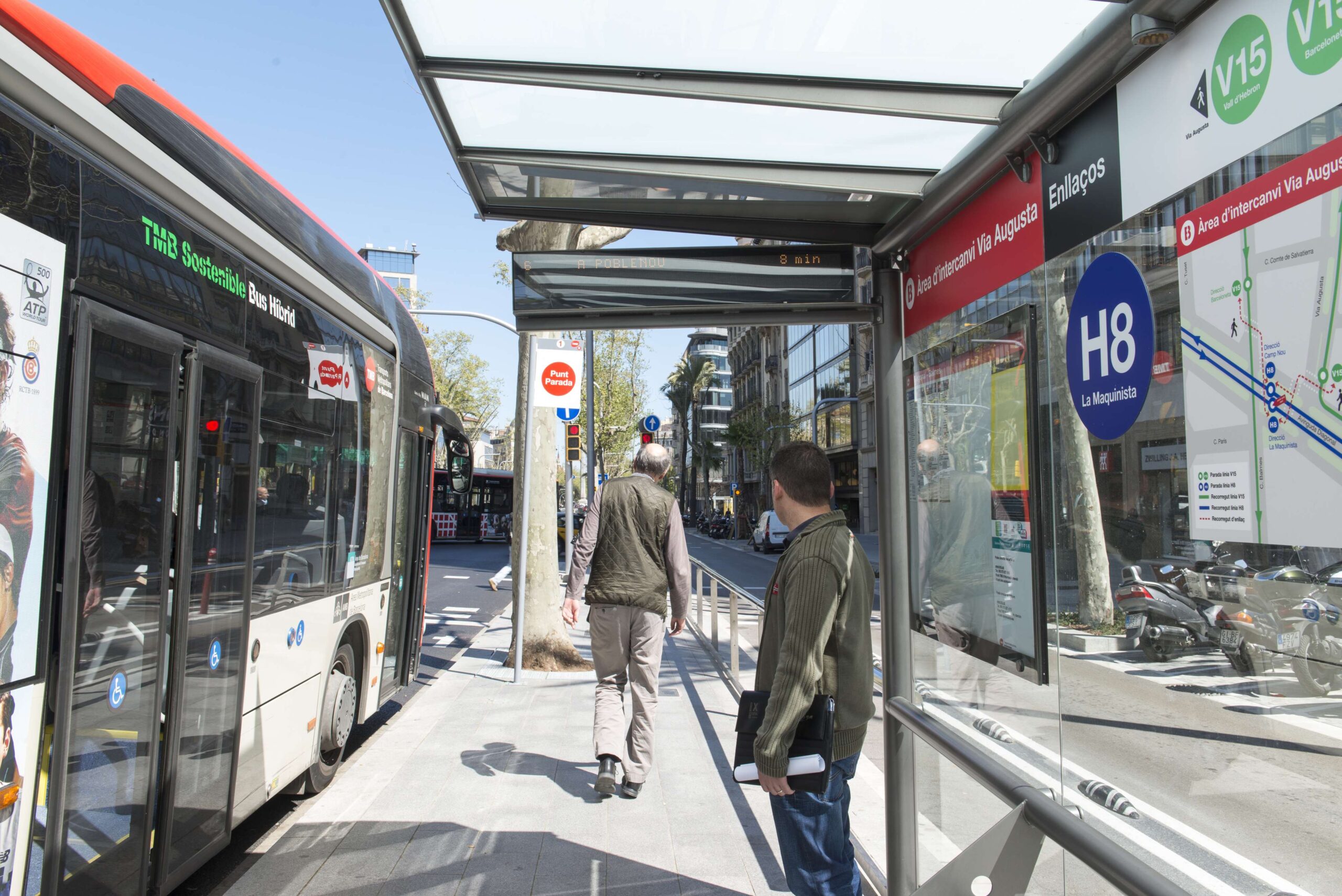
- Creating complete streets that accommodate pedestrians, cyclists, drivers, and public transport users alike. This idea originated in the United States and Canada, where there is a strong reliance on cars for transportation. These streets include sidewalks, protected bike lanes, wide paved shoulders, dedicated bus lanes, accessible public transport stops, median islands, visible pedestrian signage, and roundabouts. Their design varies depending on whether they are located in town centers, suburban areas, or rural communities.
Stroads converted into streets
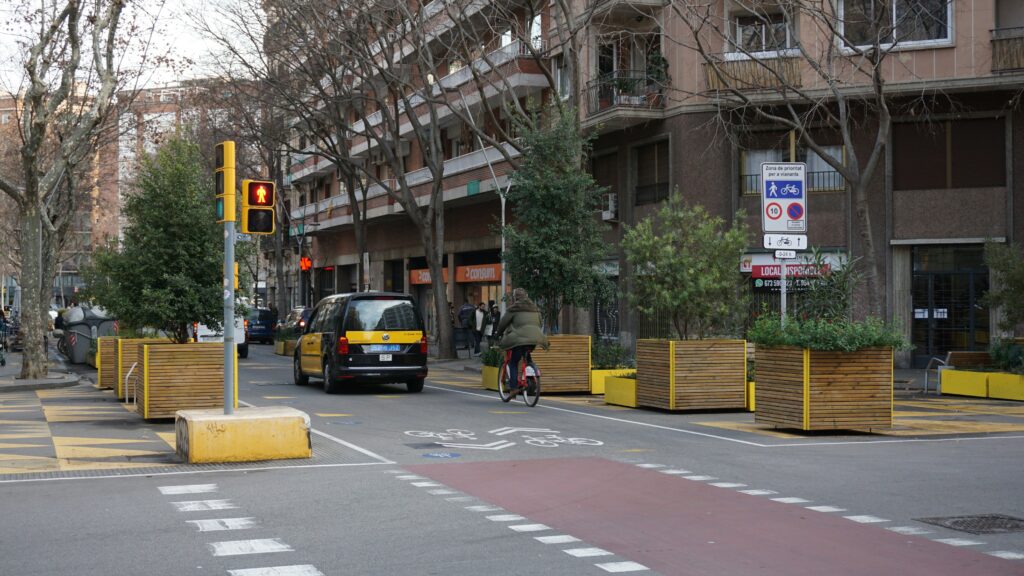
In the United States, there are many examples of urban roads being redesigned as pedestrian-friendly streets.
Lancaster, a city in Southern California’s desert region, transformed a five-lane road into a two-lane street with a tree-lined central boulevard that serves as public space for events like festivals and markets. It has since become the city’s cultural and economic center.
In San Diego, La Jolla Boulevard was created by narrowing a five-lane urban road to two lanes, adding roundabouts and side parking areas. Lowering speed limits has led to reduced noise and fewer traffic accidents, while retail sales have increased thanks to improved pedestrian accessibility.
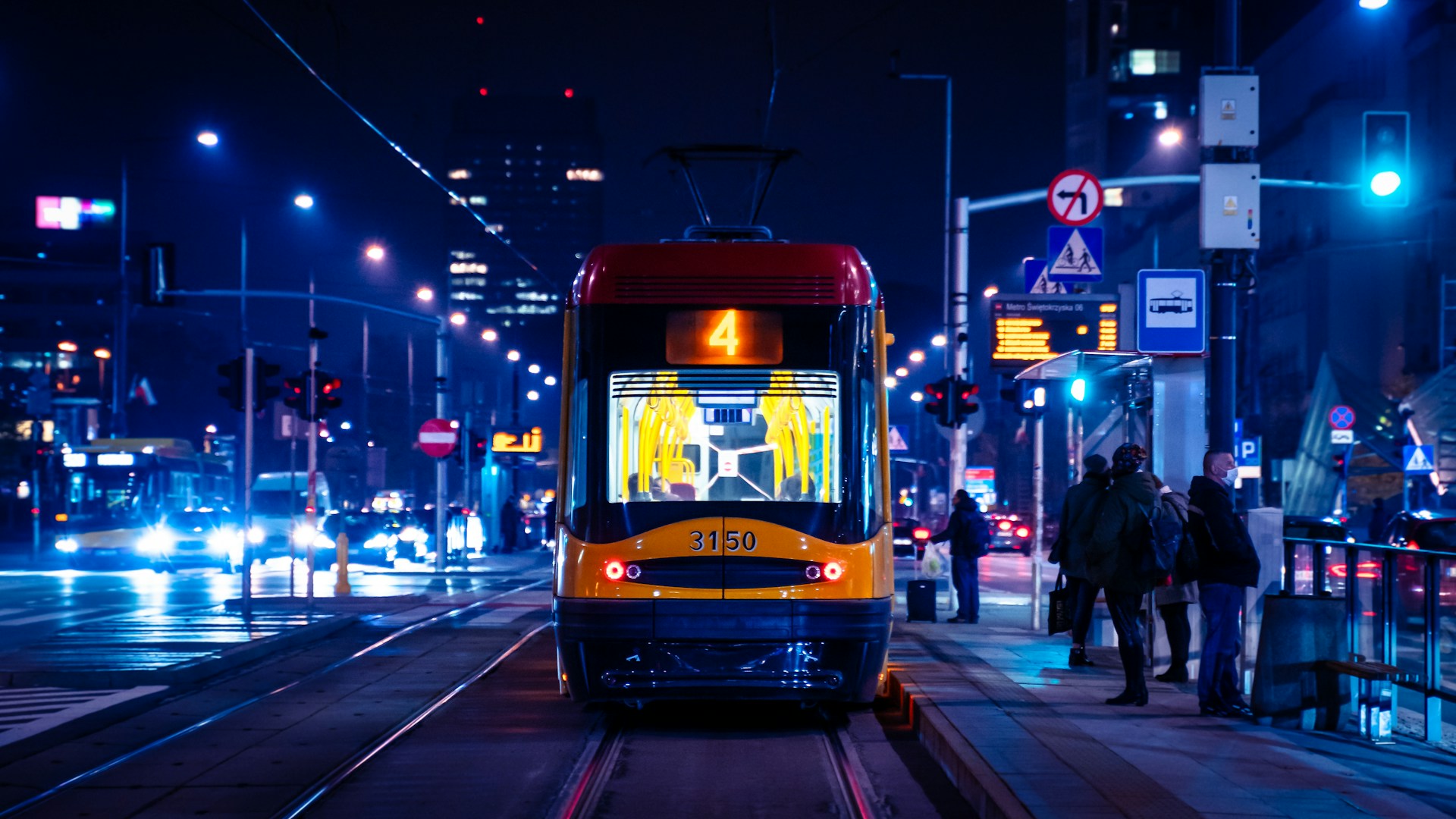
In Spain, one of the most notable examples of a complete street is Avenida Gasteiz in Vitoria, featuring wide tree-lined sidewalks, dedicated cycling lanes, integrated tram service, and a road design aimed at minimizing the impact of motorized traffic.
Images Marek Lumi Ramy Robson