



Table of Contents
Author | Raquel C. Pico
One of the main challenges cities worldwide must address is the optimization of urban mobility. Modern transportation must respond to the growing demands of citizen mobility, the increasing urban population, and sustainability goals that call for green and clean transport solutions. The real challenge lies in how to achieve this. Establishing a solid mobility pyramid appears to be the first essential step. Next, it is essential to provide the resources necessary to implement these urban plans.
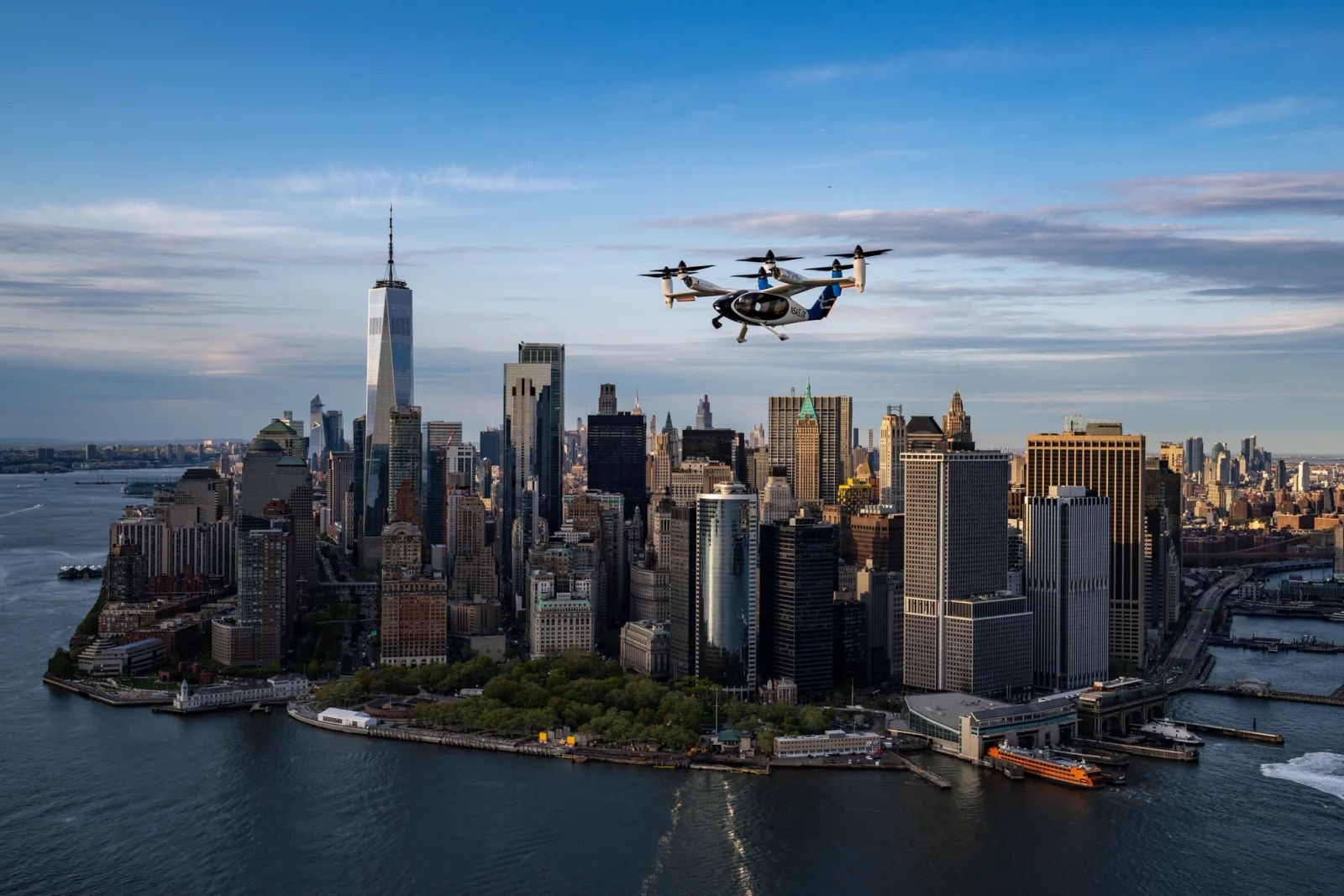
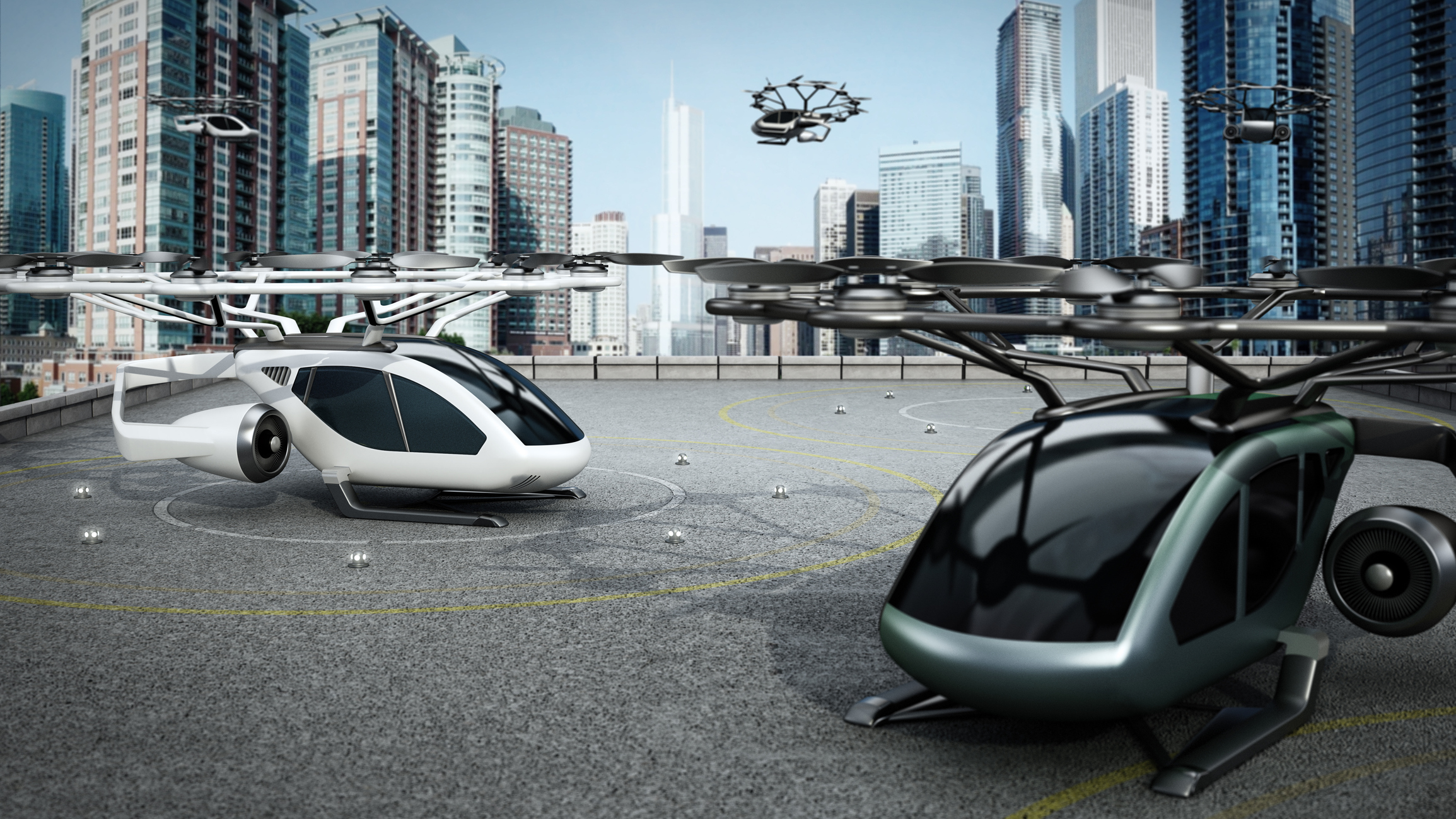
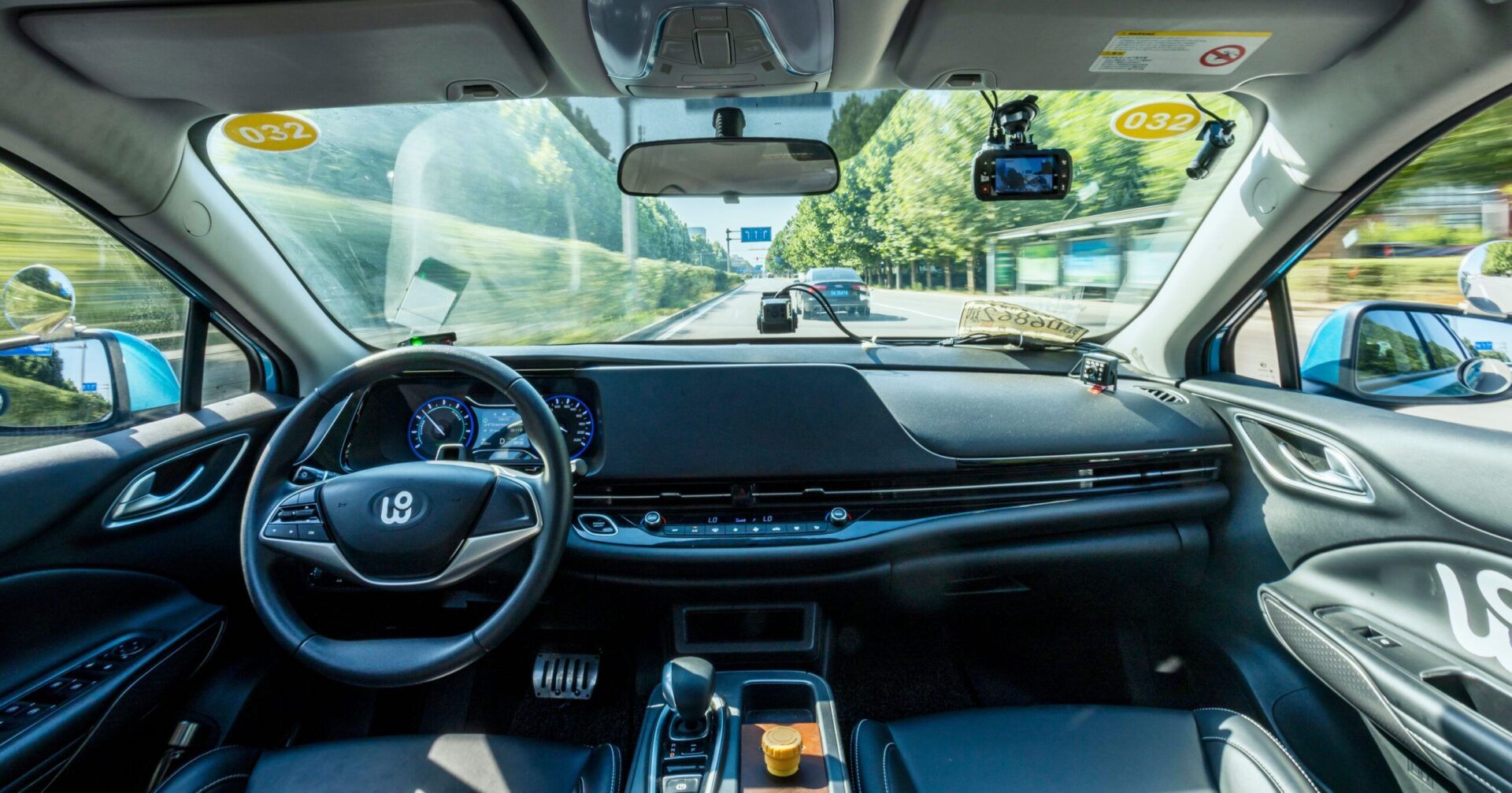
Urban digitalization is unlocking solutions that not long ago appeared to be straight out of a sci-fi movie. Some major cities, like Dubai, are experimenting with flying vehicles. Other cities are working to integrate both autonomous cars and driverless buses into their streets. In Europe, autonomous buses have begun testing in numerous cities, including Barcelona, Madrid, and Zaragoza in Spain; Prague and Brno in the Czech Republic; and Milton Keynes in the United Kingdom.
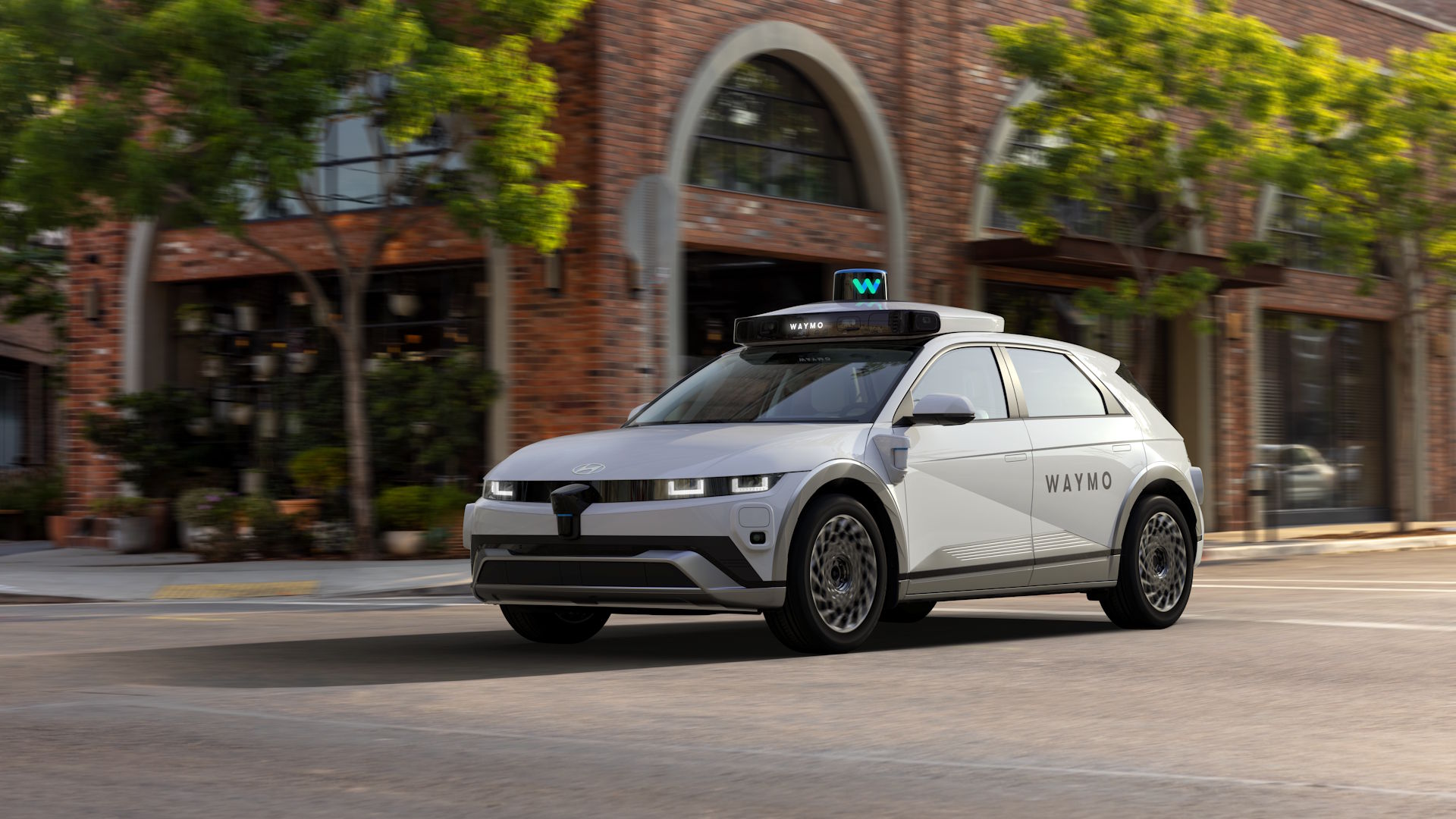
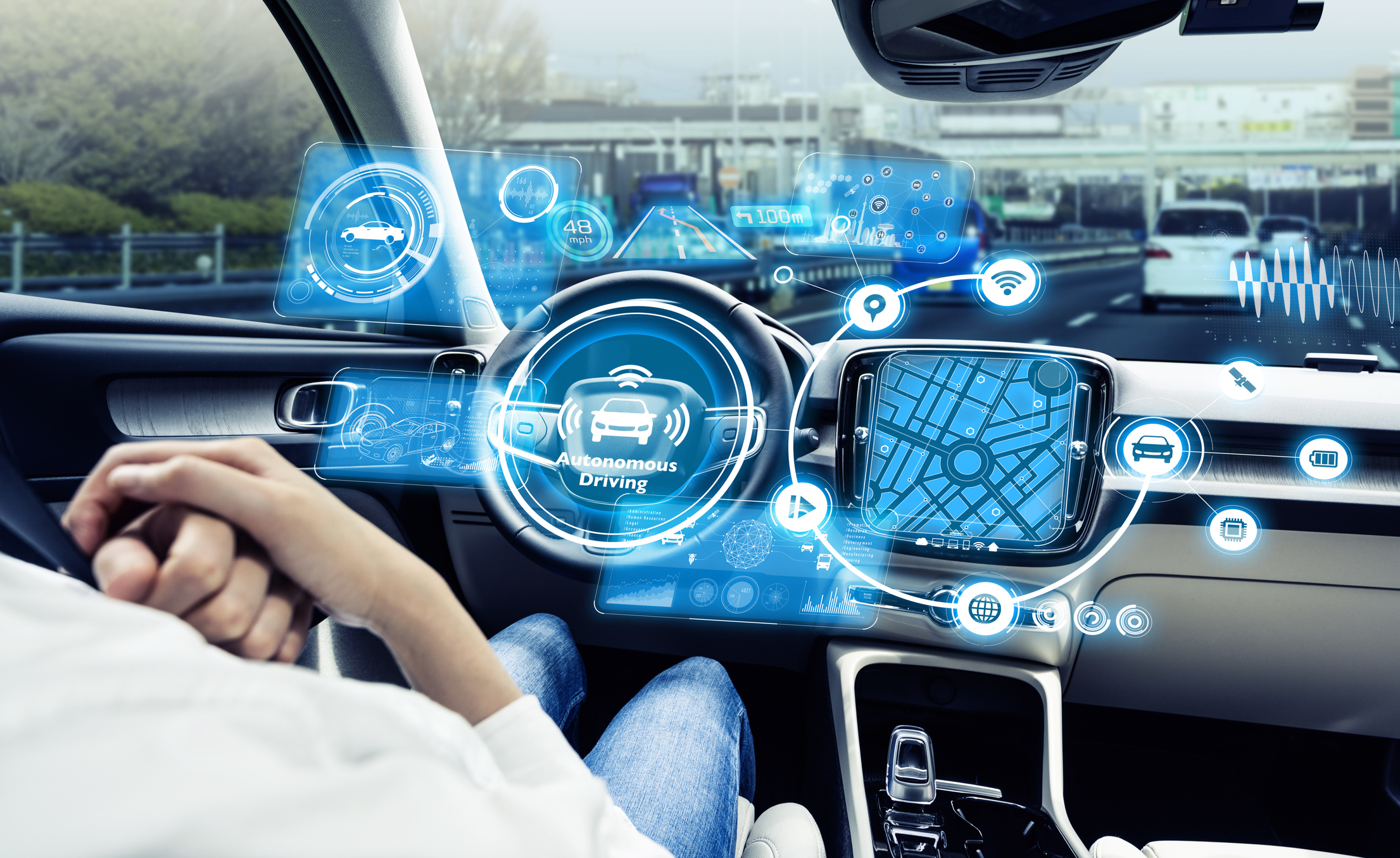
The concept of automated vehicles is especially appealing to many cities, as it eliminates the need for drivers while allowing for extended operating hours and more flexible routes. Driverless cars are already in use on streets in cities around the world. Driverless buses represent the next step forward, offering a greener alternative by increasing passenger capacity per trip.
Testing in Milton Keynes

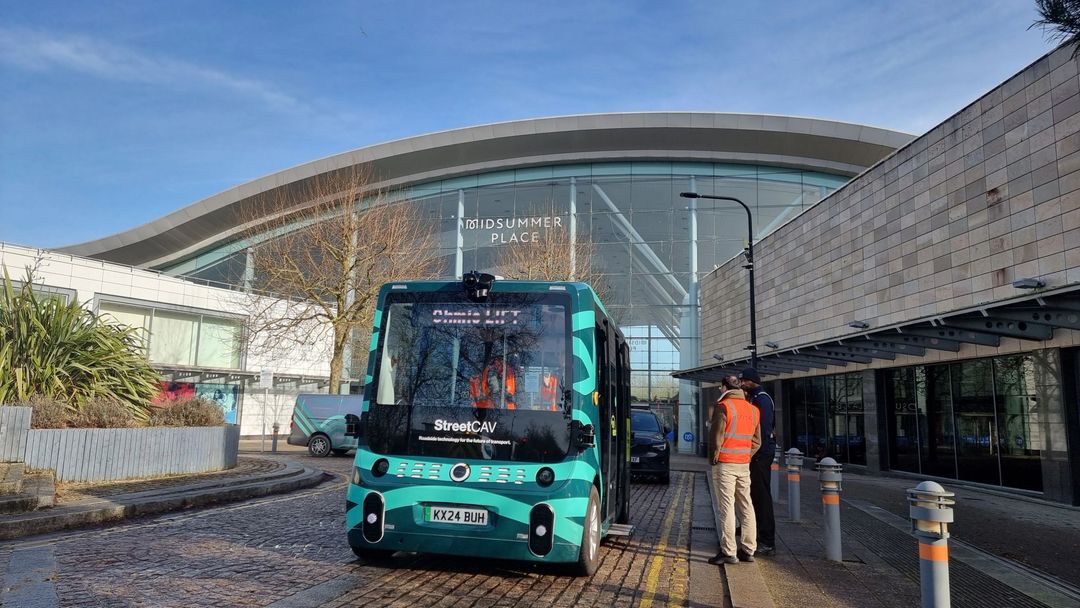
In Milton Keynes, the Street Connected and Autonomous Vehicles project has been launched, led by the city council in collaboration with Smart City Consultancy and supported by several corporate partners. “We are committed to exploring innovative transport solutions that benefit both residents and visitors, while also contributing insights for sustainable cities around the world,” said Councilor Shanika Mahendran, who oversees economy, sustainability, and innovation in the municipal government.
The idea first came about back in 2023, but it is now that it has become something tangible. In January 2025, the city council announced the upcoming start of driving tests for a fleet of autonomous vehicles.
These autonomous cars will navigate the urban center, with various pick-up and drop-off points for passengers. Eight passengers will travel on these driverless buses, which, according to the municipal press release, will be “fully accessible”.
On-route safety
One of the primary concerns for many is the safety of autonomous cars. However, municipal officials have confirmed that these vehicles will operate at low speeds and will be connected to a control room for ongoing supervision. If necessary, an operator will be able to take control of the driverless bus remotely.
To prepare for implementation, the city conducted tests that mapped the urban center, collecting information about the driving environment and geography along the routes the automated vehicles will take.
The insights gained from this experiment, including data on vehicle operation and passenger experience, will guide future urban mobility decisions. The city will also host trials of autonomous cars on its roads as part of a dedicated project led by Cambridge University.
An additional layer of smart cities

Driverless buses are, therefore, a key component of the strategy smart cities are adopting to tackle challenges and shape future solutions. These types of transport solutions in highly connected environments require a significant amount of data and generate more effective responses in cities that can fully leverage technology and its potential.
They can even help solve long-standing and outdated problems, such as the inefficiency of public transport routes. In fact, Milton Keynes residents recently voiced their concerns about the bus route design, which provided inadequate and inefficient service to certain areas for some residents.
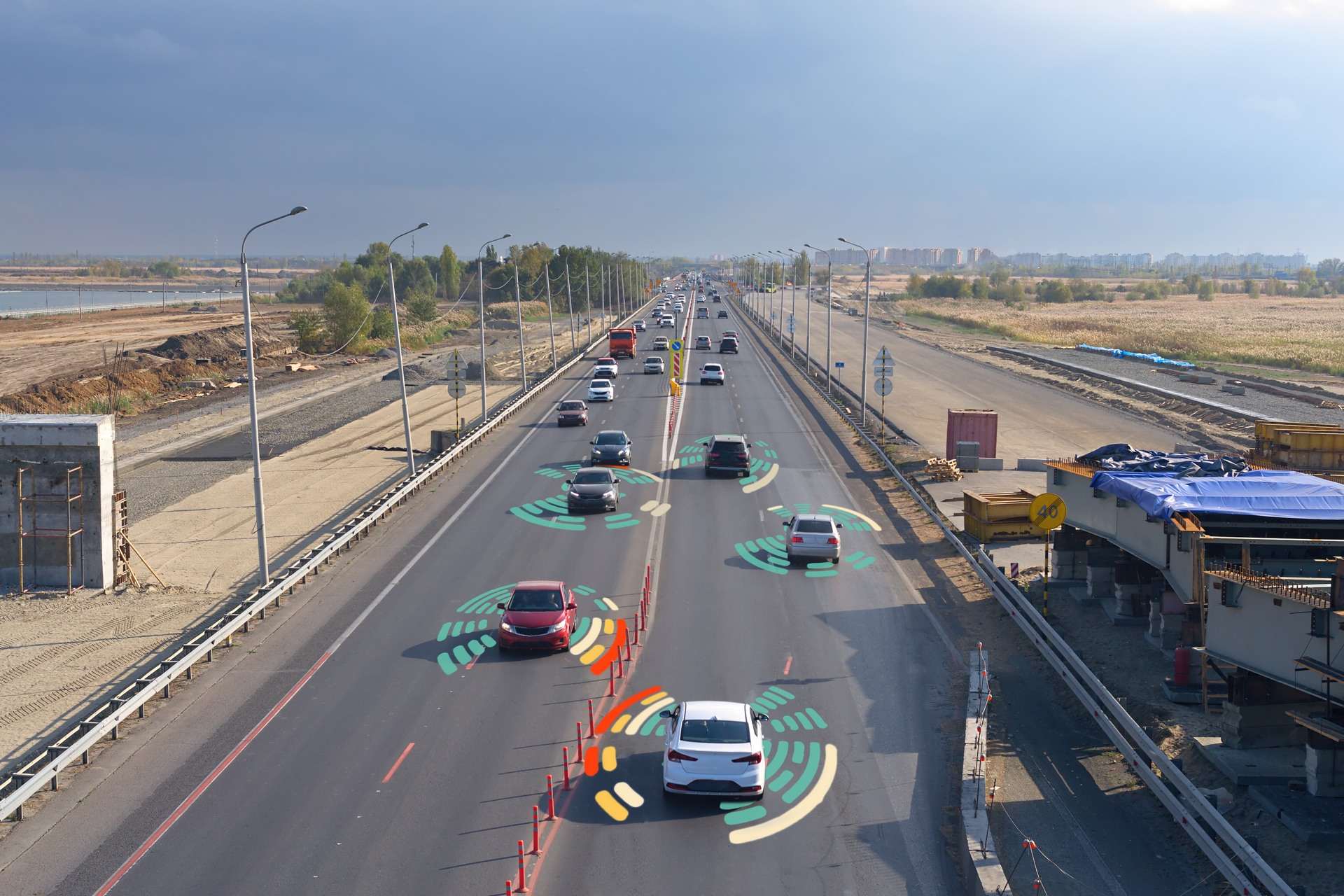
Autonomous vehicles will not only optimize routes based on real-time requirements but also serve as a continuous source of information about street conditions. By collecting data continuously, autonomous vehicles provide cities with insights on what is needed, where, and how, potentially leading to improved public services.
Photos | Milton Keynes City Council, Ohmio, CHUNYIP WONG/iStock