


Table of Contents
Author | Elvira Esparza
The low-speed electric vehicle (LSEV) market is expanding rapidly worldwide due to the increasing restrictions on combustion vehicles. They have emerged as an alternative to conventional vehicles, enhancing mobility by being well-suited for short-distance travel and navigating congested city traffic.
Fifty percent of the demand for low-speed electric vehicles comes from the United States and Europe, where they are primarily used in gated communities and resorts. Meanwhile, in China, their popularity is rising due to government incentives. In China, the adoption of low-speed electric vehicles is projected to grow by 25% in the coming years.
Strategies for promoting LEVs
The Chinese government has implemented various measures to encourage the adoption of low-speed electric vehicles. In 2009, it approved a plan to establish China as a leader in electric and hybrid vehicle manufacturing, aiming to reduce air pollution.
In 2010, it introduced an incentive program in five cities—Shanghai, Shenzhen, Hangzhou, Hefei, and Changchun—offering subsidies for the purchase of electric and hybrid vehicles. These subsidies, which concluded in 2022, were not directly given to purchasers but were provided to manufacturers, enabling them to lower the price of the vehicles. It also approved tax exemptions for the purchase of electric vehicles, a policy set to remain in effect until 2027.
Furthermore, China has invested in expanding charging infrastructure for electric vehicles, reaching 8.596 million charging units by 2023, according to data from the China Electric Vehicle Charging Infrastructure Promotion Alliance (EVCIPA). This development has facilitated the penetration of LEVs into more densely populated urban areas.
Overview of Chinese low-speed electric vehicles
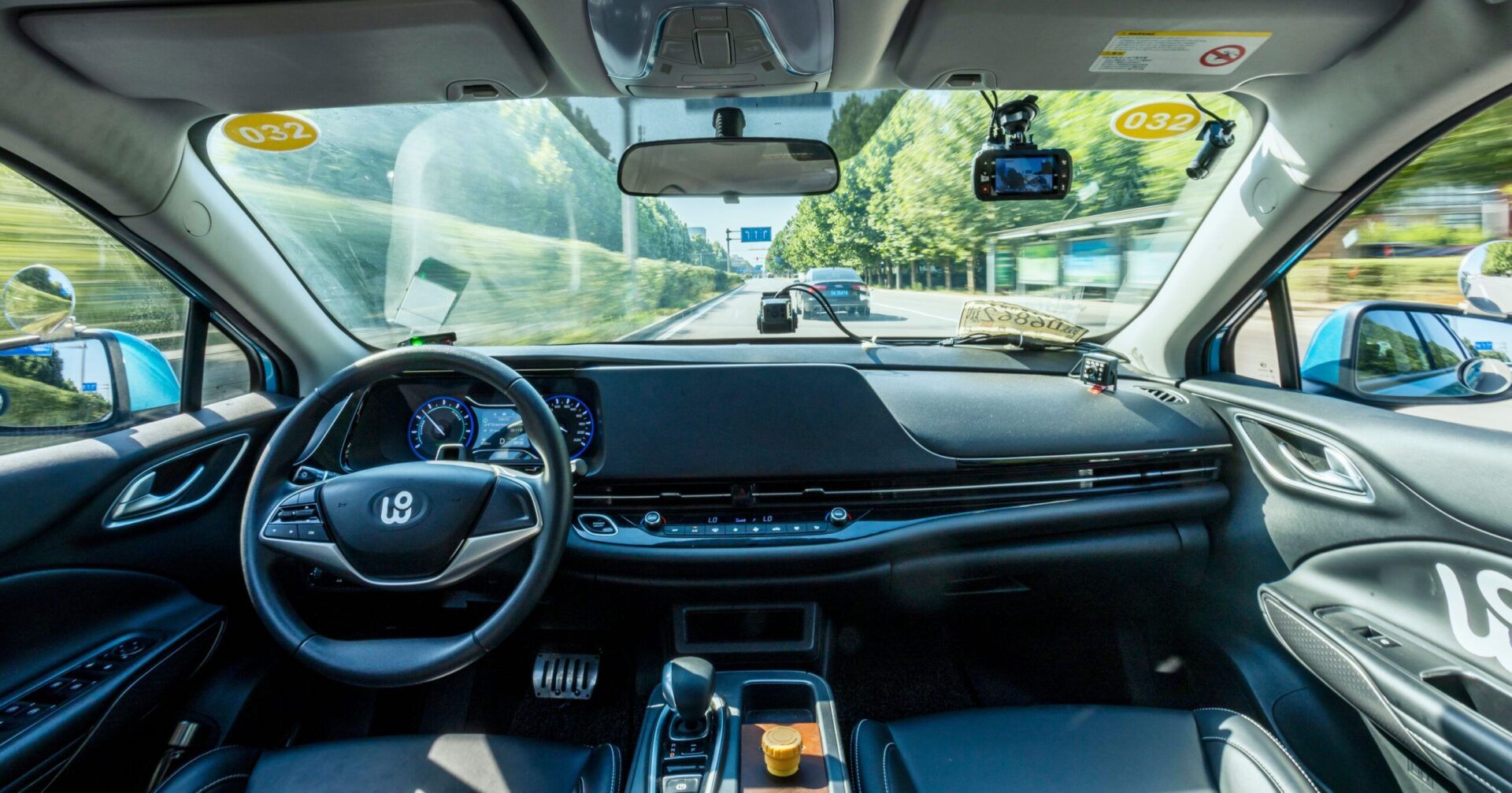
These vehicles are characterized by their small size, accommodating 2 to 4 people, and feature a compact design with lightweight bodywork. They are designed for short trips in both urban and rural areas.
Their maximum speed ranges from 40 to 70 km/h, with a driving range of 50 to 150 km per charge, depending on the battery capacity.
In terms of batteries, they may feature lead-acid batteries in more affordable models or lithium-ion batteries, which provide greater durability and are typically found in higher-end versions. Furthermore, these vehicles have the advantage of being charged using standard domestic outlets, although the charging time can range from 6 to 10 hours.
The price is another advantage of these vehicles, as they are more affordable than conventional electric vehicles, ranging from 2,000 to 6,500 euros, making them accessible to low-income households.
Initially, the lack of regulation allowed for their rapid expansion in rural areas and small cities. However, they are now required to comply with safety regulations concerning braking, stability, and chassis structure. They cannot exceed speeds of 80 km/h, and while they can still be driven without a license, some cities, such as Beijing and Shanghai, require a special license for their use.
In some cities, they must be registered with license plates, as LEVs are granted preferential access to specific urban areas and are exempt from certain driving restrictions.
How do Chinese cities encourage the use of LEVs?
Major Chinese cities have implemented measures that grant LEVs priority access to specific urban areas, aiming to reduce pollution and promote the use of cleaner vehicles. Some of the most notable cities include:
- Beijing: Electric vehicles enjoy preferential access to low-emission zones, while LEVs face fewer restrictions on the limited number of license plates available for combustion vehicles.
- Shanghai: Offers free license plates for electric vehicles, making it easier for them to navigate congested urban areas.
- Shenzhen: Provides preferential access to LEVs in designated urban areas. They also benefit from exclusive lanes and dedicated charging infrastructure.
- Guangzhou: Encourages the use of LEVs by offering incentives and providing priority access to specific areas.
- Hangzhou: LEVs enjoy benefits such as free parking and discounts in select urban areas.
Thanks to these measures, the adoption of low-speed electric vehicles is increasing in cities, contributing to more sustainable and efficient mobility in China’s congested urban centers.
Image | Freepik