



Table of Contents
Author | Raquel C. Pico
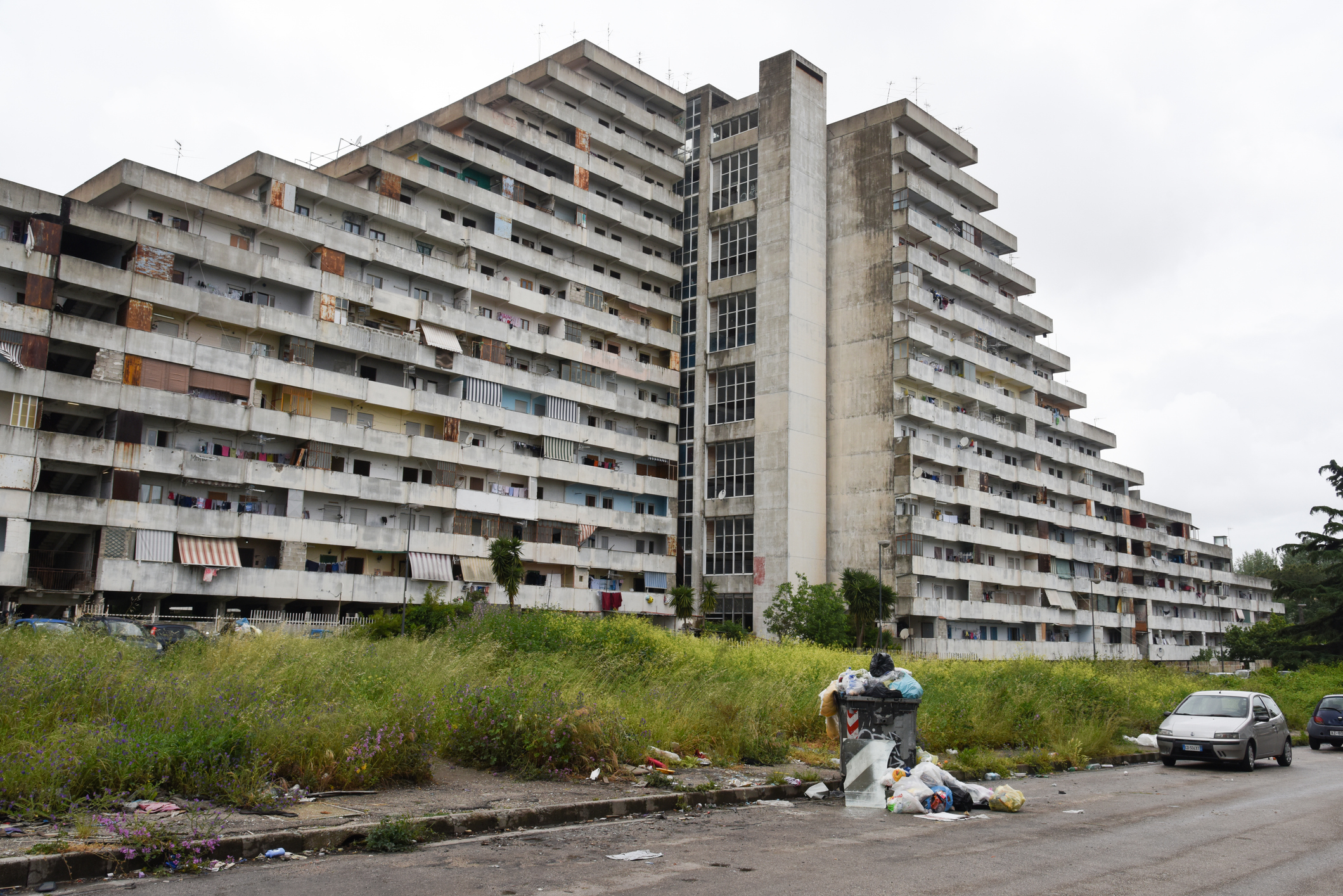
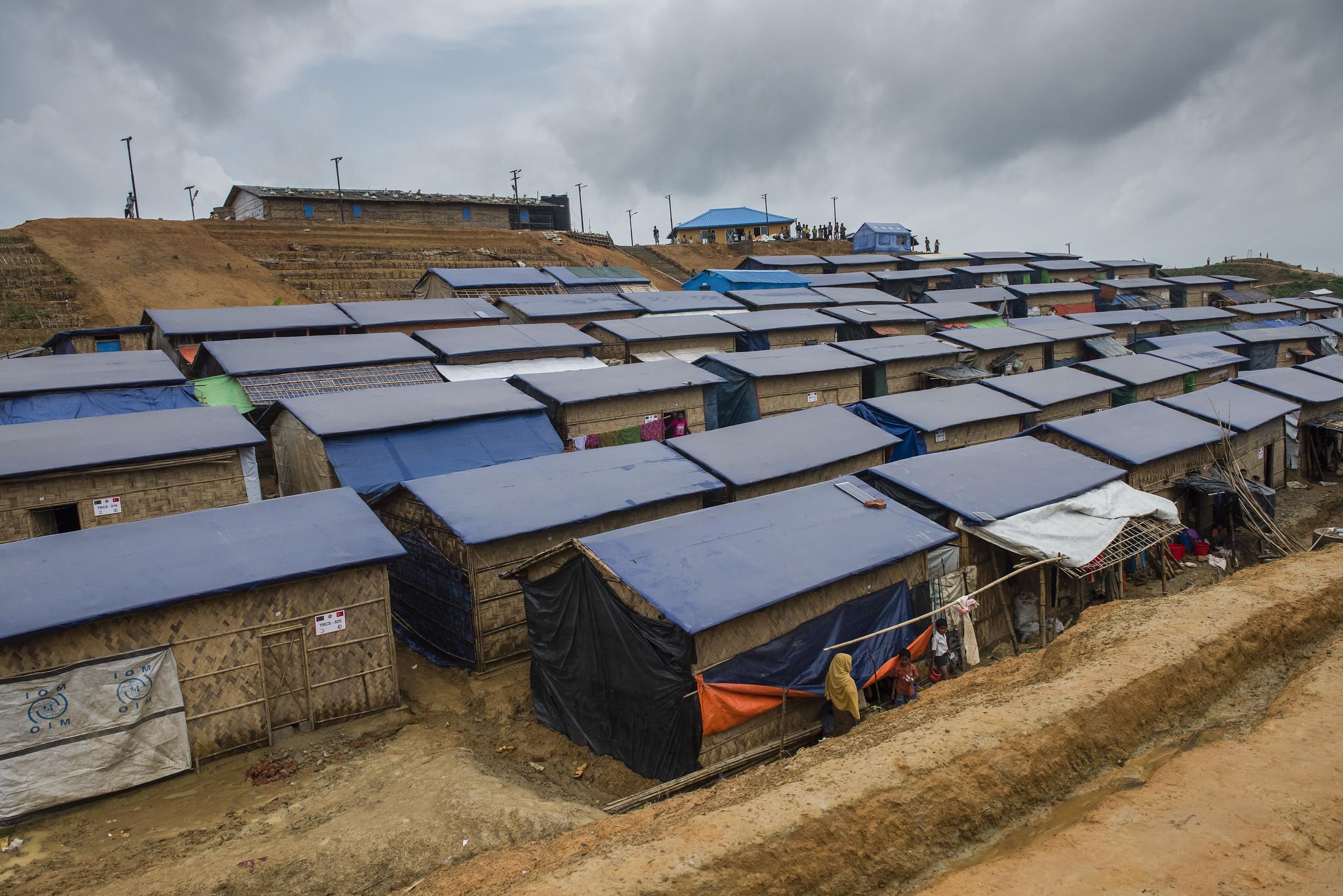
One of the major challenges of this decade is the housing crisis: it affects several countries as a cross cutting issue in which demand for housing is not being met. The slowdown in the construction of apartment buildings is, at first glance, one of the key reasons. The reality, however, is far more complex than a lack of housing developments.
Housing needs
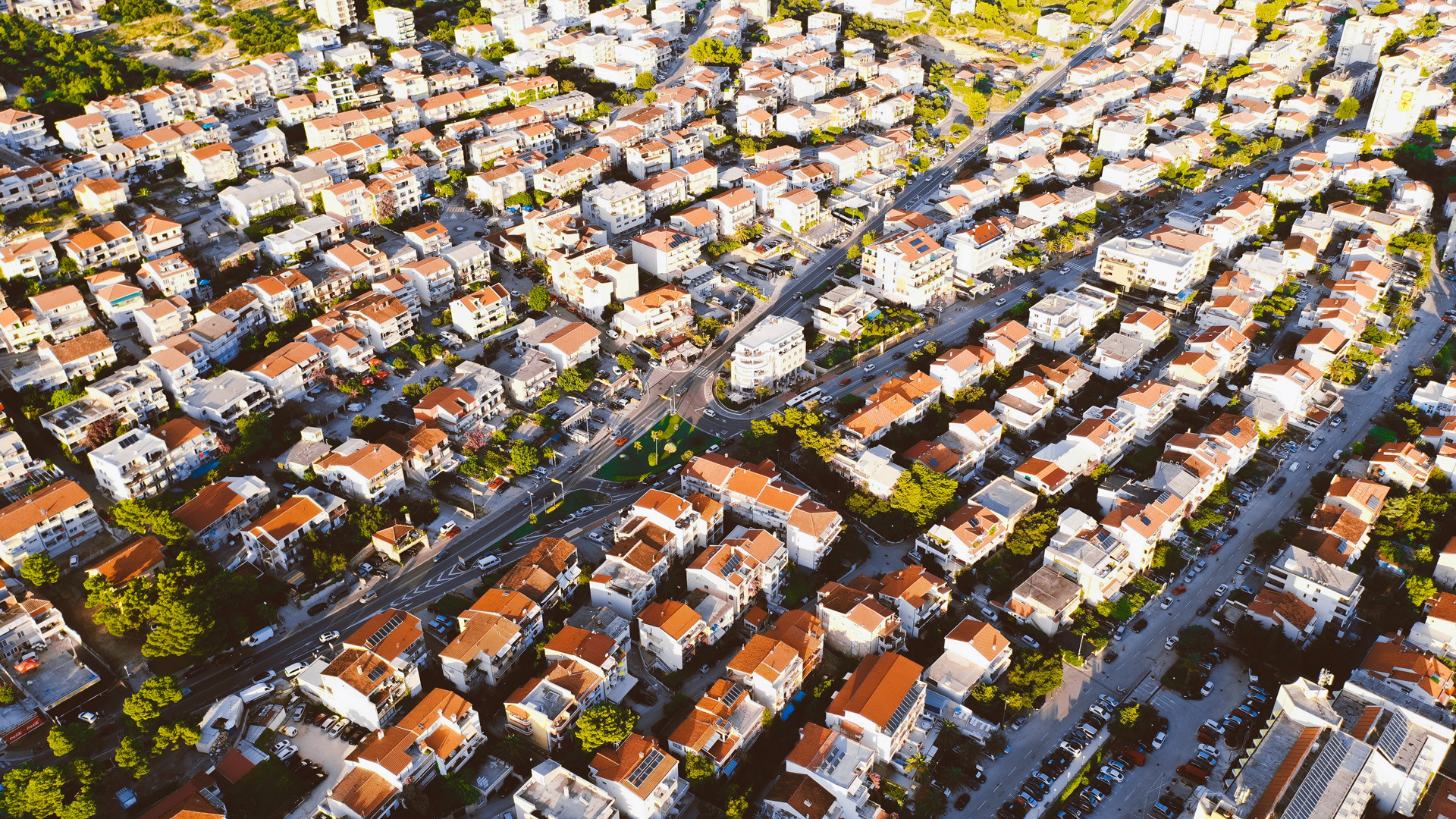
Statistics have identified a gap in the housing market. According to estimates by UN Habitat, a total of 3 billion people will need a home by 2030. To meet this demand, around 96,000 new homes would need to be built every day, including apartment buildings or residential developments.
These figures are not being met. In the United States alone, for example, there is a deficit of 1.5 million homes, according to estimates by Moody’s Analytics. The big question, then, is whether not enough is being built and why.
The slowdown in real estate development
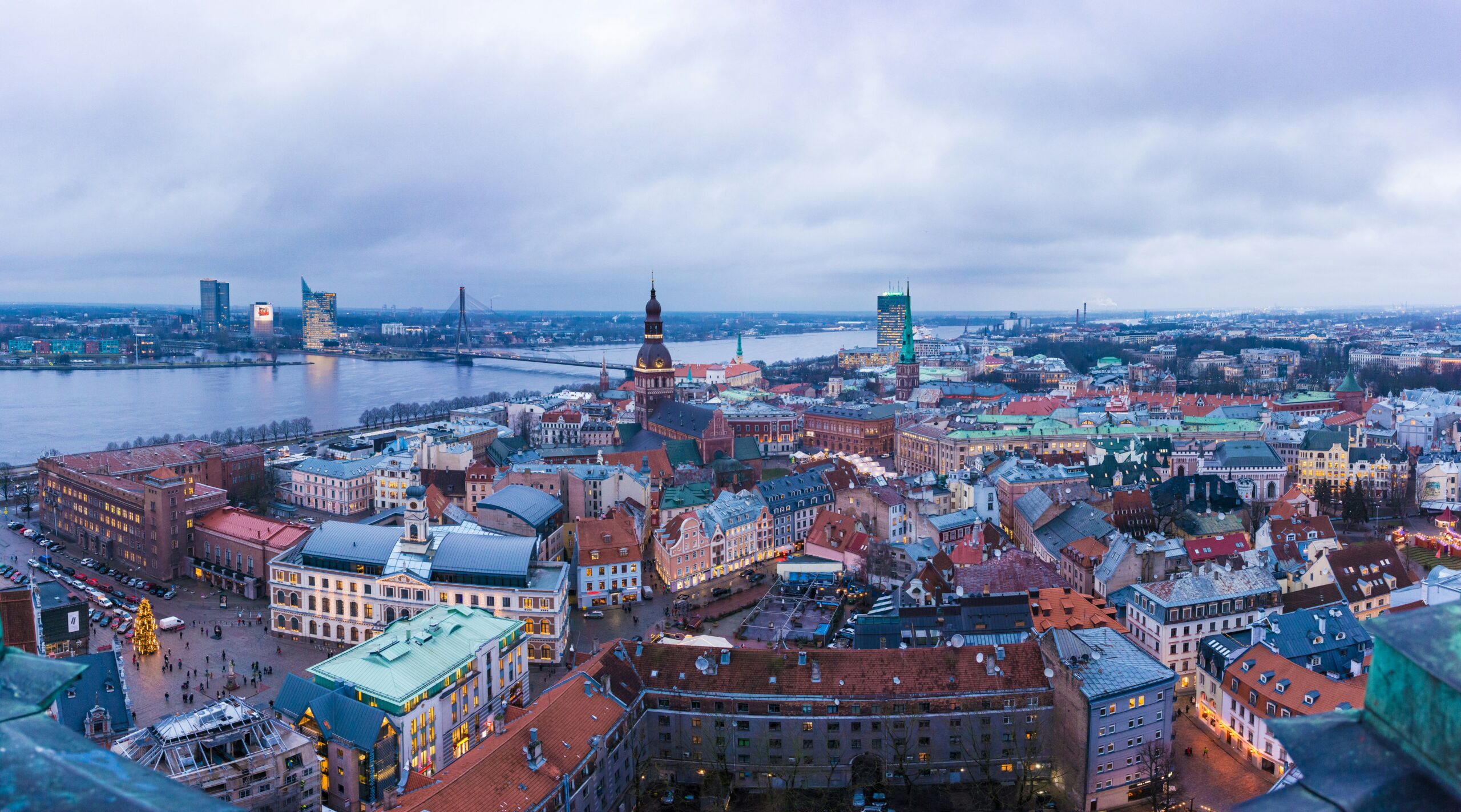
Spain and the situation in its cities offer a clear example of the broader trend. This is not a problem unique to the Spanish economy, and the pressures on housing development there can be seen in many other markets.
Apartment construction in Spain slowed abruptly after the housing bubble burst during the 2008 crisis. The market has grown since then, but some analysts suggest not enough. As a report by El Periódico notes, although 2024 set the highest construction level since the crash, surpassing the figures recorded in 2012, the numbers are still below pre crisis levels and remain insufficient to ease market demand. The 98,000 new homes delivered in 2024 are far below the more than 600,000 completed in 2008 and the 700,000 homes needed to meet current market demand.
The housing shortage now weighs heavily on daily life and has become a nightmare in many cities. The shortage of available homes has increased sevenfold over the past four years, according to the newspaper’s figures, with 50 percent concentrated in Madrid, Barcelona, Valencia, Alicante, and Malaga. Prices for both new apartment buildings and existing homes have surged, and rents have climbed to historic highs.
The same is happening in many other cities around the world.
What has caused the decline in apartment housing construction
The housing crisis is driven by several factors. The 2007–2008 crisis disrupted the real estate market and slowed apartment construction. In some countries, it also devastated the construction industry, with bankruptcies, closures, and the loss of developers.
There is also a shortage of land for new real estate developments, an issue frequently raised by the construction industry in several countries, along with growing competition for skilled labor, which is essential to launch apartment housing projects and is becoming increasingly scarce. This last factor also affects the existing home market, as renovation projects cannot move forward, further complicating the situation.
Construction bureaucracy and urban planning processes also play a role, slowing down new projects, as does the cost of borrowing, with interest rates higher than in previous decades, which also creates a socioeconomic gap in access to housing. Housing costs have grown faster than wages, putting pressure on citizens, especially those who have no choice but to rent. In the United States, an analysis by Harvard’s Joint Center for Housing Studies indicates that half of renters spend a third of their income on rent and 26 percent spend half. In 2019, the Lincoln Institute of Land Policy analyzed the housing situation in 200 cities worldwide and found that housing costs were unaffordable in 90 percent of them.
At the same time, construction costs have also increased, driven by the effects of the coronavirus crisis and the geopolitical instability of recent years. This has made the situation even more difficult.
The consequences of the slowdown in housing construction
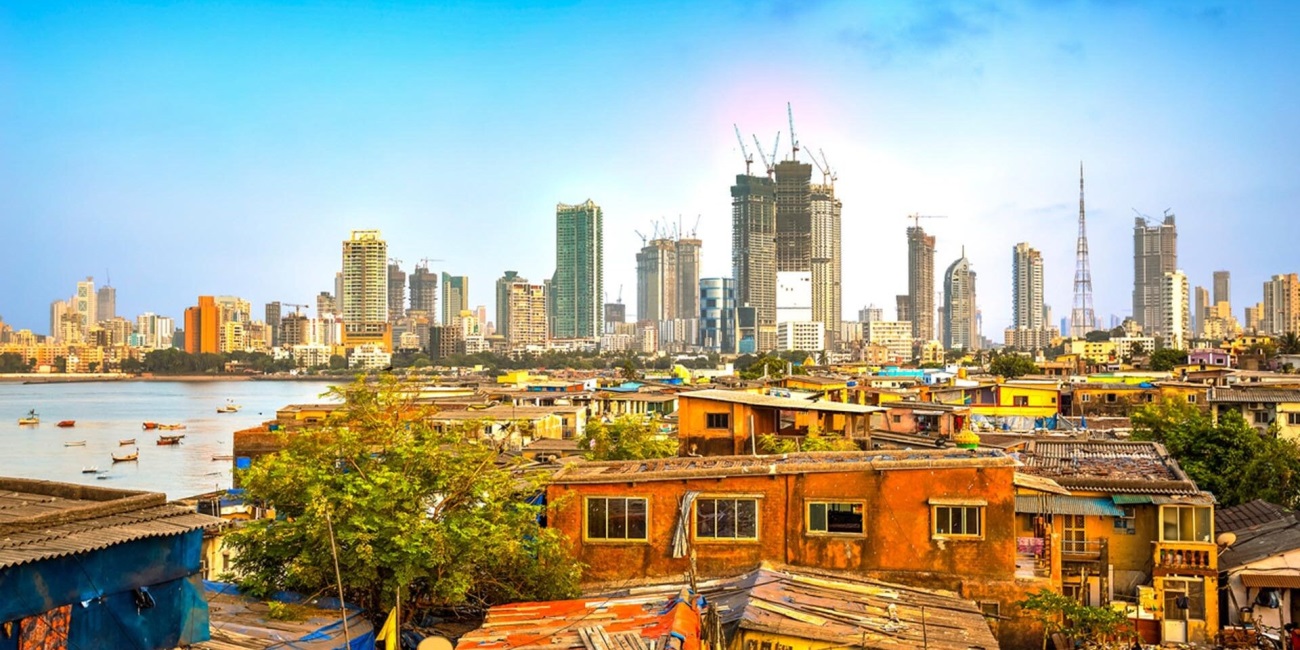
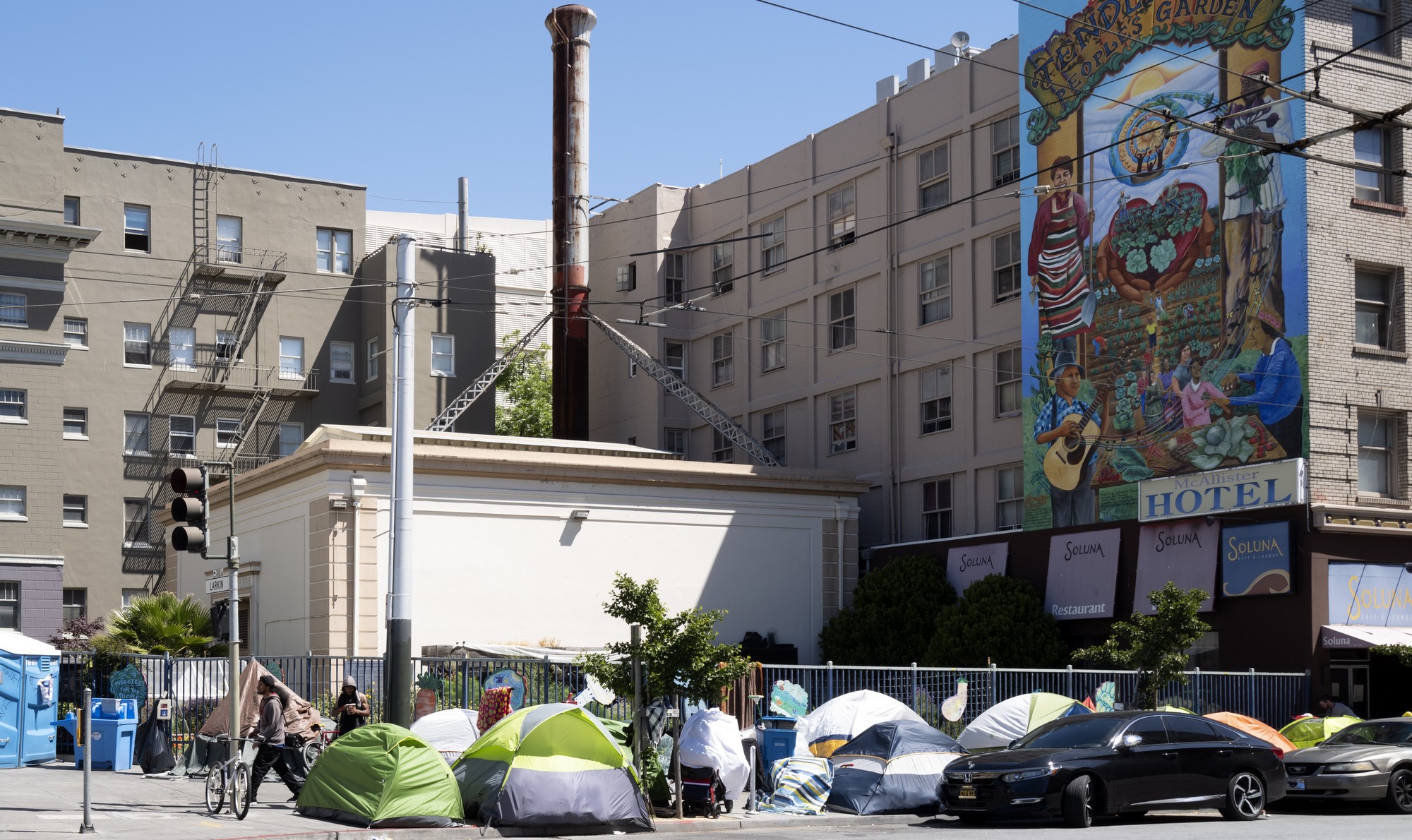
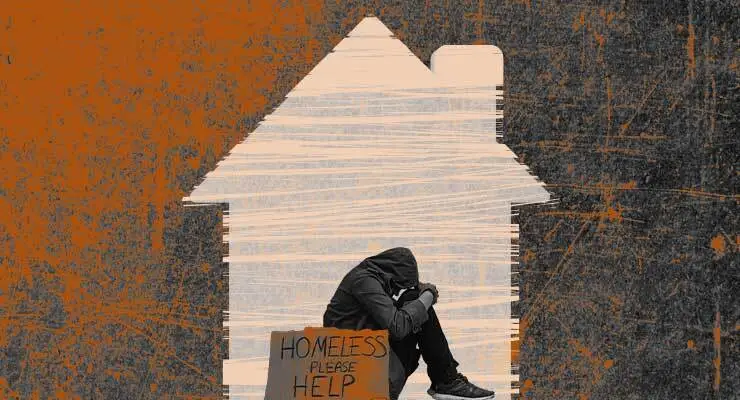
All of this has direct effects on cities and their residents. Housing pressures have continued to rise, pushing more people into poverty and even homelessness. The situation also reflects the widening wealth gap. An analysis by The New York Times shows that construction has not actually stopped in key US cities. Instead, new apartment buildings and residential projects tend to prioritize luxury housing or homes for single residents in the era of micro-living.
This is why some experts warn that the issue is not simply about building more, but building differently. For example, it is important to consider who housing is being built for and how it can be made more accessible. Modular construction or public housing are emerging alternatives.
Photos | Gilaxia/iStock, Iryna Melnyk/iStock, goncharovaia/iStock