



Table of Contents
Authors | M. Martínez Euklidiadas, Lucía Burbano
Can bacteria be used in construction? The technology has remained inert until well into the 20th century. Only certain pioneering studies in the area of genetic research and fluorescent proteins use biological material as tools, but rarely for structural purposes. Now, thanks to materials such as living concrete, developed by a team of scientists from the University of Colorado in Boulder, United States, we may soon see urban development based on construction techniques that use life as its main mechanism.
What is living concrete? A sustainable bacteria-based building material
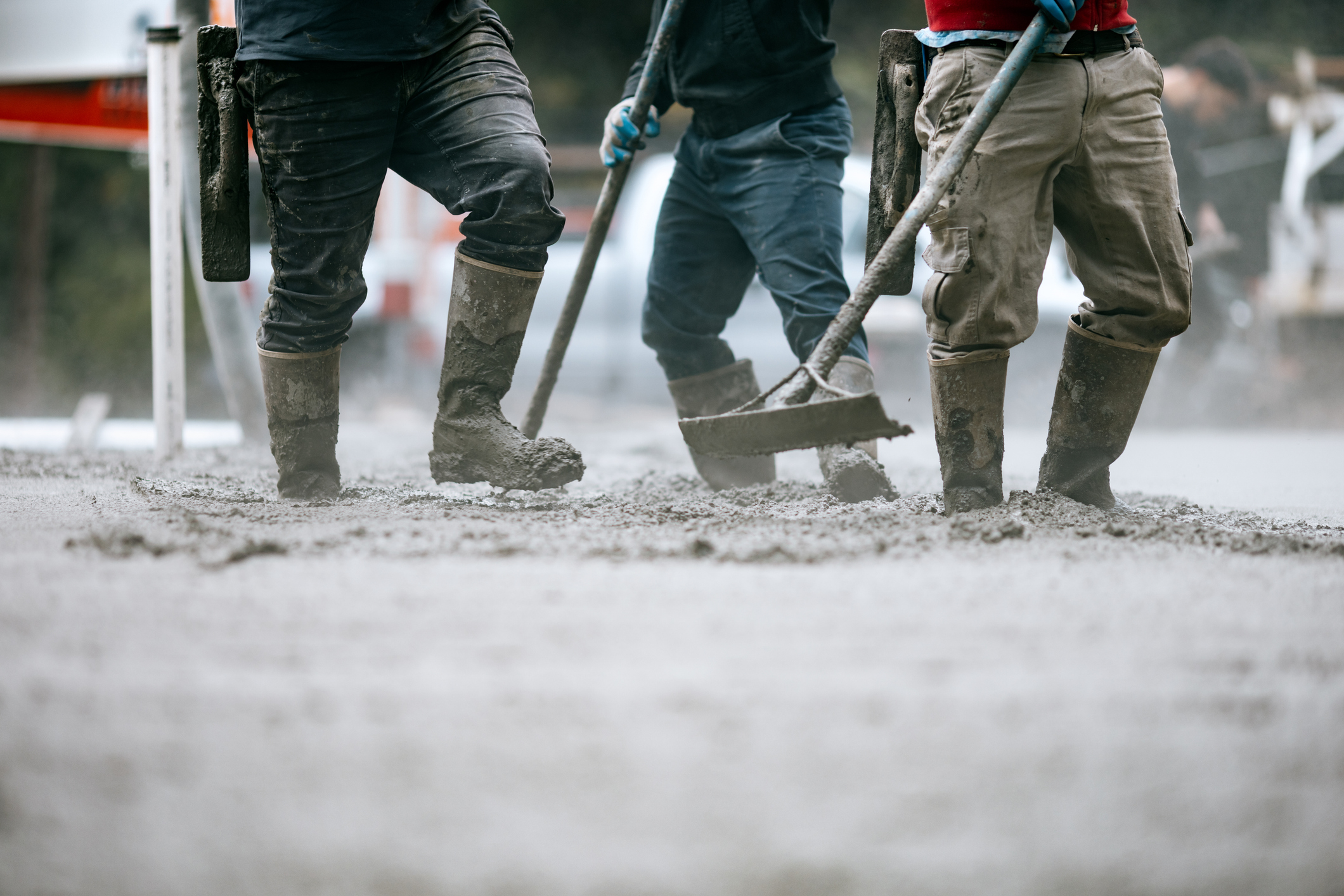
Conventional concrete is a basic building material. Cheap, durable, safe and with a highly predictable behavior, its wear facilitates inspections. That is why it is generally left unpainted. Despite the advantages of its physical behavior, water can crack concrete and cause flaws at a structural level. But… what if we injected bacteria into it to repair the concrete as it cracks? The fundamental idea of living concrete is to alleviate the structural deficiencies of traditional concrete, by adding a live, self-healing component. It is basically classic concrete to which compounds are added such as calcium lactate biodegradable capsules. Compatible with concrete, their main feature is that they dissolve in water. Therefore, when the concrete cracks, the capsules open up, releasing their bacterial load. For example, bacillus subtilis, a common bacterium. These bacteria generate a chalky layer that fills the fissure in the concrete. They do not increase its resistance, but they do protect these cracks from the elements, automatically sealing them.
What kinds of ingredients are used in this innovation? — Gelatin and photosynthetic bacteria
Headed by Wil Srubar III, the team of scientists that developed living concrete discovered an interesting mix of hydrogel and photosynthetic cyanobacteria. By inoculating this form of microscopic life in a sand and hydrogel scaffold within the concrete, the actual bacterial biology was able to create an automatically self-healing putty. The way self-healing concrete works is quite simple. When the combination of cyanobacteria and hydrogel are exposed to the open air, the bacteria use sunlight as their primary energy, combining the sand and materials dissolved in the gel to build biominerals such as calcium carbonate and using CO2 as the raw material. This material, present in seashells, strengthens the concrete in mechanical terms. Apart from the significant structural advantages, living concrete enables the CO2 to be absorbed from the atmosphere as it is healing, which could contribute to the construction of much more sustainable cities.
Challenges in sustainable construction with living concrete
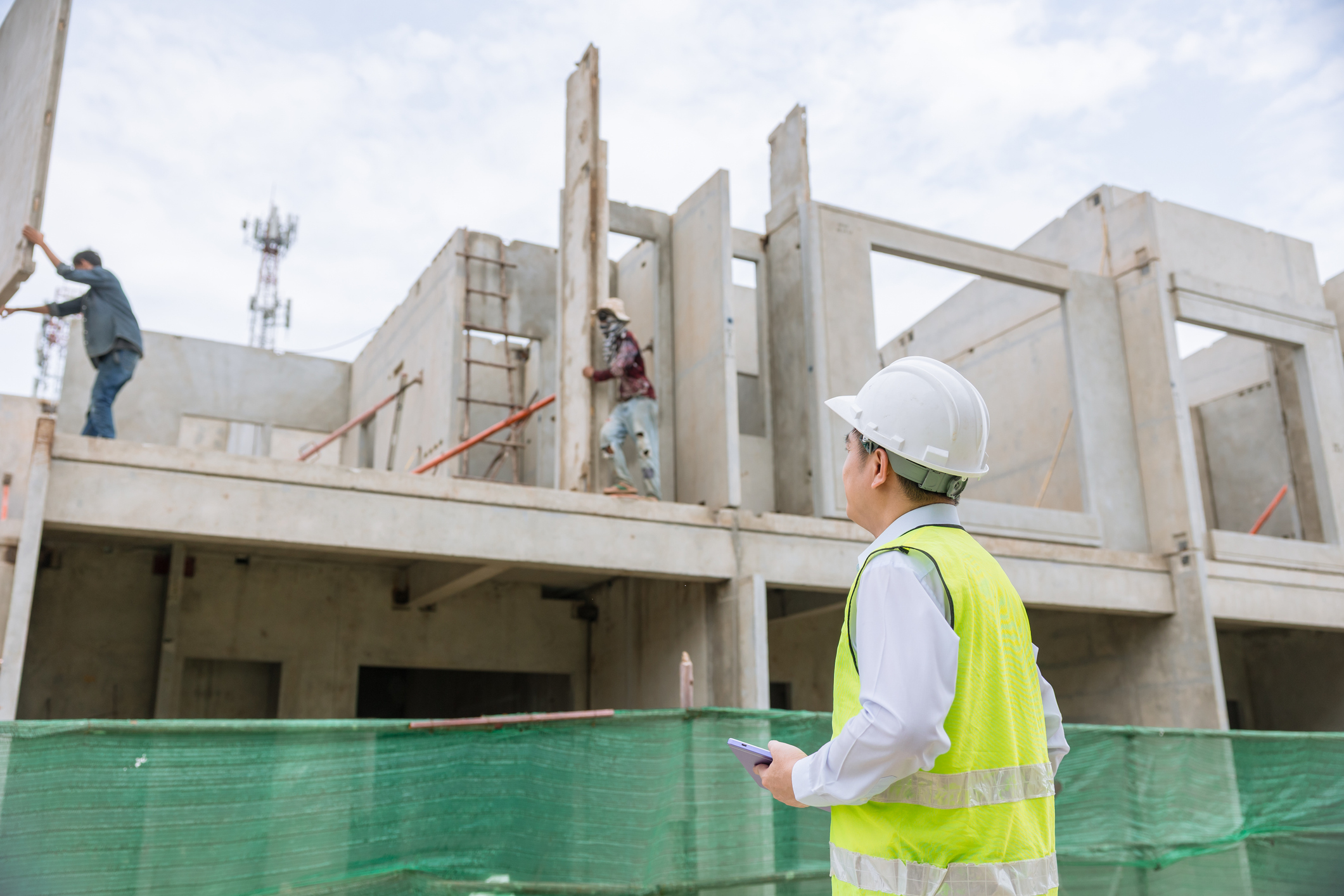
This field still raises questions about long-term bacterial viability, cost, scalability, curing conditions, nutrient availability, performance at the structural scale, and the standards and certifications needed for the widespread use of a more sustainable type of concrete.
A 2022 study noted that advances in engineering remained limited and argued that improved models were needed to move beyond the laboratory in the following areas:
Advanced bacterial encapsulation
The challenge is to keep bacteria viable for decades while producing capsules strong enough to withstand the concrete mixing process.
More extensive and effective crack repair
The self-healing performance of concrete achieved in the laboratory does not necessarily translate into equivalent results in large-scale structures exposed to real-world conditions.
Damage-responsive activation
The goal is to ensure that bacteria are consistently activated when a crack forms, without premature activation or nutrient loss.
Bio-based fibers and structural integration
Another goal is to maintain mechanical performance while ensuring that the design of the biological components does not compromise strength, adhesion, or durability.
Marine applications
Another challenge is ensuring the survival of living concrete in harsh environments with high salinity, temperature fluctuations, chlorides, and sulfates that can affect both the bacteria and the healing process of this sustainable material.
Predictive modeling
Bacterial activity depends on many variables, making accurate long-term predictions difficult.
Durability beyond visible crack repair
It has yet to be demonstrated that concrete self-healing actually extends service life by preventing corrosion and the ingress of water or chemicals.
Cost and scalability
One challenge is achieving economic competitiveness with conventional concrete, particularly when it comes to the industrial production of bacterial capsules.
Certification
The lack of specific construction standards for biological self-healing concrete makes widespread adoption more difficult.
Living concrete benefits to construct the smart cities of the future
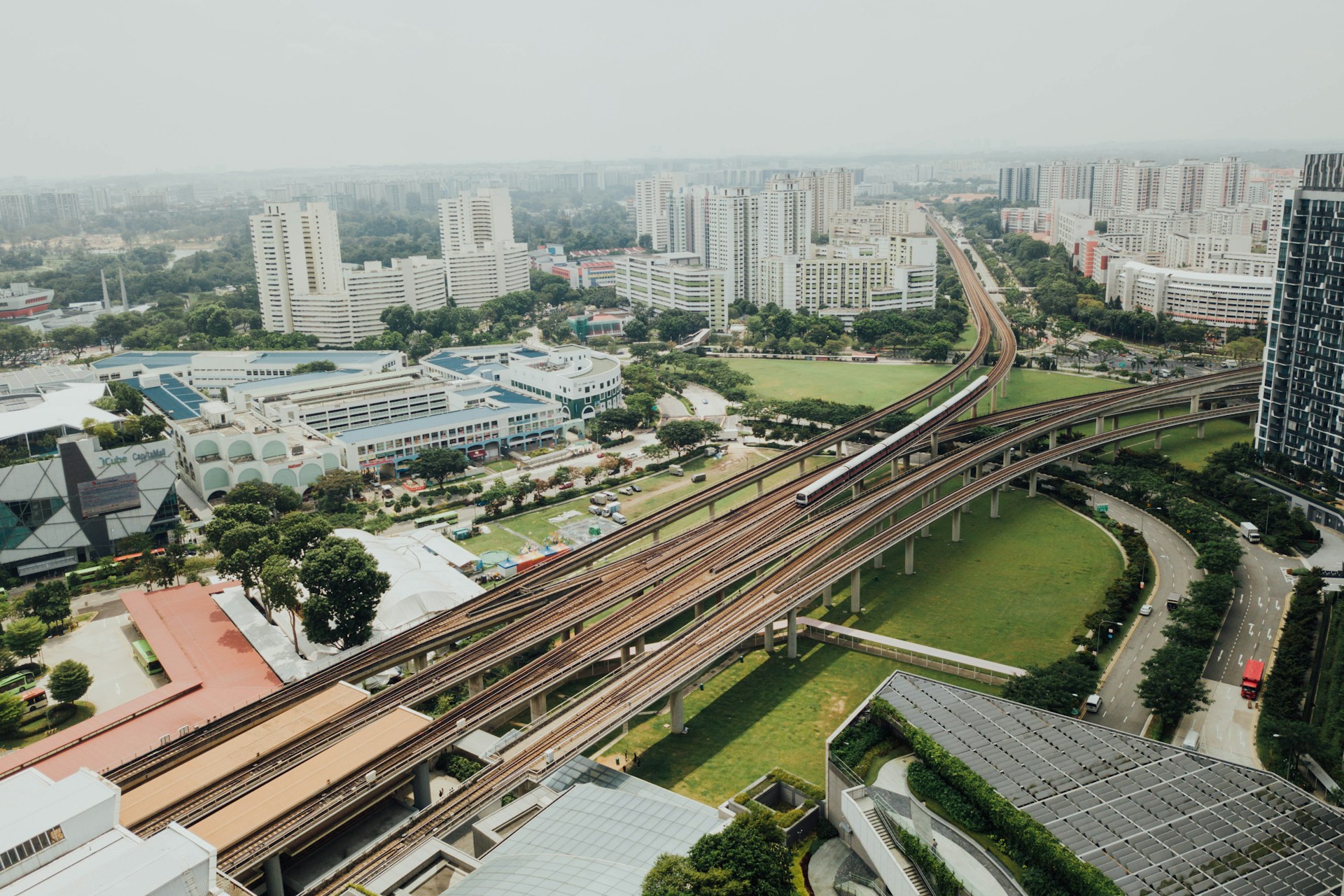
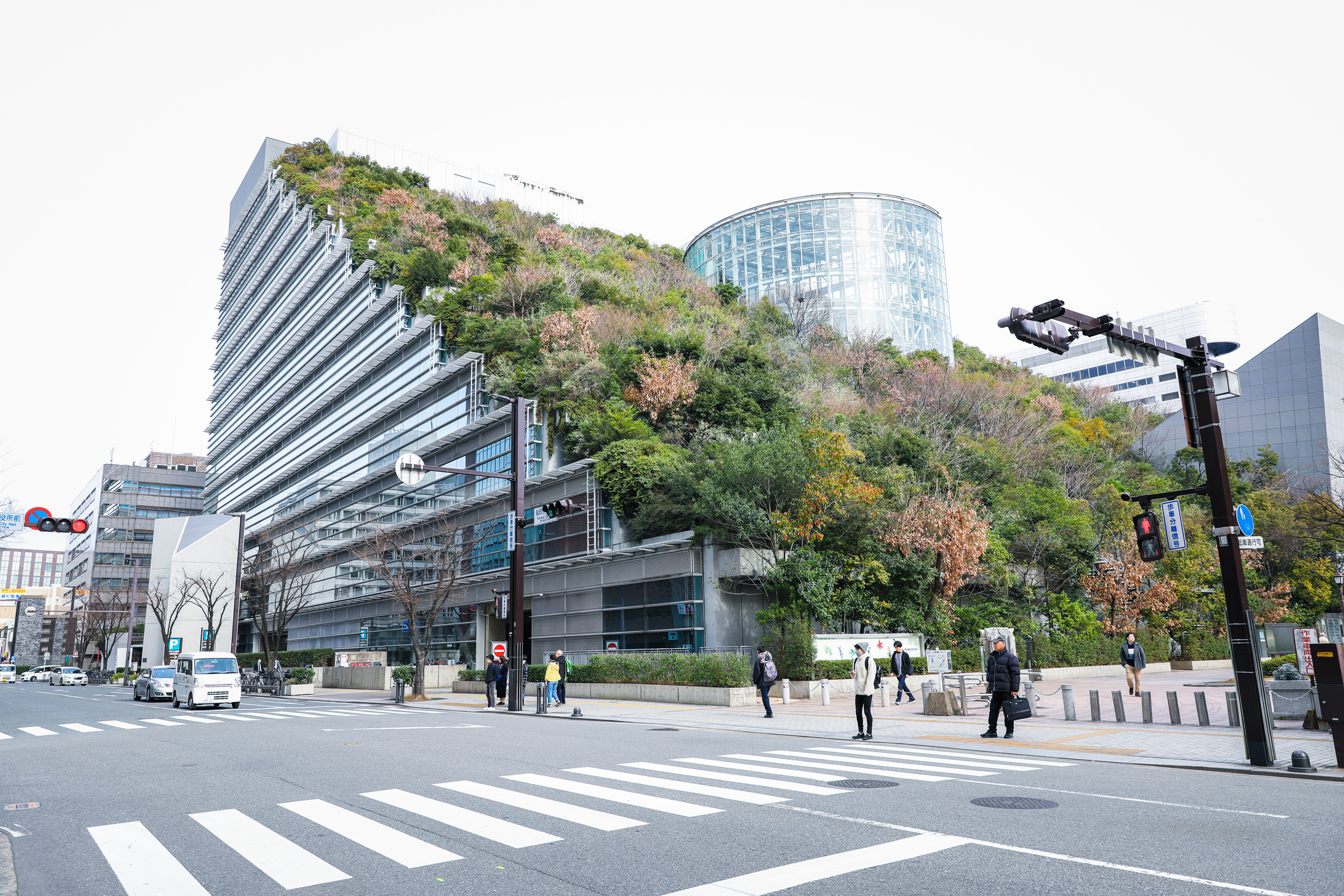
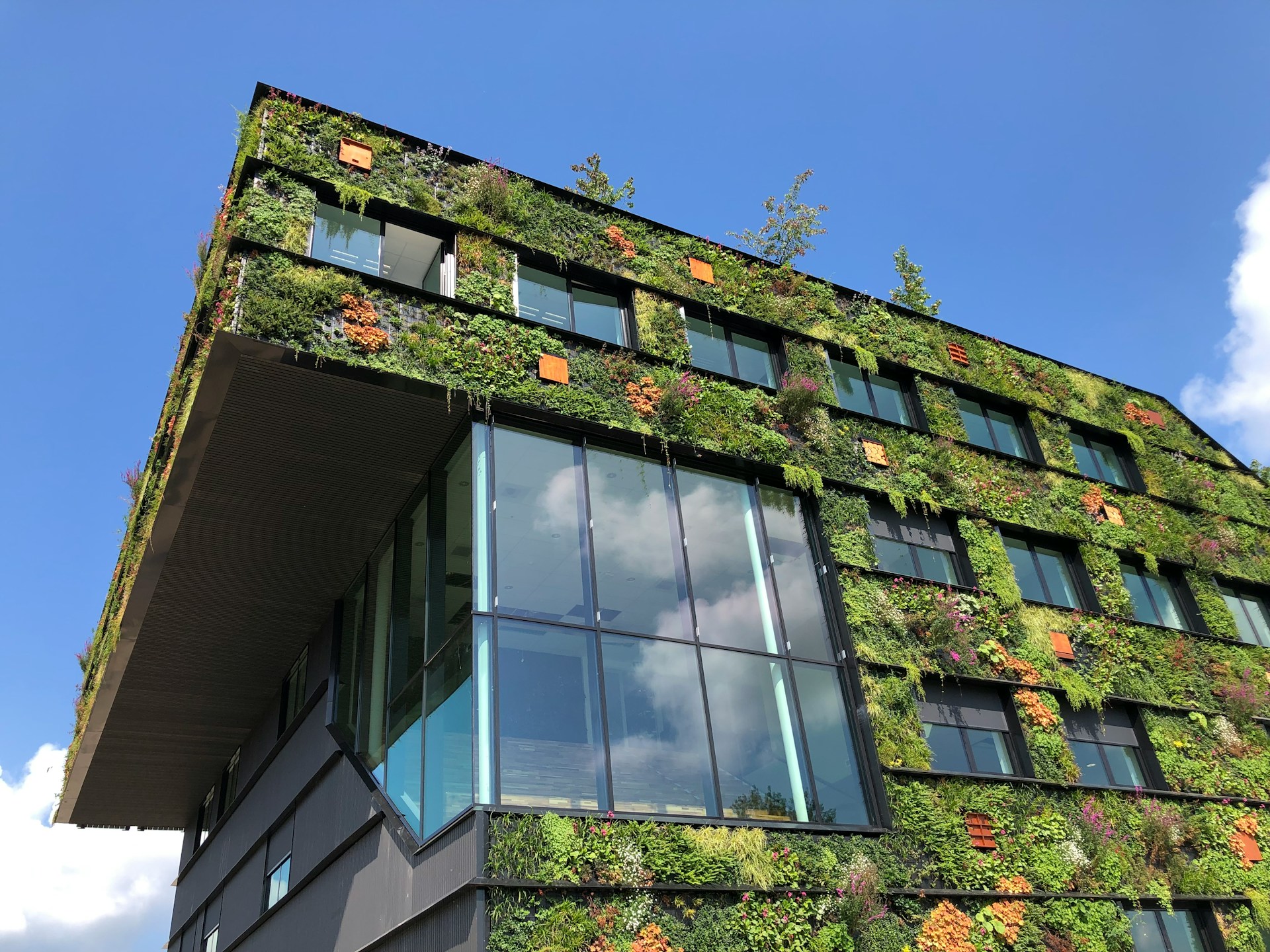
In multi-story residential buildings, bricks are just another way of working the enclosure to provide structural stability. Even so, deterioration due to humidity is closely related to the energy efficiency of the buildings and the need to repair walls. Ecological materials are the basis of sustainable urban development. In recent years, we have seen how bioclimatic architecture has been using lower environmental impact materials, as well as solutions that increase the capillarity of soils and prevent problems such as flooding. The cities of the future will probably include biological technology. If we already use E.coli to develop the next generation of LEDs or to treat cancer patients with genetically programmed remote-controlled medical loads, why wouldn’t we use these forms of developments in construction?
Engineering projects using living concrete
The Netherlands has by far the largest number of built examples, thanks to the work of Delft University of Technology and Basilisk, a company specializing in microorganism-based self-healing concrete.
ProRail rail infrastructure, Netherlands
ProRail has used self-healing concrete in precast retaining wall elements to ensure long-term durability and prevent small cracks from developing into more serious maintenance problems, since these elements are difficult to access once construction is complete.
Water treatment plant, Japan
This plant uses this sustainable material in its foundations, floors, and walls to take advantage of its waterproofing properties.
Underground engineering project, China
In this pilot project, researchers developed a microbial healing agent, incorporated it into the concrete, and monitored its performance in the underground structure using embedded sensors. The study found reductions in the number, length, width, and depth of cracks compared with conventional concrete.
Frequently Asked Questions About Living Concrete
What exactly is living concrete and how does it work?
It is conventional concrete with added bacteria capable of producing minerals that seal cracks.
What environmental benefits can living concrete offer?
By automatically repairing cracks, it reduces maintenance requirements and extends the service life of structures. In addition, certain systems using cyanobacteria can capture CO₂ during the biomineralization process.
Is self-healing concrete already being used in real-world construction?
Yes. Although it is still an emerging technology, it is already being used in infrastructure projects.
What are the main challenges to using living concrete on a large scale?
The main obstacles are keeping bacteria viable for decades, achieving reliable repair in large structures, reducing costs, and establishing specific standards and certifications for these materials.
Could living concrete become part of the smart cities of the future?
It is a possibility, particularly for infrastructure where repairs are difficult or costly. However, its long-term durability, performance, and economic viability still need to be demonstrated before it can compete with conventional concrete on a large scale.
Images | Emma Raphael, coffeekai/iStock, RyanJLane/iStock