



Table of Contents
Author | Lucía Burbano
European cities must electrify transportation, meet the growing energy demand driven by artificial intelligence and data centers, and accelerate the transition to renewable energy, all while ensuring a reliable and affordable electricity supply.
The question is not simply how much electricity Europe can generate, but whether it has the capacity and infrastructure to deliver it. This means modernizing somewhat outdated urban infrastructure to support a smarter, more flexible and resilient power grid capable of meeting the needs of electric vehicles and keeping pace with the rapid growth of artificial intelligence.
How do smart grids manage rising energy demand?
Smart grids manage rising electricity demand by combining real-time monitoring, predictive software, flexible energy consumption, energy storage and infrastructure upgrades.
Rather than treating every new electric vehicle charger or data center as an additional fixed load, smart grids help operators manage when, where and how electricity is used.
For electric vehicles, charging can take place during periods of lower demand, while AI data centers typically require a much larger and more continuous power supply.
The challenge of upgrading Europe’s power grids in numbers
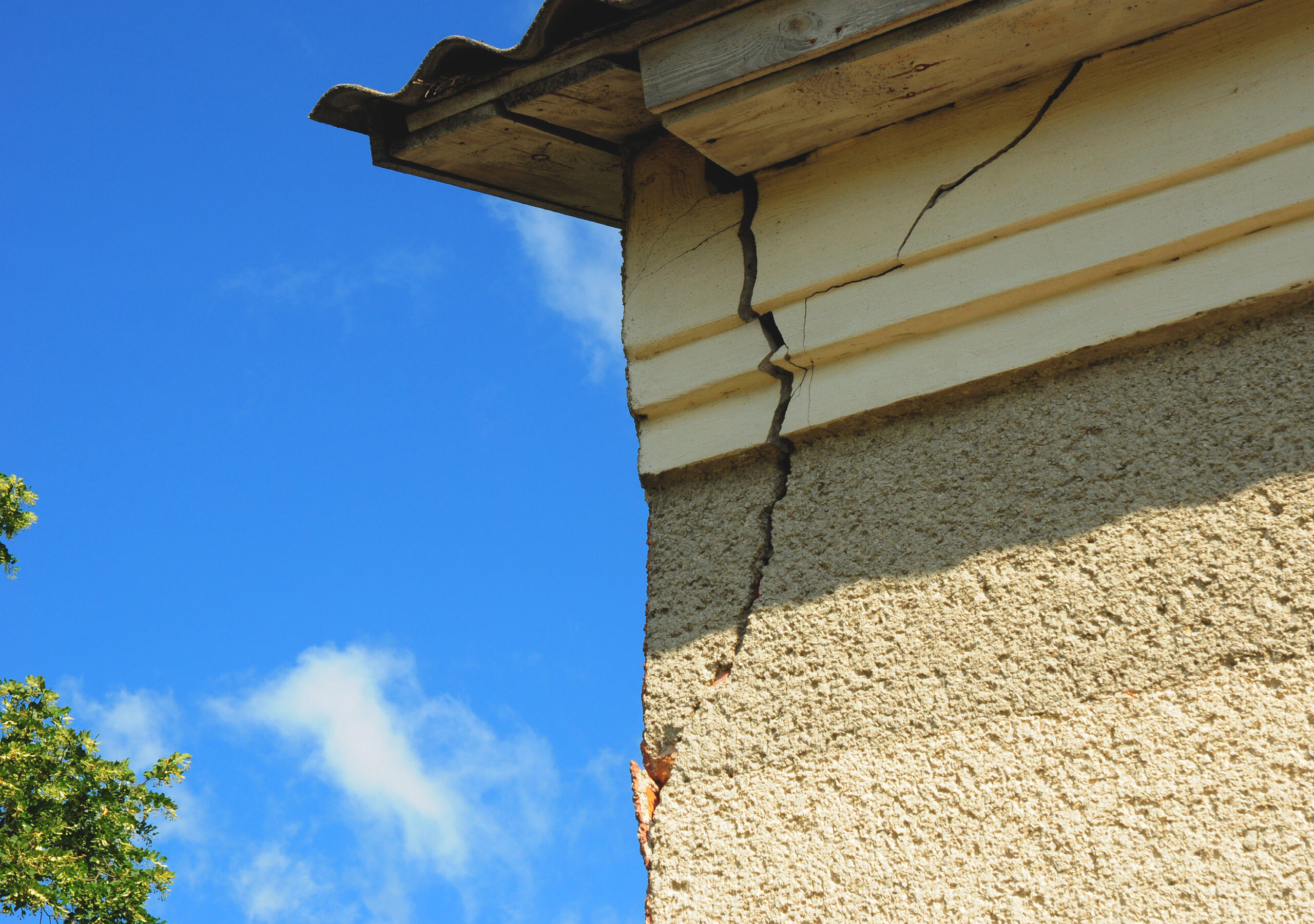
- In 2023, around 40% of the EU’s electricity distribution grids were more than 40 years old.
- Europe needs to invest €584 billion by 2030.
- For electric vehicles in Europe specifically, grid investment requirements amount to €24.7 billion, according to a September 2026 study published by EIT Urban Mobility, ChargeUp Europe and ACEA.
What role does artificial intelligence play in managing modern power grid infrastructure?
The International Energy Agency’s report, ‘Modernising Grids in the Age of Electricity’, explains how digital tools and AI can improve grid forecasting, asset management, resilience and the performance of existing infrastructure.
Artificial intelligence can help power grids operate more efficiently, even as AI data centers drive up electricity demand. These are complementary but distinct roles.
In terms of improving grid efficiency, AI can do more than predict electricity consumption based on historical data. It can coordinate thousands of connected devices to anticipate when they will be needed and determine when they should charge, discharge or reduce their energy consumption.
AI can also support digital twins. By combining these models with simulations, operators can test what would happen if demand increased, a cable failed or a new data center connected to the grid.
In June 2026, the European Commission launched AI.grids with 48 partners, including grid operators, to develop European AI models for power grid management and planning.
The aim is to improve forecasting, congestion management, fault detection and investment planning while developing models tailored to Europe’s energy infrastructure.
The Commission’s roadmap calls for proof-of-concept models by the first quarter of 2027 and the first operational models by the end of 2027.
European cities leading the way in smart grids
In addition to the pan-European initiative, several cities are developing their own projects to improve the reliability and resilience of smart grids.
Utrecht, Netherlands: electric vehicles supplying power to the grid
Utrecht is developing vehicle-to-grid (V2G) solutions that allow a fleet of electric vehicles to act as mobile energy storage units, absorbing excess solar energy and feeding it back into the grid during periods of peak demand.
Vienna, Austria: a smart grid designed for electrification
Smart Grid Lab is a project investigating how power grids can safely integrate solar panels, electric vehicles, heat pumps, energy storage systems and smart buildings.
FAQs About Smart Grid Charging Management
Why do Europe’s power grids need to be modernized?
To meet rising electricity consumption, integrate renewable energy and ensure a reliable and affordable power supply.
How do smart grids help manage electricity demand?
They allow operators to monitor electricity consumption, anticipate peaks in demand and optimize the use of energy and existing infrastructure.
How can artificial intelligence improve energy management?
It helps forecast demand, detect potential faults and optimize electricity distribution.
What challenges does rising electricity demand pose for cities?
Infrastructure must adapt to the growth of electric vehicles, data centers and renewable energy use.
Which European cities are developing smart grids?
Utrecht is focusing on V2G technology, while Vienna is investigating how to integrate electric vehicles, renewable energy and energy storage systems.
Photographs | Unsplash/Mario Spencer, Unsplash/Stephan Schwebe