


Table of Contents

Isla Urbana has been listed in Terra50, a new global, pioneering initiative spotlighting the 50 most impactful solutions addressing today’s most pressing climate challenges in cities. This article is written by Ana Villagordo Vegara, Project Manager and Explorer at Terra50. Click here for more details on Isla Urbana.
In one of the world’s largest metropolitan areas facing serious water supply challenges, a Mexican initiative is demonstrating that part of the solution could come directly from the sky. Isla Urbana has turned rainwater harvesting into a climate adaptation strategy that combines simple technology, community participation, education and public policy.
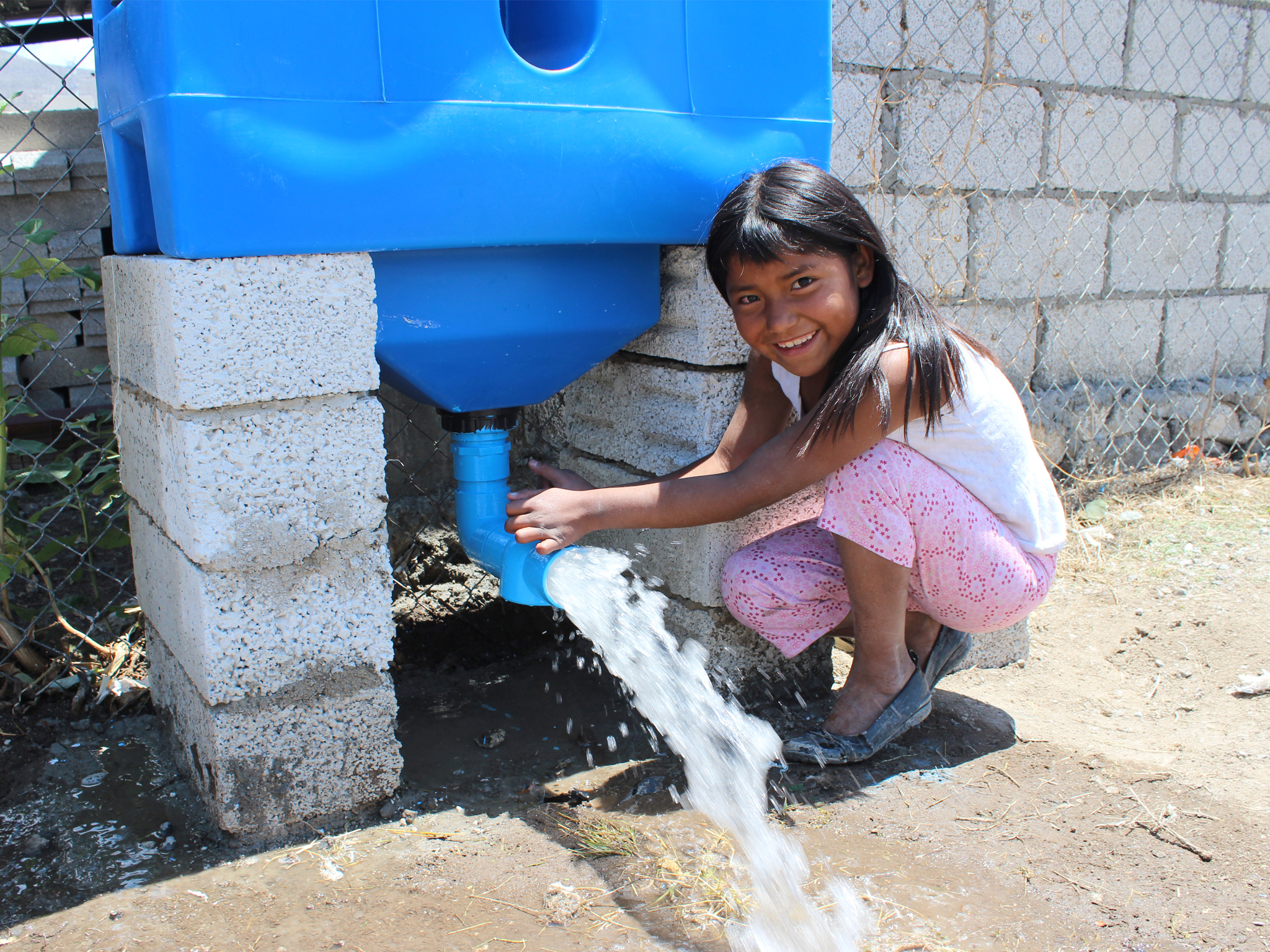
The paradox of a city where it rains but water is scarce
How can a city that receives significant rainfall every year have millions of residents struggling to access water?
This is one of the great paradoxes of Mexico City. A metropolis that has grown extraordinarily over recent decades and faces increasing pressure on its water resources. Groundwater overexploitation, ageing infrastructure, rising demand and the effects of climate change have made water supply one of its greatest environmental and social challenges.
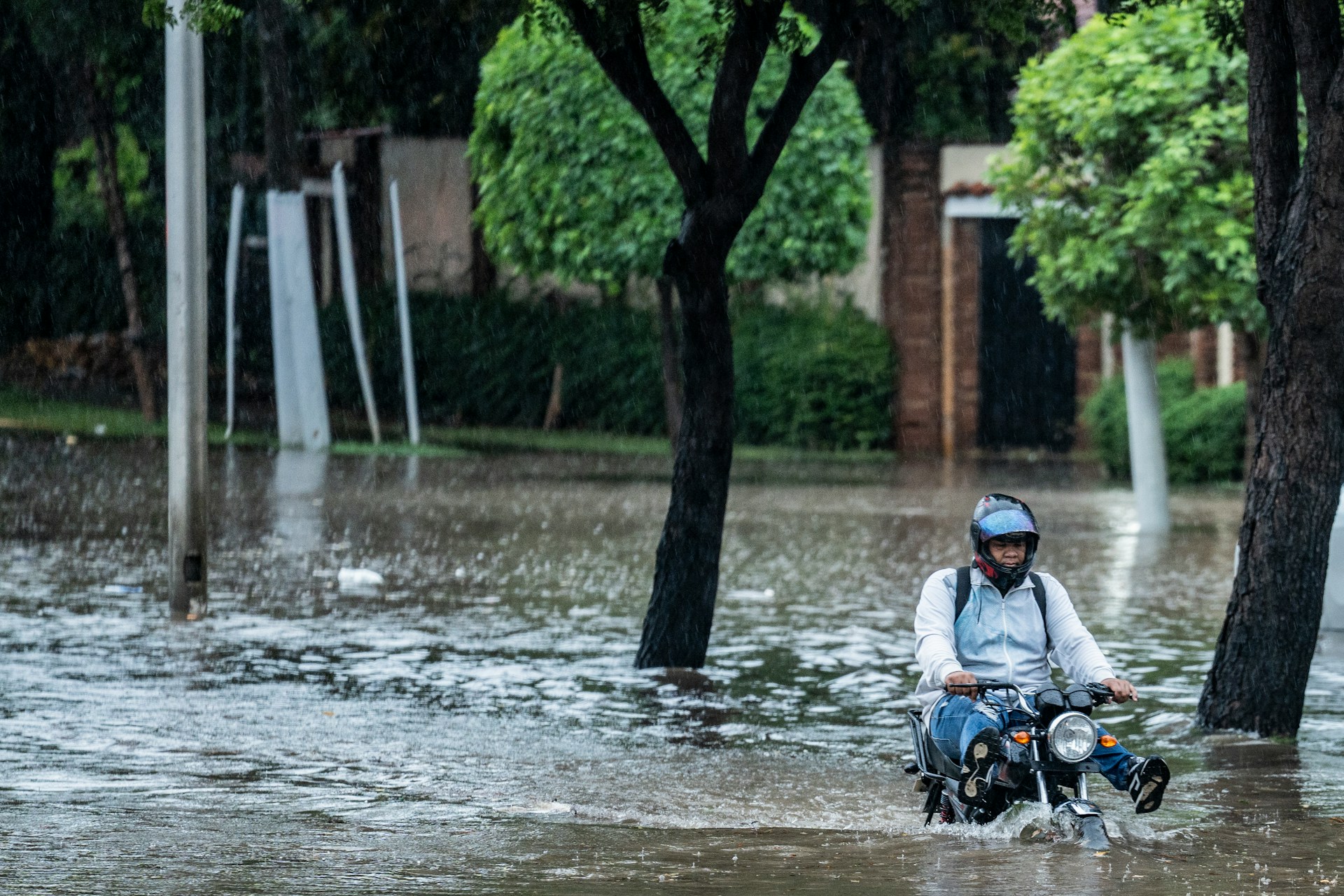
Meanwhile, during the rainy season, much of the water falling on rooftops, streets and buildings flows directly into drainage systems. A valuable resource goes to waste and, during periods of intense rainfall, can also contribute to overwhelmed drainage networks and flooding.
It was in this context that Isla Urbana was founded in 2009, with a proposal as simple as it was transformative: stop treating rainwater as a problem to be disposed of and start managing it as a local resource.
The initiative has succeeded in turning a traditional practice, rainwater harvesting, into a contemporary climate adaptation solution with the potential to be implemented at scale.
In doing so, it has demonstrated that innovation does not always mean developing increasingly complex technologies. Sometimes, it means rethinking how we use the resources we already have.
From rooftops to storage tanks: how does the system work?
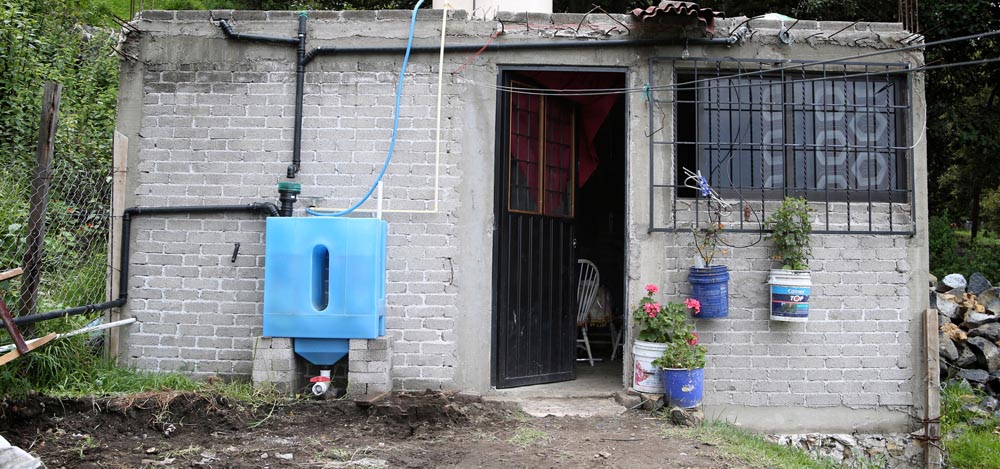
The principle is relatively simple. Rainwater falling on building rooftops is collected through gutters and pipes, filtered and stored in tanks for later use.
But behind this seemingly straightforward process lies an entire system designed to ensure water quality, facilitate maintenance and adapt to very different contexts.
One of its most interesting components is the Tlaloque device, developed by Isla Urbana, which automatically diverts the first flush of rainwater. This initial runoff often carries dust, organic matter and other contaminants accumulated on rooftops. Diverting it before it reaches the storage tank helps improve the quality of the collected water. From there, the system incorporates filters, cisterns and treatment processes adapted to the intended uses.
Isla Urbana’s main contribution, however, is not simply the development of these components. It is the creation of a model that allows them to be installed in homes, schools, healthcare facilities and community buildings, with solutions adapted to the needs and possibilities of each location.
Depending on rainfall conditions, storage capacity and consumption, a household installation can provide between six and nine months of water autonomy per year. This does not necessarily mean becoming completely independent of the public water network, but rather reducing dependence on it and having a complementary water source that can be particularly valuable when supply is unreliable.
In some neighbourhoods, this autonomy can also reduce the need for water deliveries by tanker trucks, an alternative that often involves significant economic, energy and logistical costs.
More than one million people benefiting
What began as a community-scale rainwater harvesting initiative has become a model with considerable reach. Since its creation in 2009, Isla Urbana has installed more than 46,000 rainwater harvesting systems, benefiting over one million people in Mexico and other Latin American countries.
According to data provided by the organisation, these systems capture more than 456 million litres of rainwater every year and, depending on rainfall, storage capacity and consumption needs, can provide households with between six and nine months of water autonomy annually.
These figures are particularly significant because they demonstrate the potential of a decentralised solution that does not require building large dams, transporting water from distant regions or continuously expanding centralised supply networks. The combined impact of thousands of small installations can make a substantial difference to water availability and community resilience, while reducing pressure on conventional water resources.
Rather than concentrating all infrastructure in large facilities, the model distributes rainwater collection and storage capacity across thousands of buildings. Every rooftop becomes a small piece of water infrastructure. And together, thousands of these small infrastructures can help transform how the urban system operates.
This decentralised approach is particularly relevant in a changing climate, as cities need to diversify their water sources and reduce their vulnerability to droughts and supply disruptions.
However, actual water autonomy depends on factors such as the collection surface area, rainfall patterns, storage volume and consumption needs. It is therefore not a universal replacement for conventional water supply systems. Its strength lies precisely in complementing them and making them more resilient.

Rain Schools, when an installation becomes an educational tool
One of the aspects that distinguishes Isla Urbana from other technological initiatives is that installing a rainwater harvesting system is not considered the end of the project. In many cases, it is only the beginning.
The organisation accompanies installations with training, community participation and maintenance support. The aim is to ensure that the people using the system understand how it works, take ownership of it and can manage it over the long term.
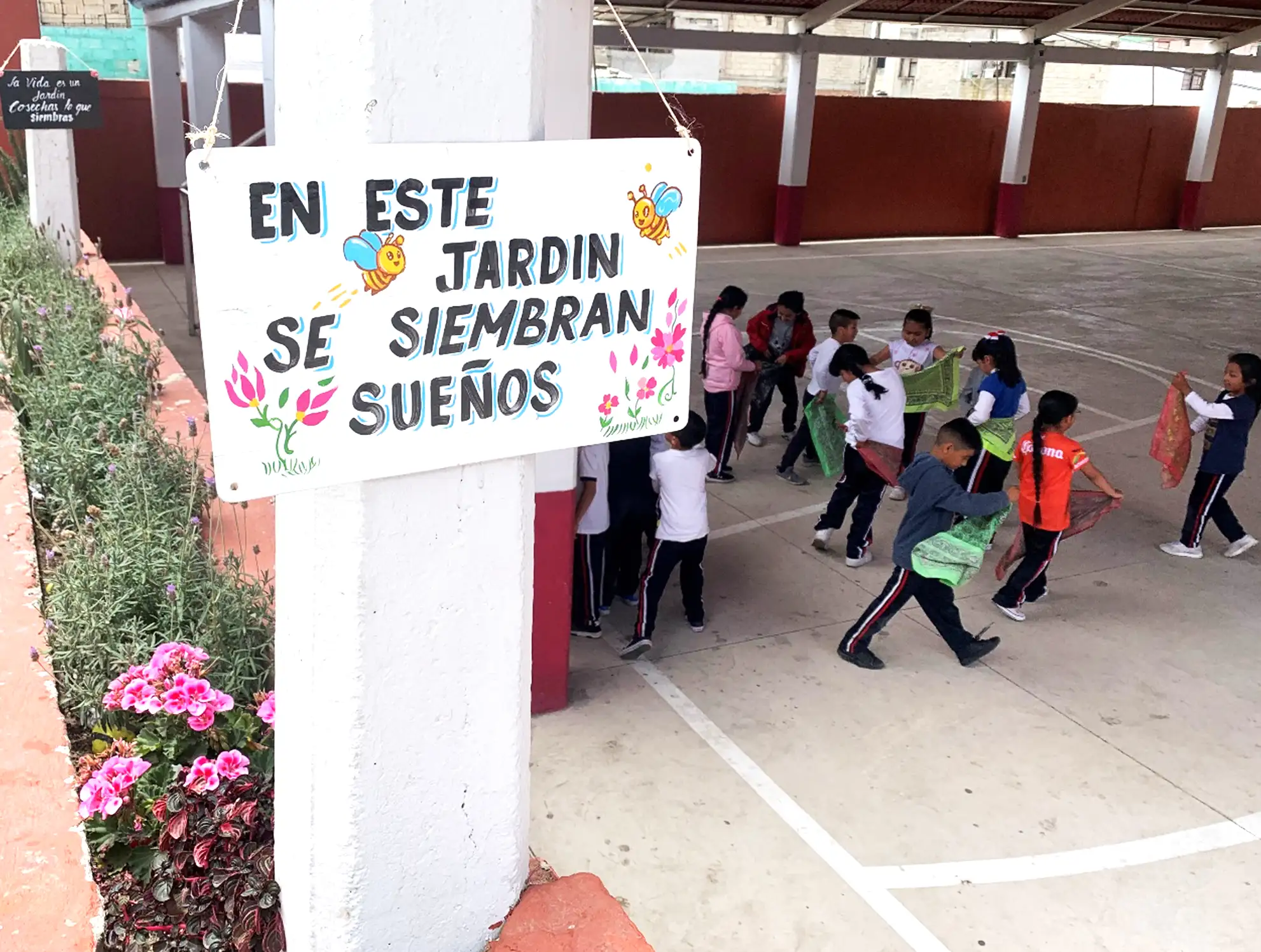
This dimension is particularly evident in the Rain Schools (Escuelas de Lluvia) programme, which transforms educational centres into spaces for learning about the water cycle.
Schools install rainwater harvesting systems that improve their water availability, while also becoming living laboratories where students, teachers and families can understand where water comes from, how it circulates through the city, why aquifer conservation matters and what alternatives exist for managing water more sustainably.
In this way, physical infrastructure also becomes knowledge infrastructure. This is particularly relevant because the water crisis is not simply a question of resource availability. It is also connected to consumption habits, inequalities in access, public perceptions of the problem and communities’ ability to participate in decisions that affect them. Harvesting water is important. But transforming our relationship with water may be even more important.
From community initiatives to public policy
Another of Isla Urbana’s major achievements has been demonstrating that decentralised rainwater harvesting can move beyond pilot projects and become part of public water management strategies. Its technical and community experience has contributed to the development of Cosecha de Lluvia, the programme launched by the Mexico City Government to expand these systems to homes and communities.
This step is fundamental. Many environmental innovations successfully demonstrate that a solution works in a neighbourhood, school or building. But the real challenge comes when it is time to scale up, ensure maintenance, guarantee accessibility and integrate the solution into public policy.
In this case, collaboration between civil society organisations, institutions, communities and public authorities has helped a solution initially driven by civil society influence metropolitan water planning.
It is not simply a matter of multiplying installations, but of changing how institutions understand and manage urban water. And this institutional transformation can be just as important as technological innovation.
A straightforward solution, but not necessarily a simple one
Rainwater harvesting is a relatively accessible, low-cost technology compared with many large-scale water infrastructures. But this does not mean that implementing it at scale is without challenges.
Suitable rooftops, space for storage tanks, appropriate filtration and treatment systems, and maintenance mechanisms are all needed to ensure water quality over time. Rainfall is also variable, and climate change may alter its distribution and intensity. Harvesting water during the rainy season does not eliminate the need to plan for prolonged periods of drought.
Furthermore, if these systems are genuinely to help reduce inequalities, they must also be accessible to lower-income households. This is why the value of Isla Urbana’s model lies not only in the device installed on a rooftop, but in the combination of appropriate technology, training, community participation, maintenance and institutional support. It is this combination that can turn a good idea into a lasting, replicable solution.
What if cities learned to live with the rain?
For decades, much of urban planning has treated rainwater as something to be removed as quickly as possible. Impermeable streets, drainage systems and major infrastructure have been designed to carry it away from inhabited areas. But in the context of climate change, this relationship needs to be reconsidered.
Cities must learn to manage two challenges that may seem contradictory at the same time: water scarcity and excess water during intense rainfall events. This requires combining multiple strategies: restoring permeable surfaces, renaturalising urban spaces, protecting aquifers, reusing water, improving distribution networks and making use of rainwater where it falls.
Isla Urbana demonstrates that a climate solution does not necessarily have to be complex to be innovative. What can make it transformative is its ability to become part of a wider system, generate social and environmental benefits, and be adopted in other territories.
»Click here for more details on Isla Urbana.
»The images in this article were provided by Isla Urbana.