



Table of Contents
Author | Raquel C. Pico
Water is one of the major concerns facing 21st-century cities. There are many reasons for this: water scarcity has become a burden that has already subjected cities around the world to periods of drought and even water rationing, while major storms and flooding have a negative impact on their infrastructure, businesses, and quality of life. Finding solutions to such a wide range of problems may seem difficult, but this is precisely where sponge cities are emerging as a solution.
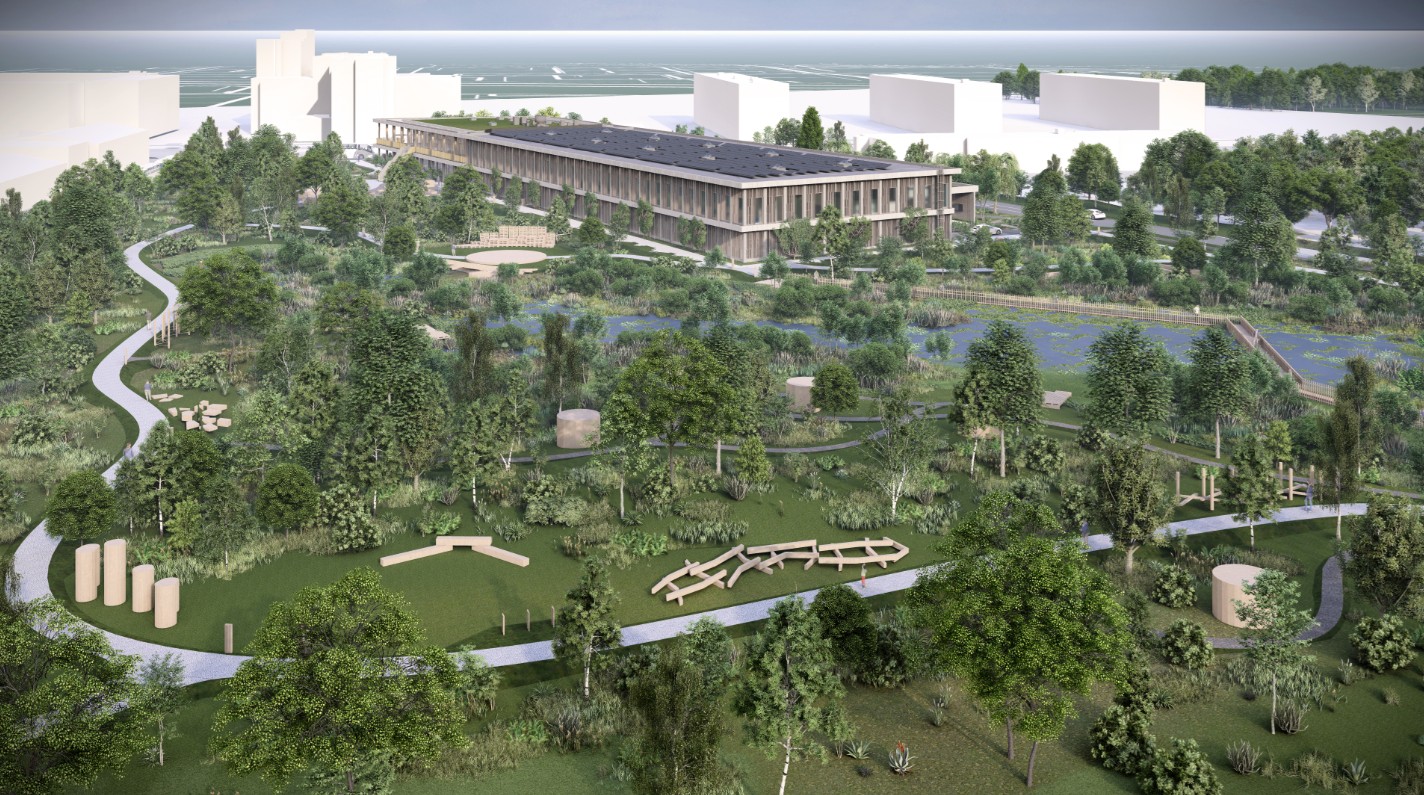
Sponge parks in sponge cities
“You cannot fight water. You have to adapt to it,” Kongjian Yu, a landscape architect and professor at Peking University, told The New York Times. He is the father of the sponge city concept, an increasingly prominent example of climate resilience and of how better water management can help achieve urban resilience.
Yu drew inspiration from traditional Chinese farming practices to develop solutions to one of the critical challenges facing Chinese cities: periods of flooding. Rather than investing more and more money in drainage and sewer systems, concrete, and cement, the architect advocates using natural techniques to channel water and, above all, slow it down. One of the major problems caused by urban flooding is the speed of water flow, which can devastate everything in its path.
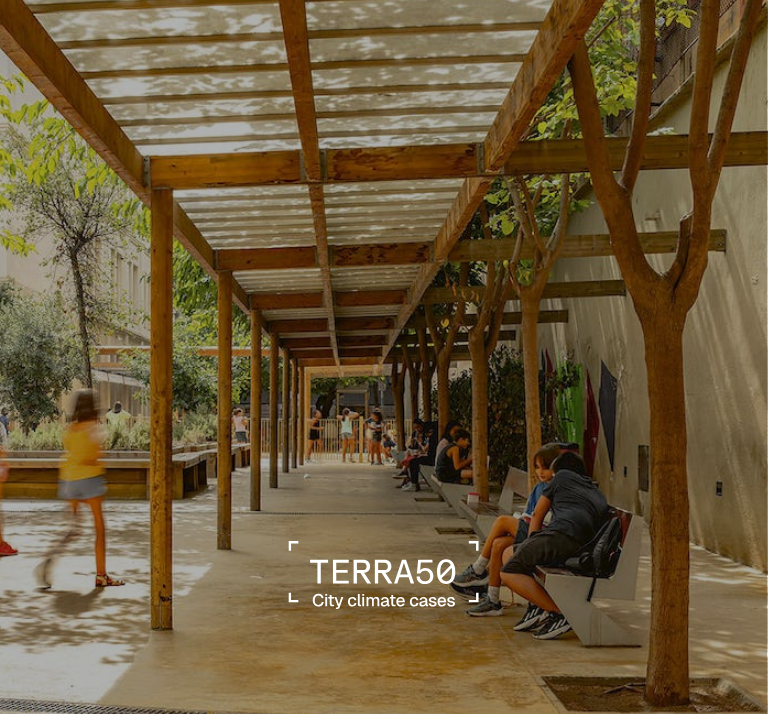
In sponge cities, floodable areas are created, spaces are made greener, and sponge parks and other forms of green infrastructure are developed. This is adaptation to climate change through nature itself.
Why sponge cities are attracting growing interest
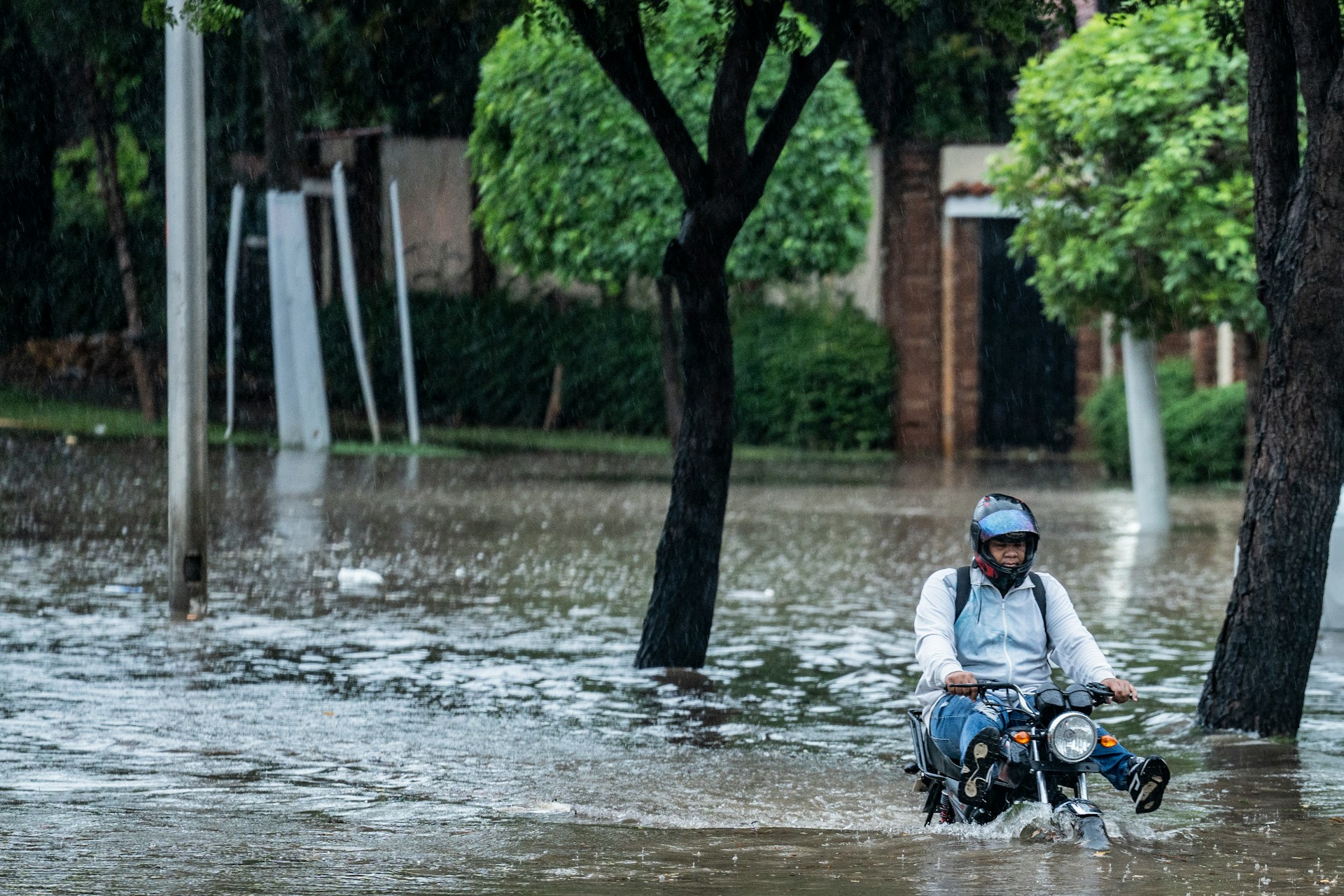
The idea has gained traction in recent years, and on a global scale, because Chinese cities are not the only ones facing flood risks and needing to improve water management. Urban flooding in high-risk areas is becoming increasingly common, not only because construction has continued in flood-prone areas (the United Nations estimates that by 2050, 5% of the population will live in exposed coastal urban areas), but also because sea levels are rising and episodes of torrential rainfall are becoming more frequent. These are consequences of climate change that require more effective water management, particularly as conditions are expected to worsen in the future. Concerns about the potential impact of a Super El Niño in 2026–2027 are one example.
Cities are unable to cope with peaks in rainfall. Problems are occurring even in countries that have always had to deal with large volumes of water. Arup has identified sewer flooding as “an increasingly common risk in the UK.”
Green infrastructure is emerging as a key tool to improving preparedness, with sponge cities offering a feasible solution. They address these challenges and can even create ways to make better use of water. However, incorporating this green infrastructure is not without its challenges. The main questions are whether it will actually work in a particular city, where features such as sponge parks should be located to improve urban resilience, and even how many are needed. This is where smart infrastructure and smart city tools come into play. Digital twins help cities make better decisions and anticipate potential problems.
Benefits of digital twins

In fact, the main benefit of integrating solutions such as sponge parks and sponge cities in general with smart technologies could be said to lie in providing a framework for maximizing results and improving water management.
Digital twins address one of the major challenges facing sponge cities and urban planning in general: how to make informed decisions and improve urban resilience. A project by researchers at the universities of Warwick and Monash is exploring how digital twins can be connected with virtual models and other tools to make information more accessible.
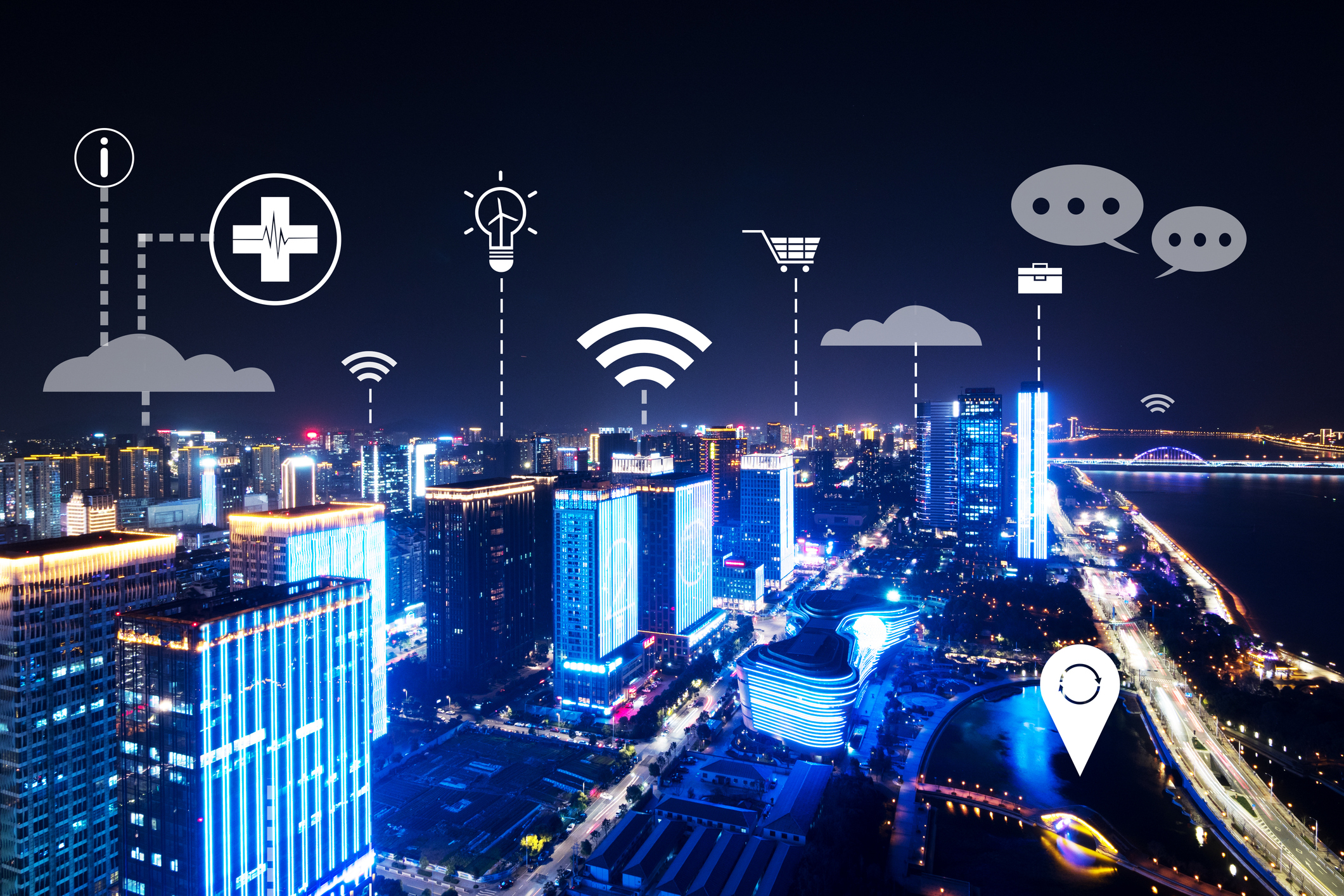
Digital twins therefore function as a parallel (and virtual) version of the city, drawing on vast amounts of data and solutions such as artificial intelligence to show both the current state of a city and how it might look under different conditions. Put very simply, they are like a set of potential tarot cards that never lie: they can provide a picture of what the future might look like and establish guidelines for addressing problems. They can therefore significantly improve urban planning and help optimize the location of sponge parks. Rather than relying on intuition, urban planning relies on data.
Digital twins for sponge parks in arid areas
A perfect example of this is the use of digital twins to plan sponge parks in highly arid areas. One study examined whether they would work in Abu Dhabi, an area affected by drought. The initial hypothesis was that a sponge park would be able to capture water while also cooling the surrounding environment. To test this, the researchers used technology and simulation models, in other words, digital twins. The results confirmed the initial hypothesis, provided supporting evidence, and even offered insights into the financial viability of the sponge city concept. Their projections indicate that sponge parks could capture 93% of rainwater and reduce the risk of flash flooding.
How to integrate a digital twin
However, cities need to fine-tune how and when they use digital twins in order to optimize their sponge parks and shape their sponge city strategies.
The European WaMA-WaDiT (Water Management and Adaptation based on Watershed Digital Twins) project aims to bring about “a profound transformation in water management through the use of watershed digital twins,” according to the project’s launch press release. The project is being carried out at the University of Cantabria with funding from the Spanish State Research Agency and the European Union to create advanced tools that can help anticipate extreme climate events. These tools can identify drought and flood risks, enabling better decision-making. As the project team points out, the challenge is to ensure that the system is open, scalable, and replicable, so that it can work in cities in any country.
FAQs
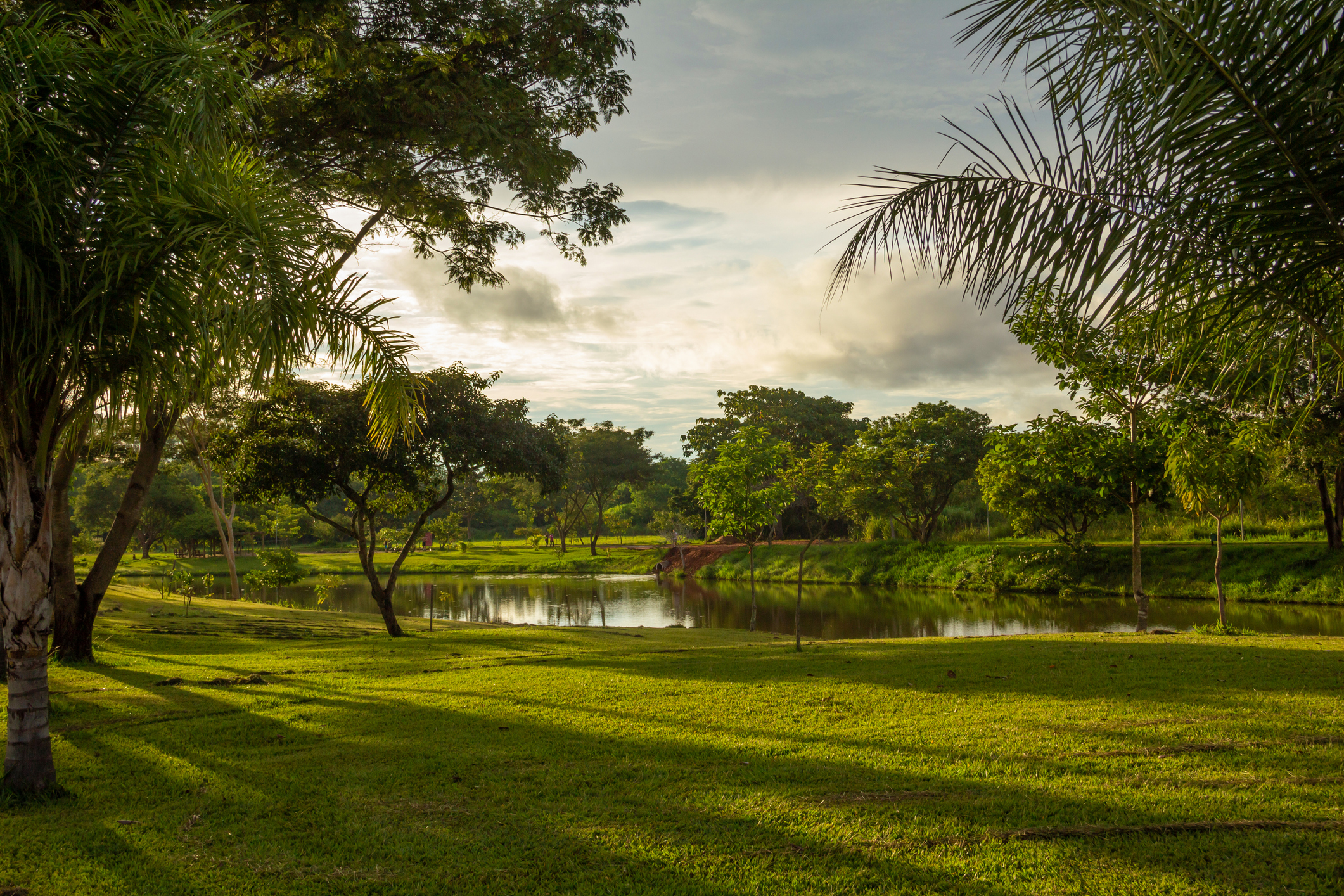
What are sponge cities?
Sponge cities use solutions such as sponge parks and floodable areas to address water management challenges. Instead of channeling water through concrete infrastructure, they use green infrastructure to slow floodwaters and prevent water from going to waste. Atlanta (USA), for example, has created a sponge park that floods when hurricanes hit, helping protect the city from the resulting floodwaters.
Do infrastructure solutions such as sponge parks and sponge cities offer economic benefits?
Yes. Real-world examples have already demonstrated their economic benefits. Wuhan (China) found that the green infrastructure used in its sponge city approach cost $600 million less than concrete infrastructure while offering greater resilience. It could cope with the impact of a 1-in-30-year storm, compared with a 1-in-10-year storm for conventional infrastructure.
Can digital twins help manage flood risk?
By anticipating events, digital twins can predict where flooding could occur and which areas would be most at risk. This information can then be used to adapt urban planning accordingly.
Are cities facing increasing water-related risks?
Cities face not only droughts, but also the risk of torrential rainfall and flash flooding. Water management is one of their major challenges.
Images | AlixKreil/iStock, AngelaMacario/iStock, SolStock/iStock