



Table of Contents
Author | Elvira Esparza
According to the latest measurements, Europe is warming faster than other parts of the world. The global average temperature has increased by approximately 0.27°C per decade over the past 30 years. However, temperatures in Europe have risen by approximately 0.56°C per decade since the mid-1990s, meaning that temperatures have increased at more than twice the global average rate.
To address the problems caused by extreme heat, European cities are testing different cooling systems, including both natural and technological solutions.
More heat waves and more deaths
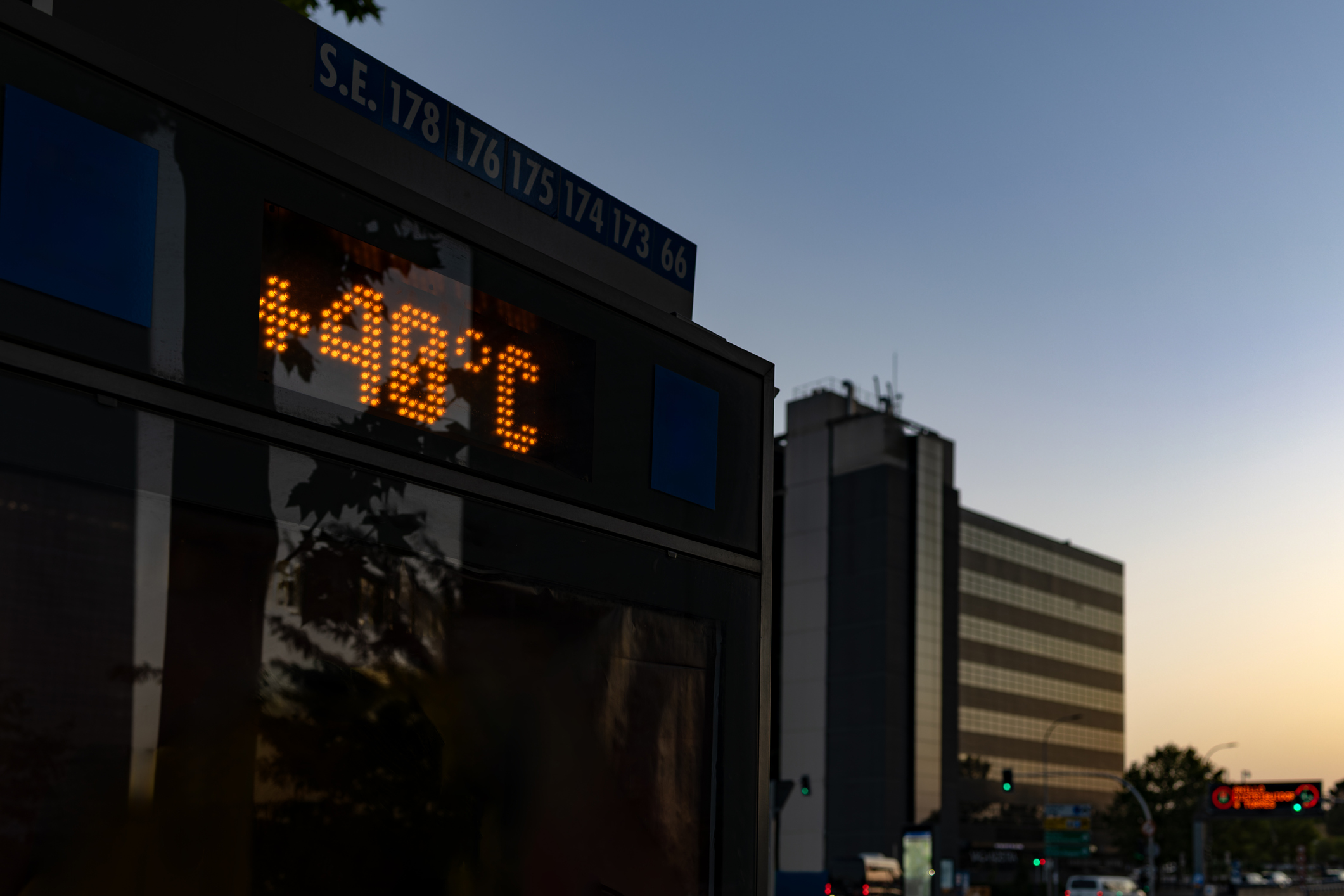
Heat waves are becoming more frequent, intense, and prolonged across Europe. According to the World Meteorological Organization’s (WMO) Regional Climate Centre (RCC) for Europe, 23 of the 30 most severe heat waves in Europe since 1950 have occurred since 2000. Five severe heat waves have been recorded in the last three years alone.
Given this situation, there is growing concern across European countries about the effects of extreme heat and heat waves on the population. Data on heat-related deaths support these concerns. It is estimated that as many as 95% of deaths associated with extreme weather and climate events recorded in Europe between 1980 and 2023 were linked to heat waves. During the heat wave that affected Europe in June, more than 10,000 excess deaths were recorded, according to data from EuroMOMO, the European mortality monitoring system.
What solutions are being implemented to mitigate the effects of heat waves?
European cities are developing a range of strategies to mitigate the effects of heat waves, from natural solutions such as planting more trees to technological measures like reflective pavement.
Natural solutions
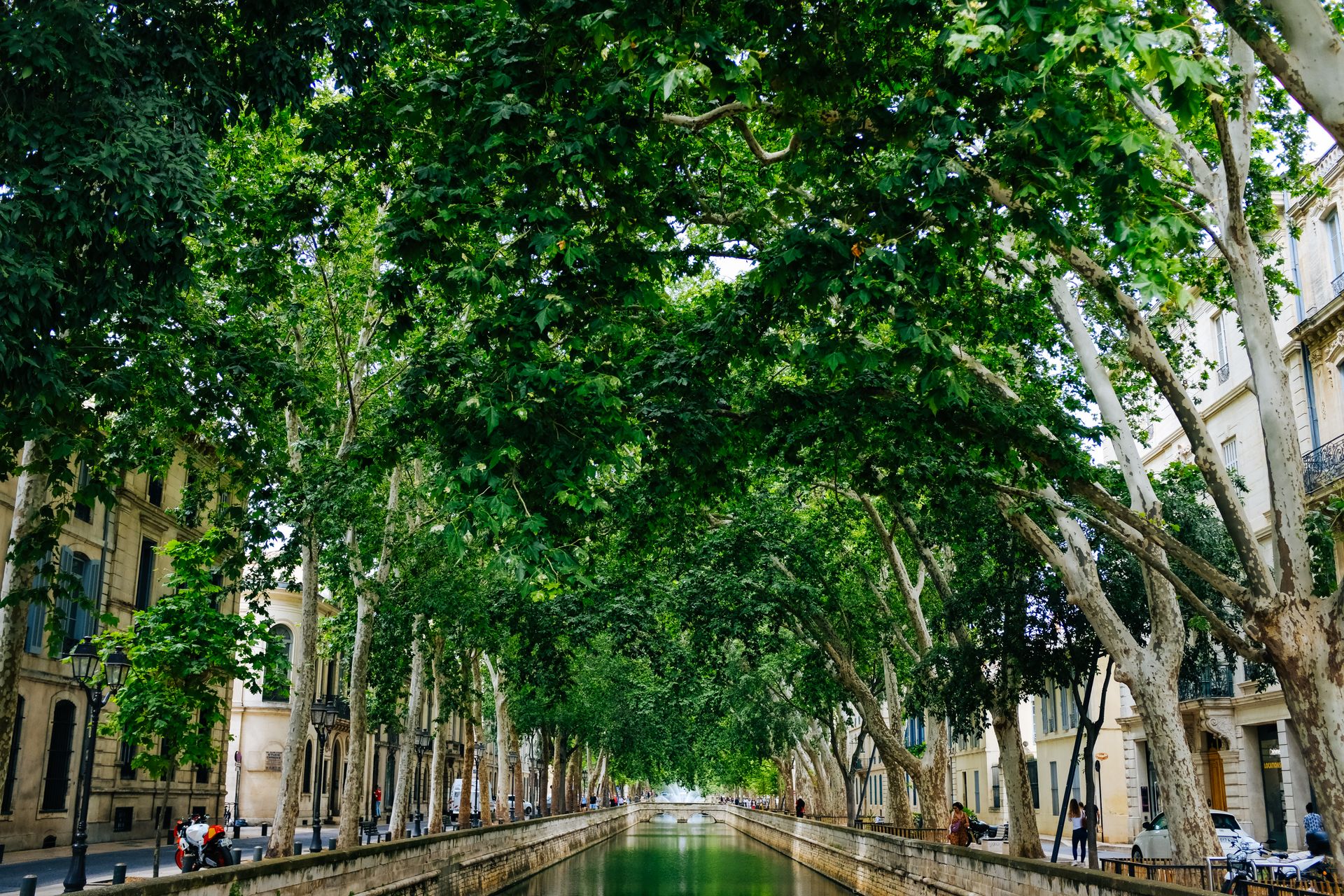
Planting trees
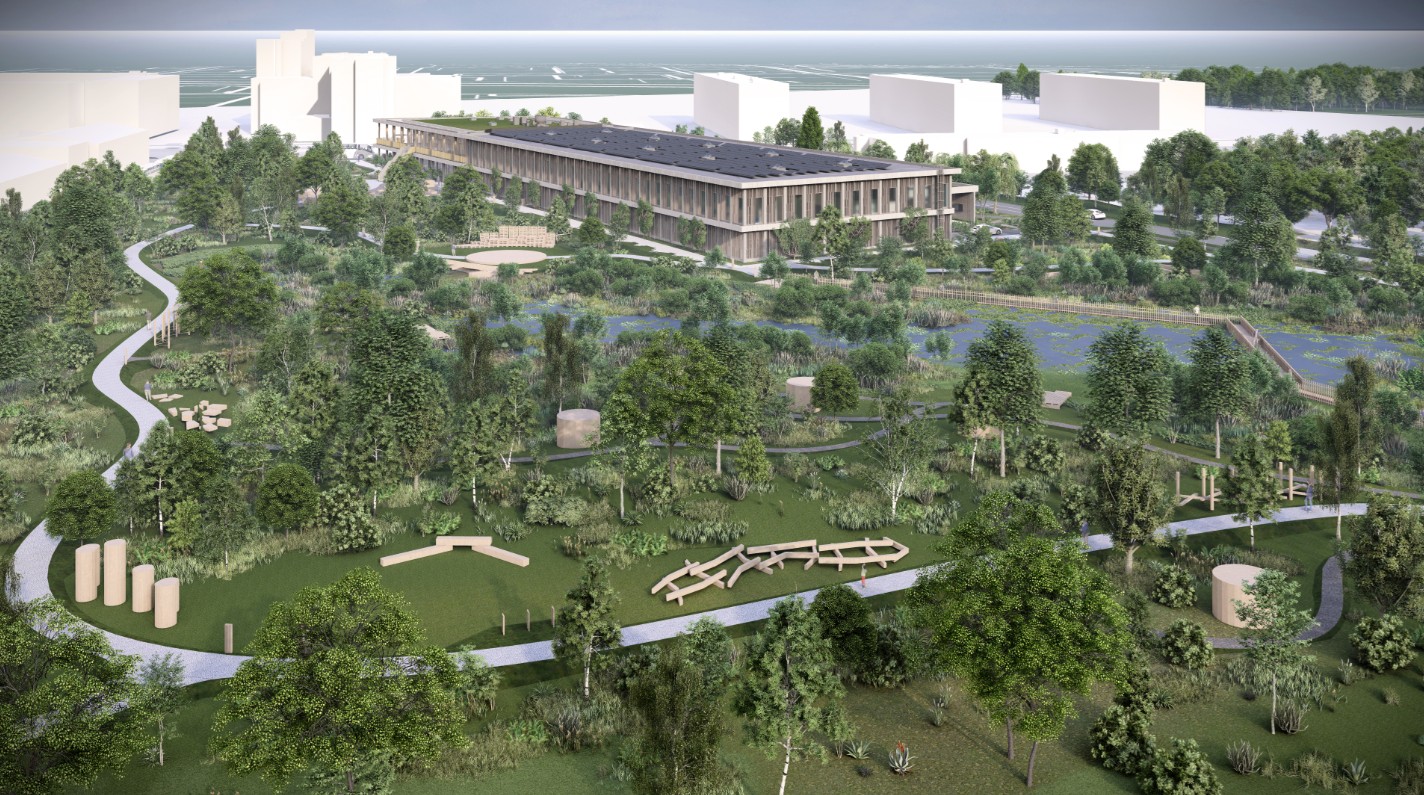
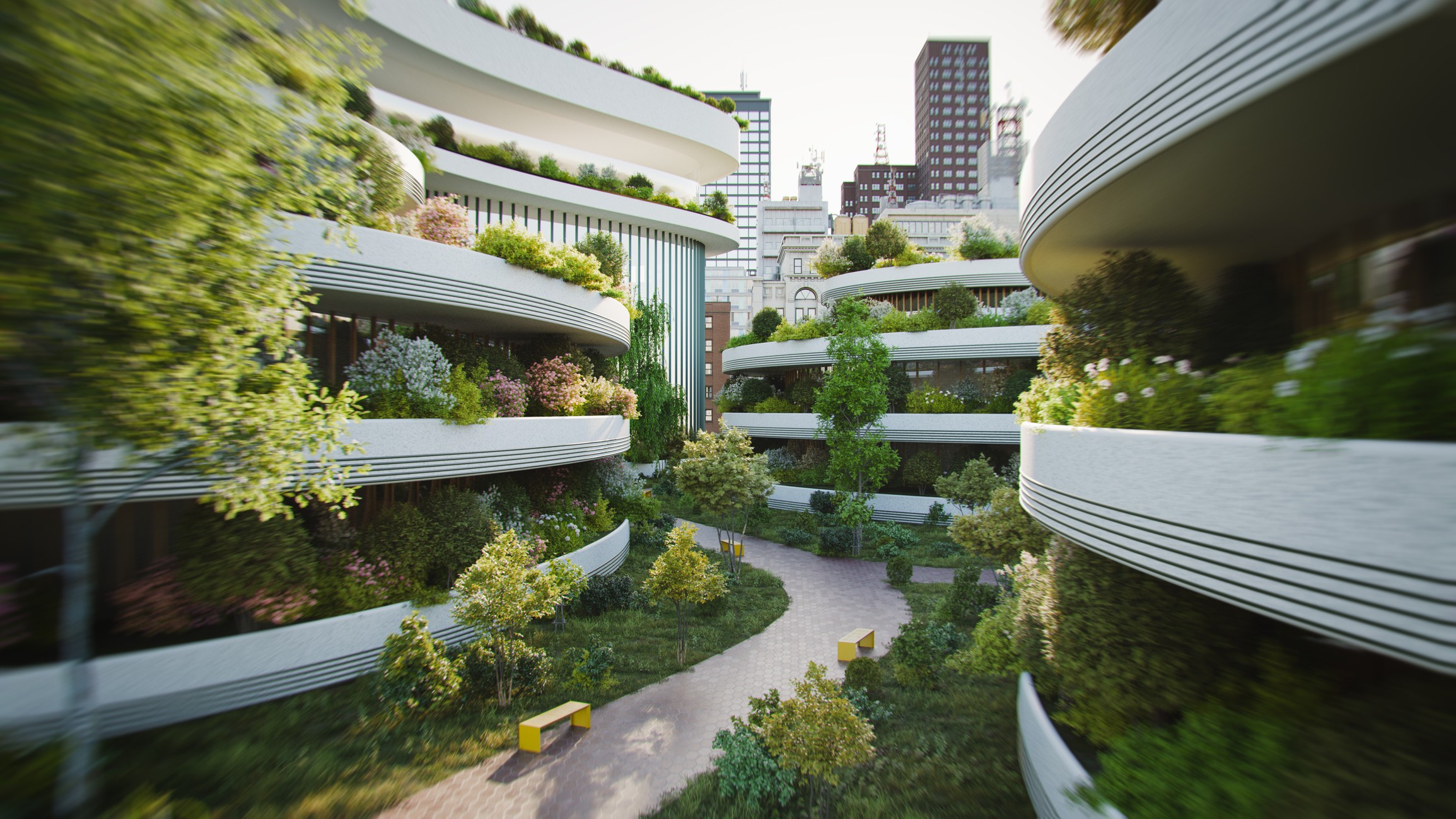
Creating urban forests, adding water features, and developing vertical gardens are natural solutions for reducing temperatures in urban heat islands. An analysis published by the Barcelona Institute for Global Health covering 93 European cities concluded that increasing urban tree cover to 30% reduces average summer temperatures by 0.4°C and could prevent up to one-third of deaths attributable to urban heat.
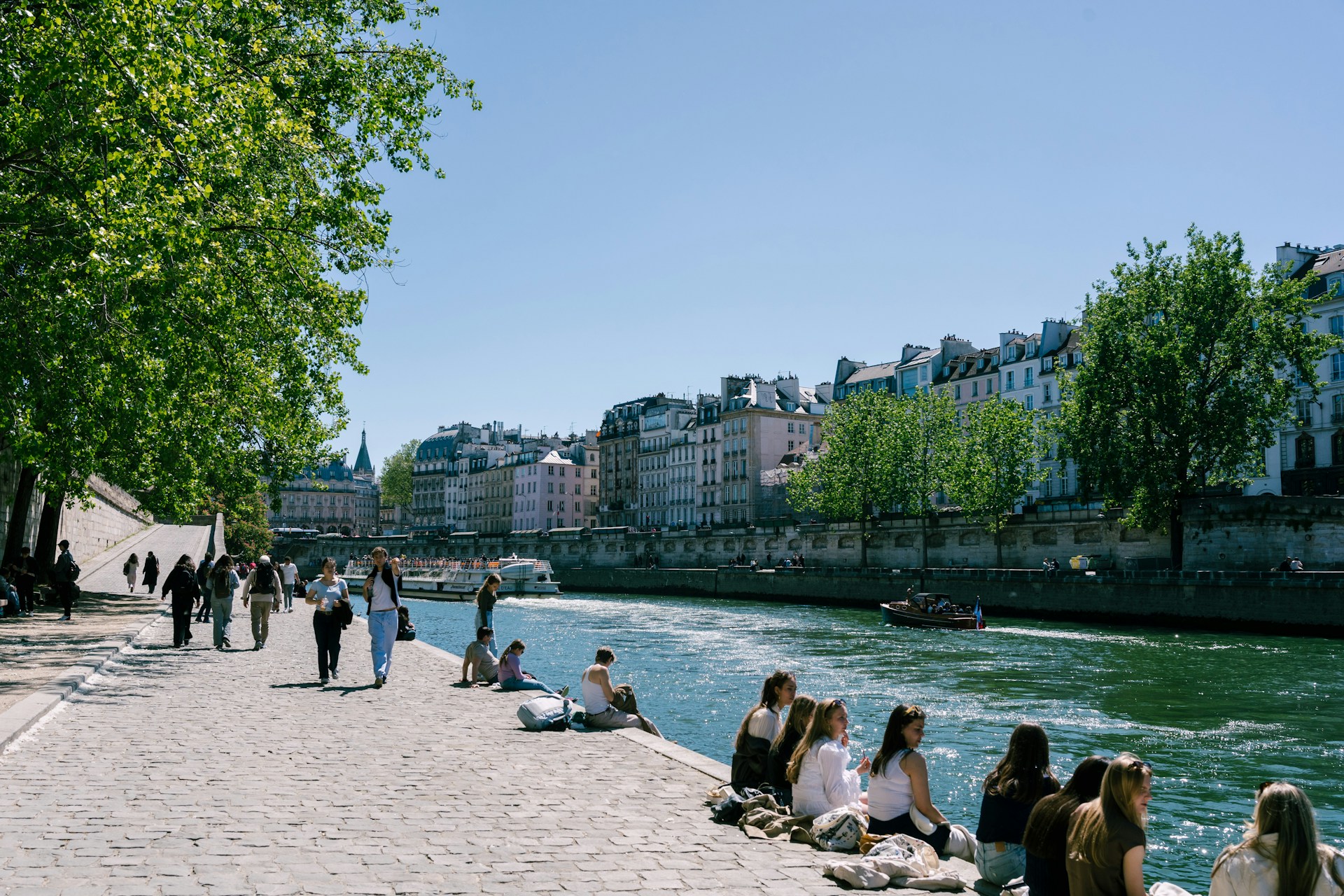
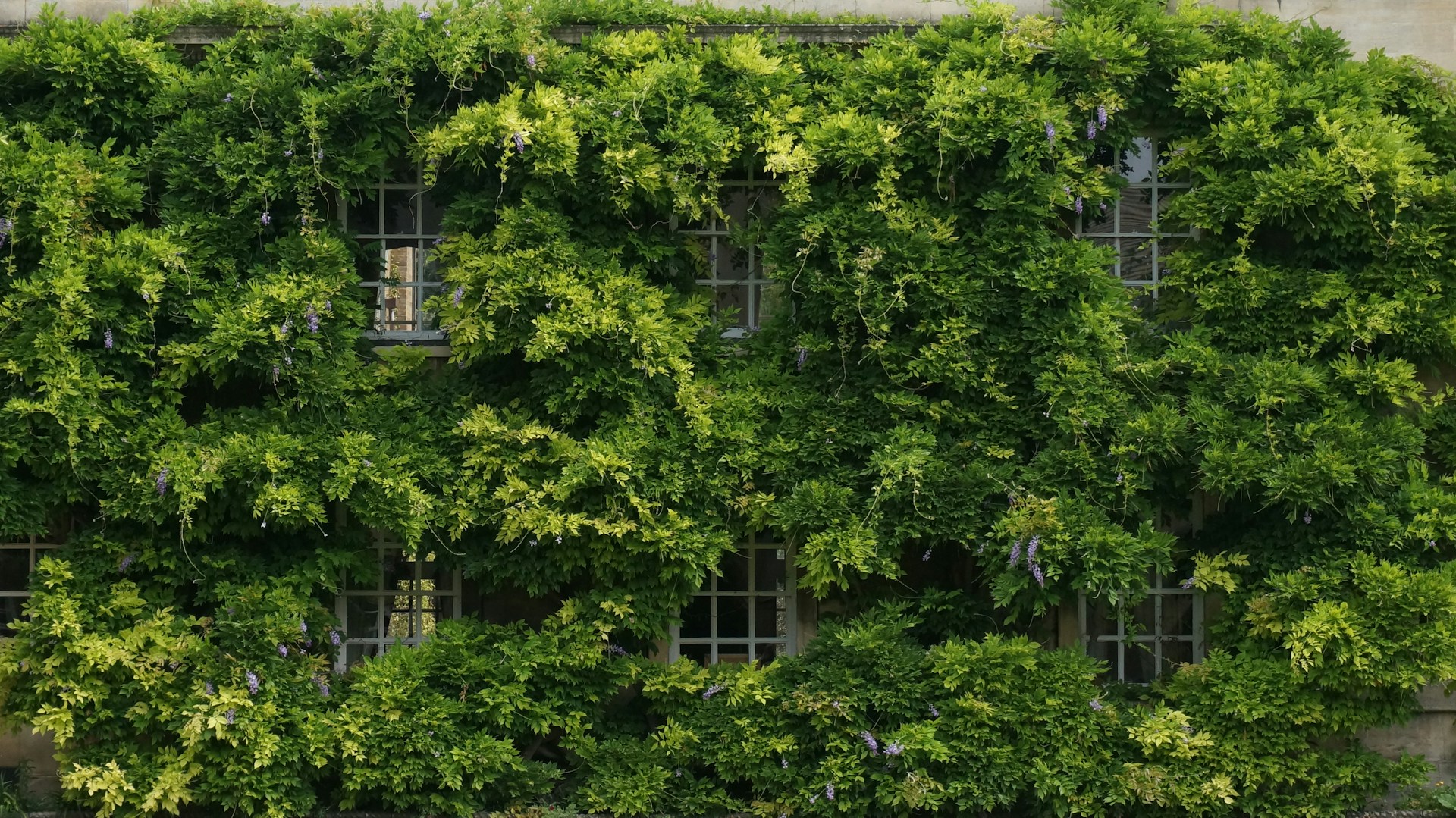
Several French cities have increased tree planting as part of public space renewal projects. These trees provide shade, helping to reduce the ground temperature beneath them to 28°C, compared with 40°C on asphalt exposed to direct sunlight. They also contribute to the process of evapotranspiration, in which plants absorb water and release it through their leaves while moisture evaporates from the soil. One notable example is Marseille, which has set a target of planting 300,000 plants by 2029, at a rate of 1,200 trees and 50,000 shrubs per year. Paris combines urban forests with the restoration of natural elements in public spaces and also has a centralized district cooling system.
Green roofs
Green roofs provide an insulating barrier through a combination of vegetation and growing substrate. They act as natural temperature regulators, unlike black waterproof roofs, which absorb heat during the day and release it at night. Plant transpiration and evaporation from the substrate help dissipate accumulated heat and reduce ambient temperatures. In fact, green roofs can lower indoor building temperatures by up to 5°C.
Rotterdam, which has 18 million square meters of flat rooftops, has transformed more than 360,000 square meters into green roofs. The city pioneered this initiative in the Netherlands, offering subsidies to residents who added vegetation to their roofs.
Climate shelters

Climate shelters are designated spaces in cities where people can find relief during periods of extreme heat. These shelters can be indoor spaces, such as libraries, museums, schools, and other public buildings where temperatures remain below 26°C, or outdoor spaces, such as parks and gardens with water features that help cool the surrounding area. Barcelona was one of the first cities in Spain to create a network of climate shelters, with more than 500 locations available during the summer. Portable climate shelters with vertical gardens are also available, reducing ambient temperatures by up to 5°C while attracting pollinators in urban areas.
Street redesign
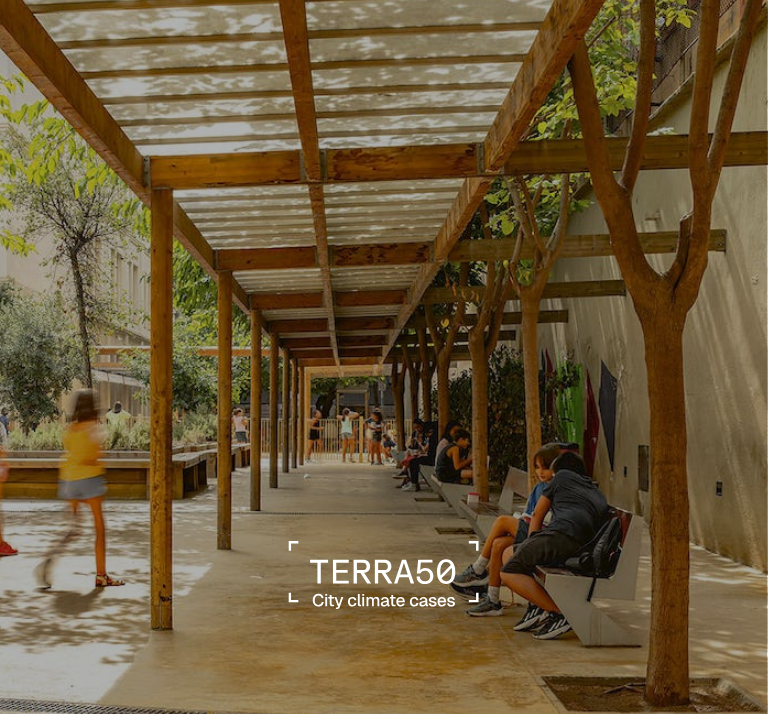
Redesigning streets by installing green pergolas, bioclimatic awnings, canopies, shaded street furniture, and protected pedestrian corridors is another natural solution for mitigating heat. Maribor, Slovenia’s second-largest city, is installing green pergolas to provide shade in children’s play areas and creating nature-based cooling areas at bus stops.
Technological solutions
Cool pavements
Cool pavements are another solution that cities are incorporating into urban design to combat heat. There are two types of cool pavement: permeable pavements and reflective pavements. Permeable pavements have interconnected openings that allow rainwater to seep into the ground instead of draining into the sewer system, so that the retained water helps cool the surrounding environment.
Reflective pavement reduces heat buildup by reflecting some of the solar radiation it receives back into the atmosphere instead of storing it as conventional asphalt does. Reflective pavement also improves visibility at night. Murcia, Spain, has launched a pilot project using reflective pavement in one of the city’s neighborhoods as part of its efforts to combat urban overheating.
Thermal maps and sensors
Smart cities use temperature sensors, weather stations, satellite thermal imagery, Copernicus data, urban climate models, GIS, vulnerability maps, and IoT sensors to analyze temperatures in different areas of the city based on factors such as building density, tree cover, street orientation, construction materials, and the age of buildings.
Antwerp uses a mapping system to generate temperature and heat island maps and estimate the heat stress experienced by residents. These maps help identify the most vulnerable areas and test different urban interventions before they are implemented, such as planting trees or adding permeable surfaces, ponds, or fountains, before incorporating them into the design of public squares and neighborhoods.
European cities hope to reduce the impact of heat waves on both the population and the economy through these natural and technological cooling systems.
Images | Sweder Breet, Adrien Olichon, ugurhan/iStock, Jose Gonzalez Buenaposada/iStock