



Table of Contents
Author | Elvira Esparza
Mysuru has emerged as one of India’s cleanest cities after launching a comprehensive sanitation program. This initiative is part of the Swachh Bharat (Clean India) mission, which aims to improve sanitation nationwide and eliminate open defecation.
The goal of the Swachh Bharat mission, launched in 2014, is to eliminate open defecation (Open Defecation Free, ODF) and promote hygiene across the country through comprehensive waste and water management. This involves installing household toilets to prevent the health problems caused by open defecation due to water contamination. Ten years after the initiative began, 10 million rural households now have access to toilets, and more than 600,000 villages are ODF.
What does Mysuru’s sanitation program involve?
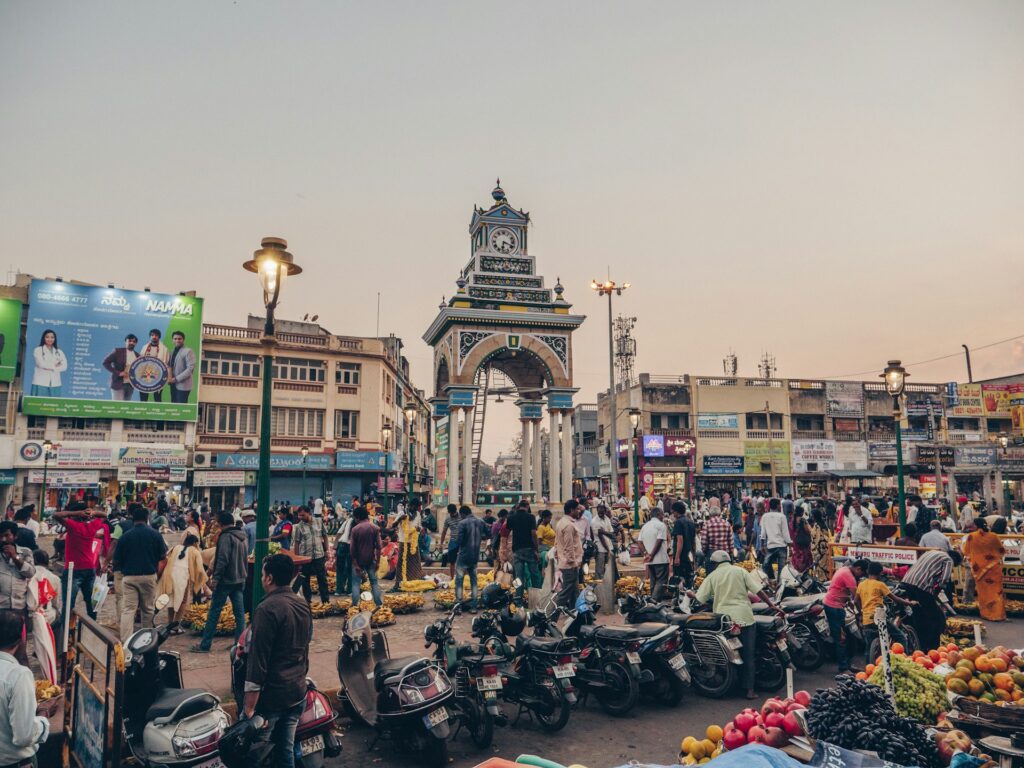
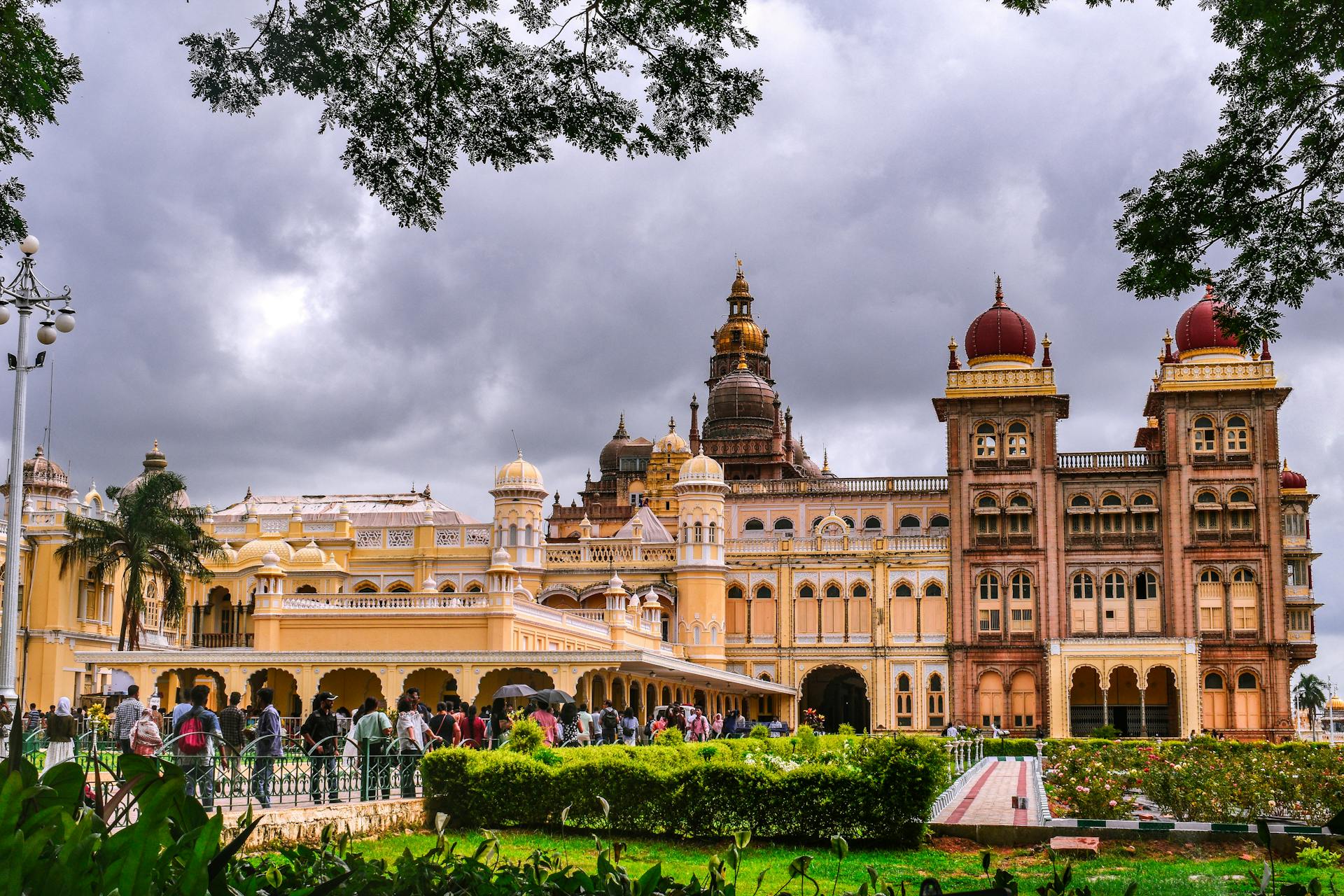
Mysuru, the second-largest city in Karnataka, is one of the Indian cities where the government’s sanitation program and enhanced solid waste management initiatives have been implemented.
The goals of the program conducted in Mysuru are ambitious. On one hand, they aim to eliminate open defecation and achieve comprehensive wastewater and sewage management in urban areas. On the other, they plan to develop a circular water economy through the recycling and reuse of treated water, as well as achieve universal access to drinking water by installing taps in every household.
The project has been conducted in two phases:
- First phase (2015–2019), which focused on basic sanitation and drinking water infrastructure.
- Second phase (2020–2025), centered on improving treatment plants and underground drainage networks, extending the program to peripheral areas.
Since 2015, investments in improving water and sanitation infrastructure have totaled $520 million (€447 million). The estimated cost to connect each household to the sewer system is approximately $150 (€130).
What results have been achieved in the Mysuru project?
Mysuru was declared the first city with a population of one million to be free of open defecation in 2016 by the Quality Council of India (QCI). This milestone was achieved thanks to the installation of public toilets across the city and in homes (with more than 420,000 residential toilets), along with awareness campaigns to educate the population on the importance of hygiene and responsible water use.
Currently, more than 98% of households have access to drinking water, and around 95% of the city is covered by a sewer system. Additionally, Mysuru has three wastewater treatment plants that handle over 200 million liters per day. Whereas 40% of wastewater was previously discharged untreated, now 90% is reused for irrigation, urban cleaning, and industrial purposes, reducing the demand on freshwater sources Water loss in the network has decreased from 35% to 18% due to improvements in piping and the implementation of digital monitoring systems.
Sanitation improvements that have eliminated stagnant water and organic waste have also contributed to better public health. For example, waterborne diseases such as diarrhea and gastrointestinal illnesses have decreased by more than 30%.
Additionally, Mysuru has a Water Balance Plan to analyze the full urban water cycle, aiming to maximize efficiency and minimize waste within a circular water economy that promotes recycling and reuse.
What smart technology has been used in the sanitation program?

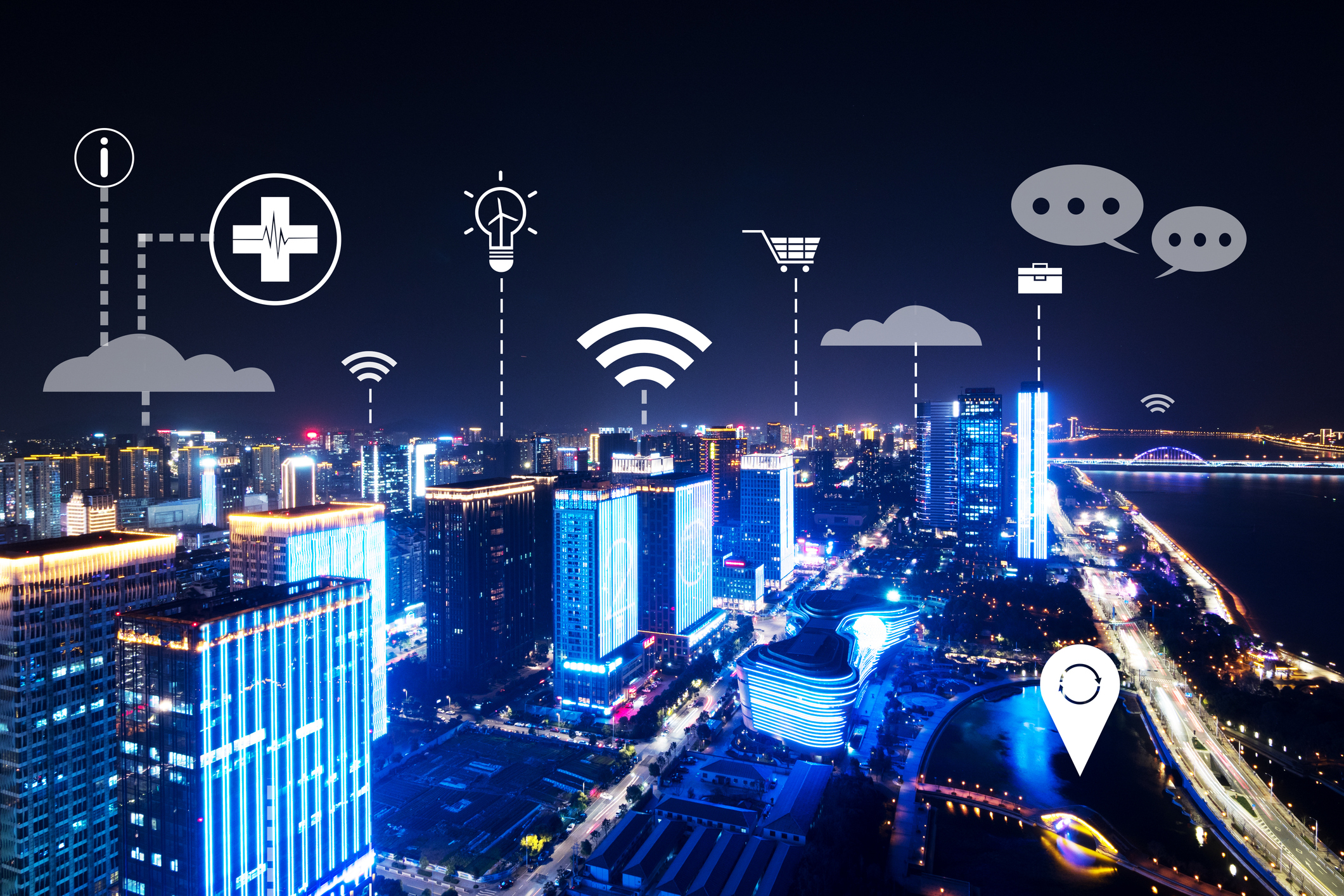
The smart technologies applied to urban sanitation have focused on:
- IoT and sensors for monitoring and optimizing waste collection.
- Installation of smart public toilets with automated infrastructure, allowing monitoring and control of water and energy consumption.
- Planning for smart water meters to improve management and reduce leaks.
Waste collection has improved with the addition of sensors embedded in the containers that detect the trash level and optimize collection routes.
The smart public toilets installed in the city as part of the IHUWASH project feature Wi-Fi connectivity for remote monitoring, automated sensors to control cleaning and water consumption, and systems for rainwater collection and greywater recycling.
Thanks to these smart sensors, daily usage can be monitored, hygienic conditions tracked through temperature and humidity, and cleanliness levels or potential water leaks detected, along with other key parameters.
The data collected is transmitted in real time to a control center, allowing for continuous monitoring of each toilet’s condition and triggering automatic maintenance alerts. The use of IoT enables preventive maintenance and reduces response times to potential issues. Smart public toilets have improved hygiene and enhanced safety through the installation of surveillance cameras. This has made the facilities more accessible and secure, especially for vulnerable groups such as women and the elderly.
India is developing a smart water management program by installing smart meters in homes to monitor water consumption and connect all households to the supply network. These meters transmit consumption data in real time via IoT, detect leaks, and enable billing based on actual usage. However, in Mysuru, the implementation of smart meters focuses on the water distribution networks and has not yet been extended to individual homes.
The technologies applied to the sanitation system have helped Mysuru stand out as one of India’s cleanest and most efficient cities, as well as a popular tourist destination.
Photos | Antoine Similon, Tanmoy Pal, Daniel Gynn