This is a guest post by Amaia Celaya Álvarez about SPIRE, a project in the framework of the European Urban Initiative funded by the European Regional Development Funds.
The Smart Post-Industrial Regenerative Ecosystem (SPIRE) project embodies a transformative journey from a polluted past to a sustainable future in Baia Mare (which means Big Mine in Romanian). Driven by the imperative to reclaim contaminated lands and foster community resilience, over four years, SPIRE has exemplified the integration of Nature-Based Solutions (NBS) and digital innovation to address environmental, health and economic challenges while empowering the local community.
WHY: PURPOSE AND IMPERATIVE

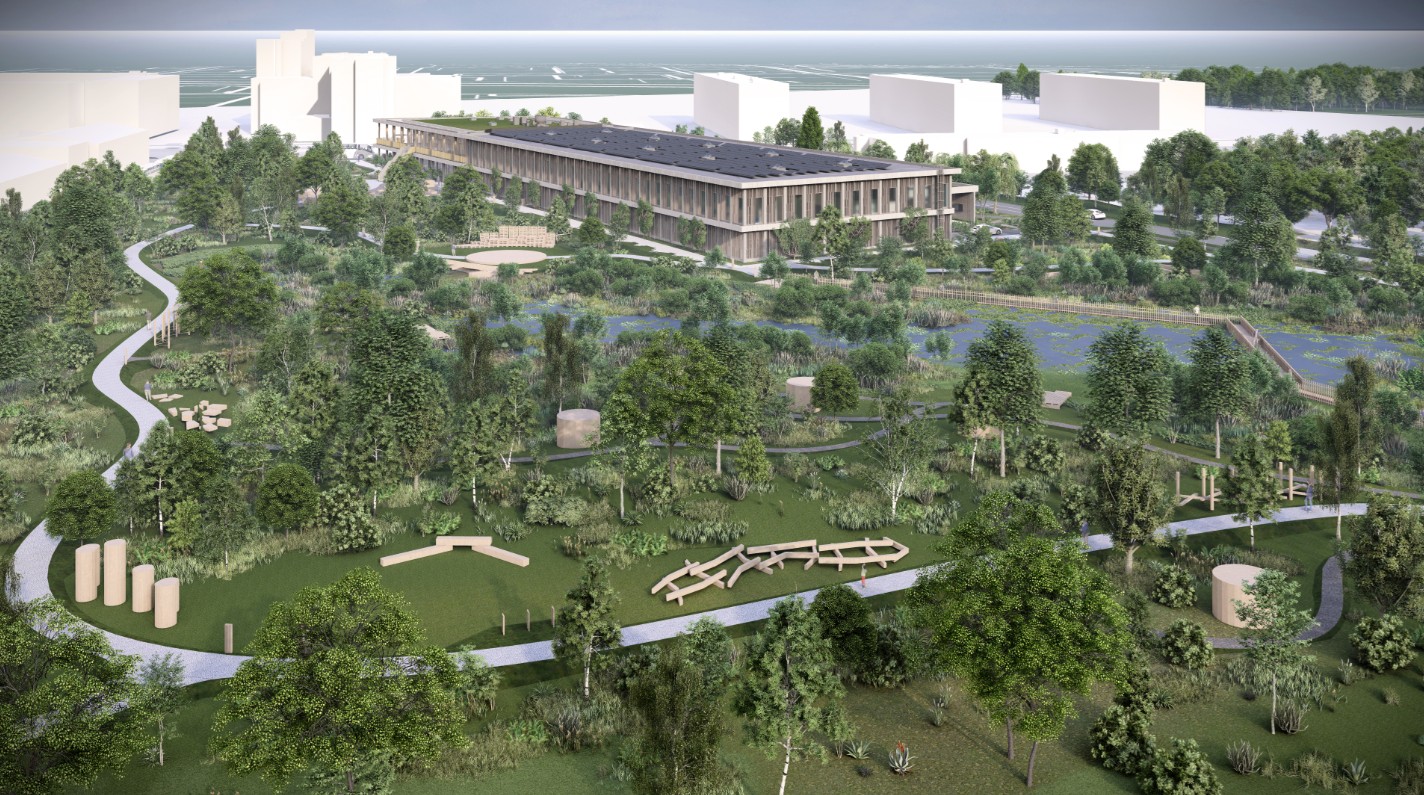
SPIRE emerged from the urgent need to revitalize Baia Mare’s post-industrial landscape and mitigate the adverse effects of pollution on public health, the environment, and the city’s economy. The project aims to restore the legacy of circa 627 hectares of land polluted by heavy metals (up to 5 times the acceptable value) within the metropolitan area, beginning with five pilot sites. Such land is now disconnected from the urban fabric and a danger to the inhabitants and the environment; nonetheless, it is also an essential resource for the urban system’s regeneration and sustainable economic development. By reclaiming five contaminated pilot sites and promoting green development, SPIRE embodies the imperative to create resilient cities prioritizing environmental stewardship, social equity, and a bio-based, forward-looking economy.
WHO: STAKEHOLDERS AND COLLABORATION
At the heart of SPIRE’s narrative are its diverse stakeholders, including local government, academic institutions, community organizations, and residents. Through collaborative partnerships and inclusive decision-making processes, SPIRE has mobilized collective action, including plantathlons, to address complex urban challenges and co-create resilient-based sustainable solutions.
By engaging dwellers at every stage of the project, from citizen awareness, information, engagement, and active participation to co-creation processes, SPIRE has fostered a sense of ownership and shared responsibility for building a greener city.
By attracting young talent and mentoring start-ups working on green business models, SPIRE has built a culture of innovation that inspires the next generation and stimulates local innovation.
By drawing small local enterprises to use the digital token iLEU (immaterial Local Environmental Utility), SPIRE has promoted environmental, health, and climate awareness through a behavioural shift at individual and organizational levels.
HOW: TRANSFORMATION AND RESILIENCE

SPIRE´s transformative journey is characterized by innovative strategies and holistic approaches to urban regeneration: the implementation of phytoremediation techniques, a Nature-Based Solution which uses plants to clean up contaminated land; the creation of a public GIS platform to locate the sites reclaimed (Romplumb, Ferneziu, Colonia Topitorilor, Urbis, and Craica) and tackle the contamination diminishing through in situ measurements; the application of digital tokens, such as the reward-system iLEU, for environmentally friendly activities based on blockchain technologies; the refurbishment of the SPIRE Hub, in Casa Schreiber which has become a centre to initiate and test innovative ideas for urban green transformation; and all kinds of community engagement initiatives, such as the pantathlons, SPIRE has redefined traditional notions of urban resilience and development.
The SPIRE project has already been recognized as:
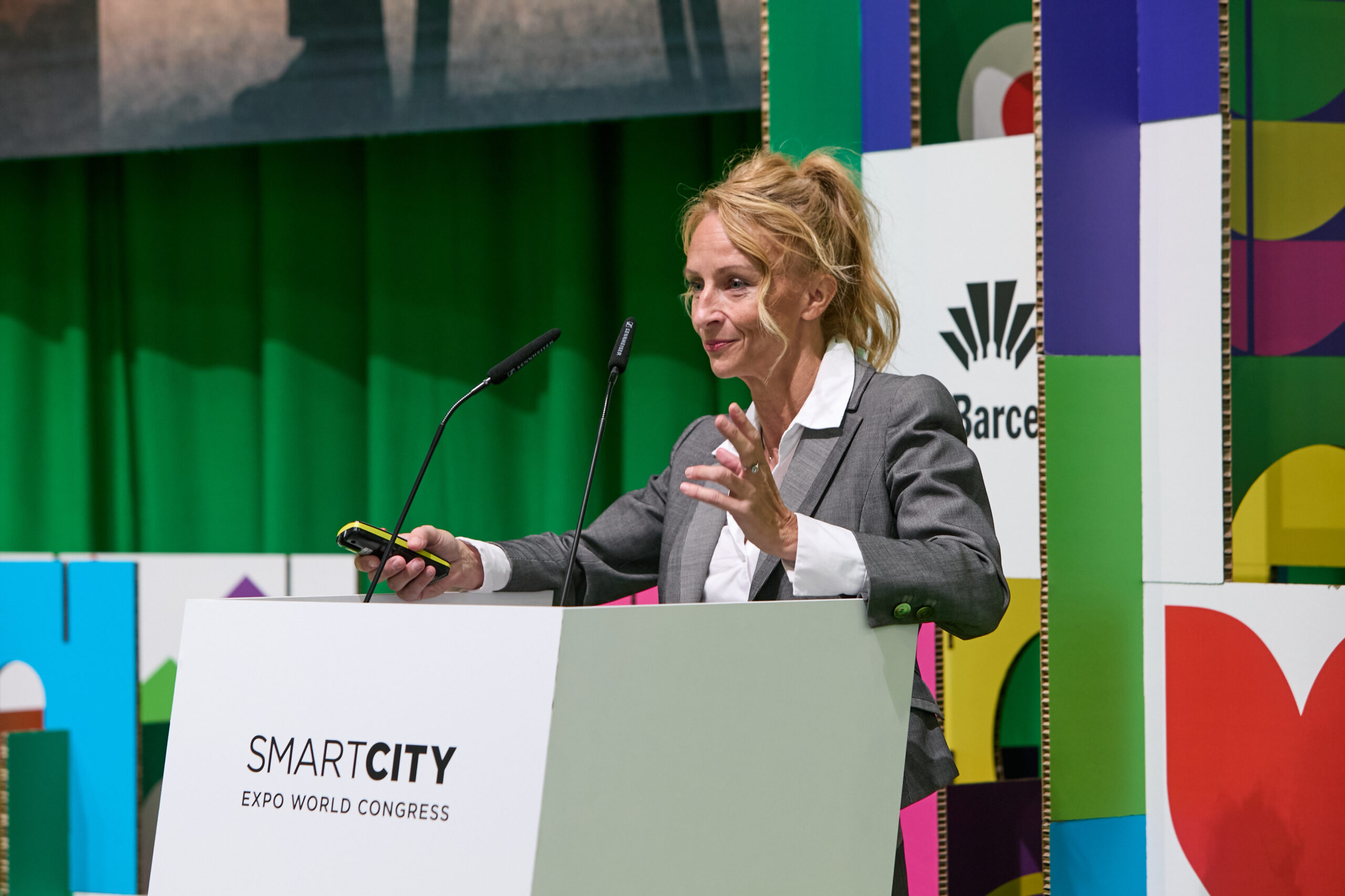
- Innovation award winner at the Smart City Expo World Congress Barcelona 2023.
- Third prize at the European Institution of Public Administration (EIPA) Awards in the category Green Transition and Sustainability.
- Deserving initiative at the 6th Guangzhou International Award for Urban Innovation (Guangzhou Award)
- Finalist at the International Association of Horticulturists (AIPH) award in the category Living Green for Urban Infrastructure and Liveability.
- Nominee at the German SDG & UNIDO Innovation Award 2023 in the category Cities, Municipalities & Districts.
Thanks to the partners: Baia Mare Municipality, Aries, Green Energy Association, University of Agricultural Sciences and Veterinary Medicine of Cluj-Napoca, Baia Mare Metropolitan Area, UrbaSofia SRL, and Indeco Soft.
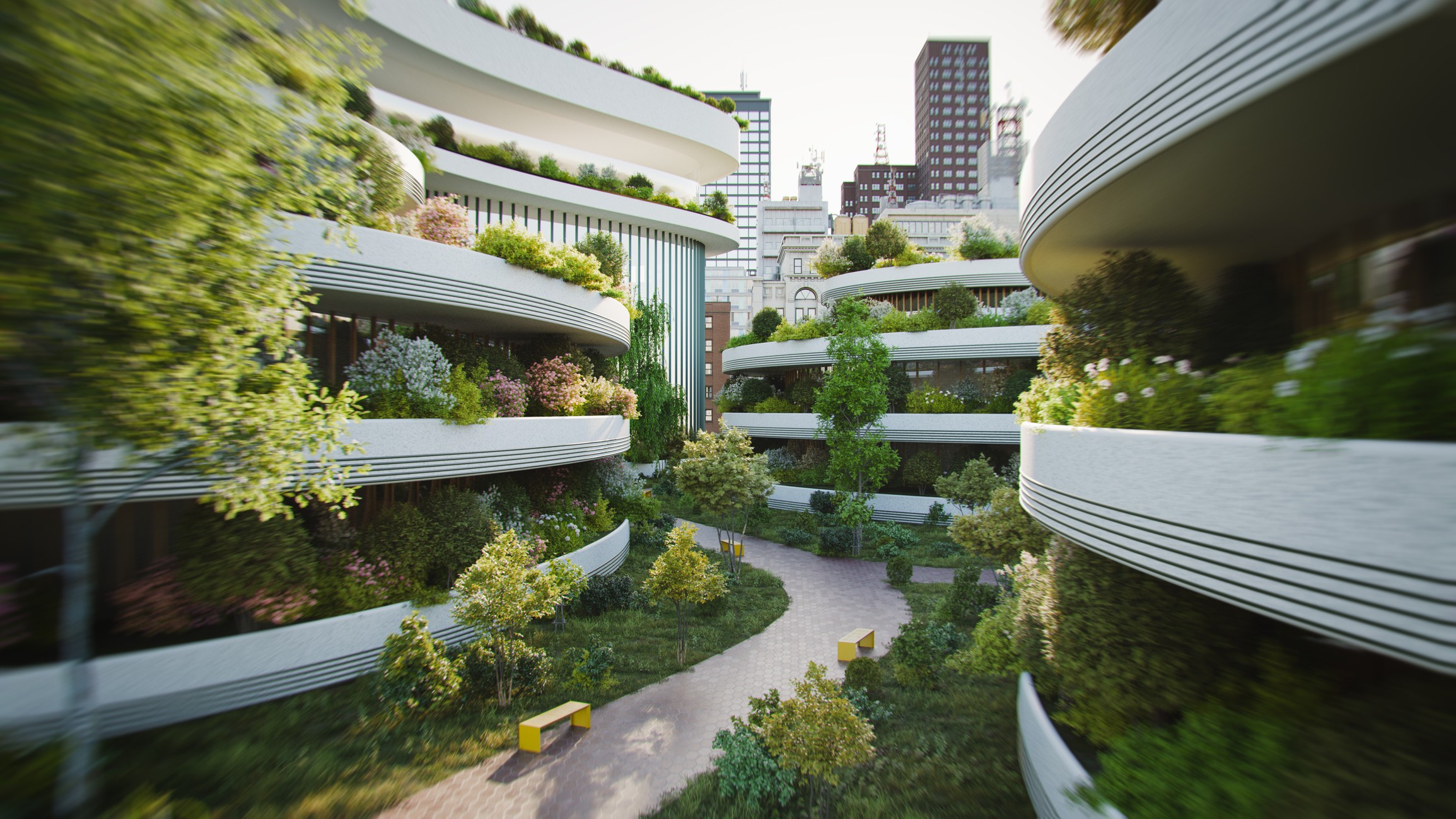
By harnessing the power of Nature-Based Solutions (NBS) and leveraging digital technologies, SPIRE has demonstrated the potential for cities to reclaim contaminated lands, promote environmental sustainability, and empower communities’ economies to thrive in the face of adversity.
IMAGES | Graphic design from SPIRE Toolkit made by ArtiViStory.