Table of Contents
Author | Elvira Esparza
Urban forest fires are more hazardous because the materials burned release far more than just soot and ash, emitting a complex mix of toxic pollutants. The rising incidence of forest fires due to climate change highlights their severe consequences for both public health and urban environments.
During forest fires, the burning of trees and shrubs releases carbon dioxide along with a range of pollutants and suspended particles. These particles include soot, metals, and dust known as PM2.5. If they are smaller than 2.5 microns, they can be inhaled deep into the lungs, potentially causing serious health problems.
However, the situation is even more severe in urban forest fires, as the burning of cars, plastics, and construction materials releases a higher concentration of toxic compounds and pollutants. According to a 2023 study by the Environmental Protection Agency, smoke from urban forest fires contains up to 1,000 times more toxic compounds than smoke from burning natural vegetation.
What are the health effects of urban forest fires?
Determining the specific compounds people are exposed to during a forest fire is challenging, as it depends on the materials burned, the temperature of the fire, and how far the smoke spreads. The compounds released during urban forest fires include heavy metals such as lead, arsenic, and chromium, which pose serious risks of neurological and cardiovascular diseases. Additionally, polycyclic aromatic hydrocarbons are emitted, which are known carcinogens, while dioxins and furans can lead to reproductive and developmental issues. The most vulnerable populations—children, the elderly, pregnant women, and individuals with asthma or heart disease—face a significantly higher risk.
Inhaling these compounds can cause short-term effects such as coughing, throat irritation, breathing difficulties, and stinging eyes. With chronic exposure, the long-term consequences may include heart disease, stroke, and lung cancer. Some studies even suggest a link between exposure to forest fire smoke and long-term neurological effects, including an increased risk of dementia and Alzheimer’s disease.
Victims who have lost their homes and belongings may also experience issues such as depression, anxiety, and post-traumatic stress disorder, which can last for years after the disaster.
The effects persist even after the smoke has dissipated, as toxic pollutants linger in the atmosphere. Ash from urban forest fires can contaminate soil and water supplies with polycyclic aromatic hydrocarbons and heavy metals.
What are the effects of forest fires in cities?

Beyond the health impacts of forest fire smoke, cities can also experience a range of other negative effects.
- Climate change is exacerbated because forest fires release the carbon stored in trees contributing to global warming.
- Decline in water quality and quantity due to the pollution caused by ash and sediments.
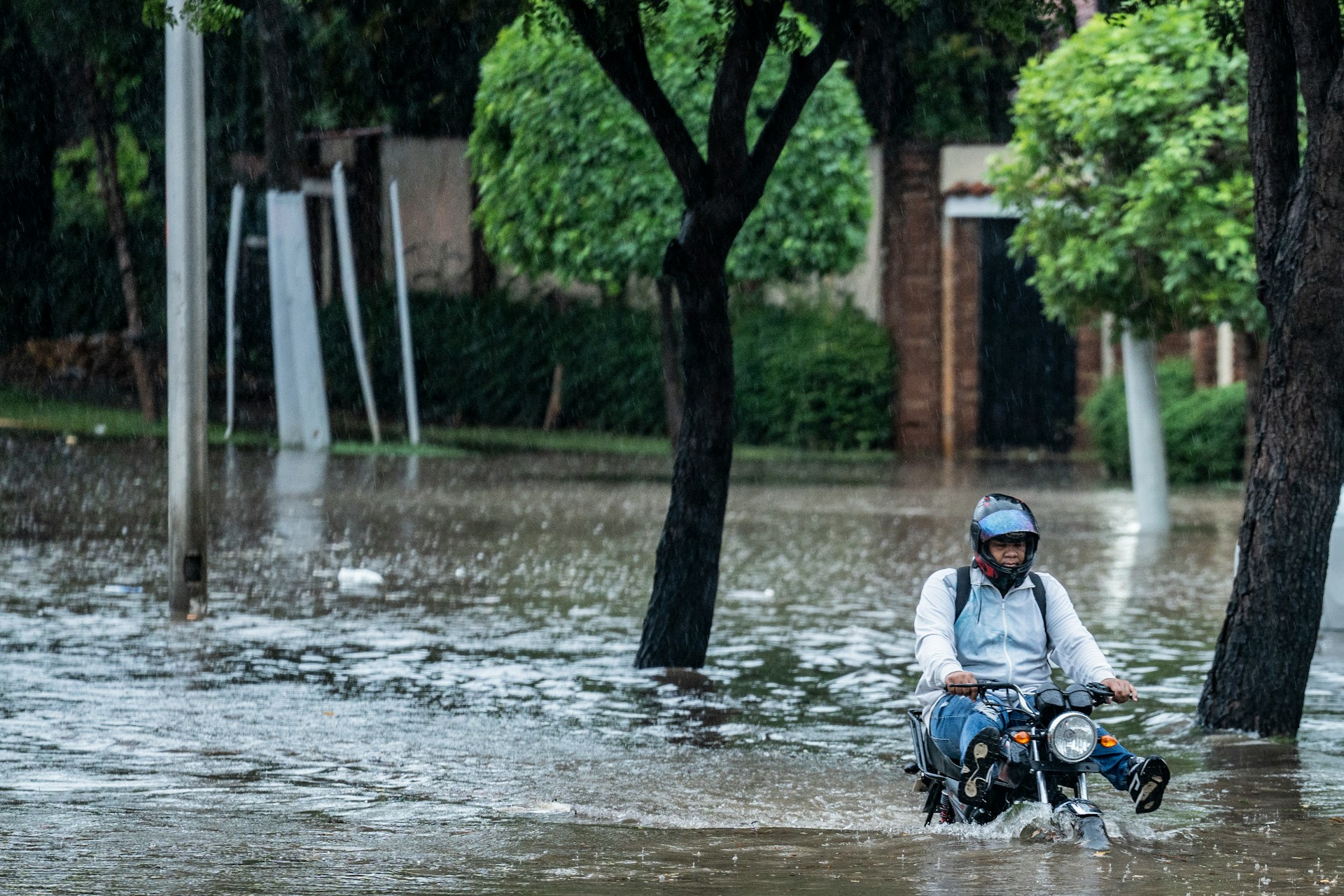
- Risk of flooding as burned soil loses its ability to absorb water, leading to higher runoff.
The recent fires in California have severely impacted the metropolitan area of Los Angeles and surrounding regions, with the most significant damage concentrated in the coastal community of Pacific Palisades, where 6,900 hectares burned, and in Eaton, where more than 5,500 hectares were affected. Furthermore, 12,000 structures were destroyed, 150,000 people were evacuated, and economic losses are estimated to range between USD 135 billion and 150 billion.
In recent years, major forest fires have occurred in various parts of the world, leading to significant disasters in urban areas. The 2019–2020 fires in Australia burned approximately 18 million hectares, including 12 million hectares of forests. The cities of Sydney, Melbourne, and Canberra were severely affected, with more than 2,600 homes and 6,000 buildings destroyed. In Adelaide, the fires devastated vineyards in the region, causing significant losses in the wine industry. According to a study by MIT, the smoke from these fires reached the stratosphere, expanding the Antarctic ozone hole by 2.5 million square kilometers.
Smoke columns generated by forest fires can rise up to 23 kilometers into the stratosphere and spread across the globe. The smoke from the 2023 forest fires in Siberia, driven by global warming and the accelerated melting of permafrost, traveled across the Pacific, reaching Alaska and Seattle
That same year, approximately 15 million hectares burned in Canada, leading to over 155,000 evacuations across the provinces of Alberta, British Columbia, Nova Scotia, Ontario, and Quebec. The economic losses totaled USD 8 billion. In addition to the destruction of properties and infrastructure, the fires also impacted oil and gas production in the Alberta region. The smoke from these fires even polluted the air in the United States, making New York the city with the worst air quality during the crisis.
Images | Marcus Kauffman Ross Stone