



Table of Contents
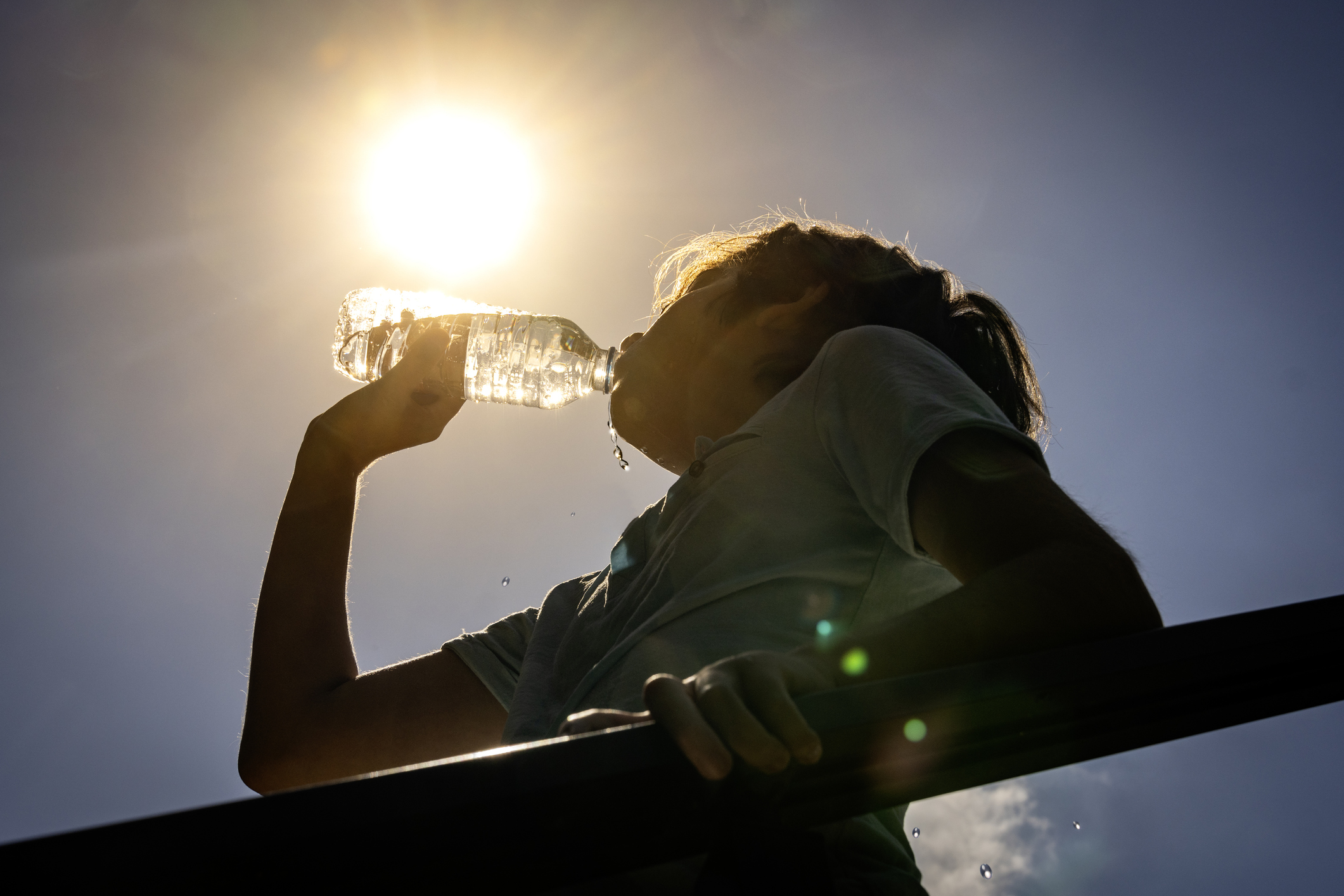
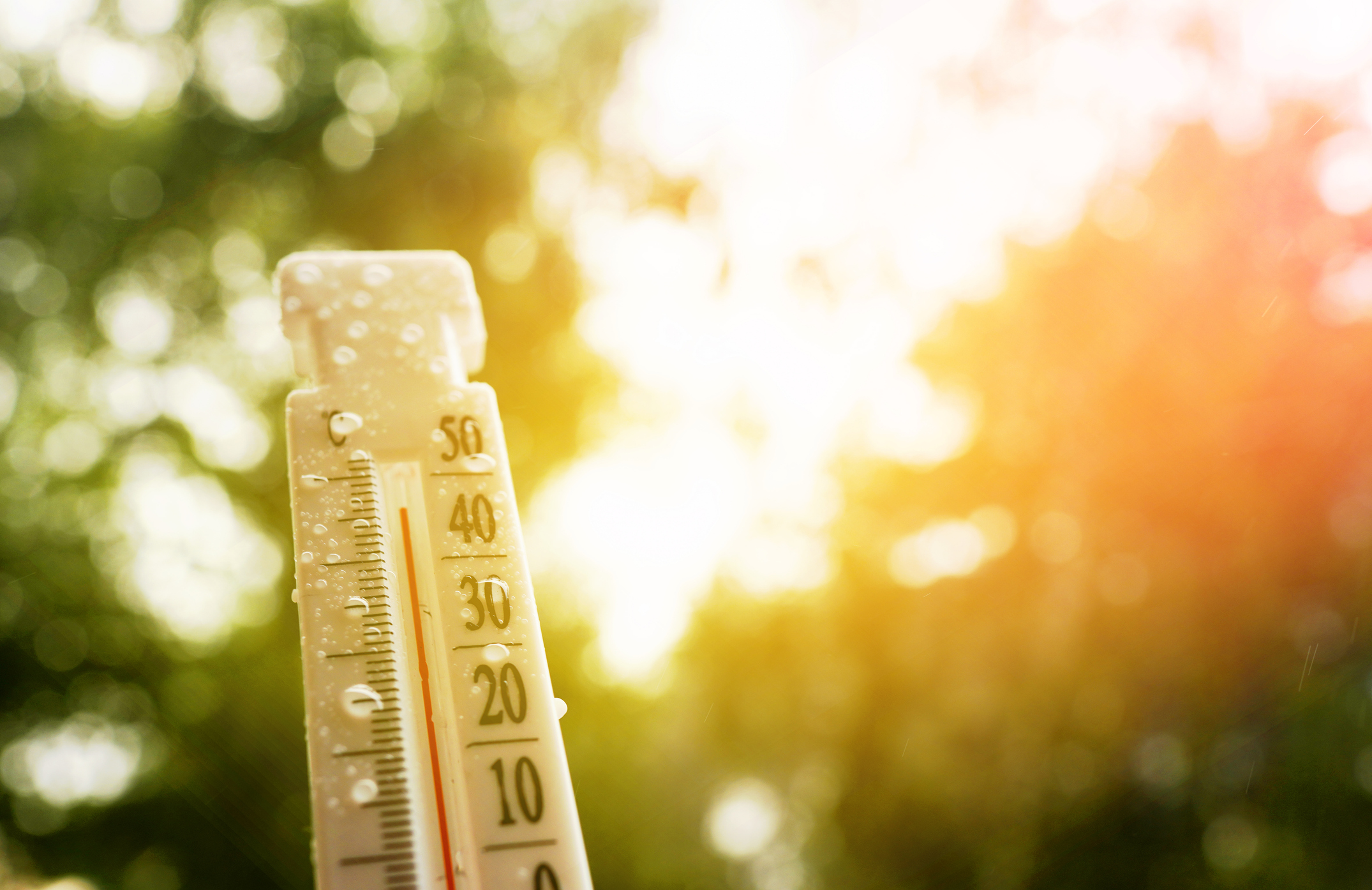
Author | Esther FuldauerThis past month of June has seen a new episode of scorching heat, as a bubble of hot air was drawn northward by winds from North Africa. Cities across Europe saw how temperatures were driven up to 45ºC.These episodes of extreme weather are only going to become more frequent because of the effects of climate change. People in cities suffer the most, with pollution and heat produced by the concentration of human activities. Dark bare surfaces reflect the sun, and asphalt and dark roofs absorb heat and radiate it out again overnight. This phenomenon is called the Urban Heat Island Effect (UHIE), which can raise temperatures several degrees higher than in surrounding rural areas.
What are the strategies cities are taking to combat the urban heat island effect?
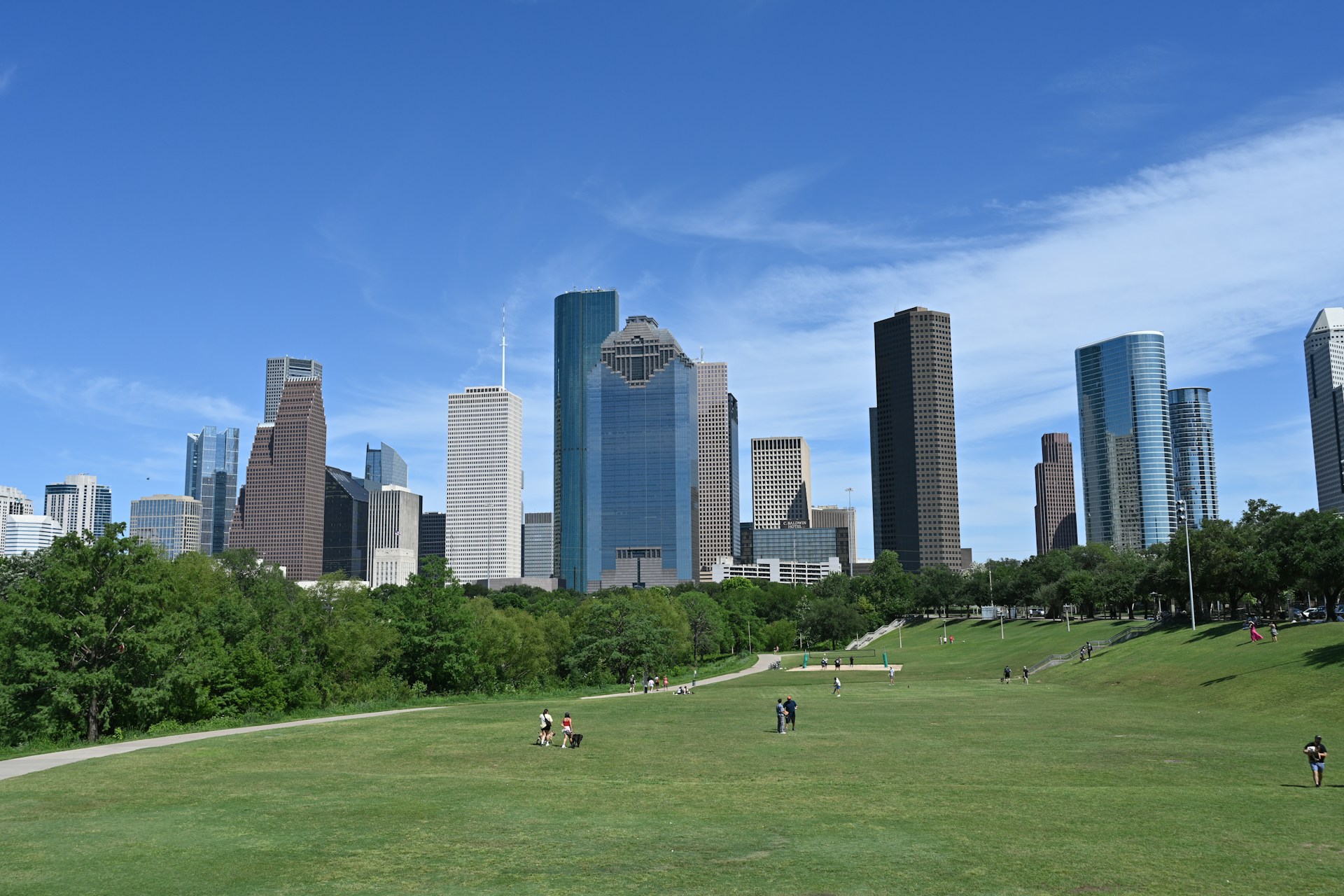
With more people moving to cities and rapid urban development, heat islands can get even worse. Unfortunately, with rapid urbanization, green space is often an afterthought. Also, in old cities that built their infrastructure before anyone was aware of climate change, heatwaves are becoming even more dangerous. What can cities do to remedy this?
- ‘Lightening’ streets: Black asphalt streets, parking lots, and dark roofs can be covered with a more reflective gray coating. These changes drop urban air temperatures dramatically.
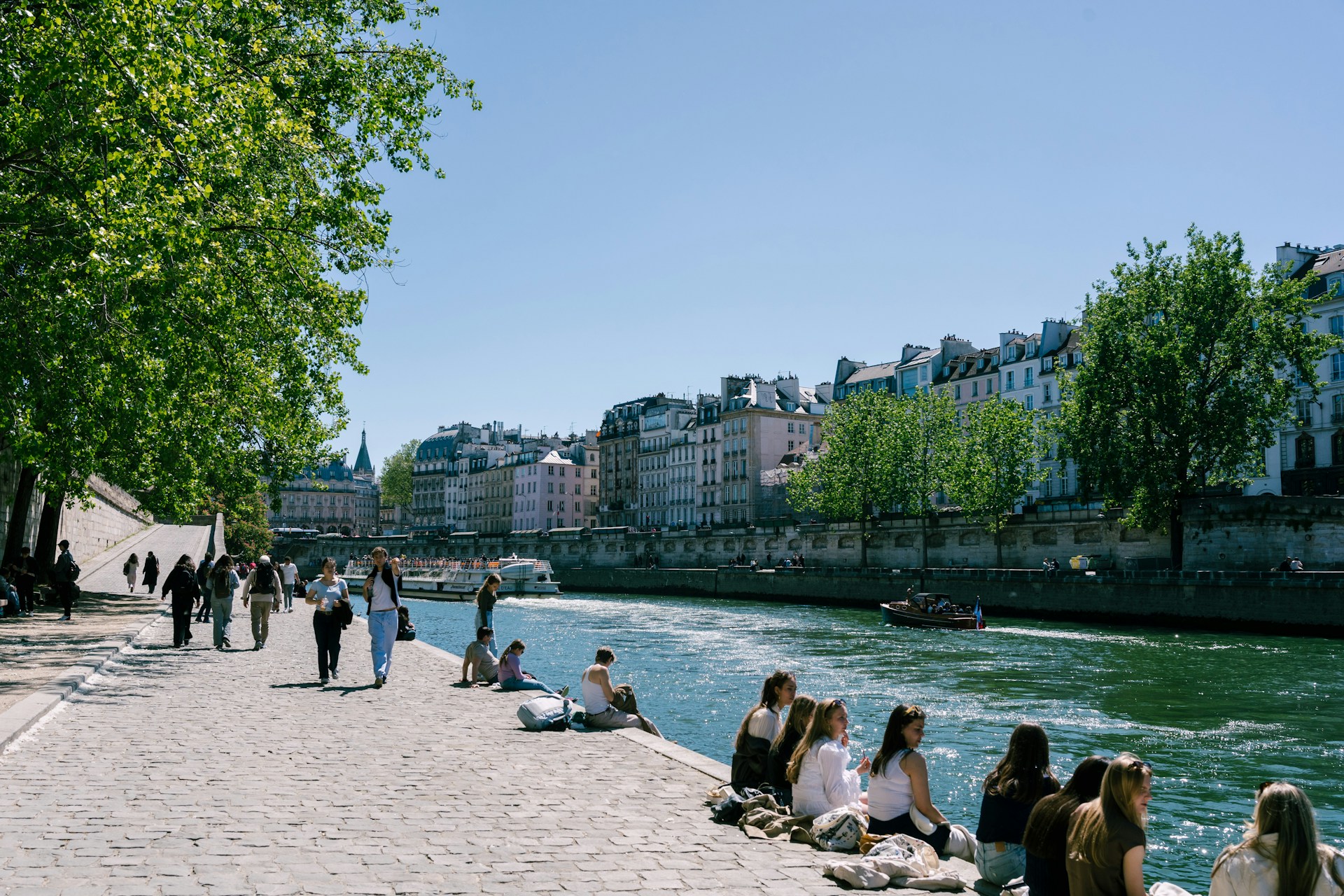
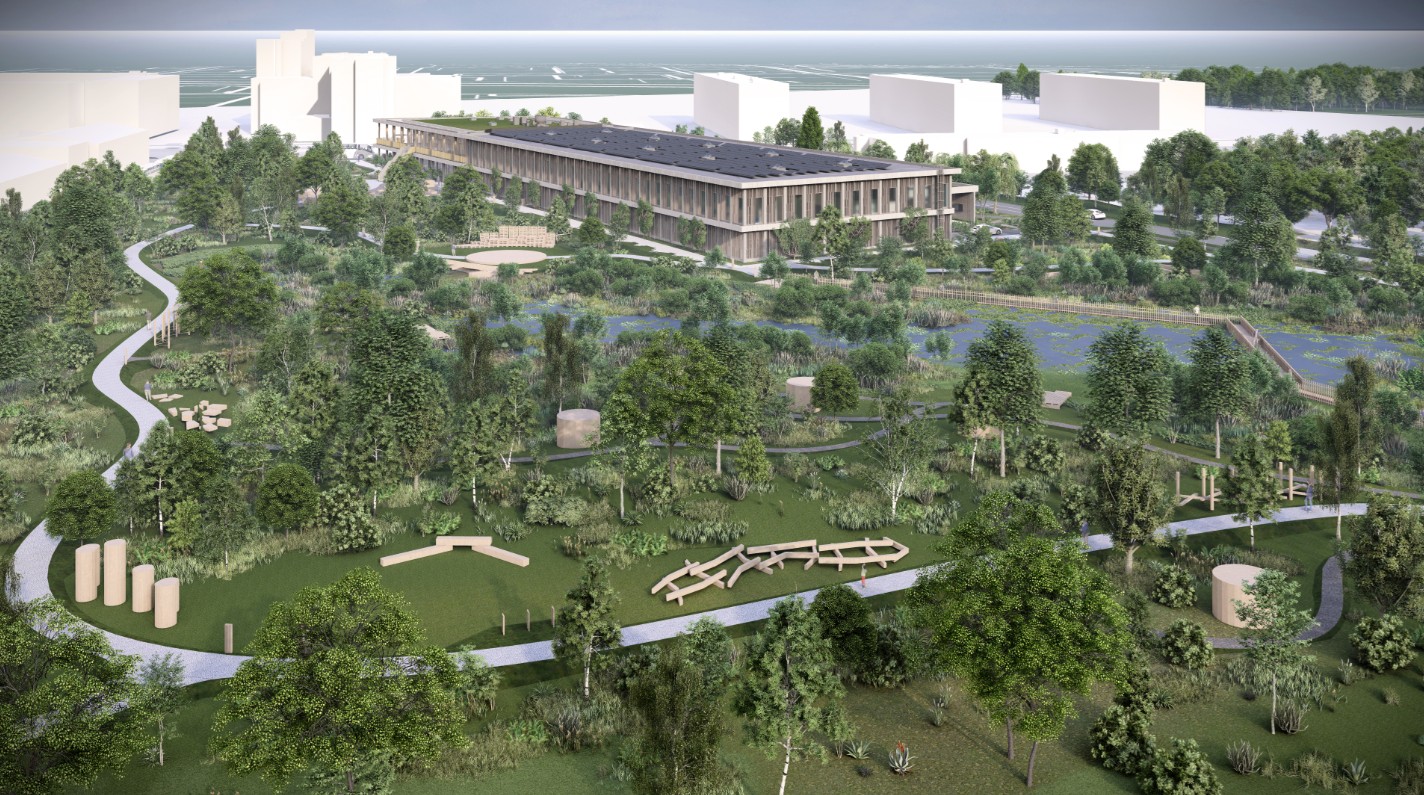
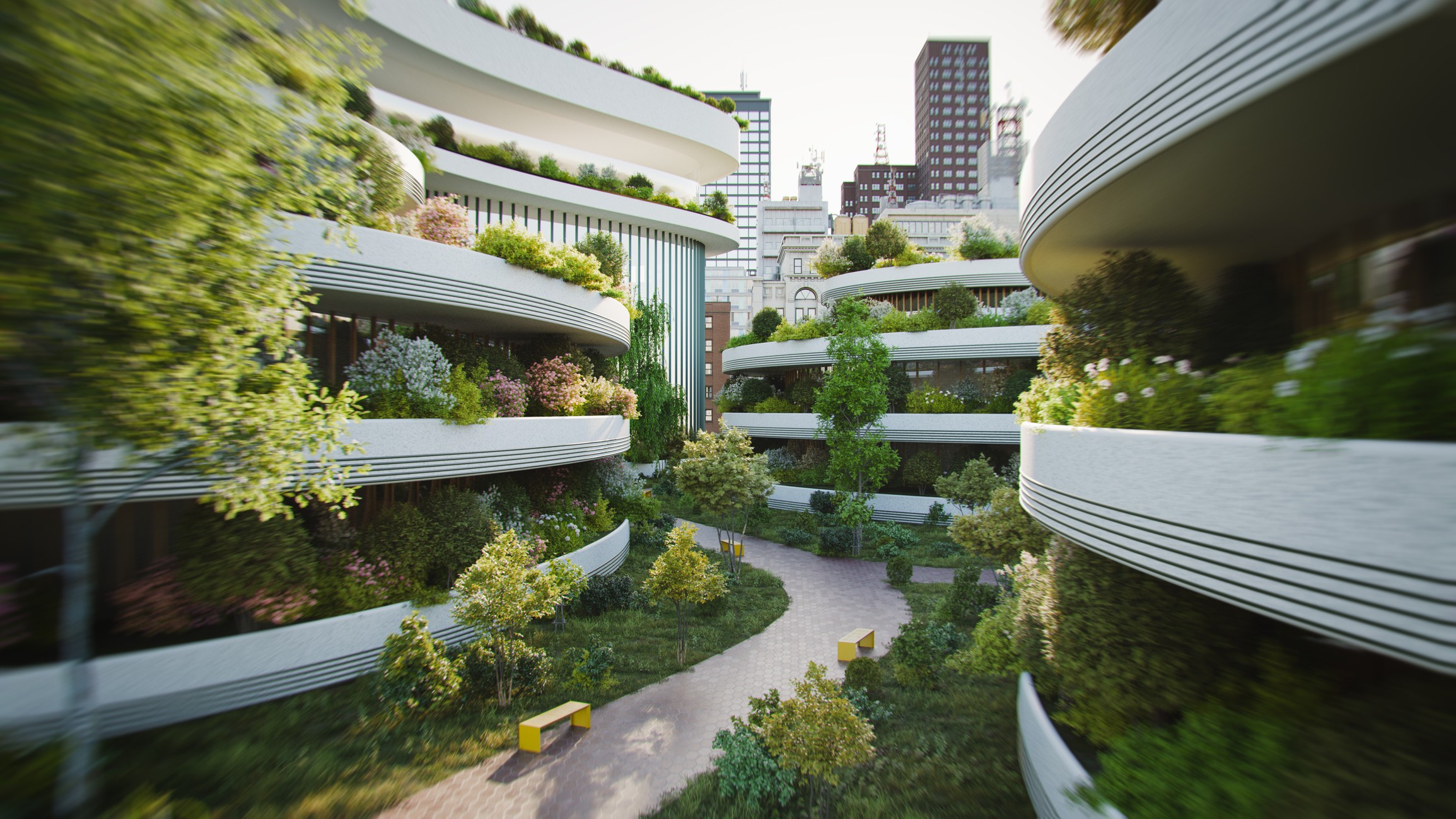
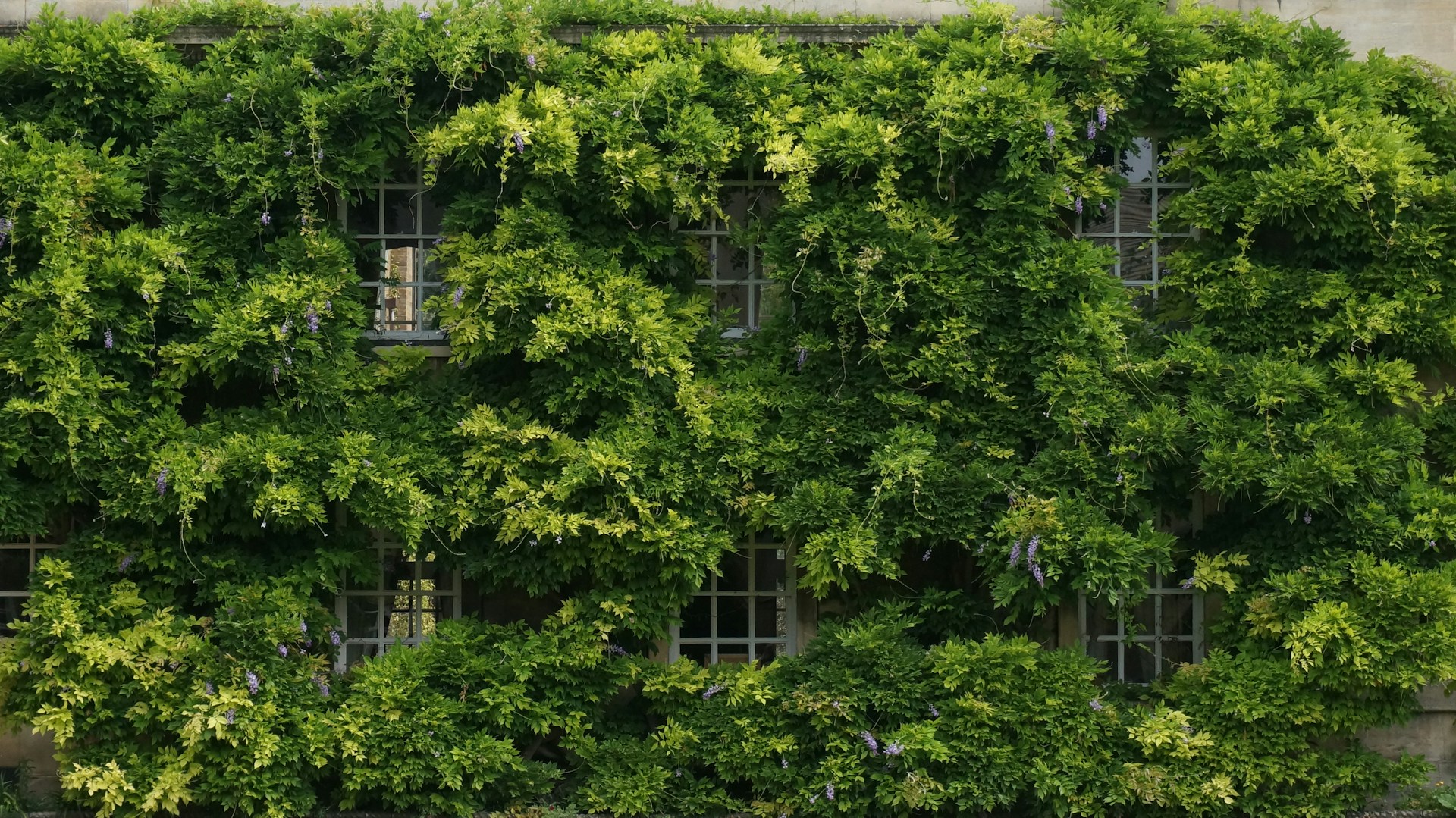
- Greening cities with gardens: Vegetation is a proven way to help lower temperatures, and cities in Europe have set targets to increase it. Paris has a target of 100,000ha, green roofs, and walls being part of the goal.
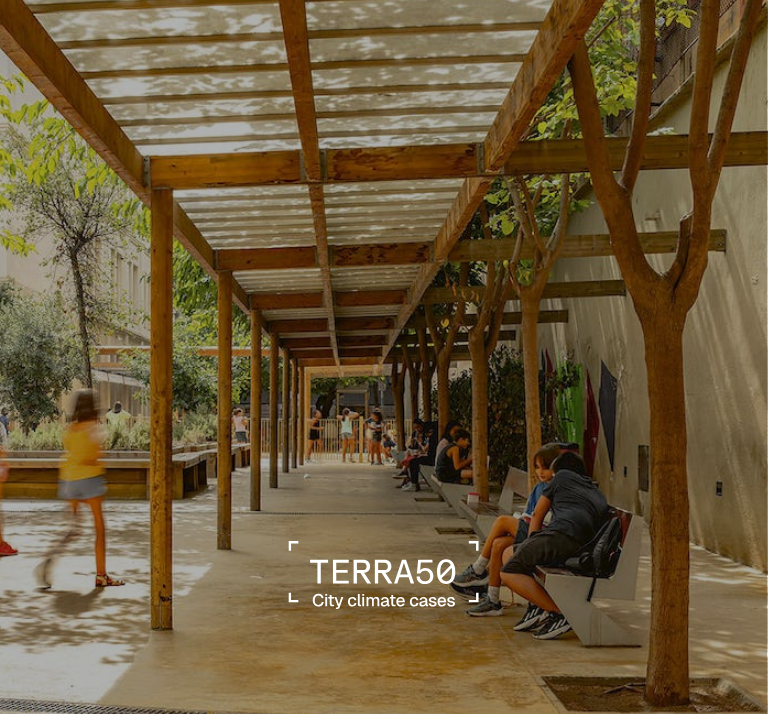
- Urban forest: Trees are high modifiers of urban microclimate cooling through shade and transpiration. Leaves reflect sunlight lowering the temperature in pedestrian areas protecting people from the sun with their shadow. They are also great at trapping humidity and rainwater.
- Green roofs: Plants and soils evaporate moisture cooling the air around a building and can reduce air conditioning use during periods of higher temperatures.
- Wind corridors: Air needs to flow between buildings so that pollution and heat don’t concentrate in lower places. This is the case of the city of Stuttgart, which sits in a river basin, surrounded by steep hills that can trap both heat and polluted air over the region. They made their streets wider and lined them up with trees to direct the air currents.
- Water: Mist showers, fountains and reflective pools all bring the temperature down.
And when the heatwave strikes, what do cities do to help people?
In the past month of June, two people died from heatstroke in Spain, and two more were hospitalized. People most vulnerable to heatstroke include the elderly, babies, people with chronic illnesses, people living in buildings with poor energy efficiency or in areas lacking sufficient greenery. What are cities doing to palliate heat?Paris heat plan was conceived after the 2003 heatwave that killed 14,000 people in France. The city set up public cooling rooms in municipal buildings put mist showers in the streets and parks, and swimming pools stayed open longer than usual. More recently they implemented "isles of coolness," interconnected naturally cooled public spaces where people can stay cool during the extreme heat of the summer. These can be easily found through an app, Extrema Paris, which also informs about local temperature and directs users to the one nearest their location.In Barcelona, the Social Emergency Center (CUESB) takes to the streets during the hottest periods to distribute water to homeless people on the roads, informing about the short-stay center they can use and stay cool and accompany them there should they wish to go. These professionals also alert emergency medical services if they detect any cases of people at risk.Heatwaves are deadly and can take cities by storm. It is estimated that they could quadruple by the end of the century. Municipalities must develop plans to adapt to heat that include forecasting and monitoring, education and awareness, and heatwave response, and should be part of an all-encompassing larger emergency preparedness plan to make the city resilient to the current climate crisis.Images | Pawel Janiak, Jonas Weckschmied, Jiarong Deng