Table of Contents
Author | Elvira Esparza
Colombia has developed an innovative Internet of Forests (IoF) program to monitor and analyze the health of its tropical rainforest. By digitally connecting forests, the initiative aims to generate sustainable economic and social benefits for rural communities.
Colombia ranks second in the world for biodiversity, home to over 50,000 species of fauna and flora with 31 million hectares of protected ecosystems covering 15% of its territory. The IoF initiative aims to protect the Chiribiquete ecosystem, Colombia’s largest national park, located in the Amazon rainforest. It also seeks to promote the sustainable management and conservation of the Amazonian jungles.
Covering 6 million square kilometers, the Amazon rainforest is undergoing a rapid deforestation process. According to a study by Amazon Conservation, approximately 2 million hectares of forest were lost in 2022 due to agriculture, livestock expansion, and illegal mining. In Colombia alone, approximately 1 million hectares of forest were lost. Environmental experts warn that if deforestation is not controlled, it could irreversibly disrupt the planet’s ecosystem.
How does the IoF work?
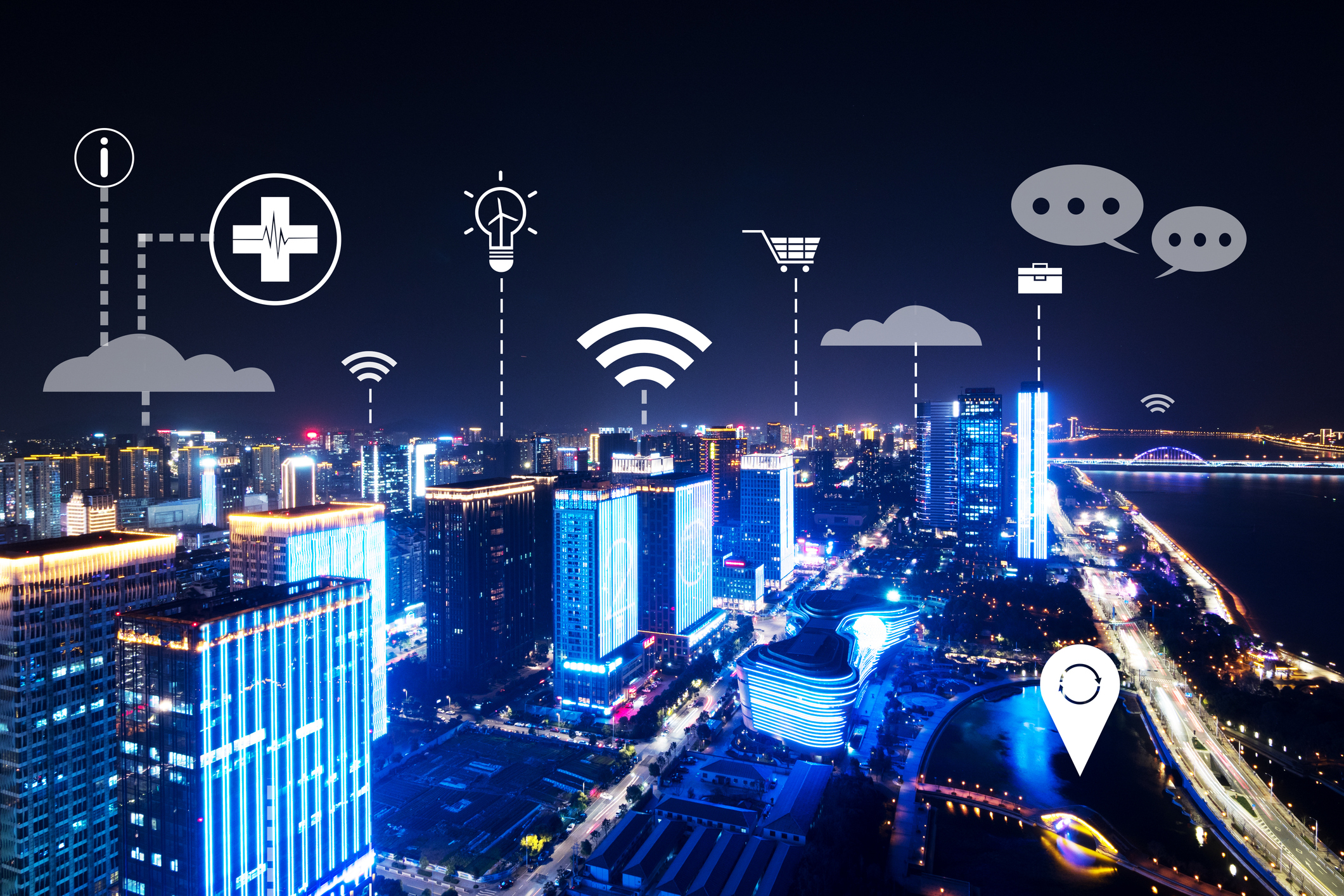
The Internet of Forests integrates internet-based modules into trees, enabling the detection and monitoring of key environmental parameters, such as temperature, wind speed, relative humidity, and carbon dioxide levels. This technology provides real-time data on land conditions, enabling early detection of forest fires, deforestation, and illegal logging.
By integrating land sensors, cameras, LiDAR satellite data, and high-resolution imagery, combined with machine learning and artificial intelligence (AI), the IoF system analyzes the relationship between landscape dynamics, environmental conditions, human activities, biophysical variables, and natural reserves.
The IoF also enhances internet connectivity for local communities via satellite technology. This enables the development of sustainable businesses such as precision agriculture, water management, ecotourism, renewable energy production, and climate change adaptation.
What are the applications of the Internet of Forests?
The key applications of IoF include:
- Real time environmental monitoring. Equipped with temperature, humidity, and air quality sensors, the IoF enables early detection of forest fires and continuous monitoring of tree growth and health.
- Protection of biodiversity. Through the use of trap cameras and AI-powered monitoring, the IoF enables species tracking, acoustic analysis to detect wildlife, and the creation of biological corridor maps to preserve natural habitats.
- Sustainable resource management. Focused on the analysis of carbon storage in forests, reforestation efforts using big data, and the prevention of illegal logging through real-time alert systems.
- Smart forest agriculture. Based on the efficient use of water and nutrients, smart forest agriculture leverages predictive models to enhance crop yield and sustainability.
Examples of IoF in city parks

Some cities are leveraging AI and the IoF to maintain parks and gardens, enhancing sustainability.
- In the towns of Alcobendas, Colmenar Viejo, Tres Cantos and San Agustín de Guadalix, AI technology is being utilized to manage and preserve green areas. Using satellite imagery, green areas are identified, and tree canopies are accurately measured. This technology reduces costs by 80%, saves time and resources, and enhances the planning of tree pruning and irrigation.
- Tandil (Argentina). A pilot project has been launched to digitally manage urban trees. Sensors and AI systems are used to monitor tree health, optimize irrigation, and detect diseases early.
- Tbilisi (Georgia). This city has joined Green City Watch to map the location, size, and health of trees using satellite imagery and machine learning. As a result of this analysis, new parks have been developed, and CO₂ emissions have been reduced by 413 tons.
Images | Victor Castano Mabel Amber