



Table of Contents
Author | M. Martínez Euklidiadas
Air pollution is one of the major challenges of the 21st century, since nine out of ten people in the world live in an environment that does not meet minimum air quality guidelines. It has recently been discovered that 99 out of each 100 Europeans breath, and there is no other way of saying it, toxic air. What can cities do to clean their air? What tools are available to support their public policies? Reduce the use of cars, provide heating without fuels and use vegetation are some solutions.
What causes urban air pollution?
In order to answer the question of how smart cities are reducing air pollution, first it is important to understand the cause of air pollution in these cities:
● The use of fuels for various purposes including power generation, transport, industry and heating.
● Industrial process emissions from non-fuels, such as solvents.
● Agriculture, including agricultural chemicals, pesticides or biological inputs.
● Lack of waste treatment or inappropriate treatment systems, including burning waste to leaving it in landfills where it emits gases.
Based on these elements, and particularly private vehicles and fuel stoves, different measures are taken.
Restricting urban centers: removing cars from cities
The use of private vehicles is the major source of urban (and non-urban) air pollution practically everywhere in the world, except perhaps regions in which emissions from coal-fired power plants are not located near cities. How can cities remove cars?
A 2022 study conducted by Paula Kuss and Kimberly A. Nicholas summarized the 12 best initiatives to get cars out of cities, which included (1) including a pay-per-use urban charge, (2) replacing parking spaces with bike lanes and walkways and (3) restricting car entry.
These measures must be accompanied by pedestrian alternatives, cycling mobility and collective public transport options (if possible electric or hydrogen).
More plants, less fumes: how plants can function as a filter

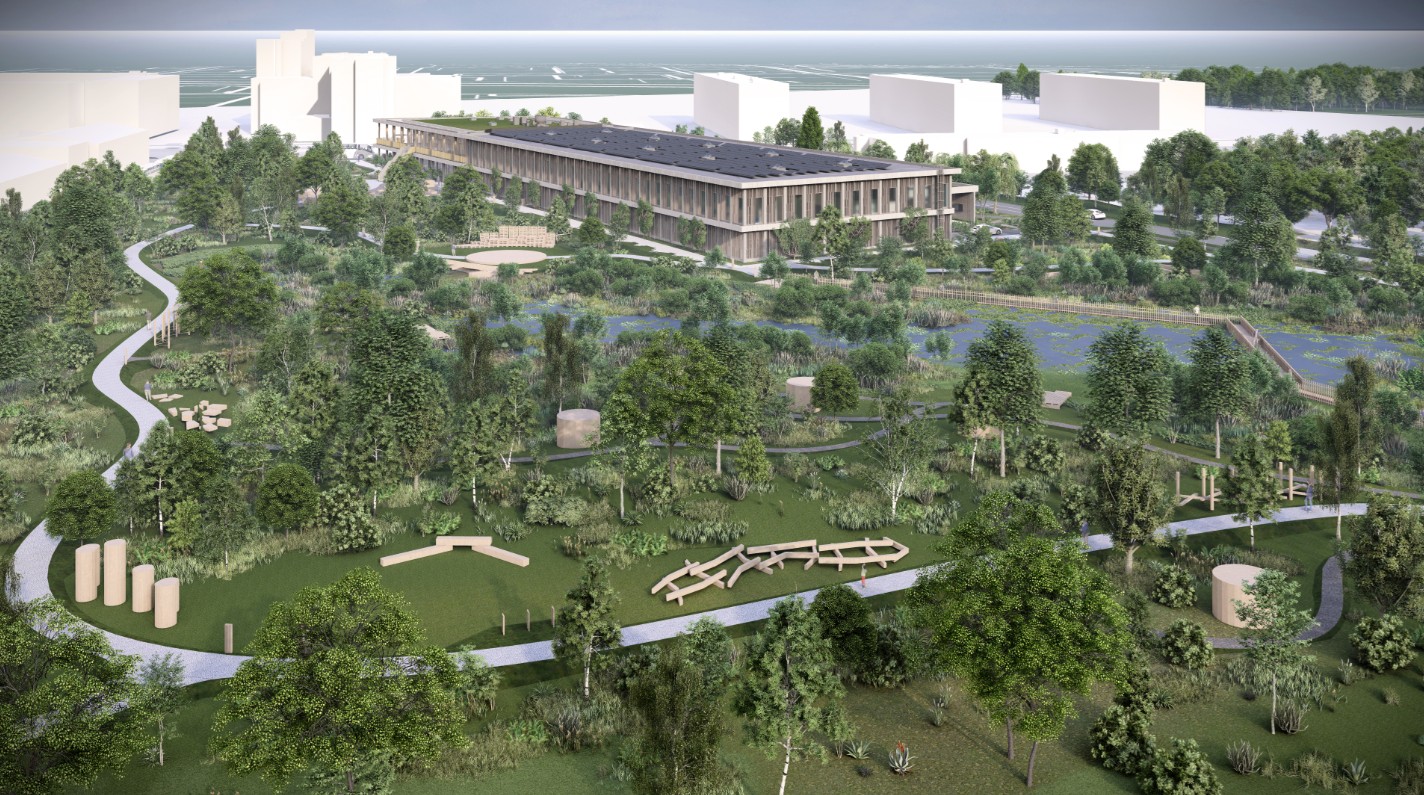
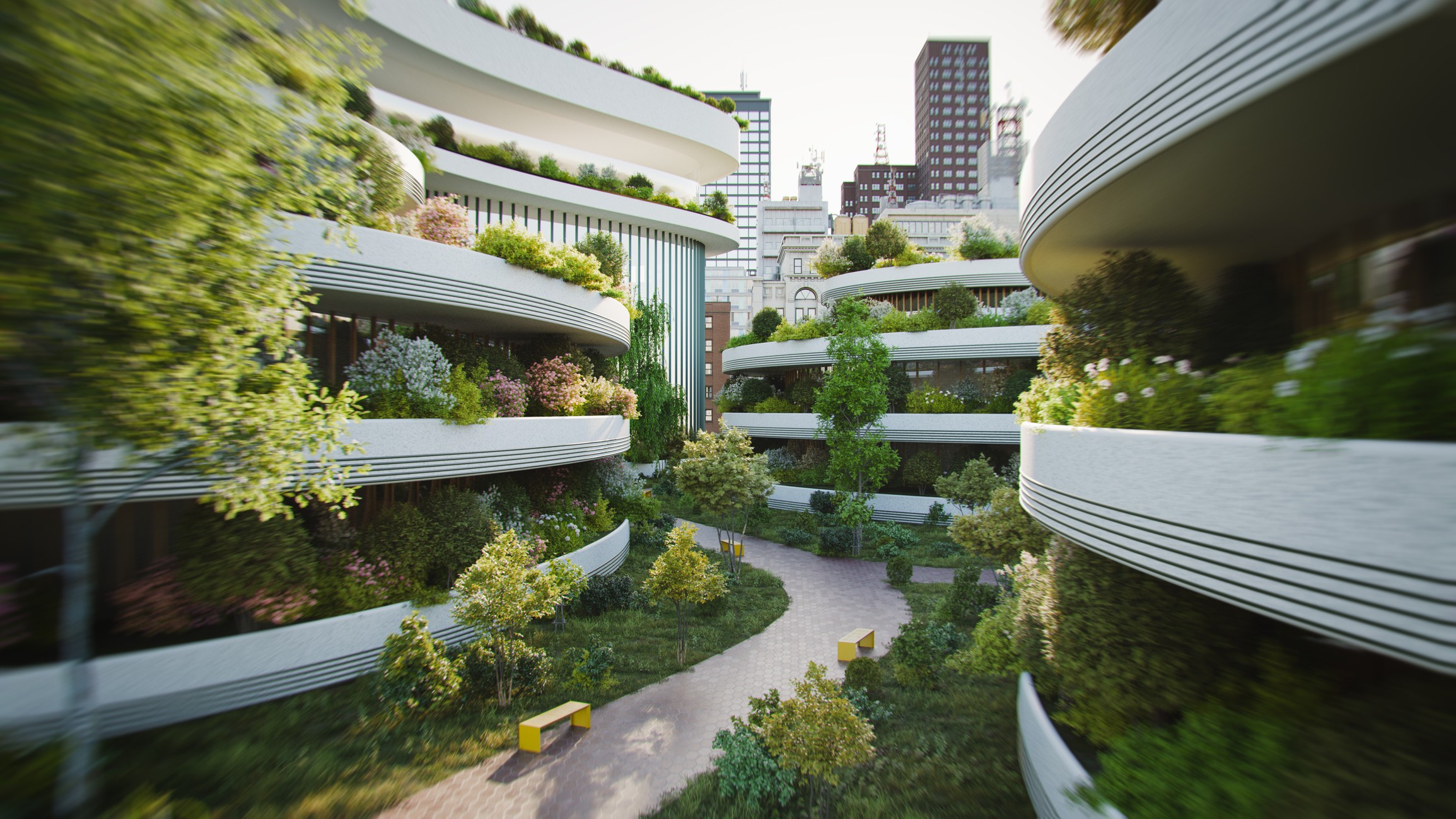
Increasing vegetation (not necessarily trees, but also trees) is one of the main objectives of towns and cities looking to improve quality of life in cities. Without being the panacea, plants do help to filter urban pollutants and reduce noise and thermal pollution.
For them to be a success, green infrastructure strategies need to follow a strategic plan that connects the city’s green areas, reversing the current pattern of green islands in a sea of asphalt to gray islands in an ‘urban forest’.
Innovative materials and technologies that can be used in cities
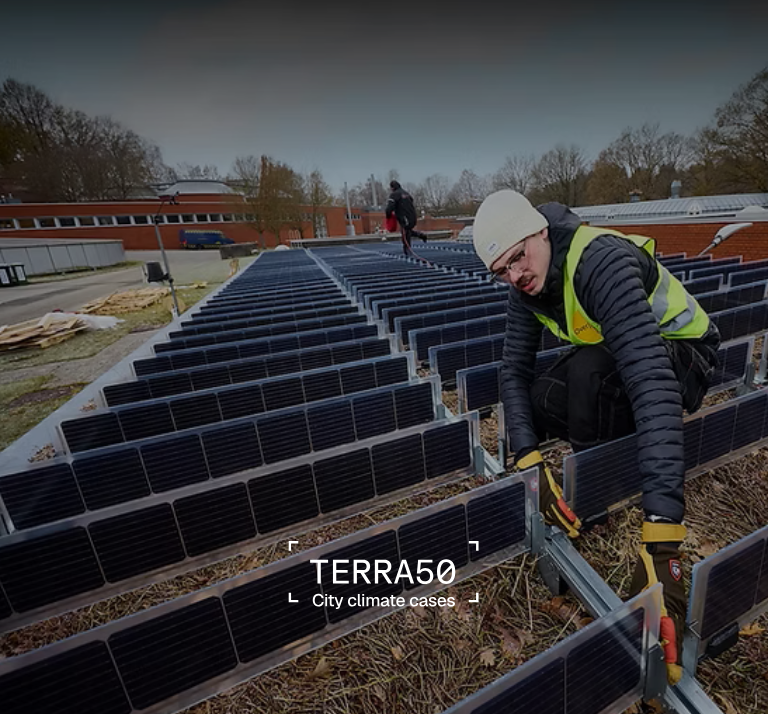
Large-scale solar deployment in cities reduces or directly avoids the use of nearby industrial thermal plants, but also facilitates the change towards a heat pump electric heating system.
Permeable pavements also help when soil cannot be included as an air pollutant sink. In addition to these materials, local or zero kilometer agriculture can also help when certain chemicals are not used, helping to retain carbon.
In 2021, the WHO published new and stricter air quality guidelines, just for us to realize that air pollution was even more of a problem than we originally thought. The current objectives of cities include reducing some of the air pollutants to a minimum, many of which do not have a minimum safety level (they are harmful in any concentration). The decision making is more pressing.
Images | Nil Castellví, Ashley Baxter