



Table of Contents
Author | Lucía Burbano
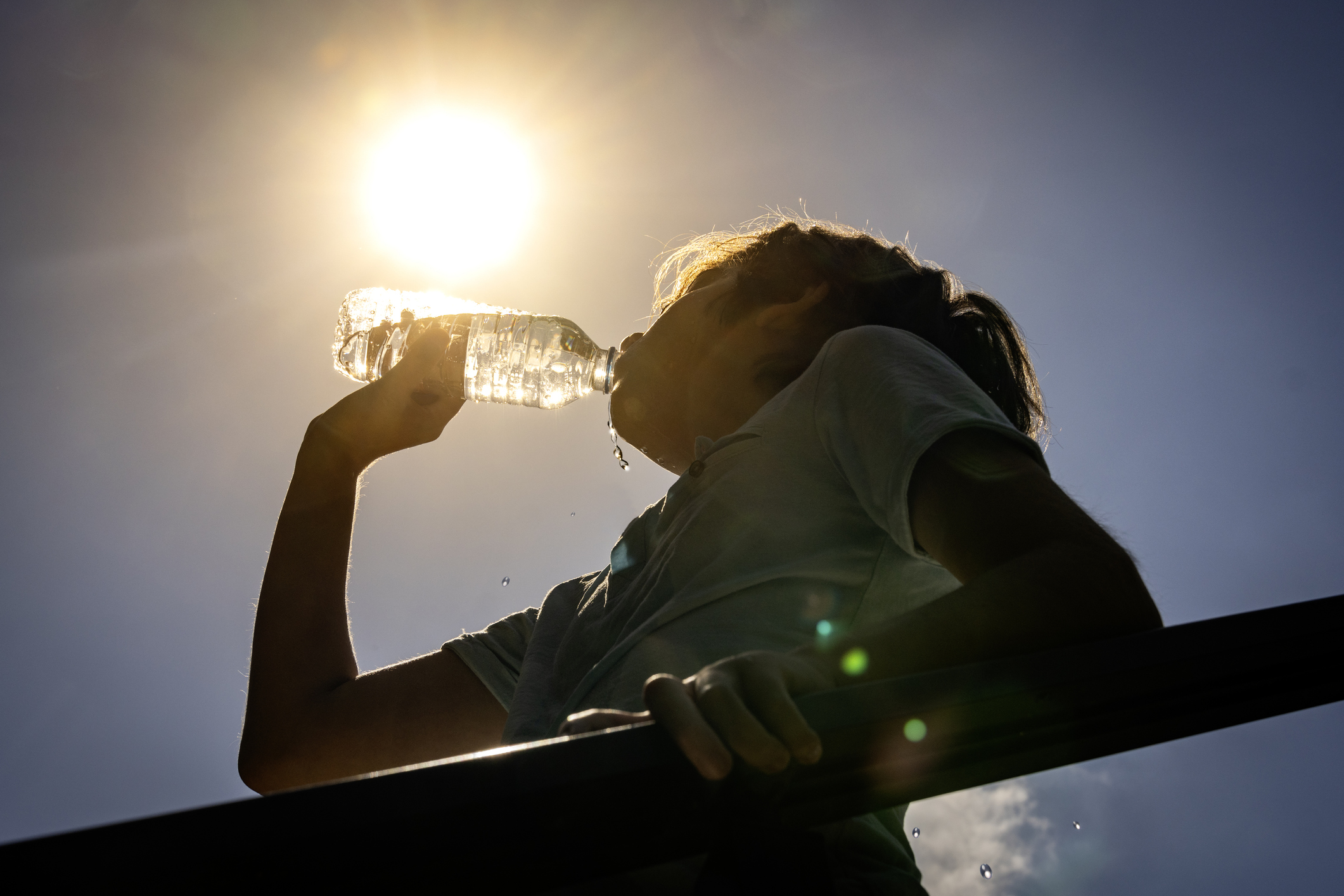
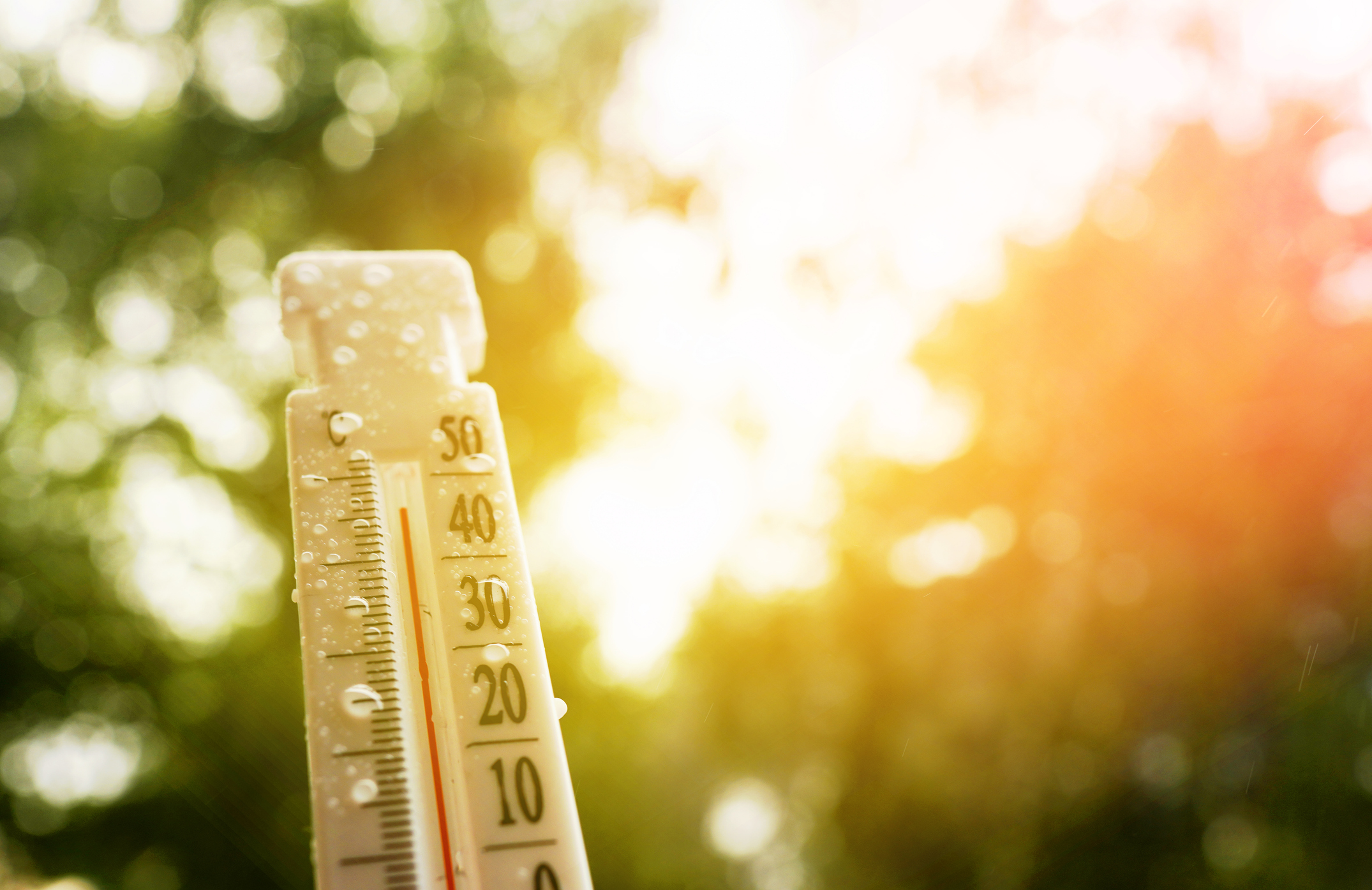
Heatwaves are getting hotter and more frequent and pose a real threat to health, particularly among vulnerable groups. According to the World Health Organization, in 2022 15,000 people died in Europe specifically due to the heat, which the international organization claims can be directly attributed to climate change.
Heatwaves, a growing phenomenon in cities
The World Meteorological Organization defines a heatwave as "statistically unusual hot weather persisting for a number of days and nights".
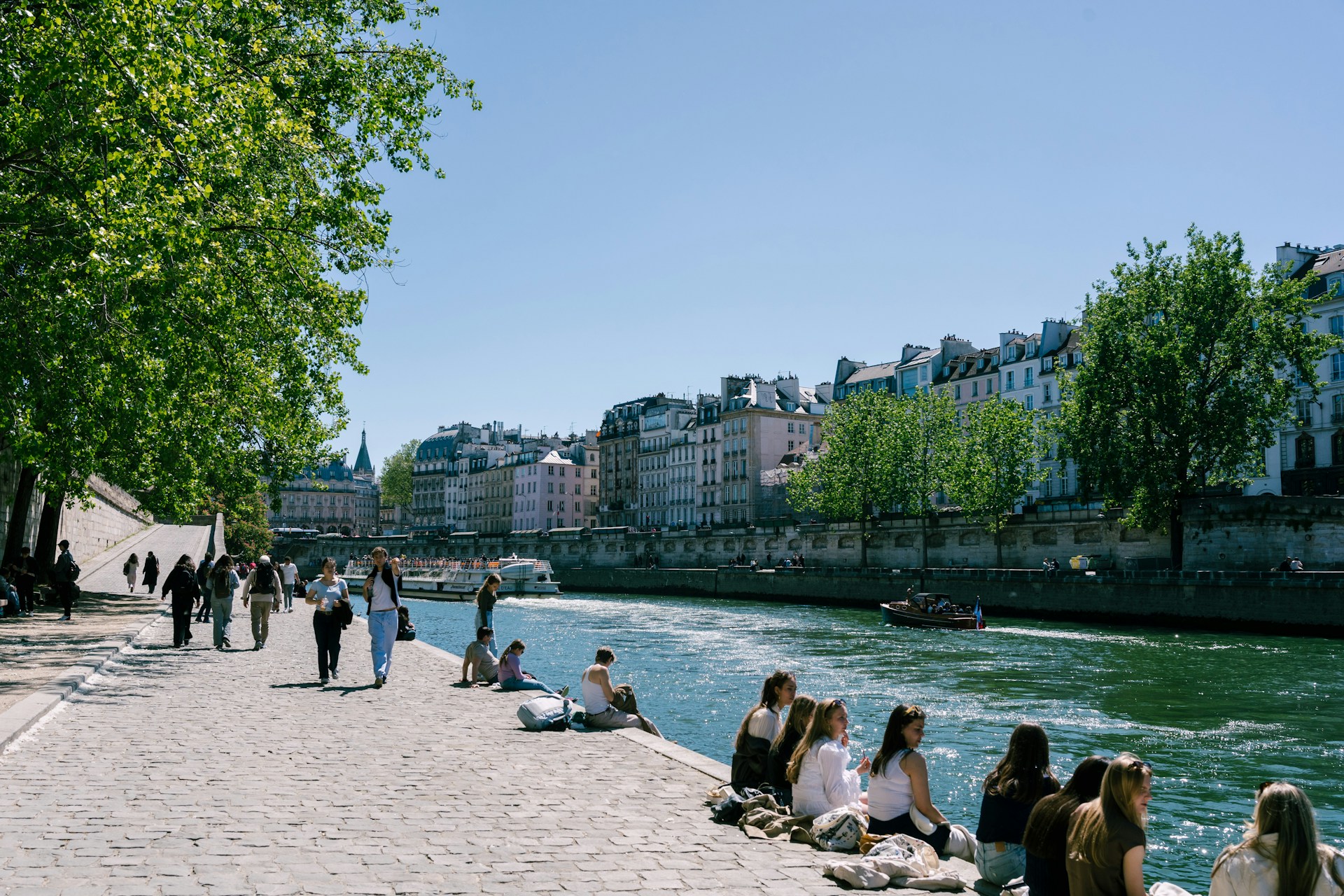
Heatwaves are particularly visible in cities, leading to what are known as urban heat islands, causing an even more suffocating heat sensation. A study published by the Swiss meteorological service estimates that the temperature difference between the city and the surrounding rural area can reach up to 6 degrees, particularly at night.
If we purely and simply look at statistics, Statista indicates that in 2022, cities in India and Pakistan reached record temperatures of 50 ºC, leading to power cuts and water shortages.
This phenomenon was also recorded in the southern hemisphere. The Australian town of Onslow surpassed its record with 50.7 ºC while in Florida, Uruguay, temperatures reached a national record of 44 ºC.
Identifying heat in cities and vulnerable groups
Many cities are already taking action to alleviate the effects of heatwaves.
The first step, according to the C40 global network of cities, is to **measure urban heat and vulnerability** in order to understand the heat risks affecting vulnerable groups.
For example, the city of Melbourne’s response strategy to heatwaves focuses on homeless people. Or Ahmedabad in India, which focuses on people working outdoors.
Another strategy is to create heat maps that combine data on heat variability in the city with socio-economic data. Cities such as Toronto have Heat Vulnerability Indexes available online, alongside mapped information about the location of cooling centers.
These maps can be created with meteorological agencies, researchers or by installing temperature sensors to map the urban heat island effect in real time. Madrid has installed a network of 27 meteorological sensors that measure temperature, humidity and other parameters.

Innovative ways in which smart cities are combating heatwaves.
Once the information has been collected, it is time to take action. Measures that cities can take to alleviate the effects of heatwaves include the following:
Climate shelters
These are spaces that offer respite for people during extreme climate events. They must be duly signposted, maintain a temperature of 26 ºC, be accessible to all citizens and provide resting areas with seats and drinking water.
Create shaded areas
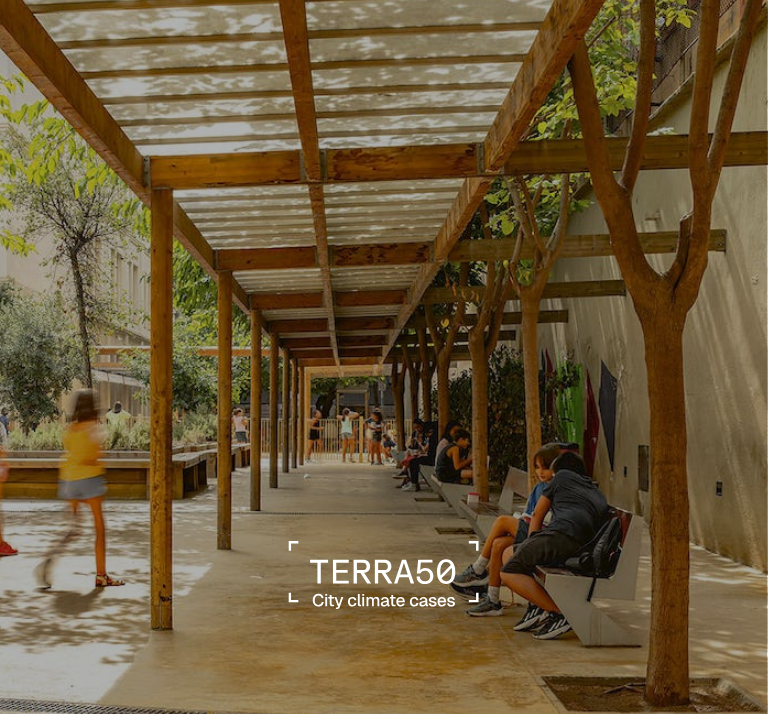
Shade is essential for streets and squares to be walkable during high temperatures. Planting tall trees, installing large screens an awnings are some solutions.
Paving materials
Sidewalks and asphalt are made using gravel or crushed rocks, materials that can reach temperatures exceeding 60 ºC in summer. Ideally, permeable pavements should be used with 90% run-offs that filter part of the rainwater and reduce the heat and help plant species to grow.
White, the color to mitigate heat
The use of white paint reflects more sunlight and prevents pavements from overheating. It is an old technique used to cool down households widely used in the Mediterranean and which can be extended to cities. However, if the heat is accompanied by significant sunlight, the bright light on the streets can be blinding, leading to potential road safety problems.
Photographs | Unsplash/Lerone Pieters, Unsplash/Mikita Yo