



Table of Contents
Authors | M. Martínez Euklidiadas, Raquel C. Pico
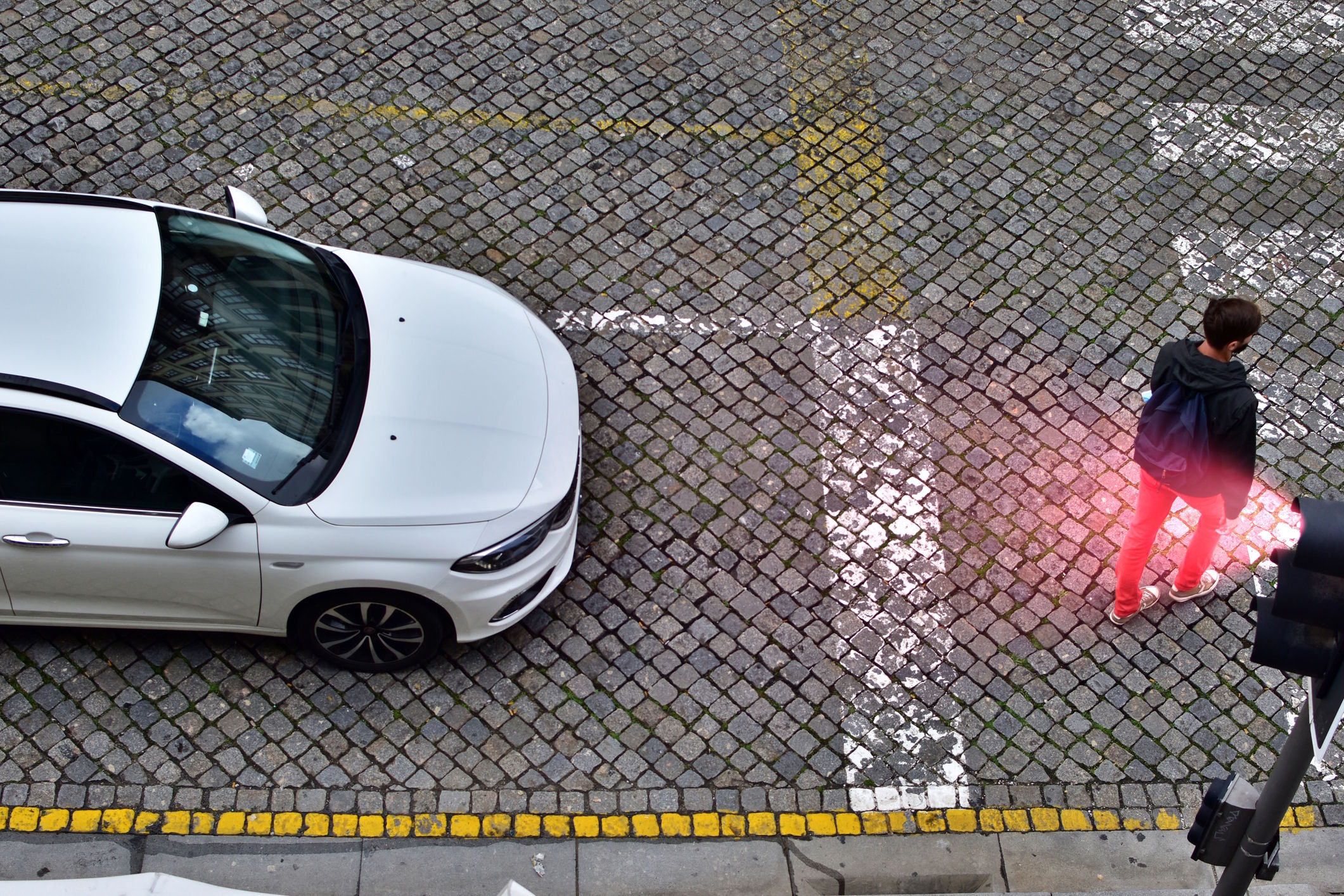
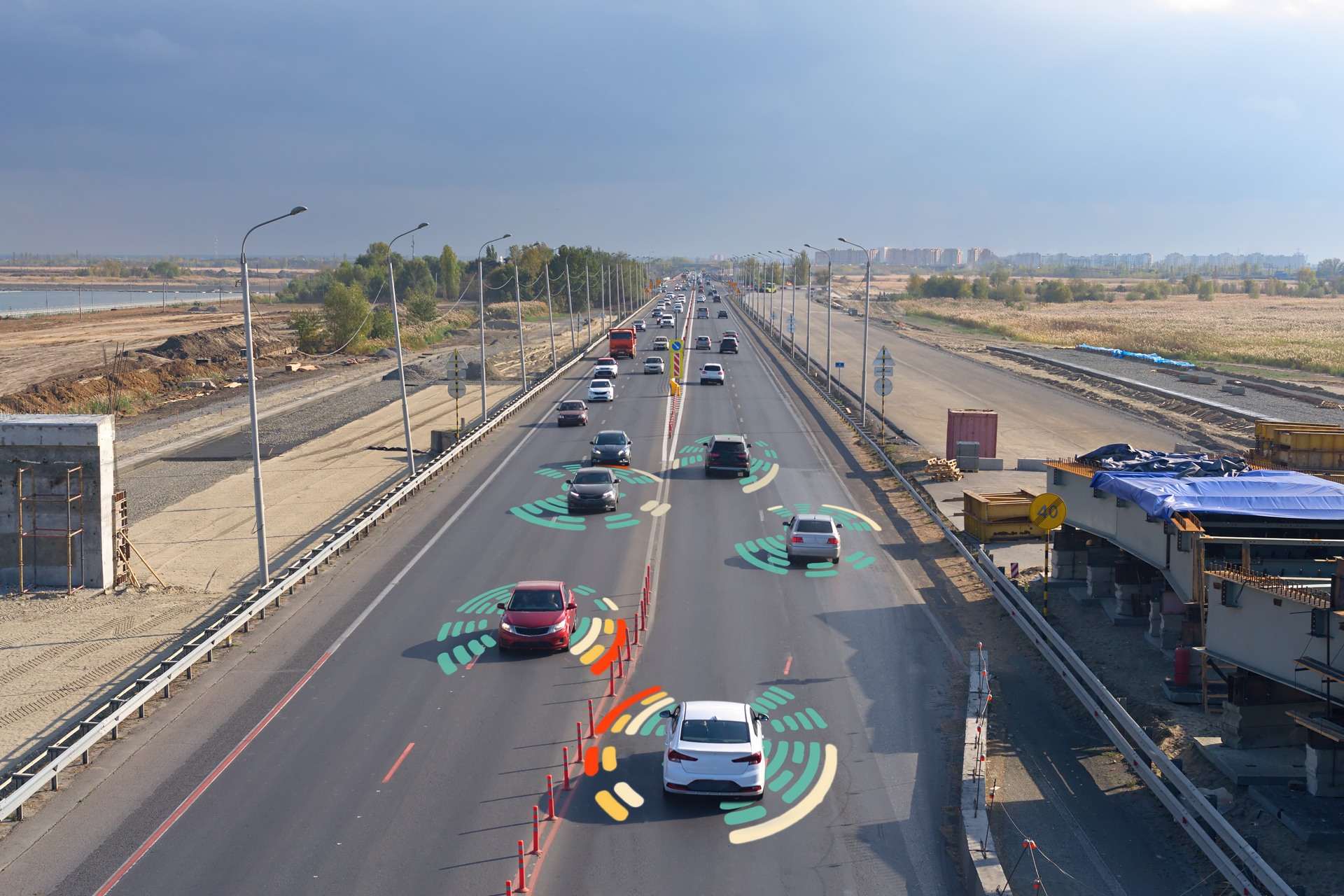
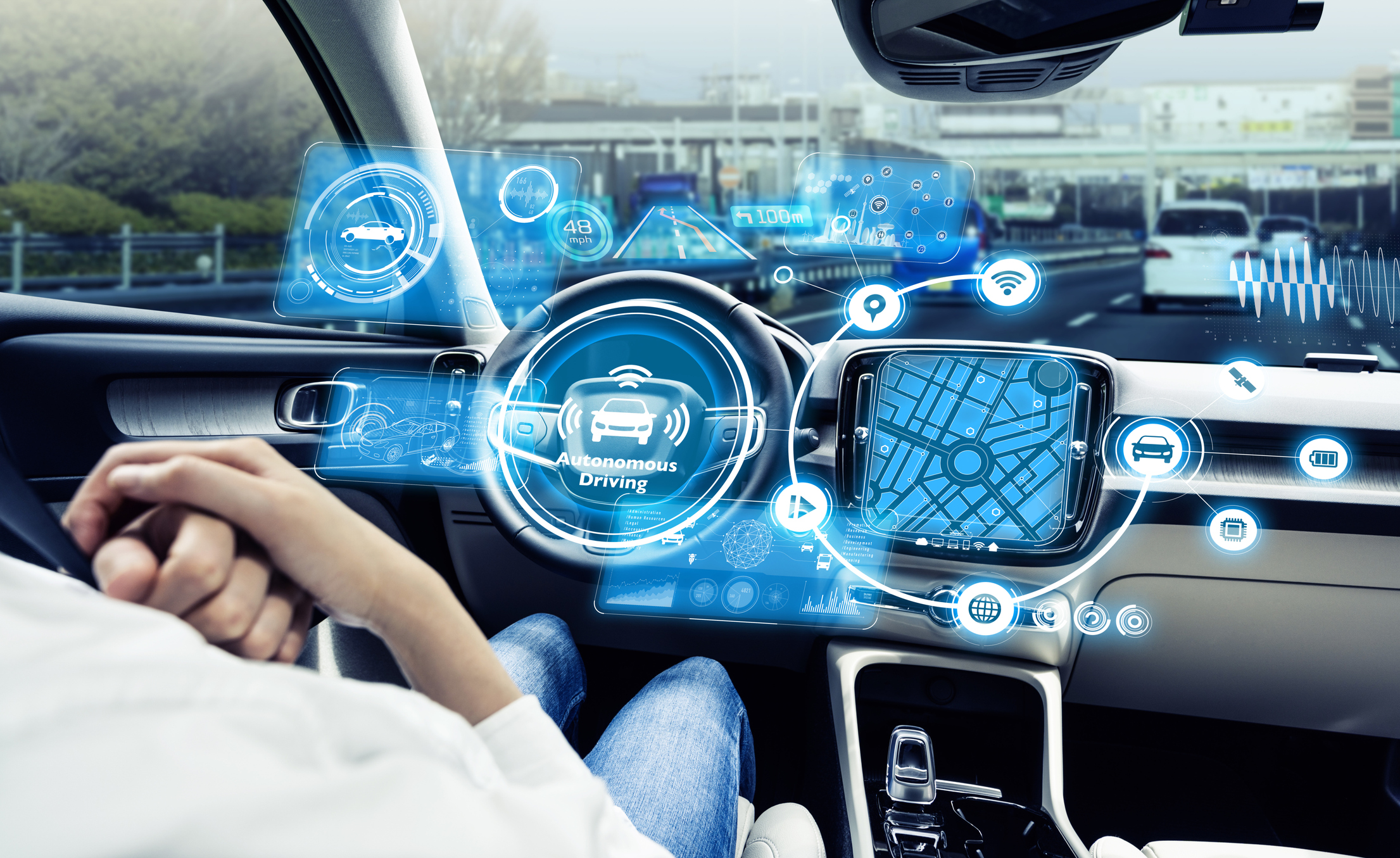
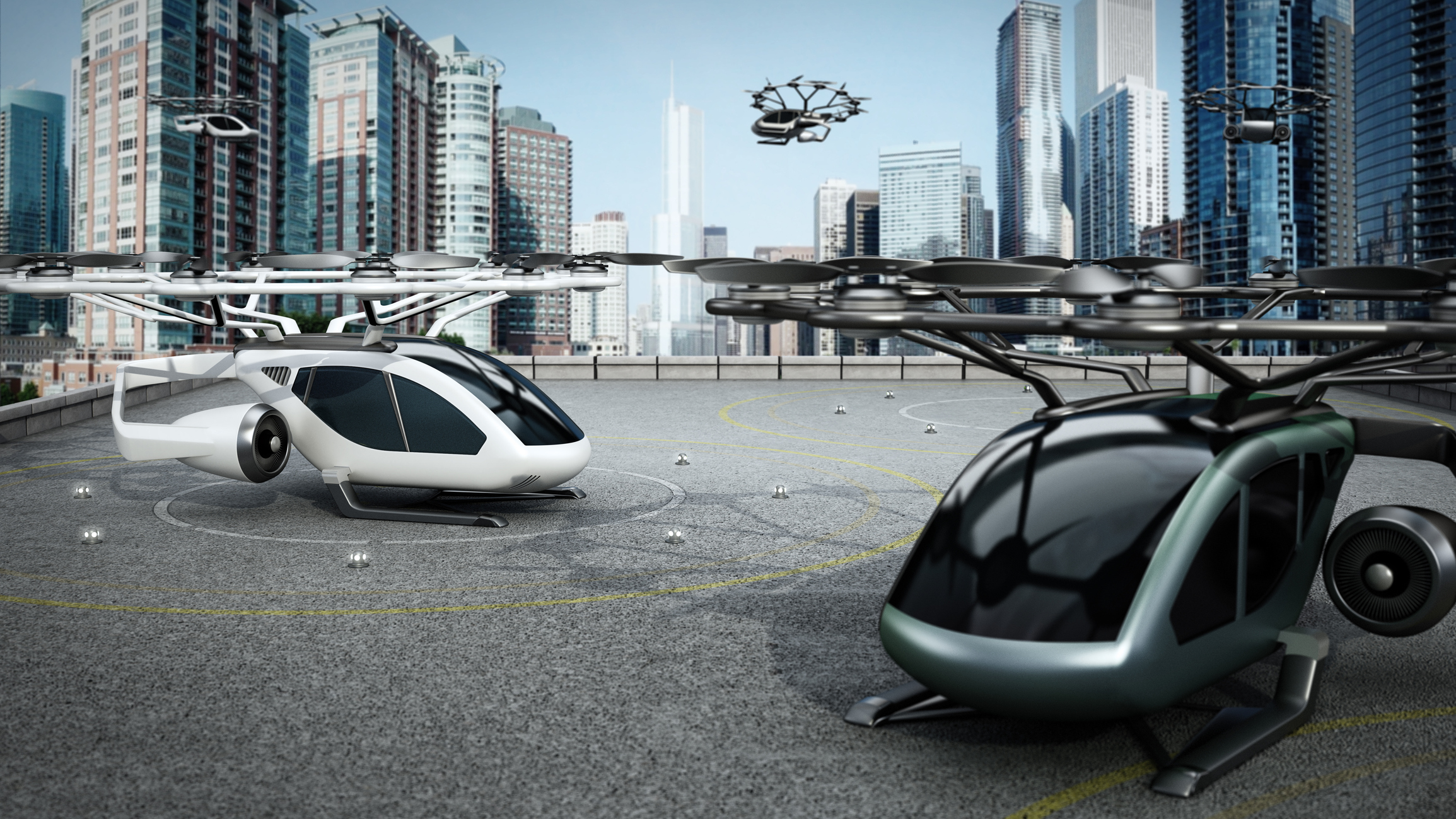
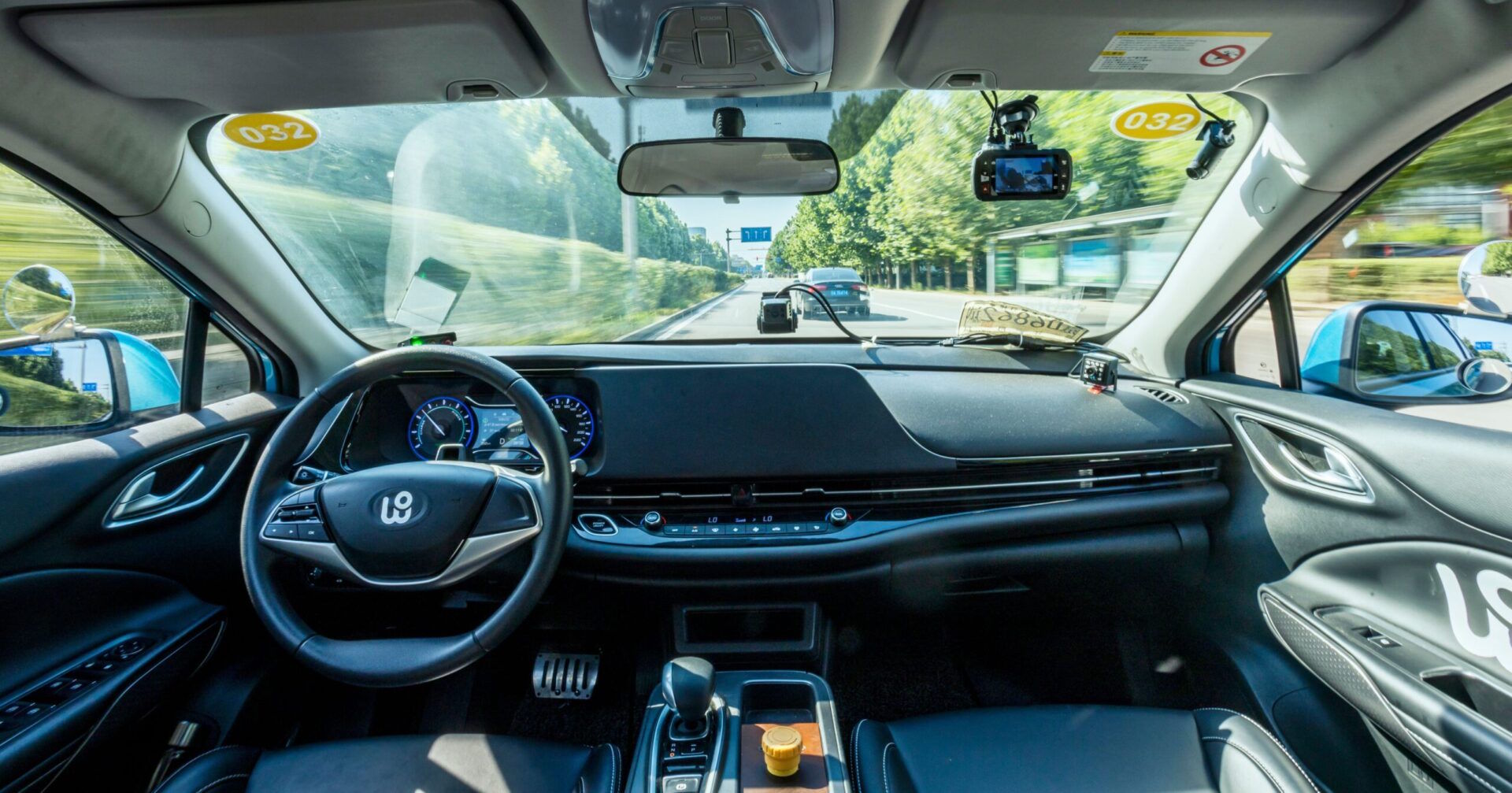
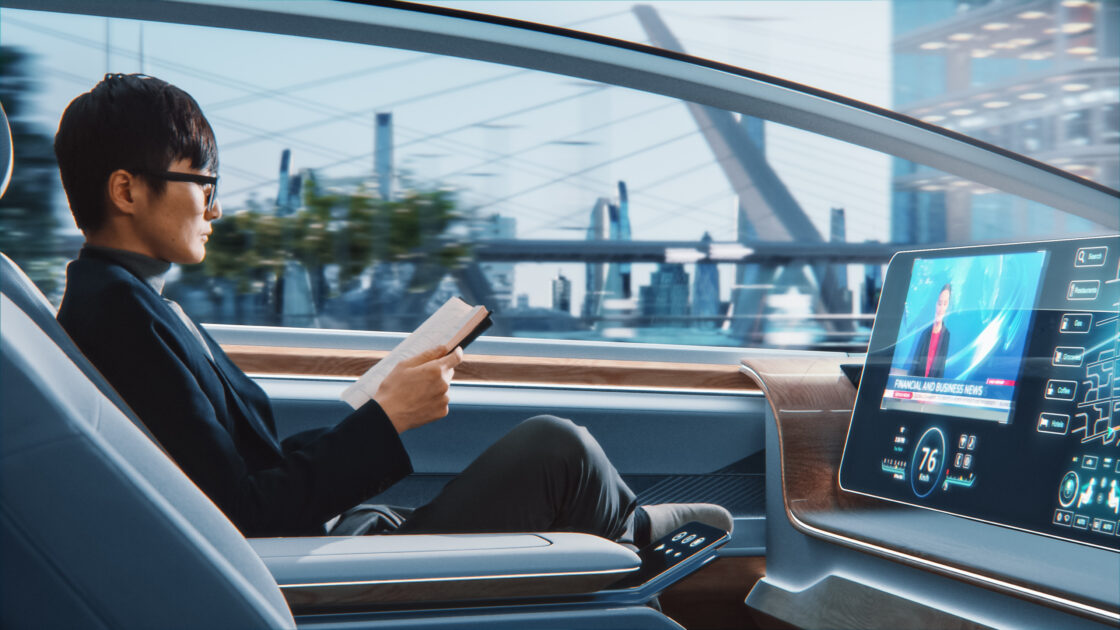
Cities of the future are expected to be full of all types of self-driving vehicles). The technology has practically been developed already, however, that is not the issue with self-driving cars in cities. The main problem is which ethics should be applied, how should they be programmed or how should responsibility be distributed in the event of an accident. Who is at fault if someone is run over?
Autonomous cars: a growing market
Connected vehicles, driverless cars, and autonomous vehicles have become much more prominent in everyday life in recent years. While not so long ago they were regarded as a prospect for the future, they are increasingly seen as a present-day reality. Advances in artificial intelligence and machine learning are driving rapid market growth, and the list of cities launching pilot projects continues to expand.
In fact, the latest analysis by Fortune Business Insights estimates that the global autonomous car market will reach $54.97 billion by the end of 2026. This figure will soon be surpassed, with projections reaching $218.59 billion by 2034. These figures encompass all levels of autonomy, including partial autonomy (requiring minimal human intervention), but the projections highlight the dynamism of this market segment.
Autonomous vehicles are not simply seen as a novelty, but as a potential solution to urban mobility challenges. Examples include projects testing driverless buses. Automation is even emerging as a potential solution to staffing shortages. However, this raises new debates and challenges, as is generally the case with digitalization, automation, and artificial intelligence. Just as questions arise regarding AI accountability, so too do questions about the ethics of algorithms and autonomous vehicles.
Ethics for self-driving cars
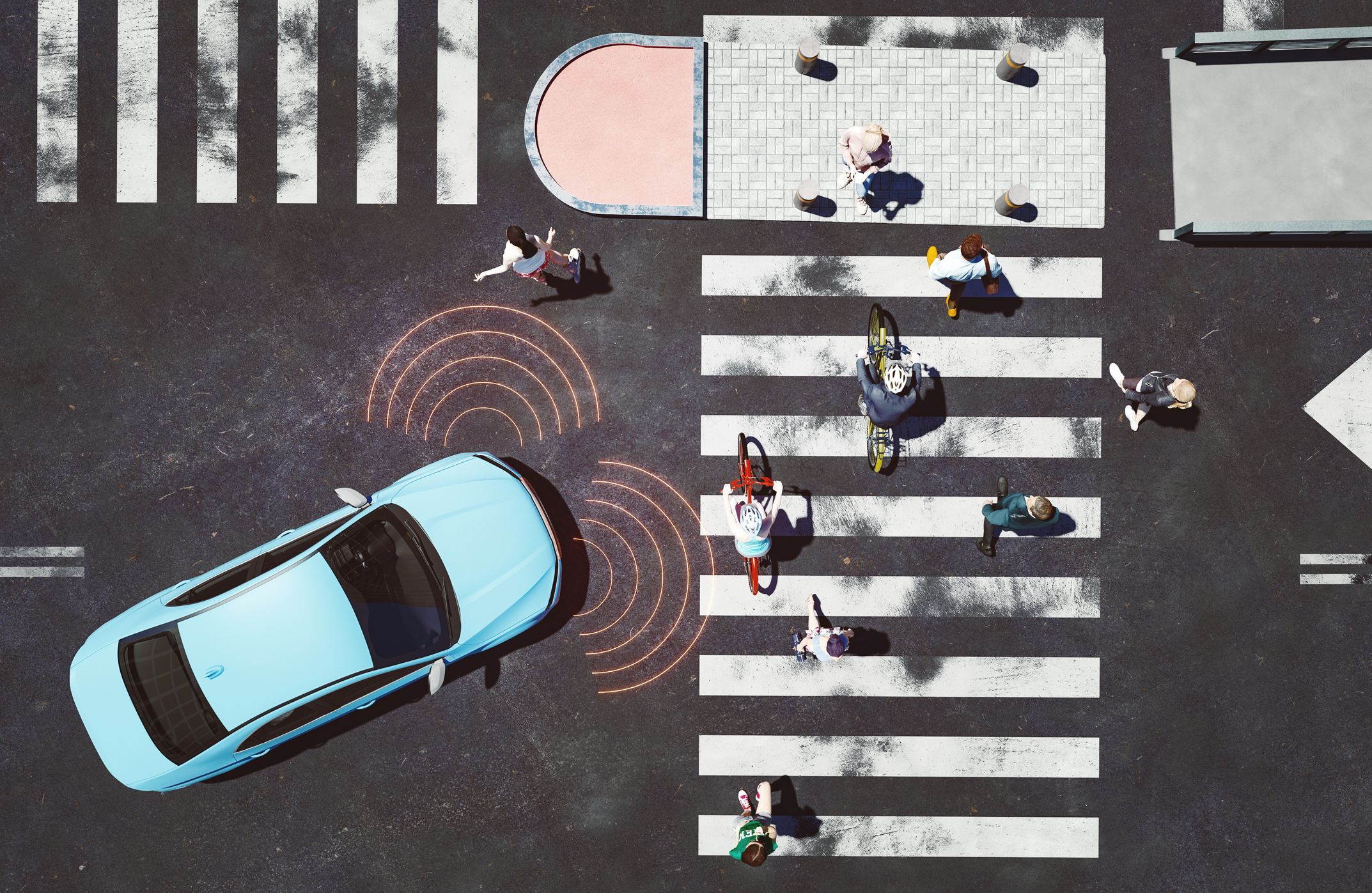
The reality is that autonomous cars and connected vehicles raise numerous ethical questions. As an analysis by Stanford Business points out, autonomous cars have made the trolley problem less of a theoretical dilemma, as their programming must enable them to make such decisions in a matter of seconds. The trolley problem is a rather extreme example, but the algorithms underpinning autonomous driving will constantly face variations of this dilemma with varying degrees of severity. At the same time, other ethical questions emerge, such as the implications of making these decisions before such situations arise.
Schools of thought on autonomous car ethics
All vehicle manufacturers working on self-driving vehicles coincide in that ethics are required when programming self-driving cars, particularly in city centers. Furthermore, some countries will require them before issuing vehicle registration documents. The United States, Singapore, Korea or China are some of the countries with vehicles in the test phase. The main problem we have as a society is that there is not even a single ethical framework and we are not exactly sure how to program it.
The theory of ethical decisions
Let us imagine that we have access to advanced mathematics and a way of translating ethical concepts into a software code. We are, therefore, capable of implementing machine ethics. The issue is choosing the particular ethics required. Can we minimize the damage? That of the driver or other users? These and a few thousand other associated questions need to be addressed in order to program thousands of cars to drive around cities.
To shed a little light on the debate, the MIT Media Lab designed an exercise called ‘Moral Machine’, which generated a series of scenarios in which spectators had to choose one. The result? There is not just one ethical principle, there are many. And one is no better than the rest. There are some that are regionally more accepted. But there is not a universal ethical principle.
How to program rational moral reasoning
Let’s suppose that we know which moral principle to program. How do we do it? Expert systems must be programmed to the very last detail and they are not flexible; and AI-based systems are black boxes in which it is not possible to determine how the car made the decision. Without that information, how will we know who is to blame in the event of an accident?
Accountability and responsibility
“The responsibility of program authors may be imposed. The traceability of the code development must be guaranteed”, according to José Ignacio Latorre, an AI expert, in the book ‘Ética para las máquinas’ (Ethics for Machines) (2019). Accountability is imperative in self-driving.
A few years ago, the American justice system found a woman guilty of negligent homicide, when in March 2018, she was driving an Uber vehicle with the automatic driving functions disabled. The case was extremely complicated, but the driver was declared guilty of having ‘switched off’ the semi-autonomous car’s mind. And what if it was turned on?
It is likely that there will be some form of shared responsibility in self-driving vehicles similar to the system that exists in construction. In this area of responsibility, it is divided between the construction company, the engineering that developed the plans or the project management, among others. Because, if a self-driving car hits someone, the blame is distributed among the stakeholders:
- The road designers in cities
- The road executors
- If applicable, the designers of smart roads
- Vehicle manufacturer
- Vehicle designers
- AI programmers
- Drivers (if any)
- The behavior of the victim prior to the accident
These roles are subdivided, in turn, between hundreds or thousands of people, therefore, it is essential to govern, through laws, the degree of responsibility of each of the stakeholders when self-driving cars are driving around cities.
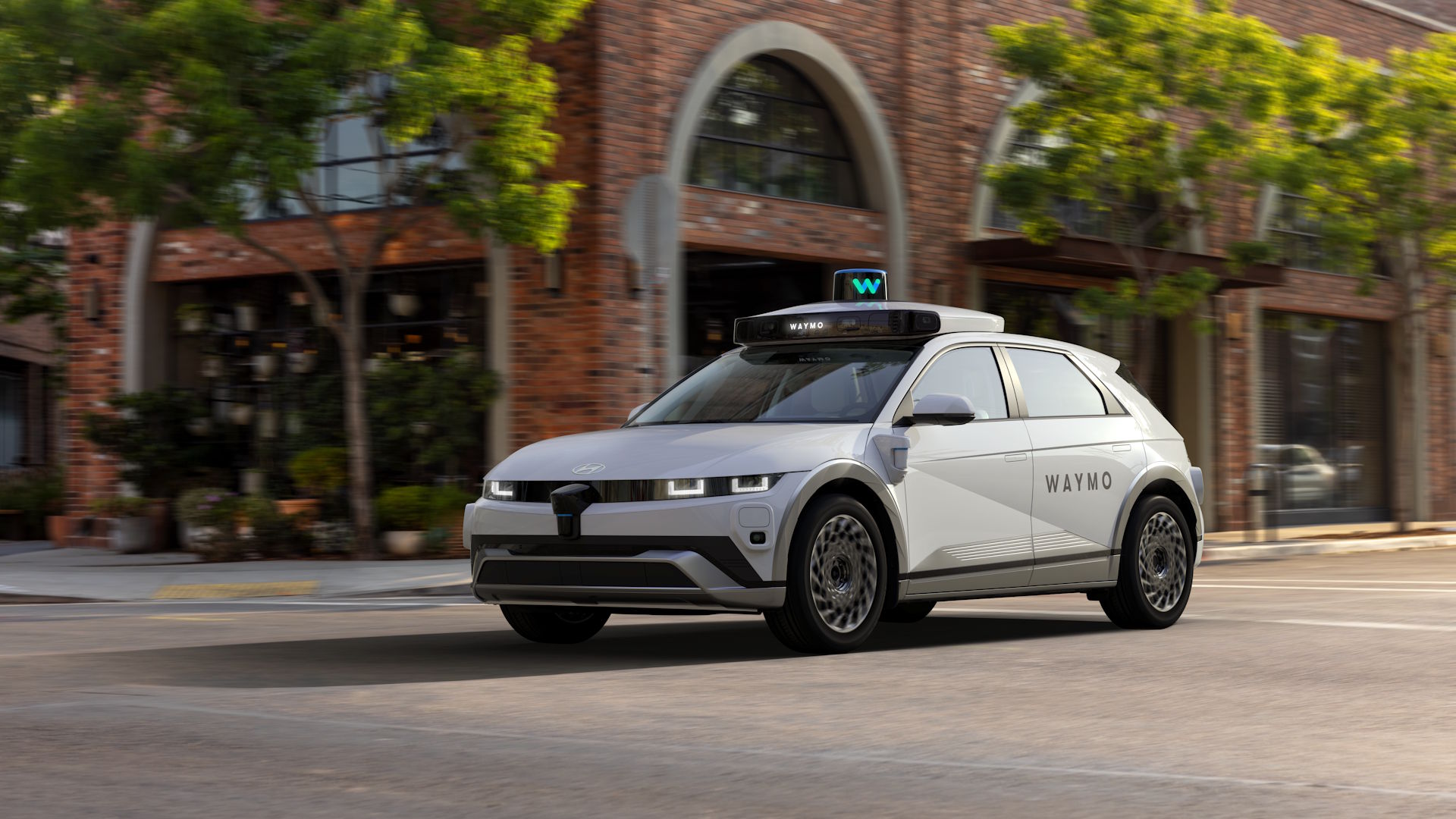
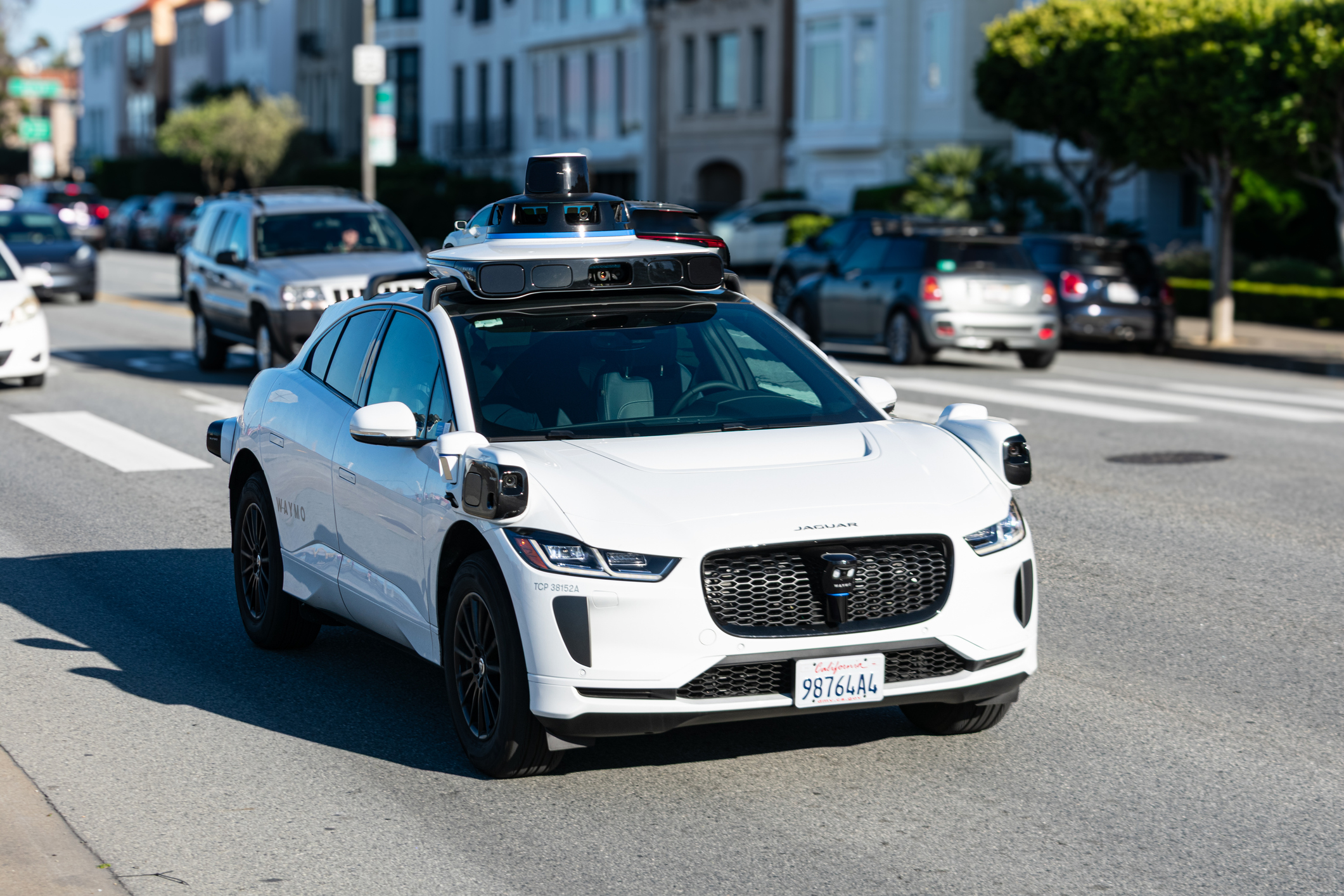
Ultimately, what people want to know is far more practical and specific. They want answers to questions such as who is at fault if a vehicle operated by Waymo (or any other autonomous vehicle company) is involved in an accident, or who is liable if an autonomous car scratches their vehicle.
Regulatory changes toward a common framework
In fact, the issue is no longer purely ethical, moral, or theoretical. It has also become a regulatory matter. Some supranational organizations are developing frameworks for driverless cars, autonomous driving, and connected vehicles.
One such organization is the United Nations, which presented a global framework for autonomous cars in the summer of 2026 to serve as a reference. The major players in the market (China, the European Union, the United States, Japan, Canada, and the United Kingdom) endorsed the technical regulation. It requires autonomous vehicles to be capable of matching the safety levels of human driving, operate under clearly predefined conditions, and prioritize safety in critical situations. As the organization points out, these vehicles must be safe and must not cause accidents. This also means ensuring they are protected against potential cyber-attacks.
FAQs
Why are autonomous vehicles attracting so much interest?
These AI-powered driverless cars offer a potential means of improving urban mobility.
What debates do autonomous cars raise?
Ethical concerns are one of the main sources of resistance. Questions such as who is liable in the event of an accident or how autonomous vehicles should make decisions are key to assessing their potential development. These questions are already shaping the political agenda.
Are there regulations governing driverless vehicles?
This is one area where regulatory changes and developments are underway. The United Nations has already published a common framework that could serve as a reference.
Are cities ready for driverless vehicles?
Several pilot projects testing autonomous driving are currently underway around the world. However, cities are not fully prepared for the implications of this technology.
Images | gremlin/iStock, gorodenkoff/iStock, Michael Vi/iStock