


Table of Contents

Golden Arrow has been listed in Terra50, a new global, pioneering initiative spotlighting the 50 most impactful solutions addressing today’s most pressing climate challenges in cities. This article is written by Ana Villagordo Vegara, Project Manager and Explorer at Terra50. Click here for more details on Golden Arrow.
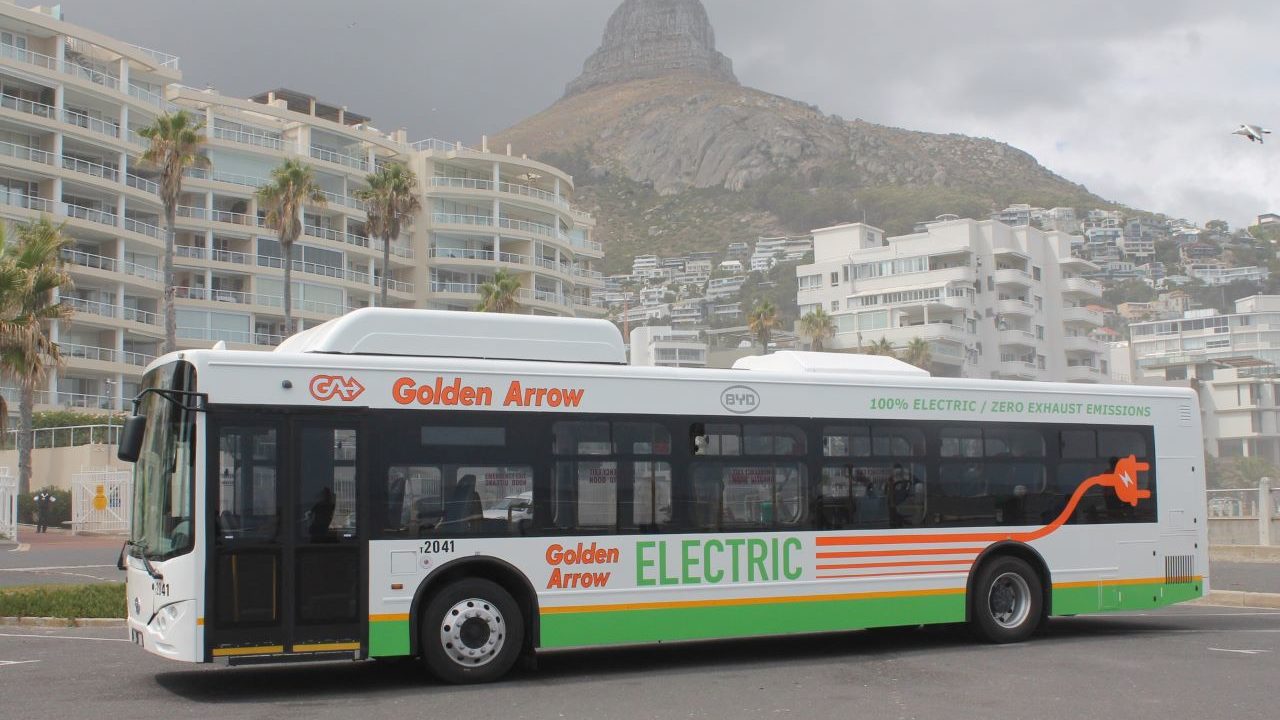
Switching from diesel to electric buses may seem like a matter of technology. But the experience of Golden Arrow Bus Services in Cape Town shows that transforming public transport requires much more: adapting depots, rethinking energy supply, training professionals and changing how an entire fleet is managed. With 77 electric buses in 2026 and a programme aiming to reach 120, this initiative has become one of Africa’s most significant examples of public transport electrification.
Electrifying public transport amid major challenges
Cities need to reduce transport-related emissions while ensuring that millions of people can continue to travel affordably and reliably.
In Cape Town, South Africa, this challenge is particularly relevant. Buses play an important role in everyday mobility and still rely predominantly on fossil fuels.
Golden Arrow Bus Services (GABS), one of the country’s leading commuter bus operators, carries approximately 230,000 passengers every day. Electrifying part of its fleet therefore represents an opportunity to reduce emissions, air pollution and noise in a service that is essential to the population.
But it also means addressing challenges that go far beyond purchasing new vehicles: electricity availability, charging infrastructure, investment costs, bus range and the ability to maintain a reliable service.
Faced with these challenges, Golden Arrow adopted a strategy that represents one of the project’s most interesting features: starting small, learning from real-world operations and progressively scaling up the system.
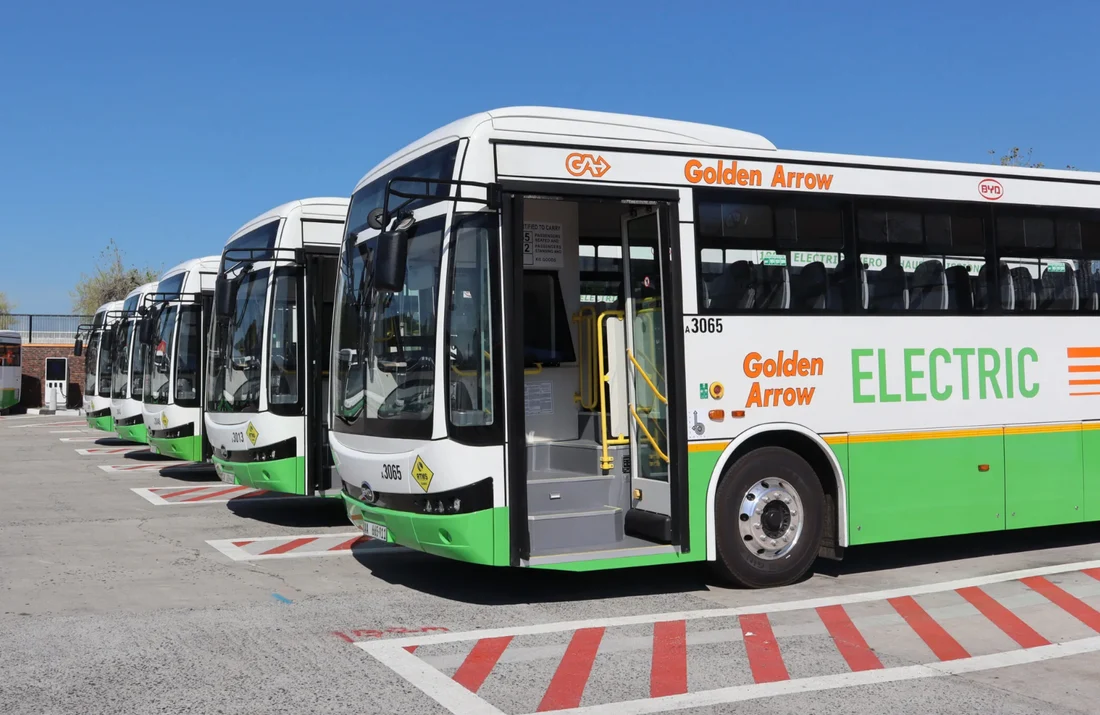
From two experimental buses to a fleet of 120 vehicles
The project began in 2020 with trials involving two battery-electric buses manufactured by BYD, in collaboration with South Africa’s uYilo e-Mobility Programme.
In 2021, the vehicles began carrying passengers, allowing the operator to assess their performance under real-world conditions: routes, passenger loads, energy consumption, driving range, maintenance and driver experience.
The two buses covered more than 200,000 kilometres during the testing phase, generating operational data that proved crucial in preparing for electrification on a larger scale.
Rather than limiting the initiative to a technological demonstration, Golden Arrow used this experience to identify infrastructure requirements, adapt internal processes and reduce investment uncertainty.
The results led to an agreement to purchase 120 BYD B12 electric buses, one of the largest procurement operations of its kind undertaken by an African public transport operator.
The first 20 vehicles entered commercial service in 2025. According to the available data, the fleet had reached 77 fully electric buses by 2026, with the aim of progressively completing the planned 120 units.
The significance of this case lies not only in the number of vehicles, but in successfully moving from experimentation to regular commercial operations.
The bus is only one part of the solution
One of the main lessons from Cape Town is that electrifying a fleet means transforming an entire transport system, not simply replacing its vehicles.
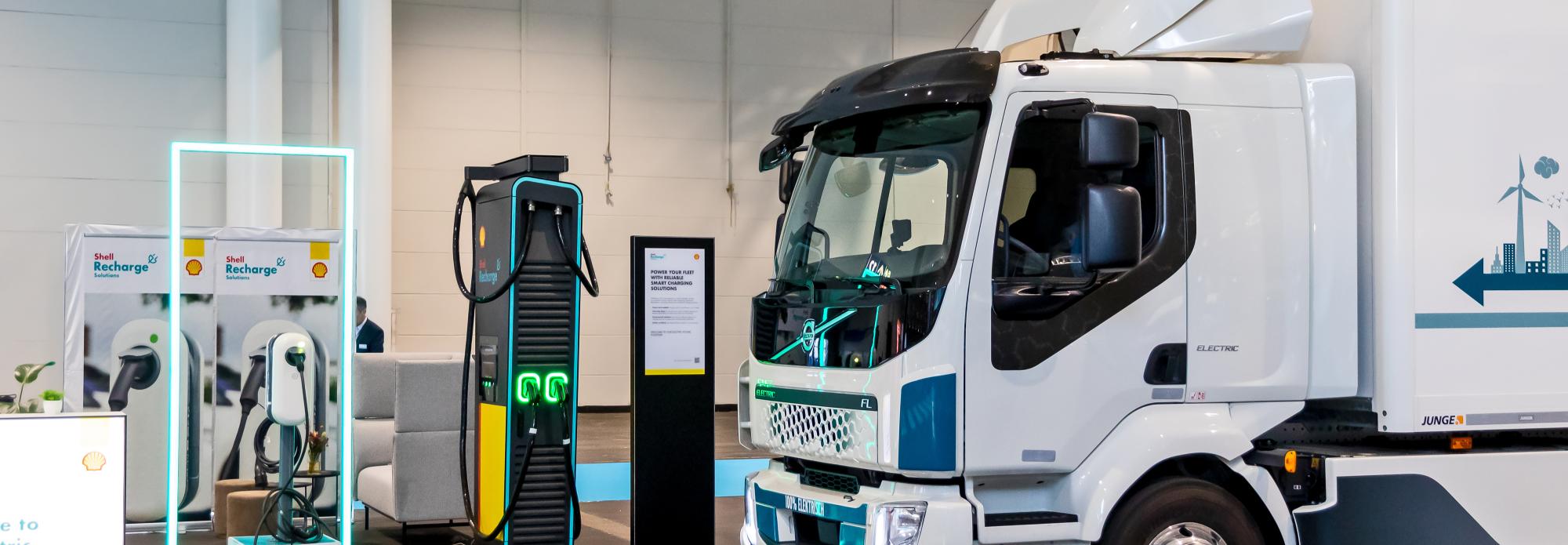
Electric buses require charging infrastructure, energy planning adapted to service schedules and new maintenance procedures. Golden Arrow has installed 30 charging units, providing 60 charging points, and plans to expand this infrastructure to 60 units and 120 charging points.
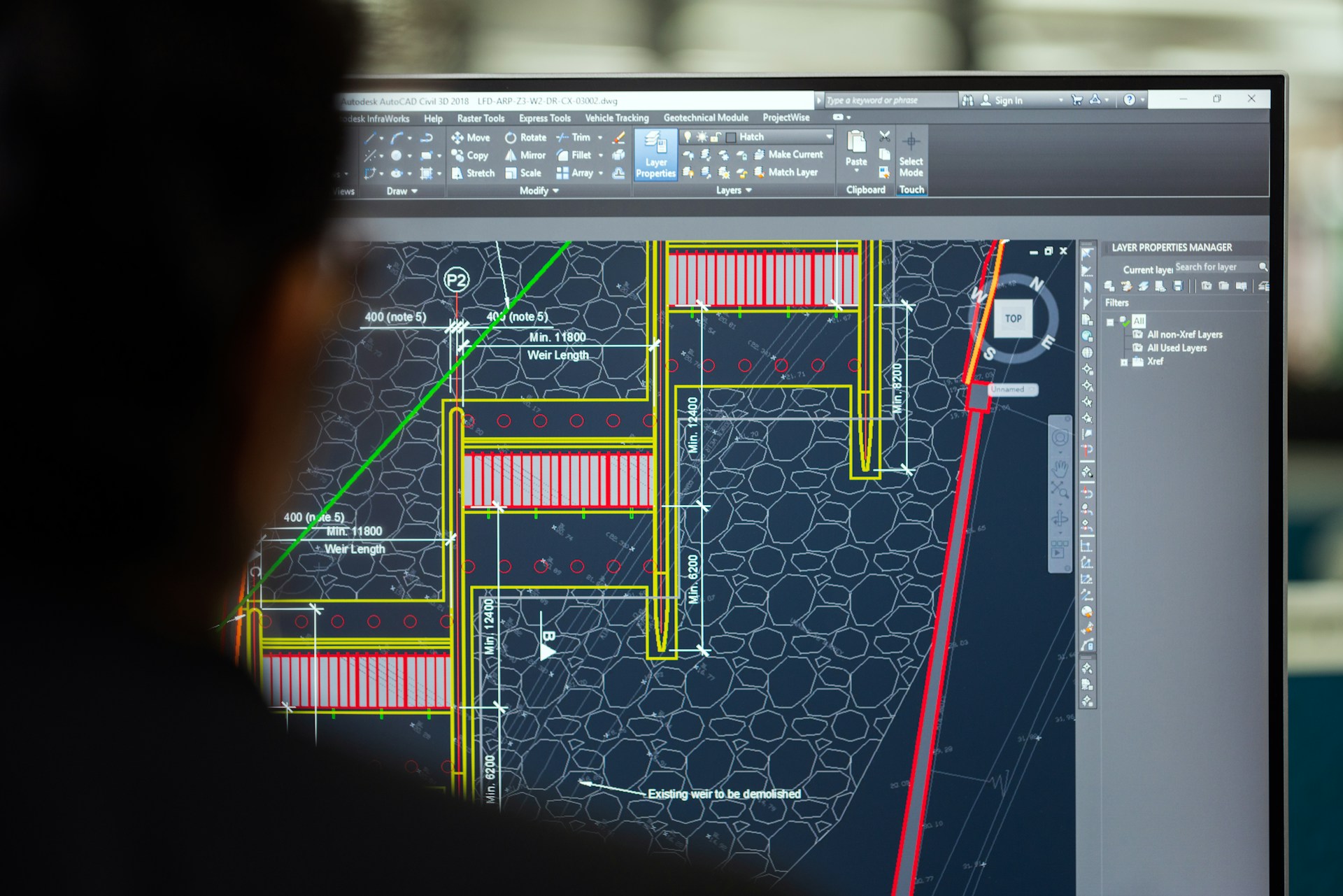
This transformation also requires changes in fleet management. Operators must determine when vehicles should be charged, how much range they need to complete their routes, how shifts should be organised and how much electrical capacity depots require. Drivers, mechanics and technical staff also need new skills to work with electric systems, batteries and charging technologies.
The initiative has involved several stakeholders: Golden Arrow as the operator, BYD as the bus supplier, Smart EV as the charging infrastructure partner, the uYilo e-Mobility Programme and public institutions in the Western Cape.
This collaboration highlights that the transition towards cleaner mobility also depends on effective coordination between companies, public authorities and technology partners.
Electric buses powered by solar energy
Another distinctive feature of the project is the integration of electric mobility with renewable energy generation. Golden Arrow has installed rooftop solar photovoltaic systems at several depots to incorporate renewable electricity into bus charging operations.
The system combines this generation with grid electricity, also taking advantage of off-peak periods to organise charging schedules. This strategy is particularly relevant in a country such as South Africa, where electricity generation has historically depended heavily on coal.
An electric bus eliminates direct tailpipe emissions, but its overall climate impact also depends on how the electricity it consumes is generated. Connecting electrification with renewable energy therefore makes it possible to achieve deeper emissions reductions. Solar integration also creates an opportunity to rethink bus depots as energy infrastructure, capable of combining electricity generation, consumption and smart energy management.
What impact does electrifying part of the fleet have?
The project has already demonstrated that electric buses can operate regular passenger services under Cape Town’s conditions. The main expected benefits are reductions in diesel consumption, greenhouse gas emissions, local air pollution and noise.
However, consolidated results on total emissions savings, lifecycle costs and the economic benefits of large-scale operations are not yet available. These indicators continue to be evaluated as the fleet expands.
This distinction is important: the results demonstrated so far mainly concern operational feasibility, commercial deployment and the development of technical capabilities. The cumulative environmental and economic impacts will need to be assessed using longer-term operational data.
It is also worth remembering that 120 buses represent only part of the city’s overall public transport system. Electrification is an important step, but it does not replace the need to improve coverage, frequency, accessibility and integration between different mobility services.
A particularly relevant model for other African cities
Bus electrification is already a reality in cities such as Shenzhen, Santiago de Chile and Bogotá. But not all experiences can be directly transferred to contexts with different energy infrastructure, financial resources and institutional capacities.
This is where Golden Arrow’s experience offers particular value. Its uniqueness does not lie in developing a new technology, but in demonstrating how an existing technology can be introduced progressively, reducing risks and building local knowledge before scaling up investment.
This model could be particularly useful for public transport operators in African cities and other emerging economies. Its replicability is based on several principles: starting with real-world trials, adapting infrastructure before expanding the fleet, training staff, planning electricity supply and progressively incorporating renewable energy.
This does not mean the model can be copied without adaptation. Route characteristics, electricity availability, vehicle costs, financing opportunities and public transport operating conditions will determine the feasibility of each project. Cape Town’s experience offers something particularly valuable: an implementation pathway based on real-world learning, not just technological projections.
What if real innovation meant learning how to transform entire systems?
When we talk about electric mobility, we often focus on the vehicles themselves: battery range, charging speed or the performance of new models. But Golden Arrow’s experience reminds us that the most profound urban transformations do not depend exclusively on technology.
An electric bus is a product. An electric fleet that operates every day is a system. And for that system to be viable, it requires a combination of energy, infrastructure, knowledge, financing, organisation and institutional coordination. Cape Town’s experience demonstrates that the climate transition is also built through gradual processes, trials, mistakes and shared learning.
Perhaps this is its most important contribution to other cities: understanding that innovation is not just about introducing cleaner solutions, but about developing the collective capacity to make them work, maintain them and scale them up.
References
- Engineering News — Golden Arrow rolls out first 20 electric buses
- BYD — First electric buses in South Africa
- Western Cape Government — Electric mobility initiatives
- Western Cape Department of Mobility — Transport strategy
- TimesLIVE — Golden Arrow to roll out 120 solar-charged electric buses
»Click here for more details on Golden Arrow.
»The images in this article were provided by Golden Arrow.