



Table of Contents
Author | Lucía Burbano
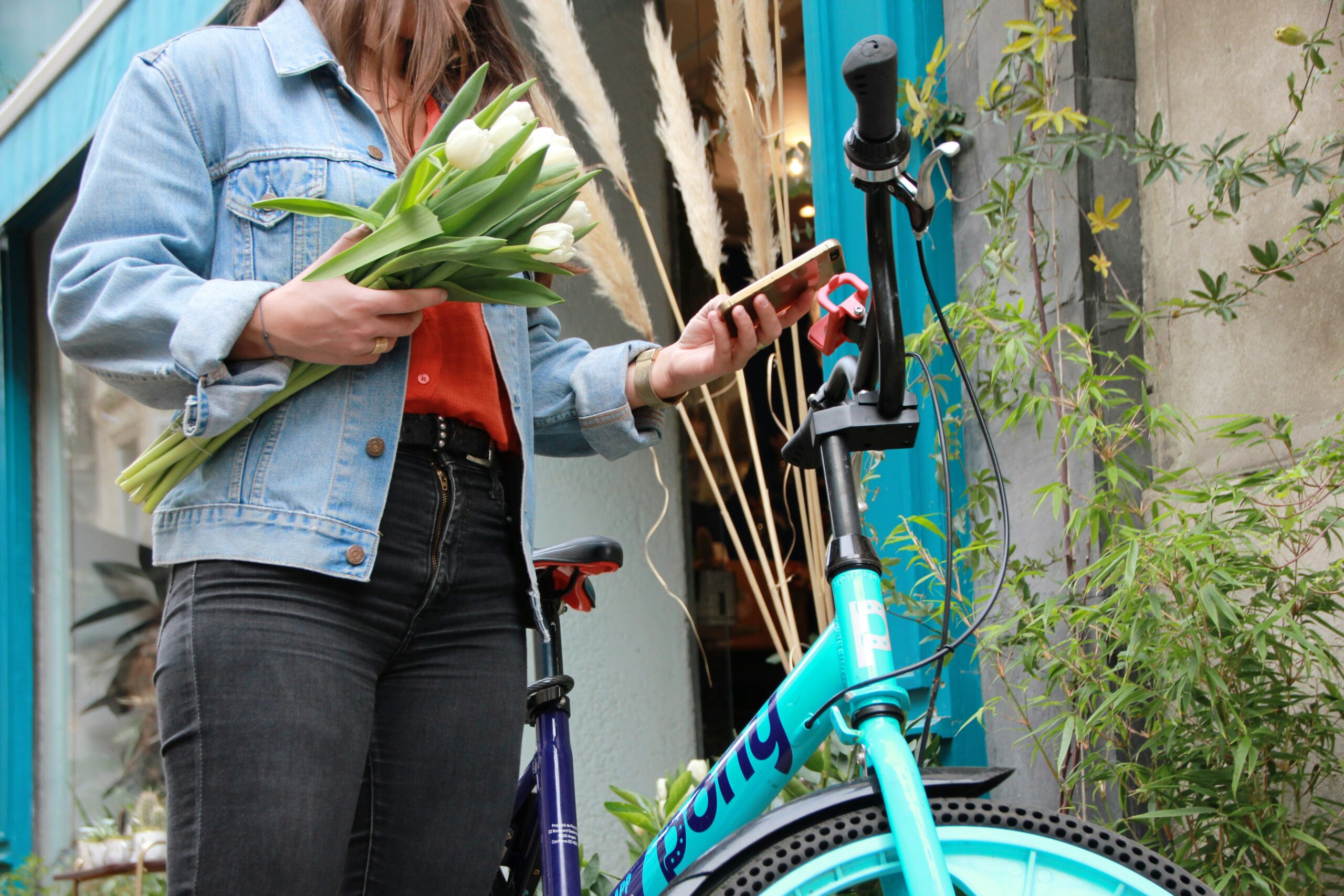
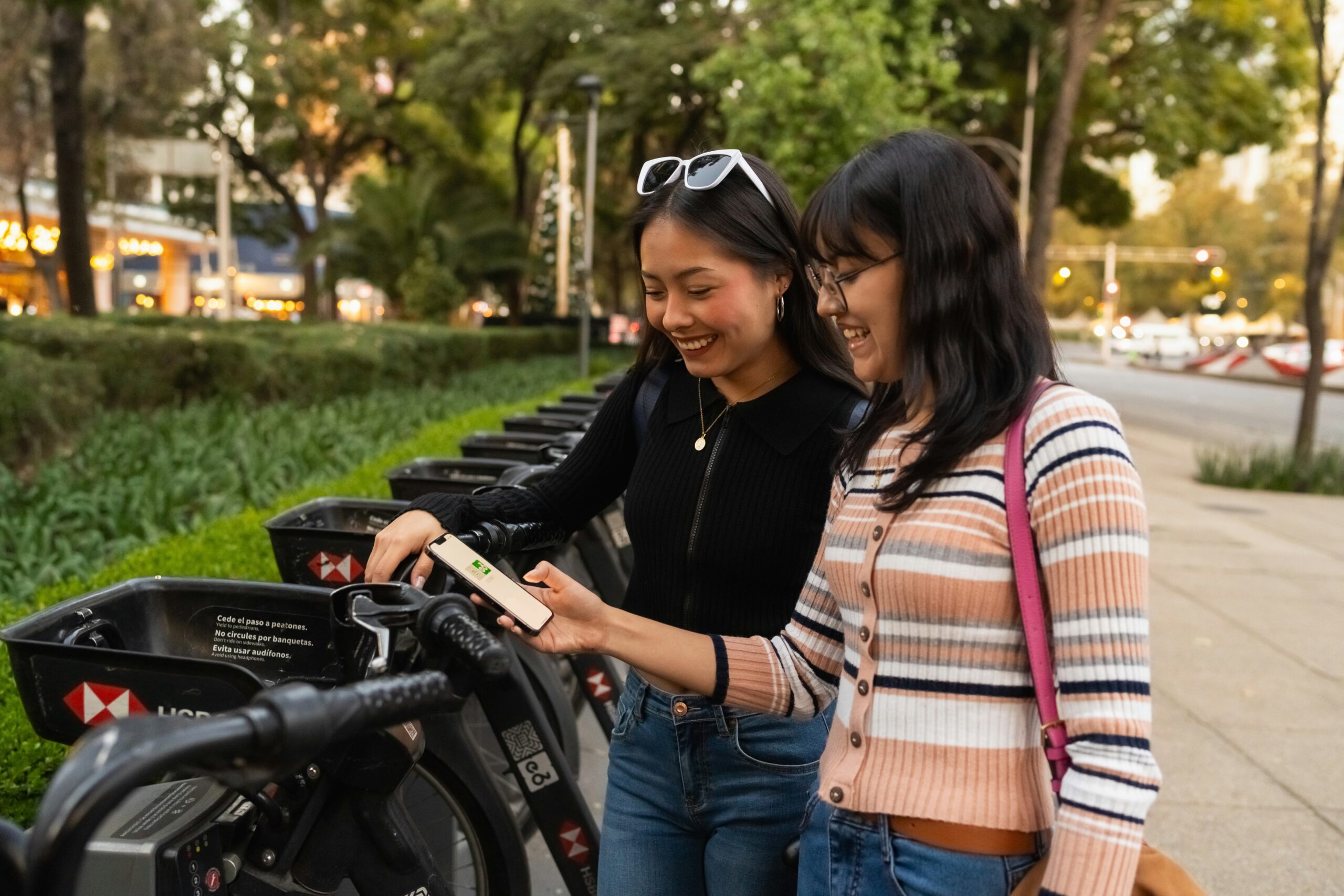
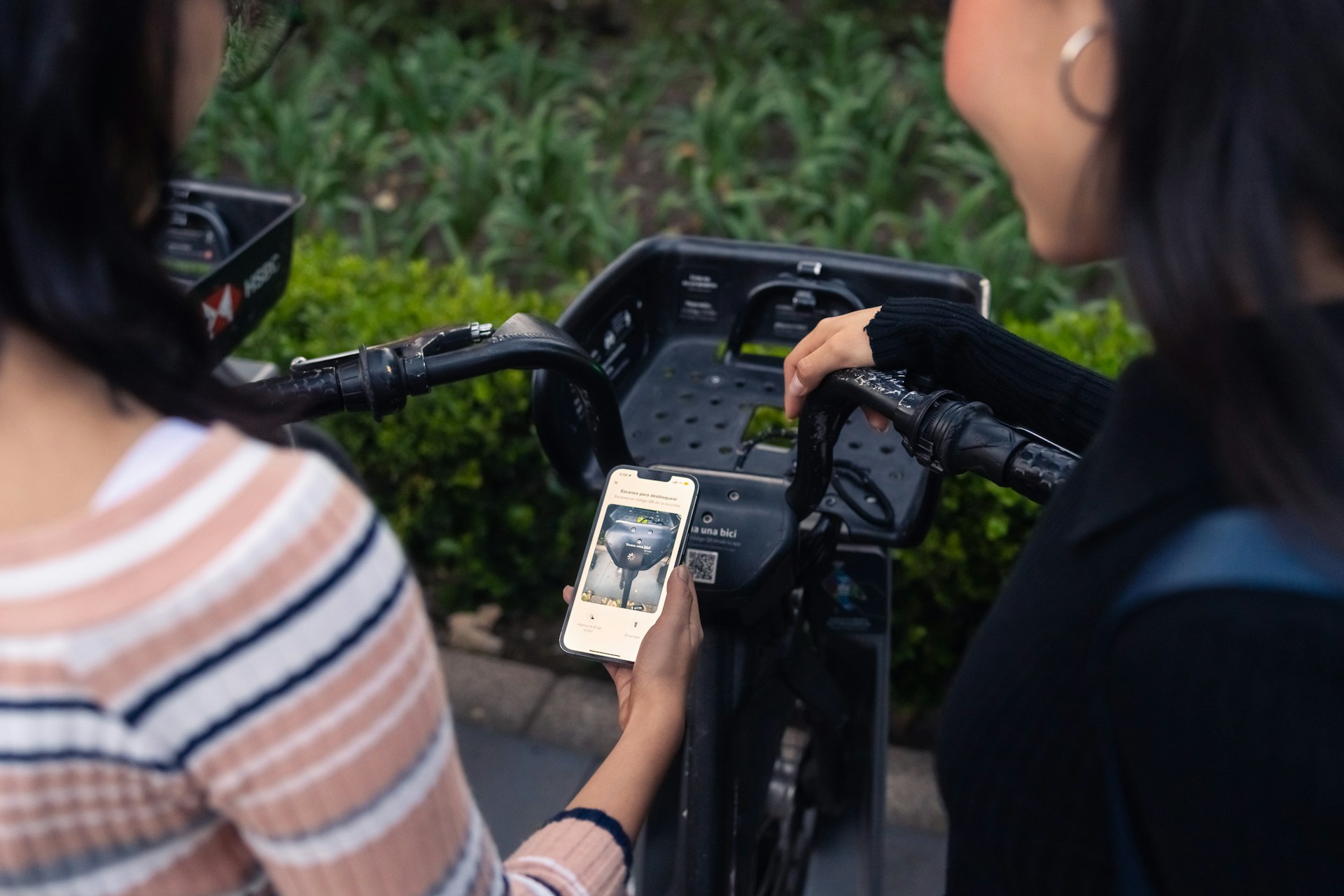
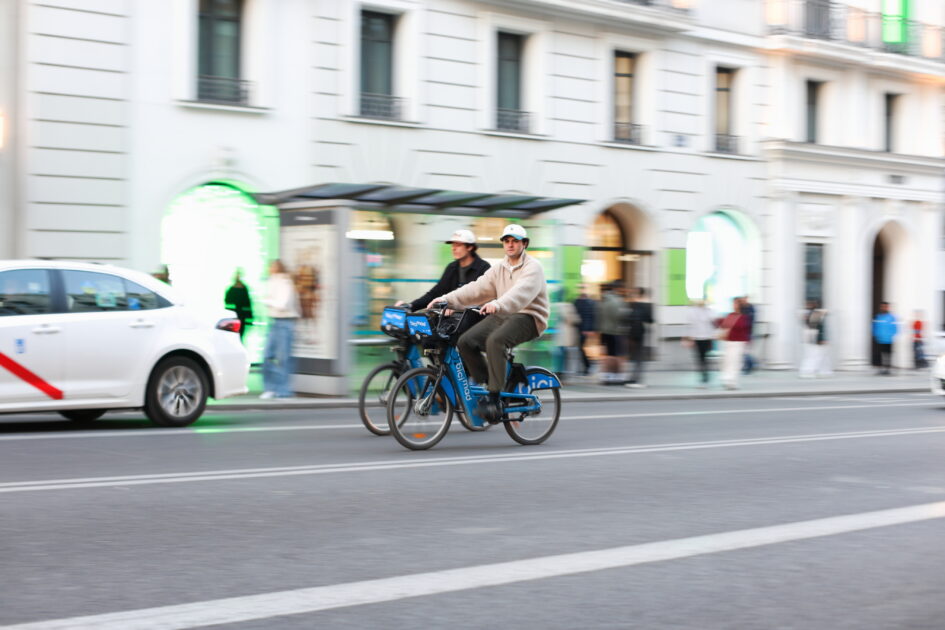
Madrid’s organic waste generates 1,498 MWh of renewable energy to power biciMAD’s 683 charging stations, which serve the city’s shared electric bike network.
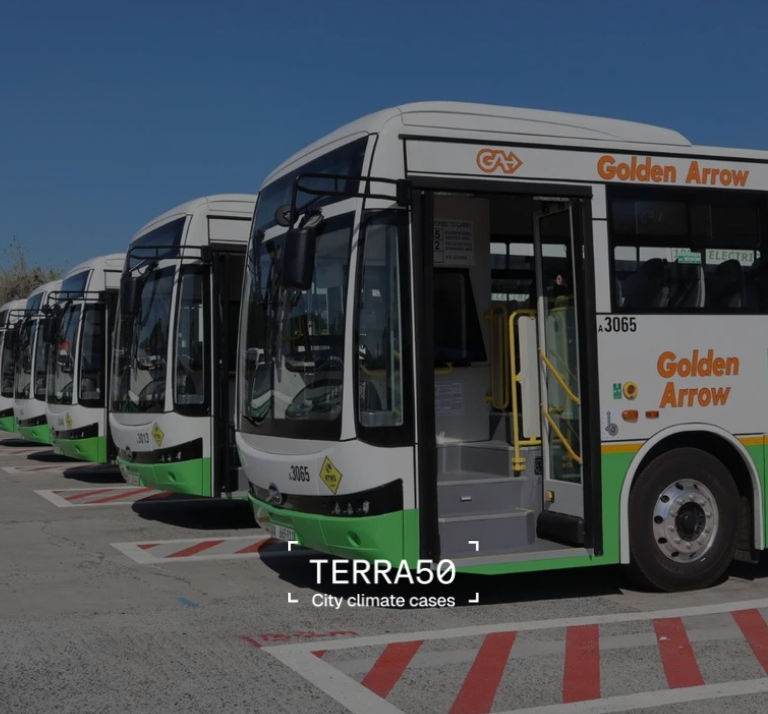
This initiative builds on the project “Promoting sustainable mobility through the use of renewable energy generated from waste,” which supplied 6 GWh of biomethane to the 20 buses operating on the Circular 1 route in 2022, demonstrating that the circular economy can be integrated into urban mobility.
How does Madrid generate electricity from organic waste?
Madrid generates renewable electricity to charge its entire fleet of public shared electric bikes at the Valdemingómez Technology Park, the municipal complex responsible for managing the city’s waste.
There, organic waste is converted into energy through an anaerobic digestion process that transforms organic matter into biogas, which is then used as fuel to generate electricity.
Here’s how the process works:
Organic waste separation
Waste deposited by residents in brown bins, along with organic material recovered from other waste streams, is transported to treatment plants, where it is separated and prepared for processing.
Anaerobic digestion
The organic matter is fed into digesters, large, sealed tanks where, in the absence of oxygen, microorganisms break down the organic matter and produce biogas, consisting mainly of methane and carbon dioxide.
Electricity generation
The biogas is used as fuel in combined heat and power engines, which drive generators to produce electricity.
How is the energy generated from waste integrated into Madrid’s biciMAD electric bike network?
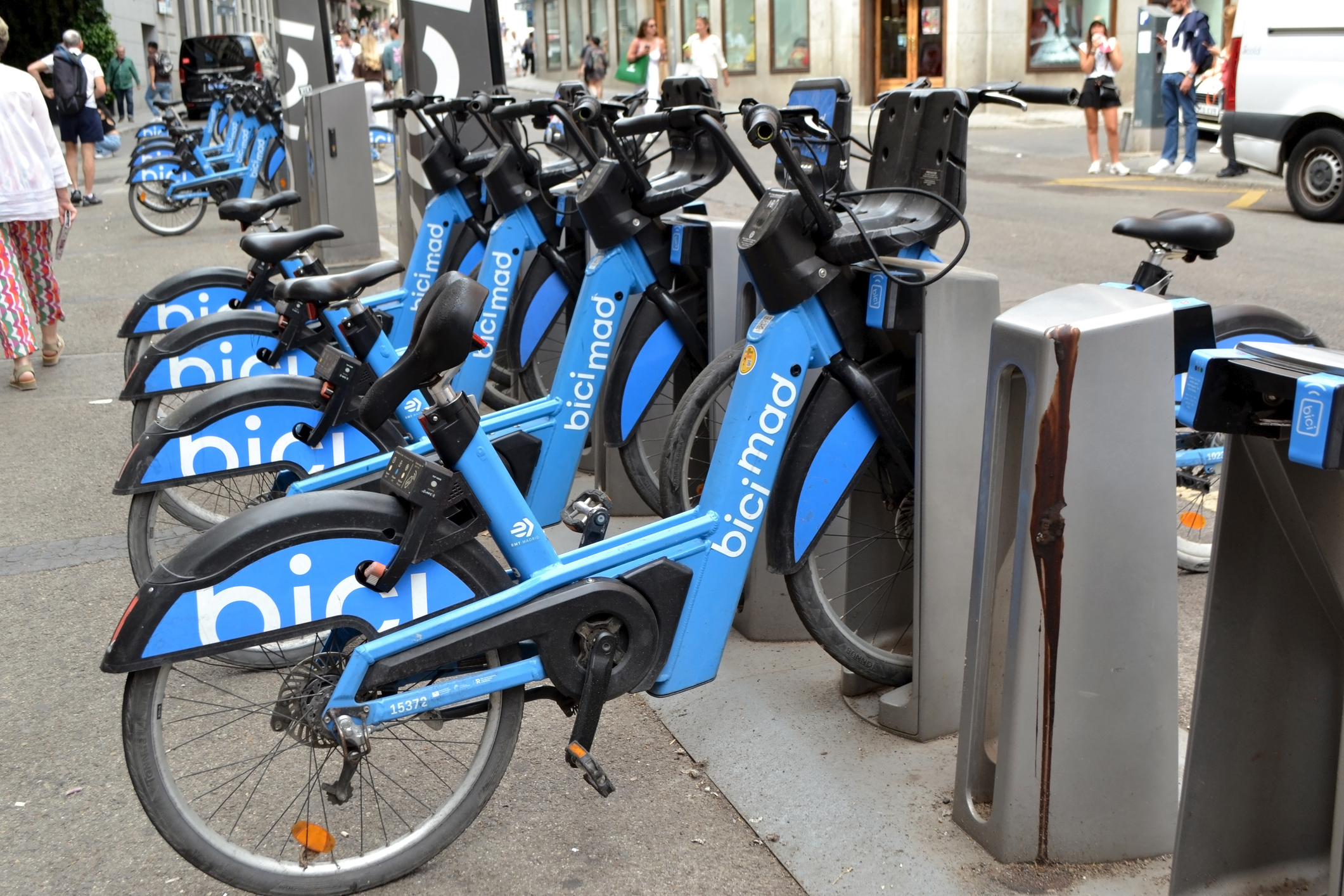
The electricity generated at the Valdemingómez Technology Park’s cogeneration facilities is fed into the main electricity grid and sold through Axpo, the energy supplier that has signed an agreement with Madrid’s Municipal Transport Company to link the electricity supply to biciMAD.
The renewable electricity supplied to biciMAD’s charging stations is used to recharge the bikes’ batteries. In addition, these stations are equipped with a smart charging system that optimizes energy management at an individual battery level. Each docking point operates independently, so if one fails, the others remain unaffected.
What are the environmental benefits of using renewable energy generated from the city’s waste?
Generating renewable energy from municipal waste
Turning municipal waste into an energy source improves waste management. Harnessing the energy contained in biogas also helps reduce dependence on fossil fuels.
Reducing emissions associated with electricity consumption
Using renewable electricity reduces the need for more polluting sources of power generation and lowers the carbon footprint of the electricity supply. According to a study by TRANSyT UPM, biciMAD helps Madrid avoid 1,400 metric tons of CO2 emissions annually.
Making better use of local resources
This initiative connects waste management and public mobility to make use of resources generated within the city itself. This promotes a more circular urban model that reduces dependence on external energy resources.
Promoting shared electric mobility
E-bikes are an excellent alternative to private vehicles in cities because they help reduce emissions, noise and traffic congestion.
FAQs: How Madrid is turning waste into fuel for its e-bike network
Where does the electricity powering biciMAD’s electric bikes come from?
It comes from renewable energy generated from municipal waste at the Valdemingómez Technology Park.
How is organic waste converted into electricity?
Through anaerobic digestion, a process in which microorganisms break down organic matter and produce biogas, which is then used to generate electricity.
How much renewable energy is supplied to biciMAD’s charging stations?
The 2026 agreement provides for 1,498 MWh of certified renewable electricity to supply the network’s 683 charging stations.
How does this initiative contribute to urban sustainability?
It uses waste as an energy resource, reduces dependence on fossil fuels and connects the circular economy with shared electric mobility.
Photos | WikiCommons, Irina Kiseleva Bogdanova/iStock, Mario Elias Munoz Valencia/iStock