


Table of Contents

Ocean Ecostructures has been listed in Terra50, a new global, pioneering initiative spotlighting the 50 most impactful solutions addressing today’s most pressing climate challenges in cities. This article is written by Ana Villagordo Vegara, Project Manager and Explorer at Terra50. Click here for more details on Ocean Ecostructures.
When we think of ports, we picture ships, containers, concrete docks and large logistics infrastructure. These spaces are essential to the economic activity of many cities, but they have also profoundly transformed coastal ecosystems. What if these same infrastructures could become an opportunity to restore some of the biodiversity we have lost? Ocean Ecostructures starts from this idea: transforming artificial surfaces that currently offer few opportunities for marine life into new spaces for ecological regeneration.
Coastal cities have historically grown by transforming their relationship with the sea. We have built ports, breakwaters, seawalls, promenades and other infrastructure that have enabled economic development, connected territories and protected coastlines.
But this transformation has also had environmental consequences. Where natural habitats, diverse seabeds or transition zones between land and water once existed, we now often find vast concrete surfaces, vertical structures and heavily modified environments.
The problem is not simply the space these structures occupy. Marine ecosystems need a certain degree of physical complexity to thrive: small cavities, rough surfaces, shelters and spaces where different organisms can settle, feed and reproduce. Many artificial structures do not provide this diversity.
Barcelona-based company Ocean Ecostructures has developed a technology that seeks to restore some of this complexity without removing existing infrastructure.
The proposal is seemingly simple: if we cannot return all these spaces to their natural state, can we make them more favourable to marine life?
Turning concrete into a living habitat
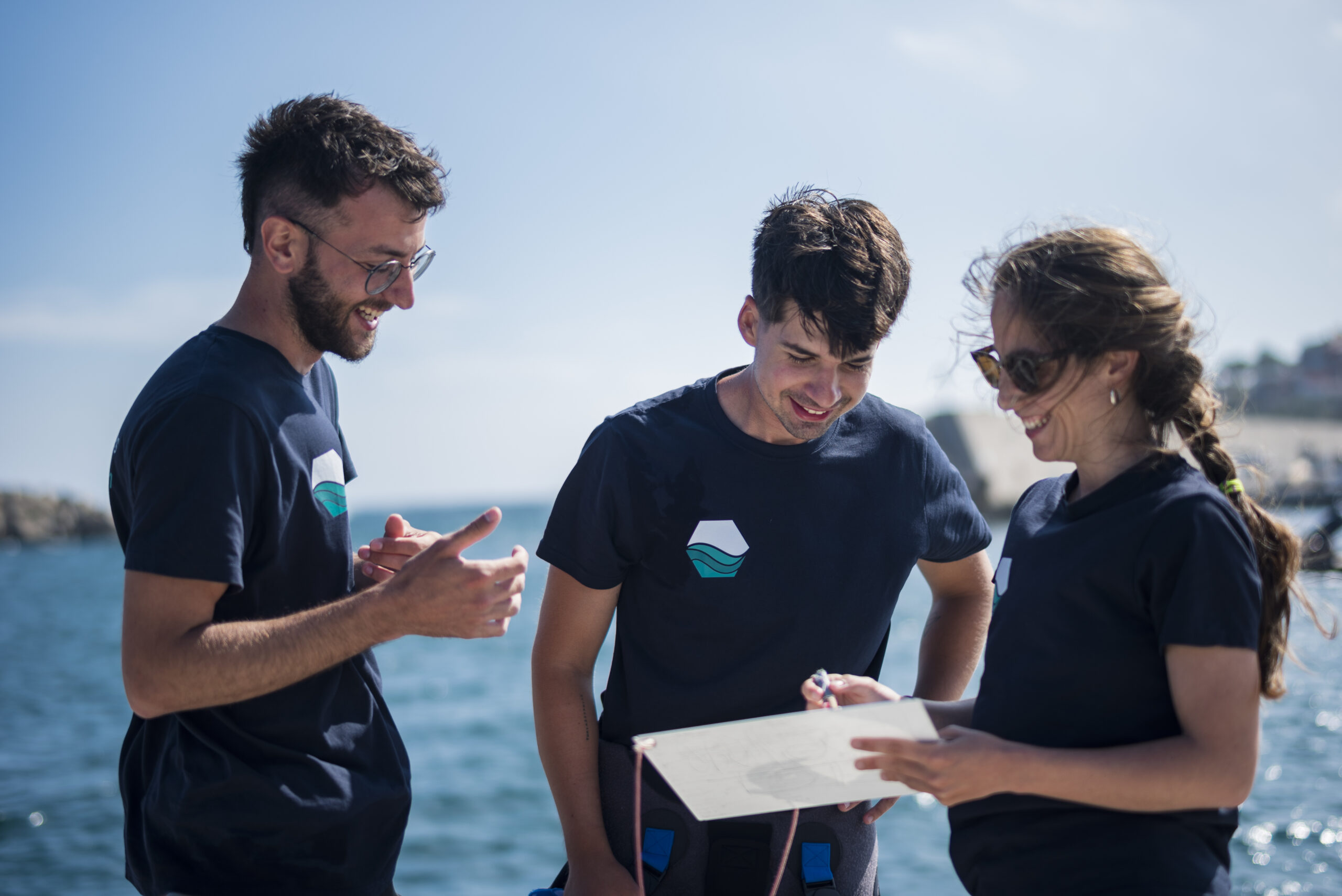
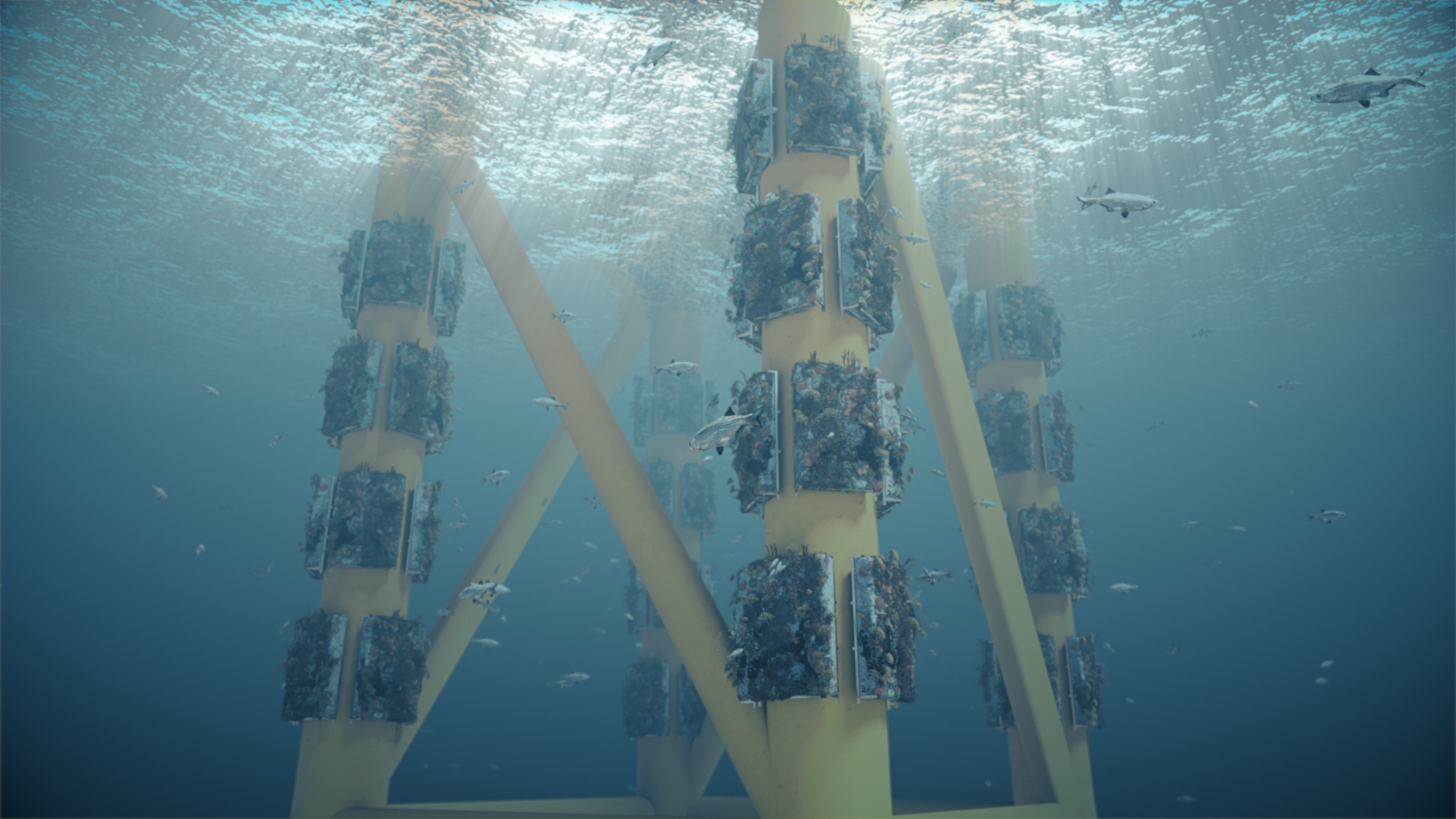
The technology developed by Ocean Ecostructures is called the Bio Boosting System (BBS) and is based on modular structures known as Life Boosting Units (LBUs).
These are small biomimetic reefs installed on existing marine infrastructure, such as harbour walls, marinas and other submerged structures.
Unlike a smooth concrete surface, these units incorporate different layers, cavities and substrates that mimic some of the characteristics of natural habitats. Their design makes it easier for larvae, microorganisms and other forms of marine life to establish themselves and, gradually, for more complex communities to develop.
The structures also provide shelter and spaces for fish and crustaceans to grow. In this way, a harbour wall can become more than just a construction element and begin to function as an ecological support structure.
The aim is not to replace a natural reef with an artificial one, nor to automatically restore the ecosystem that existed before the port was built. It is about creating more favourable conditions for biodiversity in spaces that have already been profoundly transformed.
This distinction matters. Restoring natural ecosystems remains essential, but we also need to explore what can be done with existing infrastructure that is unlikely to disappear.
The technology has been recognised by the European Mission Restore our Ocean and Waters solutions platform, which highlights its potential to transform artificial marine surfaces into habitats that are more favourable to biodiversity.
Biodiversity can also be measured
One of the most interesting aspects of Ocean Ecostructures is that its approach does not end with the installation of the artificial reefs.
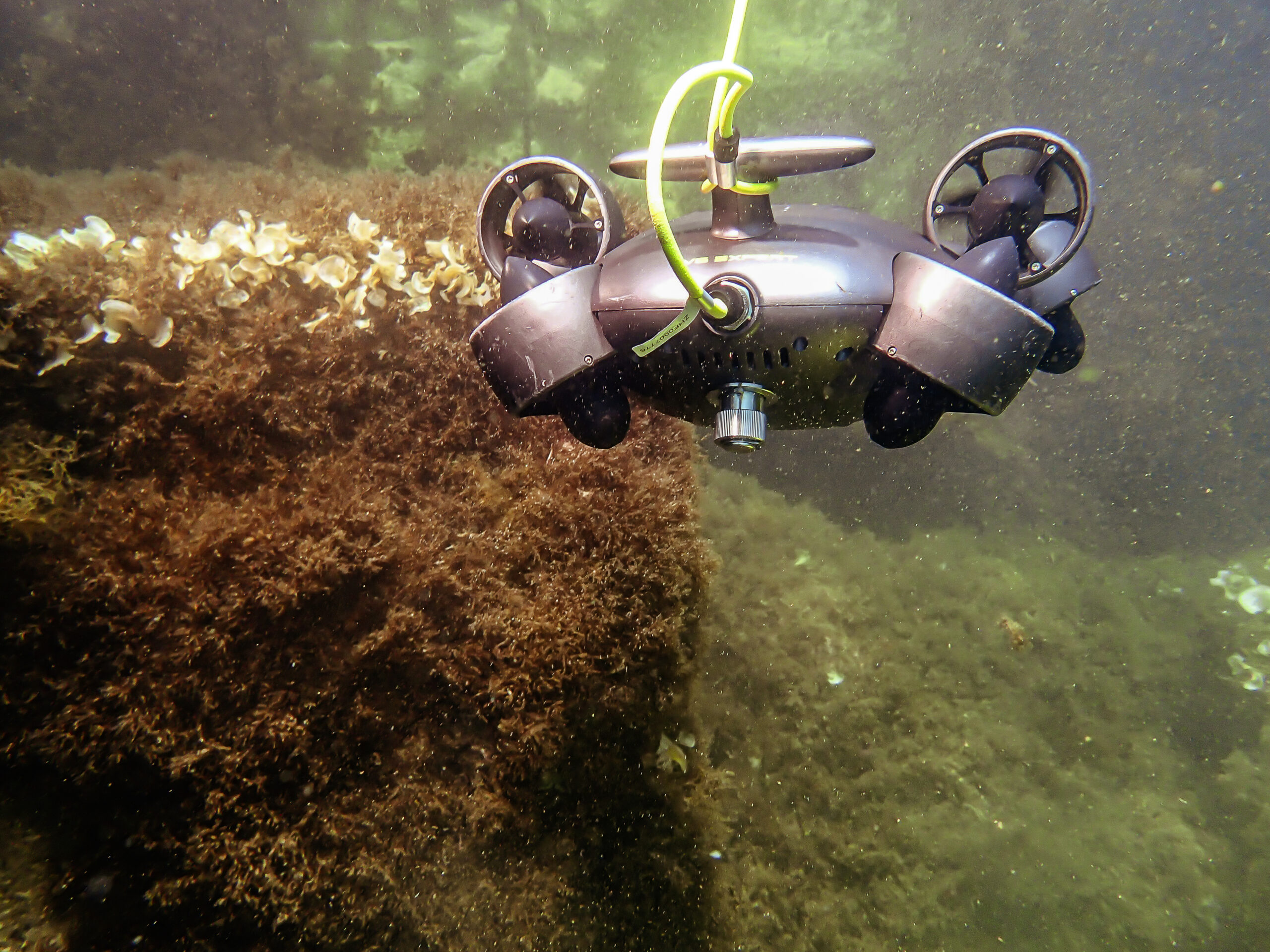
The company has developed a monitoring system that combines inspections using underwater drones, AI-powered image analysis and its own digital platform, iOceans, which makes it possible to record and analyse how marine communities evolve.
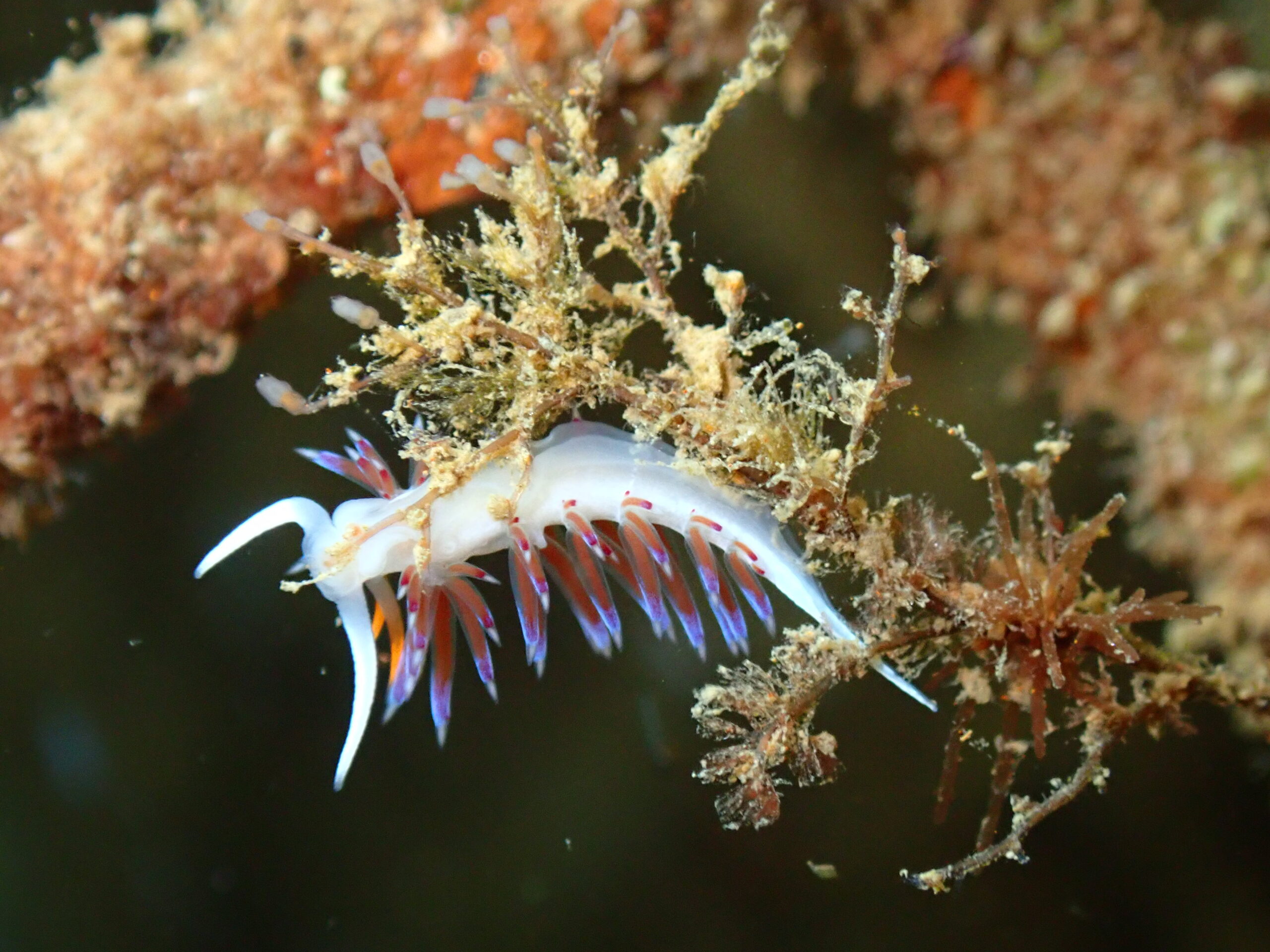
This monitoring allows indicators such as the number of species present, the biomass generated and the amount of carbon fixed by organisms colonising the structures to be studied.
The distinction is important. Rather than simply installing a structure and assuming it will generate biodiversity, the aim is to verify what happens, which species establish themselves and how the ecosystem evolves over time.
Monitoring can also help detect invasive species, a particularly relevant issue in ports, which are entry points and transit hubs for organisms arriving from other regions.
This approach therefore combines a relatively small physical intervention with a system for generating knowledge about the ecological condition of port environments. The European Commission highlights precisely this combination of biomimetic structures and monitoring tools as one of the solution’s defining features.
From the Port of Barcelona to the first measurable results
The Port of Barcelona is one of the locations where the technology has demonstrated its results. In 2023, the Port, Marina Barcelona 92 and Ocean Ecostructures launched an initiative involving 28 underwater structures installed across eight locations. According to the Port of Barcelona’s environmental report, monitoring carried out in 2024 recorded a 44% increase in the number of marine species in the areas studied.
A total of 112 species were also identified on the structures, nine of which were non-native, highlighting the potential of these installations as observation points for detecting changes in marine biodiversity.
The initiative has subsequently expanded. In June 2026, the Port of Barcelona announced a new installation as part of the RegenPorts programme, promoted by the BCN Port Innovation Foundation. With this intervention, the port was expected to reach approximately 100 installed units.
The programme introduces a particularly interesting dimension: it aims not only to demonstrate that the technology works from an ecological perspective, but also that it can be integrated into everyday port operations with technical, scientific and operational safeguards.
To achieve this, it incorporates specific protocols and a validation system that makes it possible to assess the compatibility of these interventions with port operations. This is a necessary step towards moving from isolated pilot projects to more widespread implementation.
Results are also beginning to emerge at other locations. At Alcudiamar, in Mallorca, ten biomimetic microreefs were installed in April 2025. After ten months, the first monitoring results recorded 38 native species, a 56% increase in the number of species, 82 kg of biomass and 35 kg of CO₂ fixed by organisms living on the structures.
These are local results from an initial monitoring phase, but they provide an early indication of what this technology can achieve under real-world conditions.
Regeneration is not the same as offsetting
When discussing environmental regeneration, it is important to distinguish between concepts that are often confused.
Infrastructure can reduce its environmental impacts, but this does not necessarily mean that it contributes to restoring an ecosystem. Similarly, installing structures that encourage marine organisms to colonise an area does not automatically mean recovering all the biodiversity or ecological functions that existed before a port was built.
Ocean Ecostructures proposes an intervention in artificial habitats that can encourage the presence of organisms and increase the ecological complexity of certain surfaces. However, these results must be interpreted in context.
For example, an increase in the number of species observed does not, in itself, demonstrate that a complete natural ecosystem has been restored. It is also necessary to study which species appear, how they interact, whether they persist over time and what effect they have on surrounding marine communities.
Something similar applies to carbon. The biomass that develops on the microreefs can incorporate carbon, but this does not mean that all of it remains permanently stored or that it can be used directly to offset emissions.
This distinction does not diminish the project’s interest. On the contrary, it helps place its main value where it is most relevant: the recovery of biodiversity and ecological functions within existing marine infrastructure. It also reinforces the need for monitoring systems that can assess results beyond the initial installation.
From reducing impacts to creating new opportunities for nature
Perhaps the most interesting reflection prompted by Ocean Ecostructures concerns how we understand infrastructure.
For decades, much of environmental management has focused on reducing the negative impacts of human activities: polluting less, consuming fewer resources, disturbing ecosystems less or compensating for some of the damage caused. All of this remains necessary. But the biodiversity crisis also forces us to ask another question: can we redesign infrastructure so that, beyond reducing its impacts, it actively contributes to restoring ecological functions? Ports are a good example of this tension. They will continue to be logistics, industrial and economic hubs. But that does not mean all their surfaces must remain ecologically impoverished.
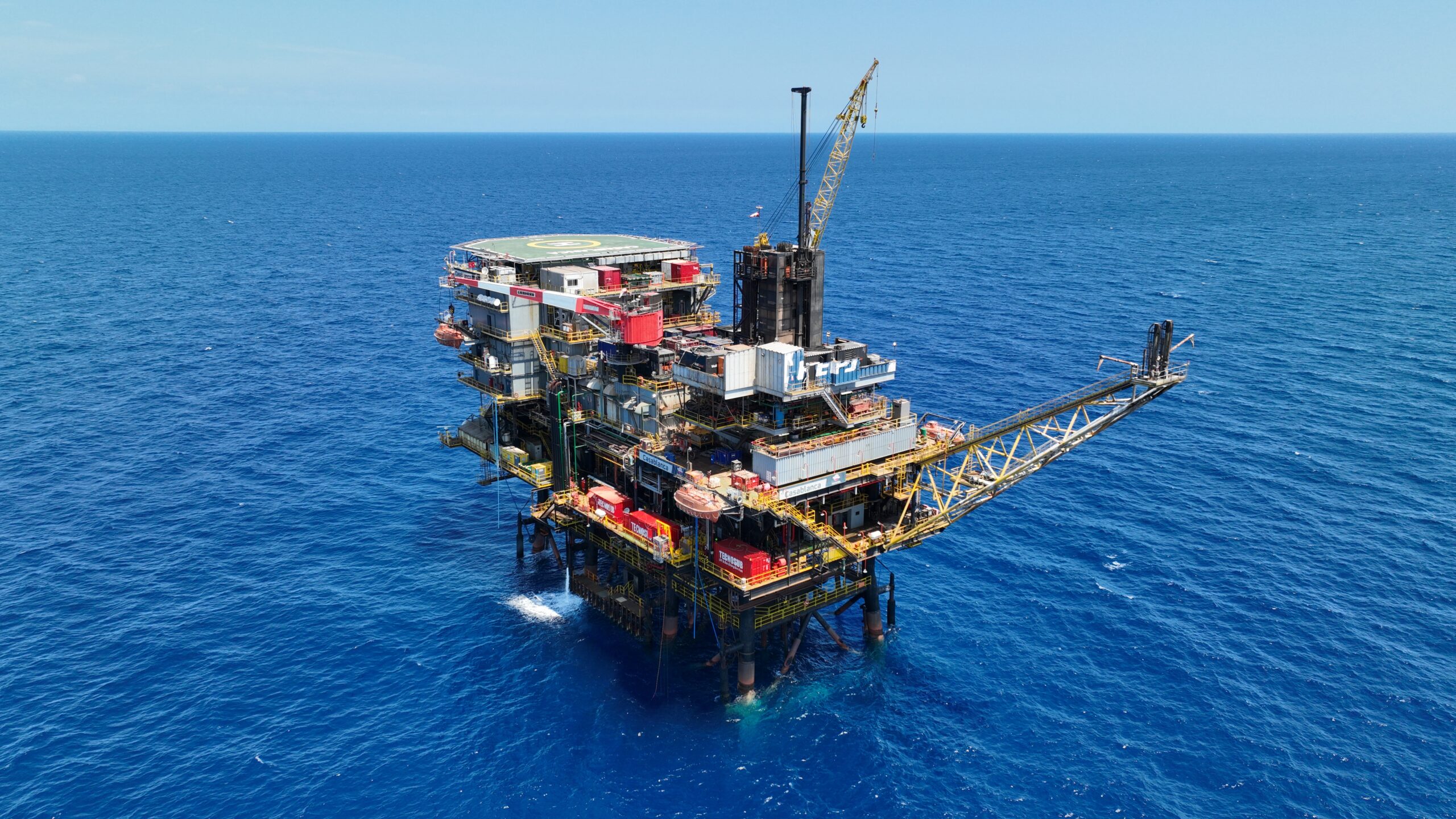
The same reflection can be extended to other marine infrastructure, such as offshore wind farms, platforms and certain coastal protection structures. The challenge is to ensure that these interventions are compatible with their primary function, that their ecological benefits can be demonstrated and that they do not become a justification for continuing to degrade natural habitats.
This connects with other solutions explored through Terra50: the need to stop thinking of infrastructure as something that serves only one function. A rooftop can generate energy and support biodiversity. A public space can facilitate mobility while helping to manage rainwater. And port infrastructure can continue operating while incorporating surfaces that support marine life.
Ocean Ecostructures cannot, on its own, solve the degradation of our oceans, nor can it replace the protection of natural ecosystems. But it presents an opportunity worth exploring: making use of some of the infrastructure we have already built to restore biodiversity in places where it has lost ground.
If cities have profoundly transformed their relationship with the sea, perhaps they can also begin to transform their infrastructure to make room for life once again.
»Click here for more details on Ocean Ecostructures.
»The images in this article were provided by Ocean Ecostructures.