



Table of Contents
Author | Lucía Burbano
The digital systems used by smart cities that rely on Artificial Intelligence are shifting a large share of electricity consumption to data centers. To sustainably meet this growing demand, cities must take the next step in their digital transformation.
The key question is no longer whether cities can become smarter, but whether their power systems can become intelligent enough to support the AI economy.
What are the characteristics of a city with coordinated energy management?
Globally, data centers consumed around 415 TWh in 2024, representing approximately 1.5% of the world’s electricity use. Forecasts suggest that this figure could rise to roughly 945 TWh by 2030.
To meet this growing demand, cities with coordinated energy management rely on a combination of:
- Smart grids that monitor electricity flows in real time.
- AI powered energy management systems that forecast demand and optimize supply.
- Distributed energy resources, such as rooftop solar panels, batteries, and microgrids.
- Electric vehicles that can serve as mobile energy storage units.
Rather than following the traditional grid model, where large power plants generate electricity that flows in a single direction, smart energy management creates a dynamic ecosystem in which buildings, vehicles, renewable energy sources, and consumers interact continuously.
How does a smart grid use AI to manage energy?
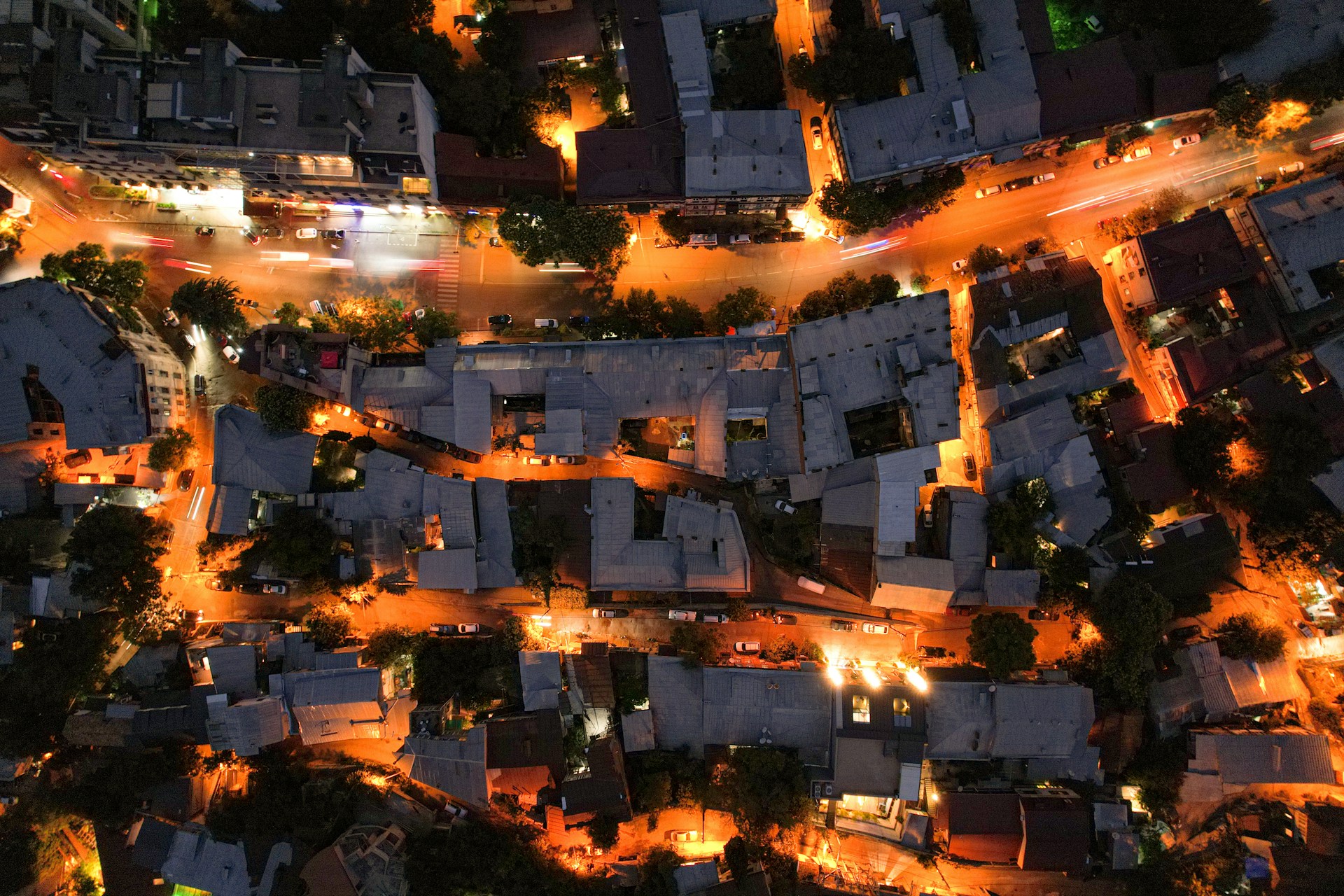
A smart grid enables the transition from a reactive electricity model to one that is predictive and coordinated. By continuously receiving data, AI can identify patterns and determine how to balance electricity supply, demand, storage, and distribution.
Demand forecasting
By collecting data from smart meters, weather conditions, historical consumption patterns, traffic levels, industrial activity, and renewable energy generation, AI can estimate the amount of electricity a city will require under different scenarios.
Automatic balancing of supply and demand
To balance the energy being generated with the energy being consumed, AI can charge batteries when there is excess power, redirect flows between different areas, or activate additional generation capacity.
Integration of renewable energy sources
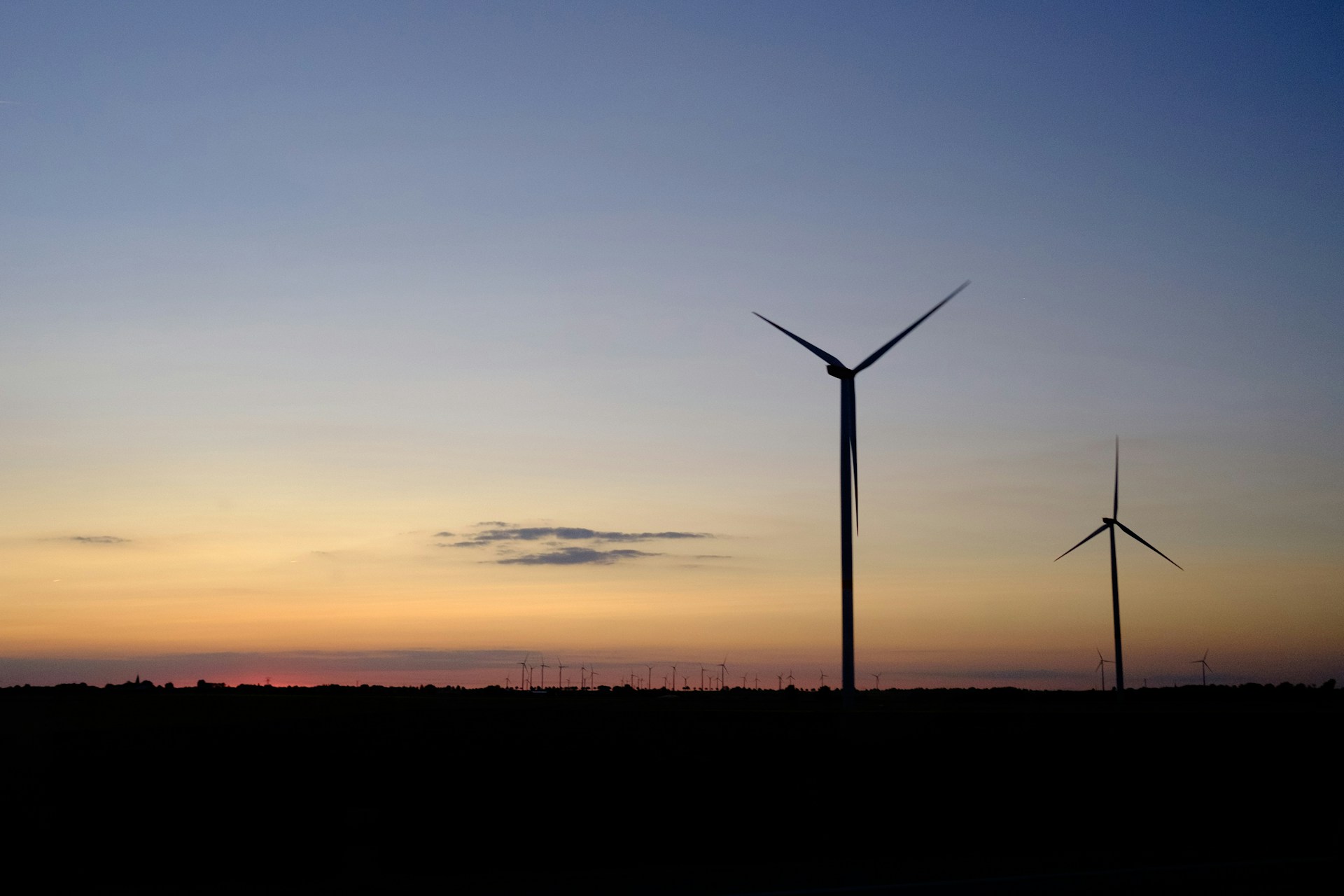
Renewable energy sources such as solar and wind power depend on weather conditions and therefore have variable output. AI helps predict when solar or wind generation will increase, making it possible to determine whether the energy produced should be stored or consumed immediately.
What challenges does integrating AI-driven demand into smart grids present?
The network capacity and interconnection requirements associated with AI can grow faster than the electrical infrastructure itself, potentially leading to overloaded substations or shortages of transformers.
In addition, a highly interconnected energy system creates new vulnerabilities and cybersecurity risks that can compromise smart devices.
The integration of renewable energy sources can also create challenges, as AI requires a stable power supply.
From a regulatory perspective, challenges include determining connection fees, the allocation of costs and investment incentives, as well as deciding who receives priority access during critical situations, given that grid capacity is limited.
Cities already managing energy in a smart and coordinated way
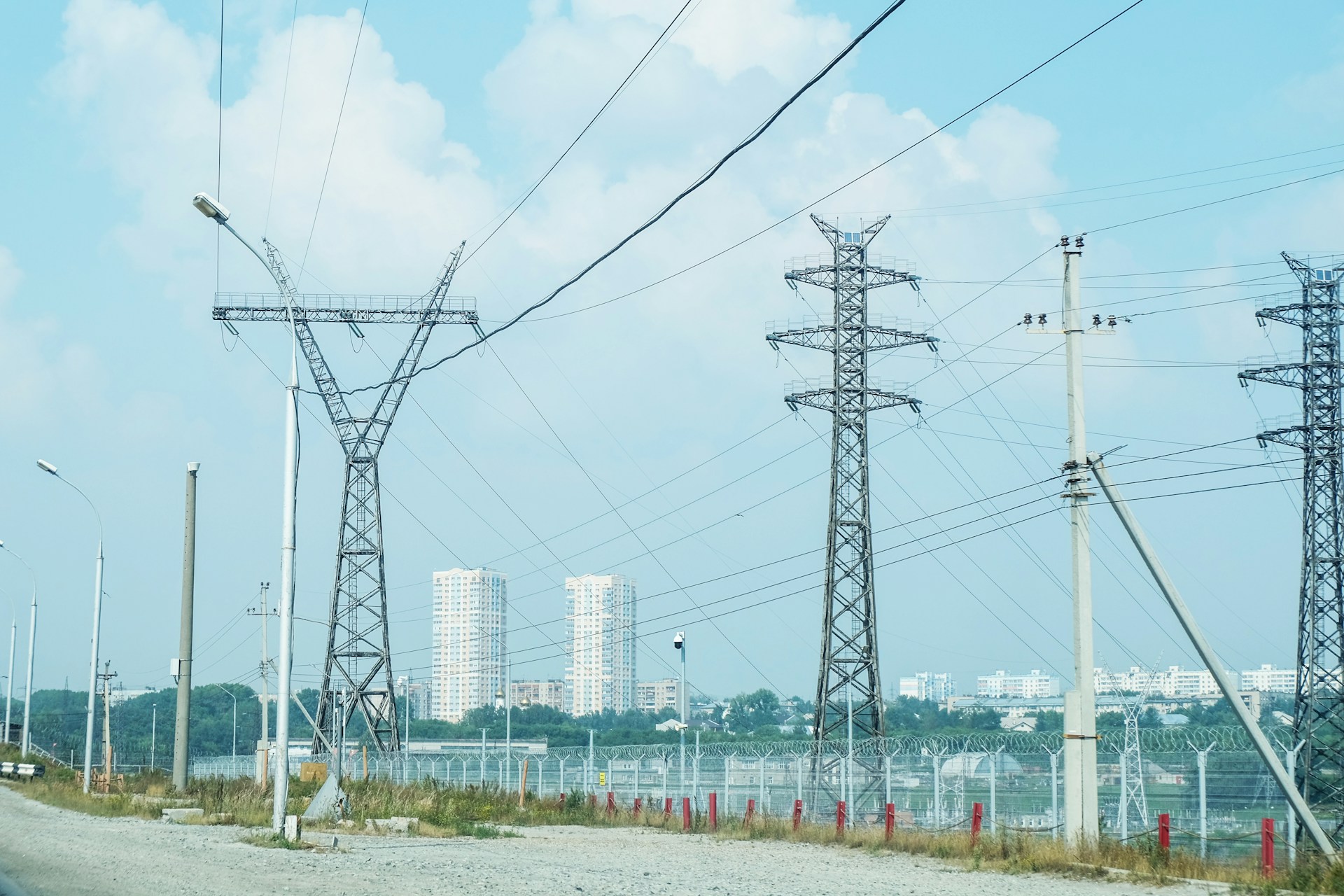
Austin
Austin has served as a major testing ground for smart grid technologies aimed at reducing peak demand and improving grid reliability.
The city has implemented smart meter programs, renewable energy integration initiatives, and electric vehicle charging management systems.
Tokyo
Tokyo has made significant investments in distributed energy systems to help ensure a reliable electricity supply during outages caused by earthquakes. Among these investments are building scale cogeneration systems, microgrids, and battery storage solutions.
Questions and answers about energy coordinated cities
Why do cities need coordinated energy management?
The growth of AI based systems is increasing electricity consumption and shifting a large share of demand toward data centers.
What does a city with coordinated energy management look like?
It uses smart grids, AI systems to forecast demand, distributed energy resources, microgrids, and connected electric vehicles.
How does artificial intelligence help manage energy in a smart grid?
It analyzes real time data to forecast consumption, balance supply and demand, integrate renewable energy sources, and determine when electricity should be stored, consumed, or redistributed.
What challenges does integrating AI related energy demand present?
It requires expanding electrical infrastructure, strengthening cybersecurity, coordinating the use of renewable energy sources, and addressing regulatory issues related to costs, grid access, and data privacy.
What will the energy coordinated cities of the future look like?
They will be cities capable of managing the generation, storage, distribution, and consumption of energy in a largely autonomous way through artificial intelligence, adapting in real time to demand and supporting the growth of the digital economy and AI.
Photographs | Unsplash/Markus Stickling, Unsplash/Raisa Milova, Eugene Zh