



Table of Contents
Author | Lucía Burbano
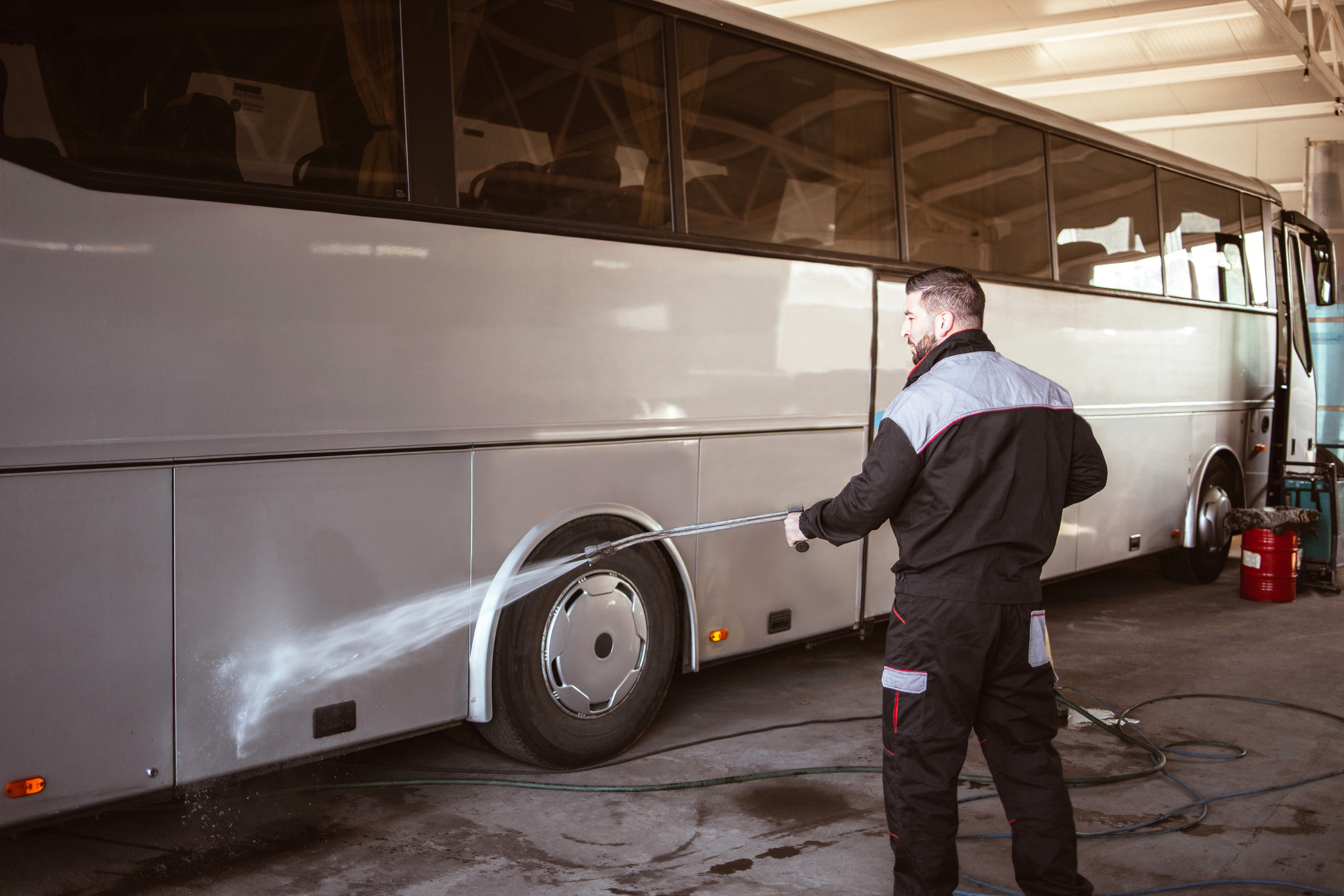
This may be something we are unaware of as citizens or simply never consider: the urban bus sector uses tens of millions of cubic meters of water each year in operations such as washing.
These figures highlight the hidden impact of water on urban mobility and explain why projects like LIFE H2OBus are seen as pioneering, as they specifically address an issue that often goes unnoticed but which is far from insignificant: water management in road based public transport.
What is the LIFE H2OBus project?
LIFE H2OBus is a project co funded by the European Union’s LIFE Programme, focused on reducing water use in the washing and maintenance of urban bus fleets.
These operations account for a significant share of water use, and although there are no standardized official figures at a global or European level on total water consumption in public transport, studies linked to the LIFE H2OBus project estimate that washing a city bus can use around 300 liters of water.
On average, these vehicles are washed three times a week, which brings annual exterior cleaning usage to about 46,800 liters per bus. This figure grows exponentially when taking into account that, according to the European Automobile Manufacturers’ Association, there are nearly 692,207 buses in operation across Europe. As a result, around 43 million cubic meters of fresh water are used each year on the continent.
This project is significant because it marks the first time the land based public transport sector has received specific European funding for water management, a critical resource under increasing pressure from water scarcity and the need to implement more sustainable measures in cities.
Three cities, three pilot projects
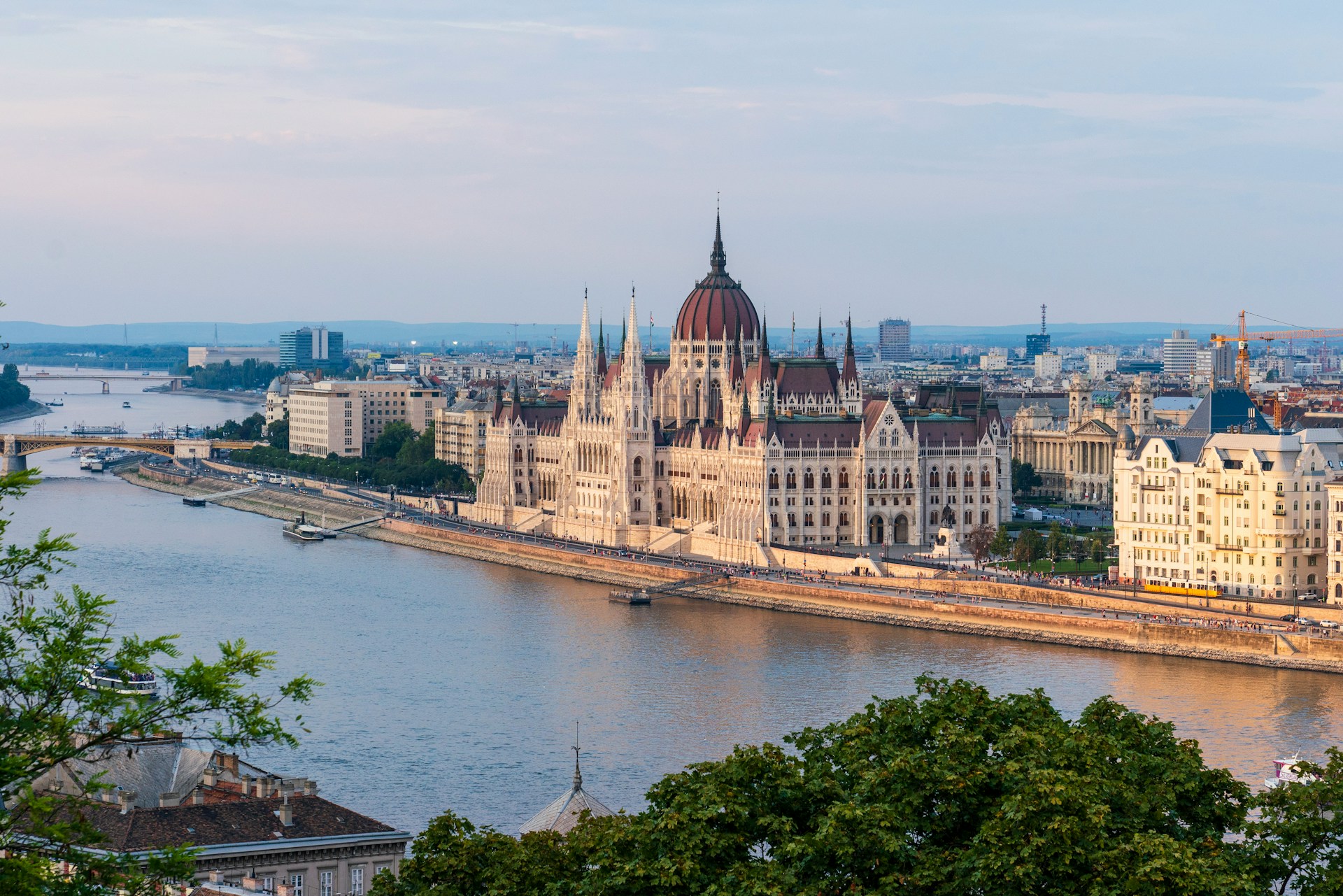
The pilot projects were conducted between 2022 and 2025 in Grugliasco (Italy), Budapest, (Hungary) and Požega (Croatia), with the aim of developing a best practice guide that can be replicated across Europe.
Three Arriva bus depots with active, real world facilities were used and adapted as pilot environments to test water management solutions under real operating conditions.
Three depots were selected with:
- Different climatic conditions, particularly varying levels of precipitation.
- Different fleet sizes and washing volumes.
- Diverse existing infrastructure.
Over approximately 42 months, monthly usage was monitored, the data collected was compared with baseline figures, operational parameters were adjusted, and technical analyses were carried out.
Grugliasco
As part of the project, infrastructure for rainwater harvesting, filtration, and reuse was installed.
According to reports linked to the technical implementation phase, the combination of rainwater systems and recycling could deliver up to 92% local water savings, although this is an estimate based on system design.
Budapest
Budapest took part as the second pilot city, with climatic and operational conditions unlike those in Italy, in order to capture geographic and climate variation and provide comparative data.
The results obtained here are included in the overall totals for the three cities, but public documentation does not specify exactly how much water was saved in the Hungarian capital compared with the other two cities. The same protocols were applied: rainwater collection, reuse, and process optimization.
Požega
A participant representing a different operational context and geographic setting.
As with Budapest, no individual figures are available, although the Croatian city followed the same protocols.
Conclusions and achievements of the LIFE H2OBus project

The LIFE H2OBus project achieved an overall reduction in drinking water usage of more than 70% across the three pilot depots combined over the course of the project. This is equivalent to approximately 24 Olympic sized swimming pools of water not used.
In absolute terms, this represents more than 20 million liters of water saved per year overall, or around 62 million liters over the 42 months of the project.
Extrapolated data estimates that, if the solutions are replicated beyond the pilot sites, up to around 93 million additional liters could be saved over a similar period.
Before the intervention, the following were carried out:
- Measurement of drinking water usage per wash.
- Recording of washing frequency per bus.
- Identification of wastewater generated
- and of critical consumption points.
Technologies used
The project combined several solutions to reduce water consumption in washing operations:
Rainwater harvesting
- Use of building rooftops.
- Channeling into storage tanks.
- Pre filtration systems.
Treatment and reuse of wash water
- Physical filtration.
- Oil separators.
- Recirculation for reuse in a new washing cycle.
Washing process optimization
- Adjustment of pressure and nozzles.
- Reduction of cycle time.
- Digital monitoring.
- Flow sensors.
- Real time measurement.
- Control dashboard to enable a comparative analysis between countries.
Each depot tested different combinations such as rainwater harvesting or recycling, or a model that combined both, to evaluate savings by technology, the influence of climate, return on investment, and operational efficiency.
In addition, less conventional solutions were explored, such as exterior waxing techniques that could eliminate water use entirely in certain cases.
Project data suggests that if these practices were adopted across Europe, they could save tens of millions of additional liters each year, while also reducing energy consumption and emissions associated with water pumping and treatment.
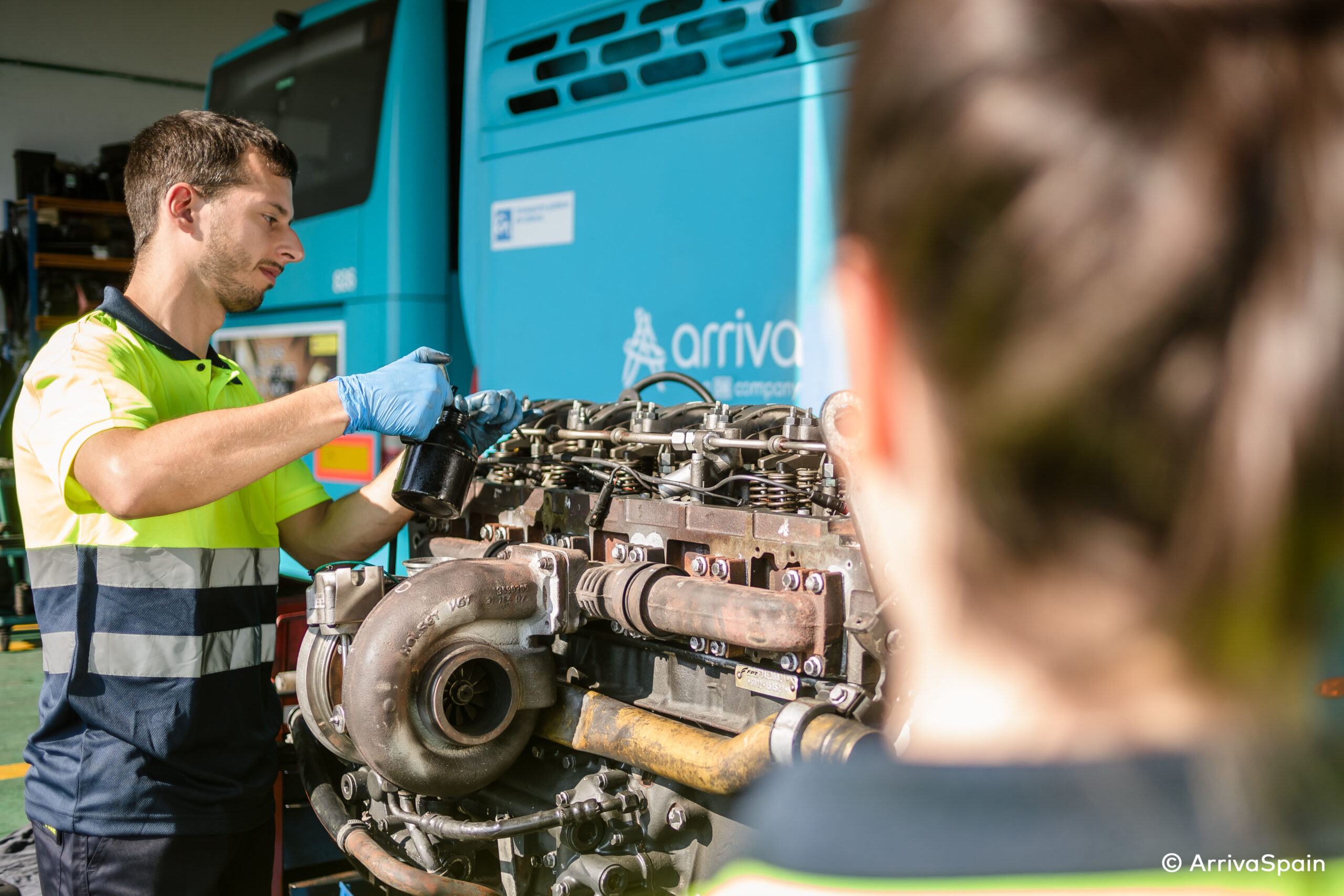
Beyond simply installing technology, the aim of LIFE H2OBus has been to create a replicable model, develop technical protocols, build standardized management tools, and assess economic viability.
In other words, it has been a demonstration project applied in real world environments, not a laboratory experiment. The pilot depots operated as living labs for water management in public transport.
The pilots were conducted in real facilities, under normal daily operations, measuring the impact under actual operating conditions to increase the reliability of the results.
In addition to the direct impact on water savings, the project provides tools such as control dashboards and comparative metrics to support predictive resource management decisions, which can improve operational efficiency and reduce long term costs.
Photographs | Ika84/iStock, Unsplash/Ervin Lukacs, Arriva, Milos-Muller/iStock