



Table of Contents
Authors | Jaime Ramos, Elvira Esparza
We will still have to wait for the great dream of driverless cars. Although manufacturers continue to present new models of driverless cars each year, autonomous vehicles still have a long way to go. What are the main obstacles and challenges?
Are there any self-driving cars on the road yet?
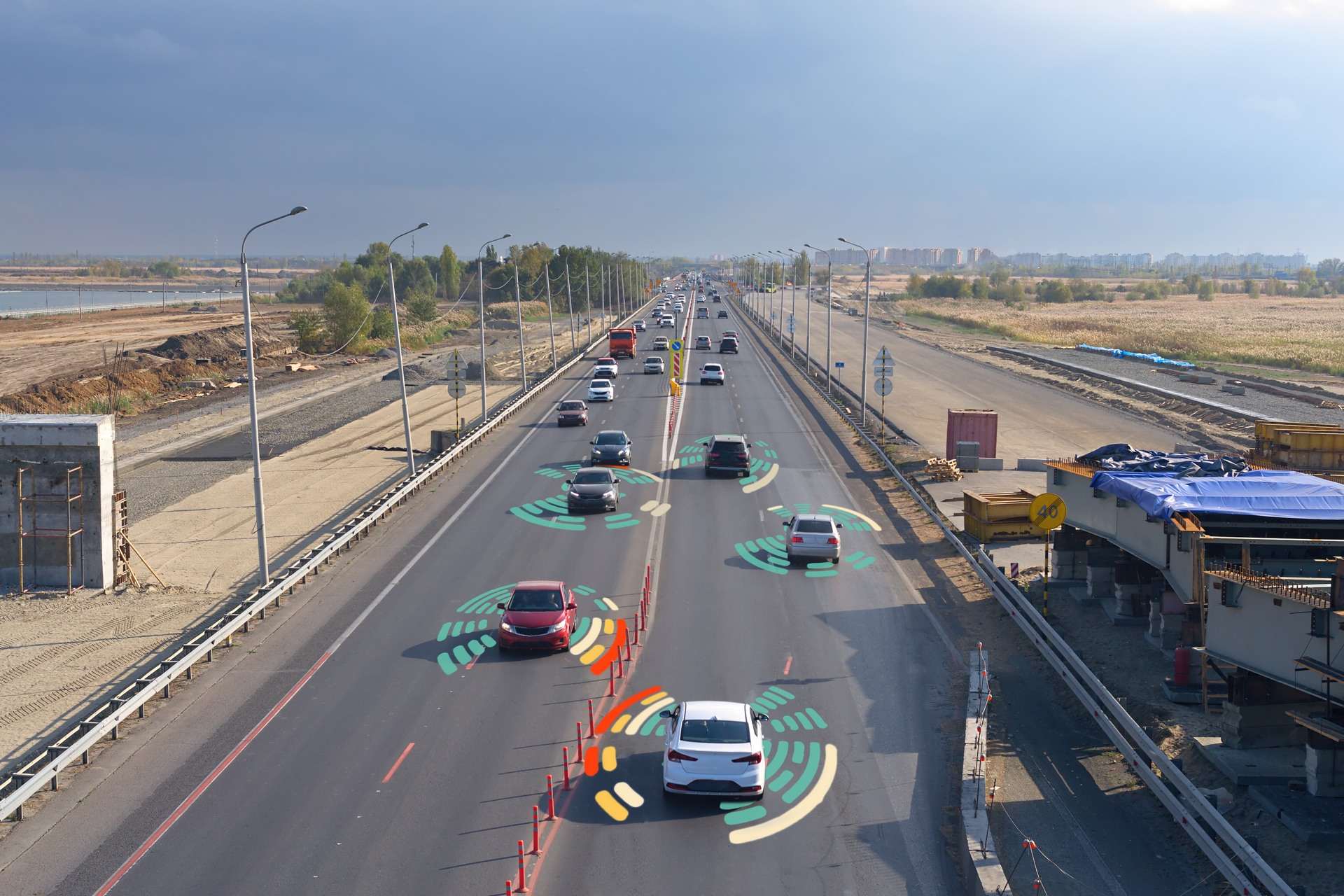
Yes, there are. However, they are still in the experimental phase sine die. Programs to promote self-driving cars have increased exponentially in recent years. These can be seen in dozens of countries.
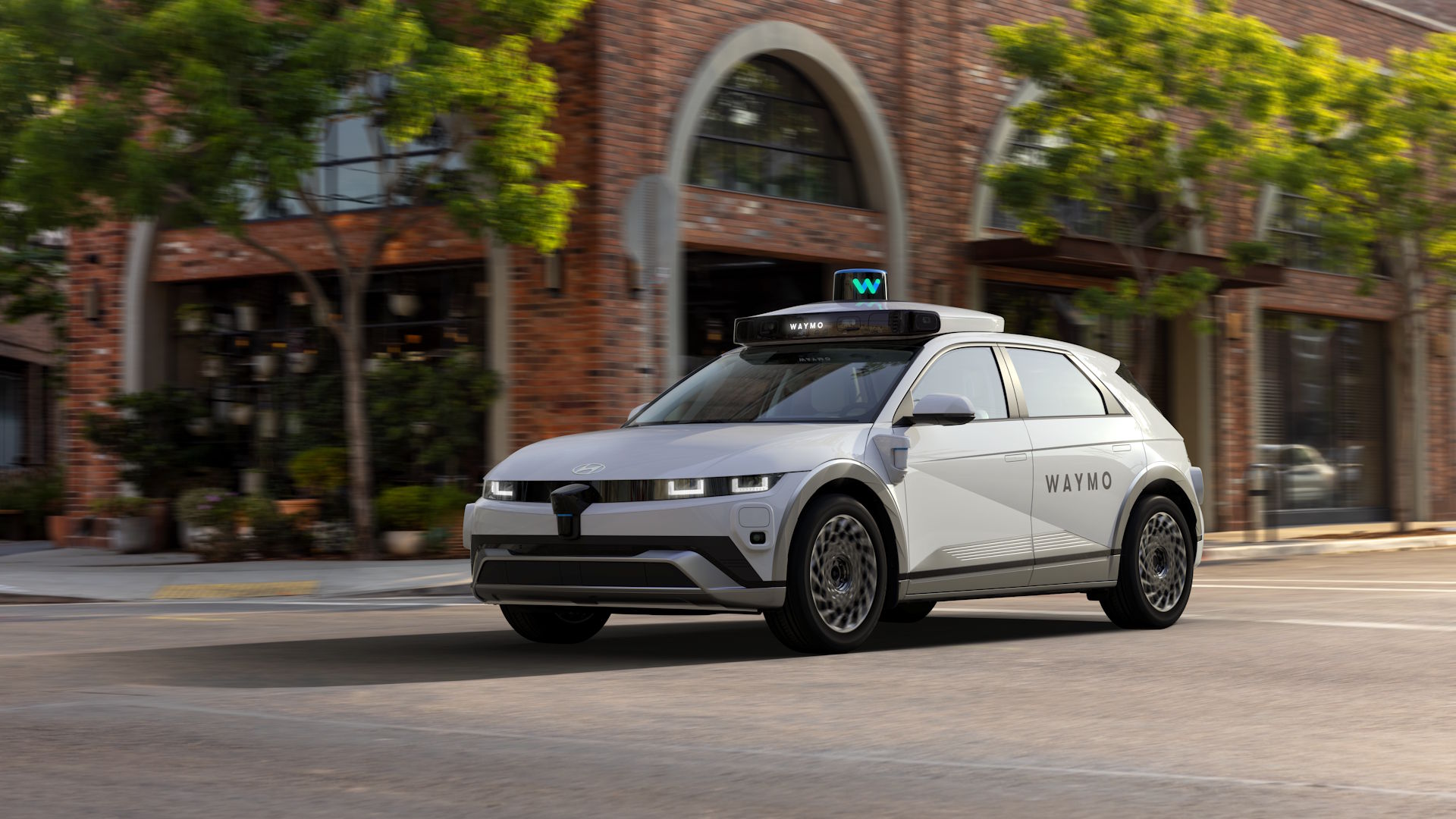
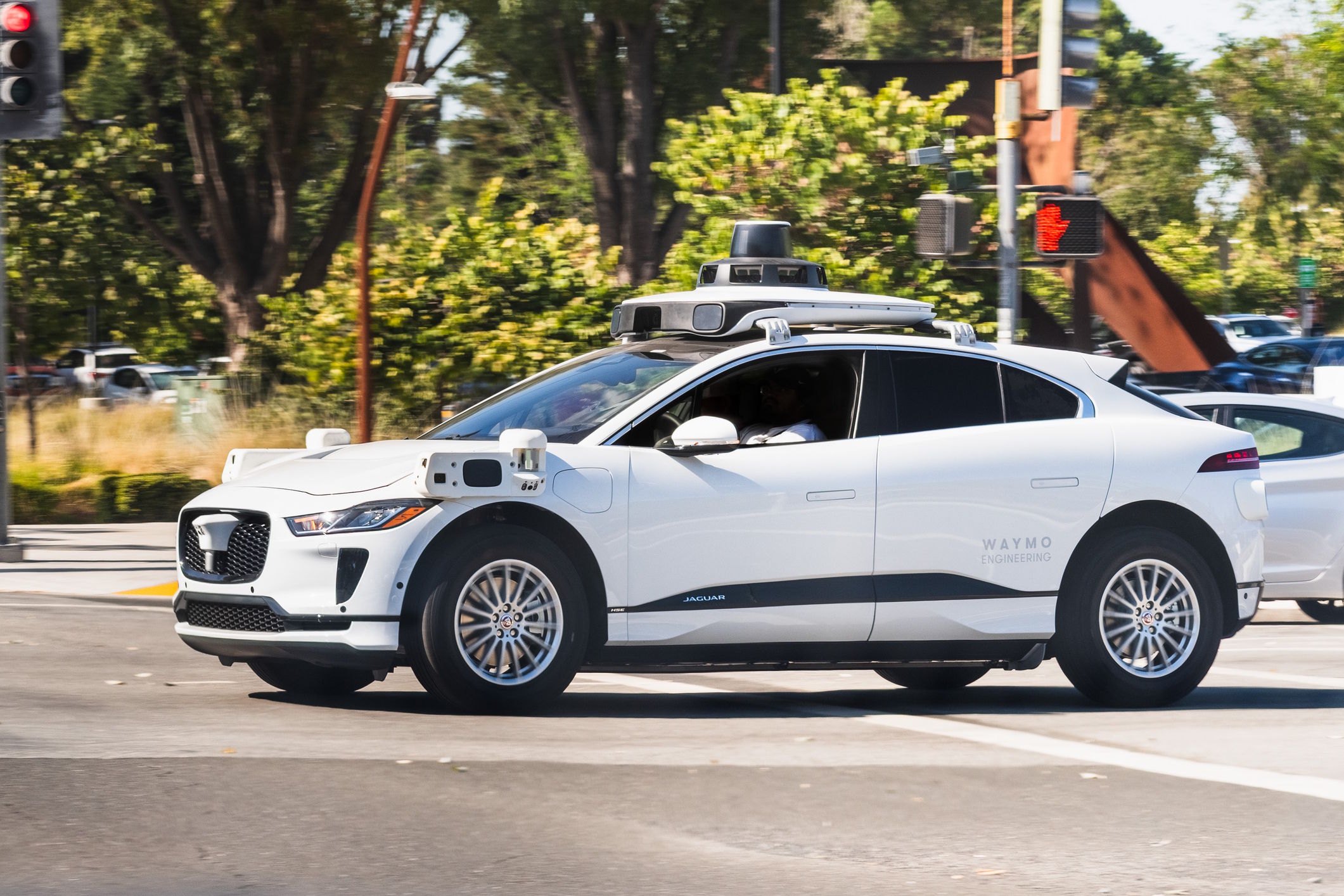
The Waymo self-driving car, for example, has covered countless kilometers with the Google logo on its white bodywork. The models have covered over 20 billion kilometers to date, improving the intelligence required to fulfil the ambitious promise of eliminating road fatalities.
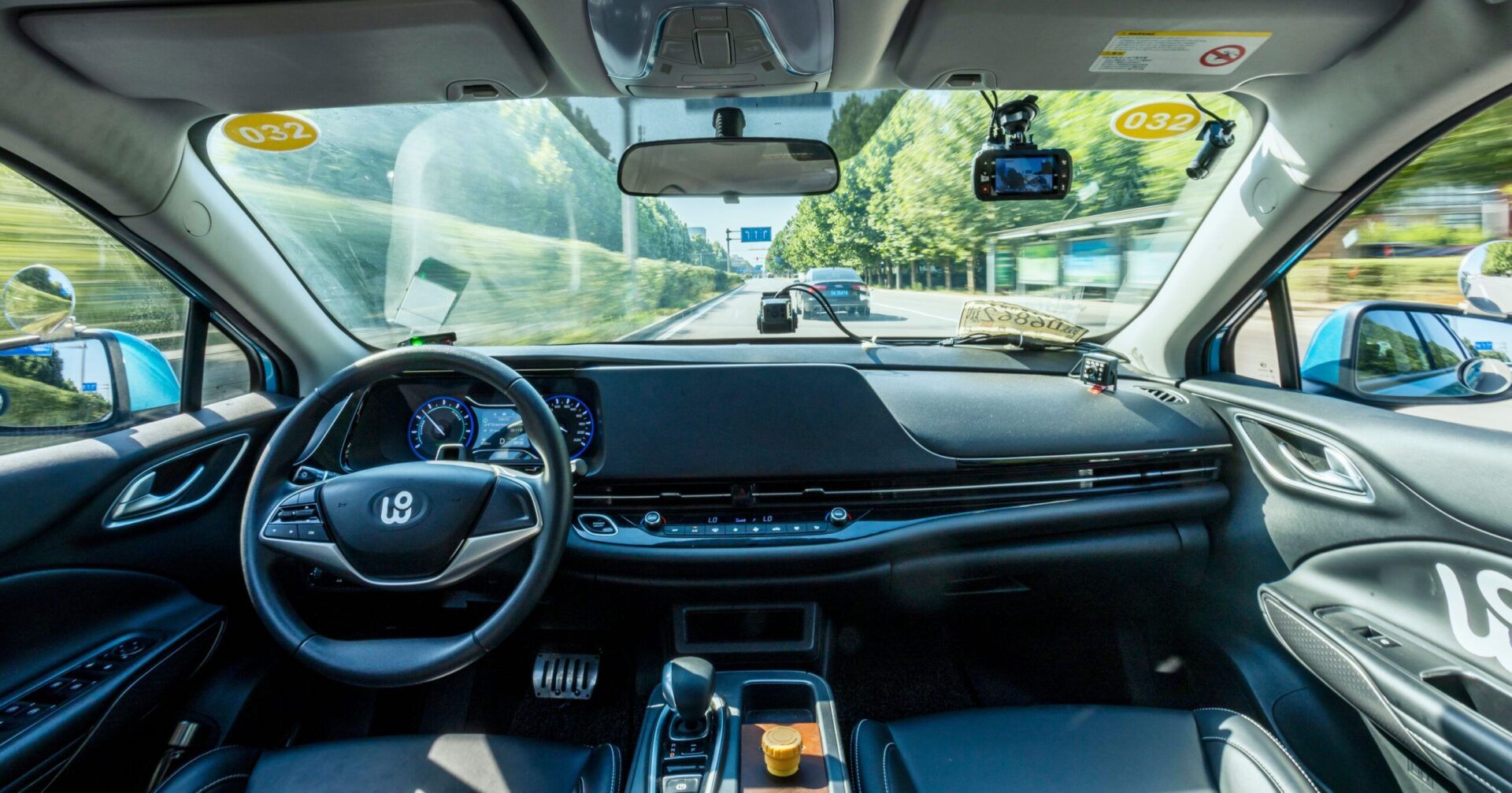
Waymo in the United States has been joined by Baidu’s Apollo Go, which operates in the Chinese cities of Wuhan, Beijing, and Shenzhen, as well as by other local companies such as Pony.ai and WeRide.
There are more autonomous vehicles operating on city streets in China and the United States than in Europe, where their introduction is beginning to be announced in cities such as Munich and Madrid. For now, China can be said to be further ahead in terms of urban adaptation thanks to its infrastructure, while the United States stands out in software development.
Rather than reporting how many autonomous vehicles are operating in cities, companies provide figures on the number of trips completed. By the end of 2025, Baidu had completed 6 million trips in 10 Chinese cities, while Waymo had reached 1 million in three US cities.
However, both companies have experienced significant pauses in the expansion of their networks due to safety issues that forced them to temporarily take their vehicles off the road.
Why aren’t cities ready for autonomous driving?

There are various obstacles making it difficult to introduce autonomous vehicles in cities. These range from technological challenges to safety concerns and regulatory issues.
Insufficient Digitalization
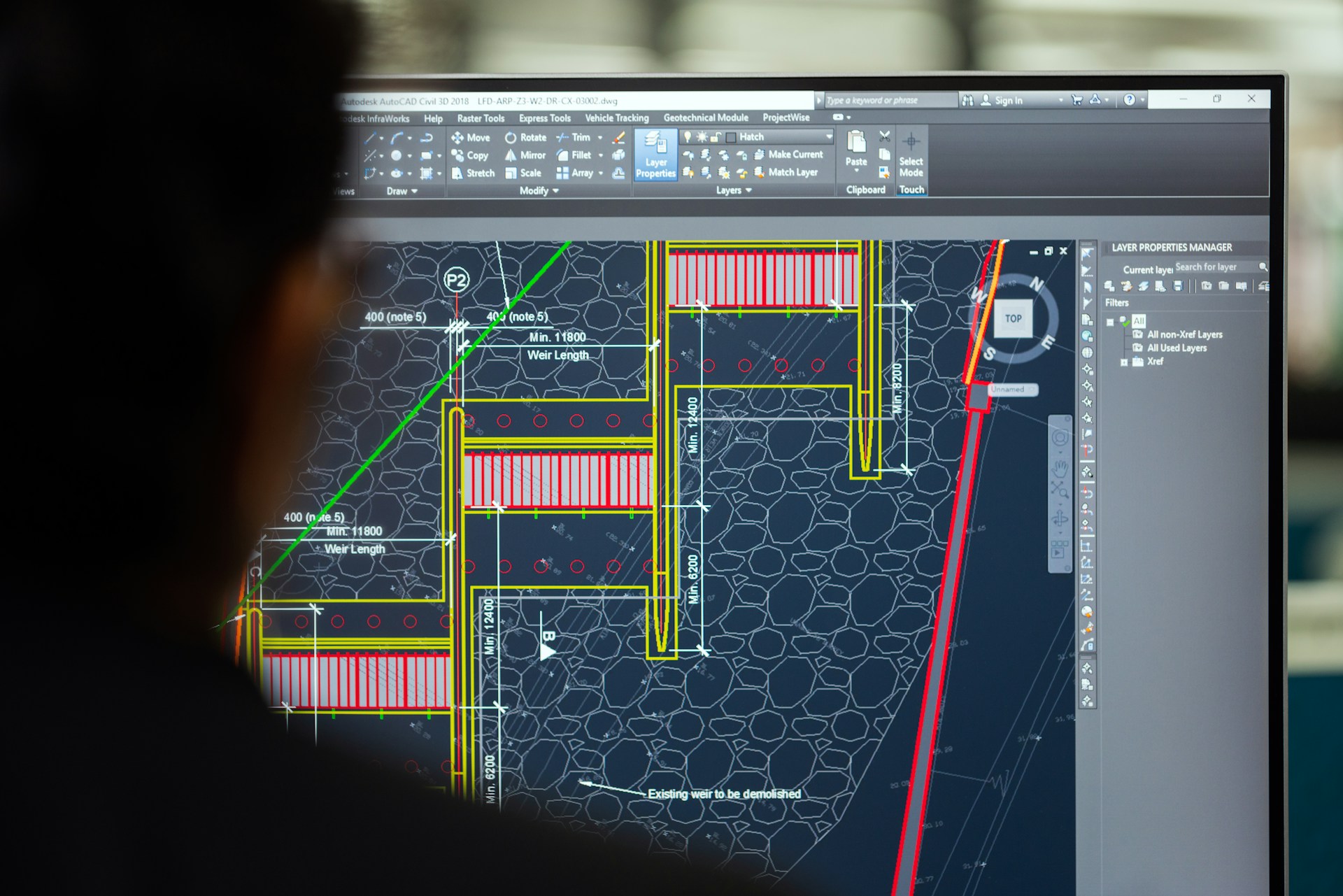
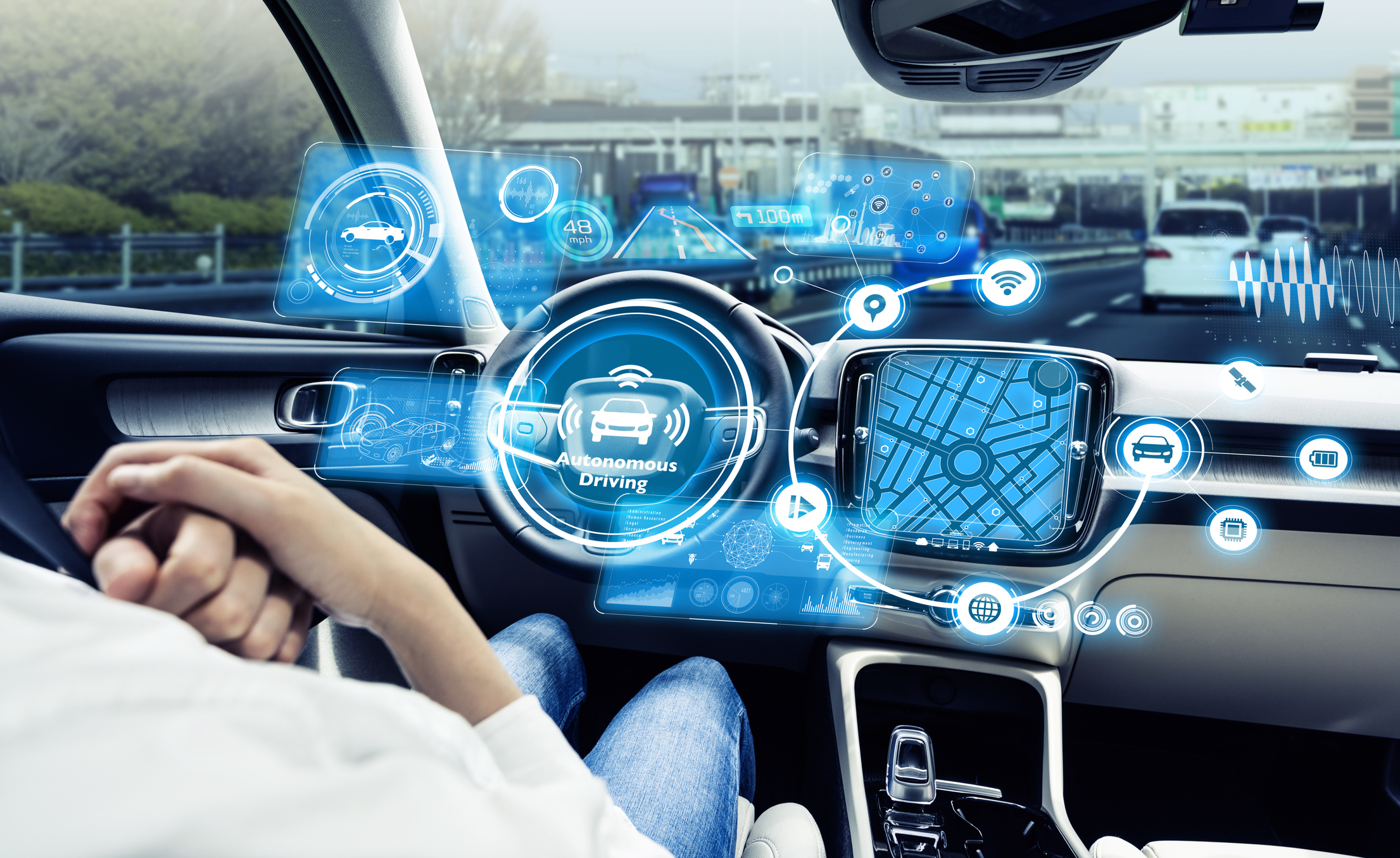
To operate without human supervision, autonomous vehicles need to achieve the highest level of automation and communicate constantly with their surroundings. However, most cities have an insufficient level of digitalization and lack smart traffic lights that can connect to networks or real-time maps that provide alerts about unexpected road conditions.
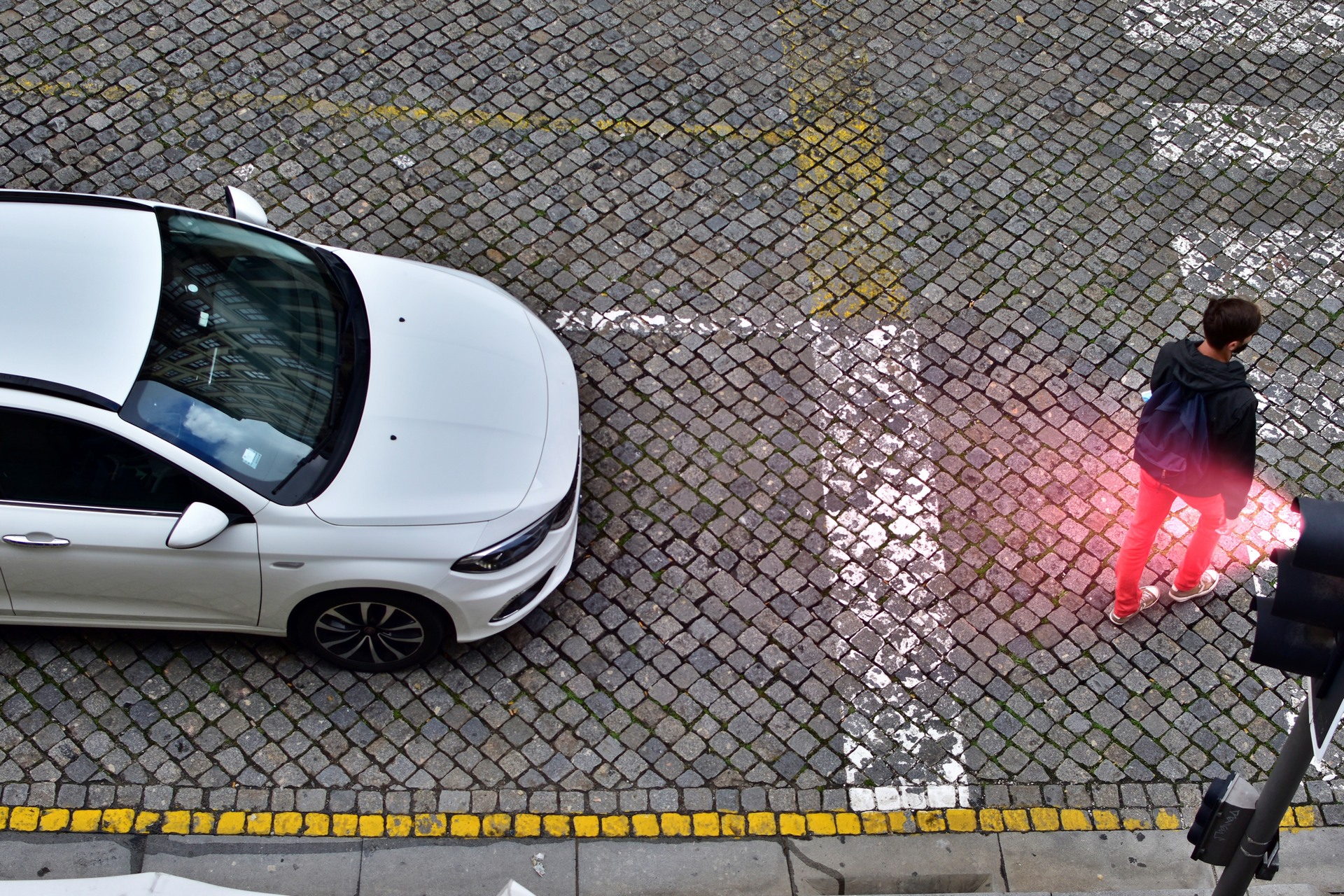
Poor signage or the presence of pedestrians can confuse autonomous vehicle sensors and computer vision systems. These sensors are also affected by weather conditions such as heavy rain or fog, which interfere with communication and cause vehicles to slow down or even come to a complete stop.
Dynamic and unpredictable environments
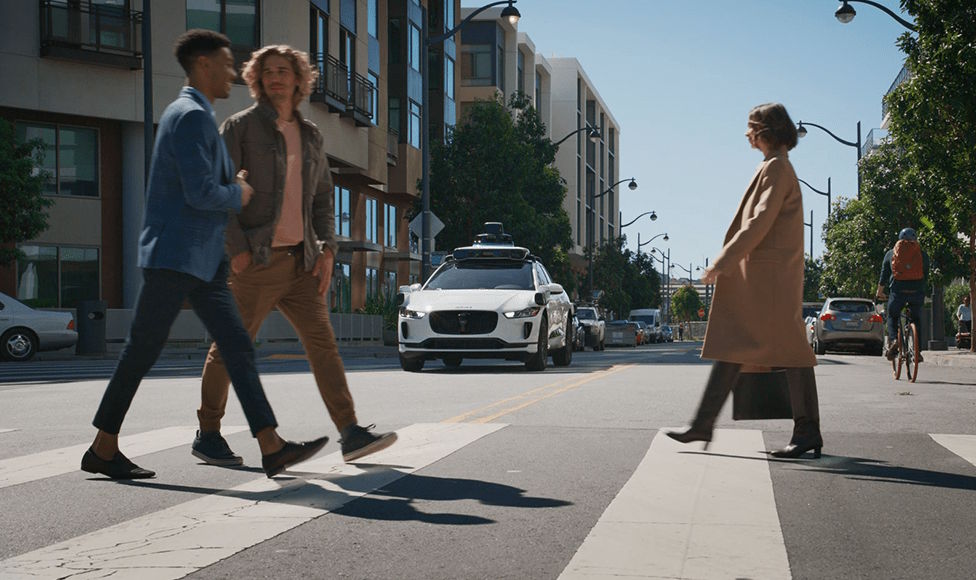
Autonomous driving algorithms work well in structured environments such as highways, but they still encounter problems amid the chaos of urban traffic. In cities such as San Francisco, where robotaxis operate, they have been found to freeze and fail to respond in emergency situations. When they detect the emergency lights of fire trucks, police vehicles, or ambulances, the vehicles’ software can freeze, causing traffic jams on city streets.
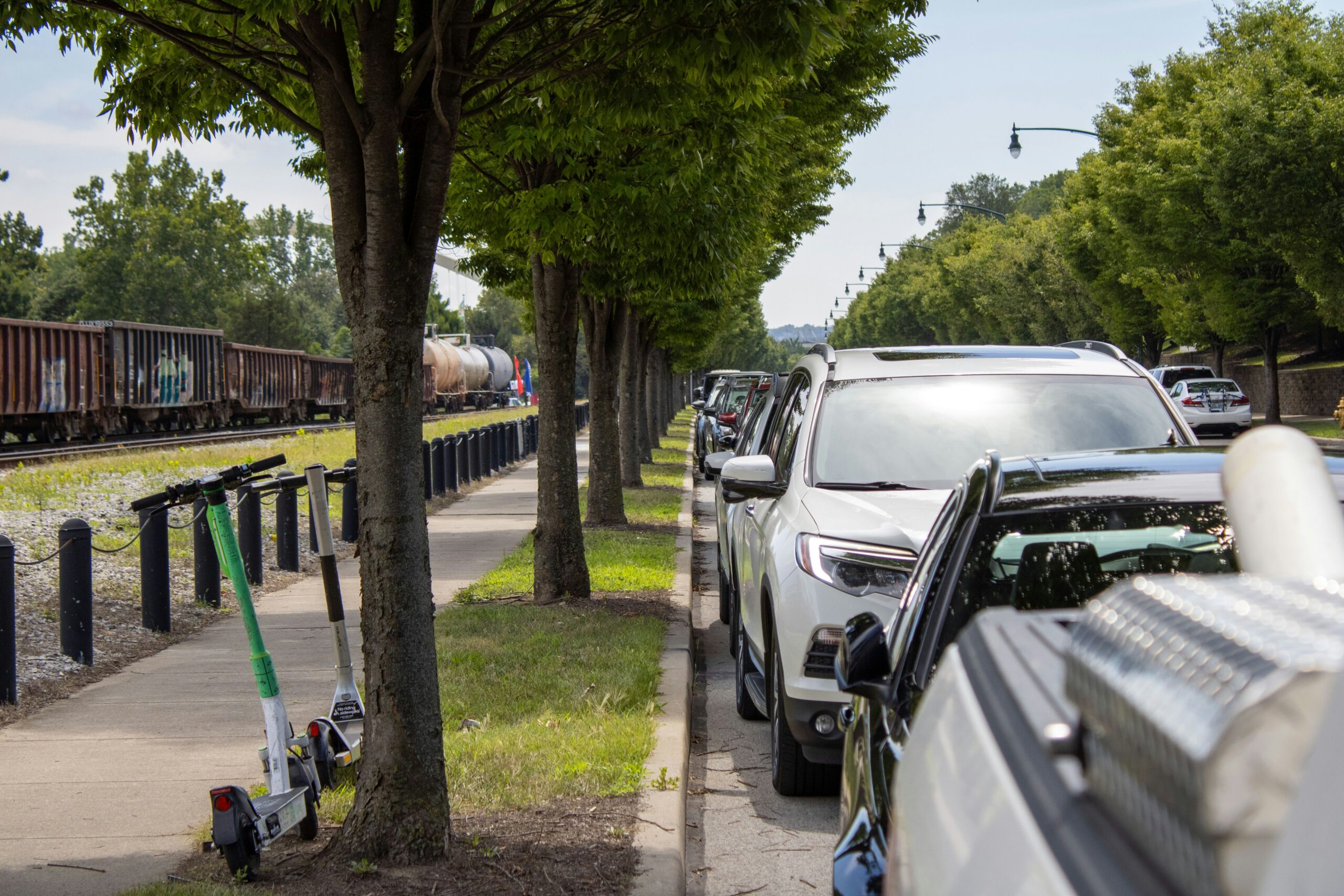
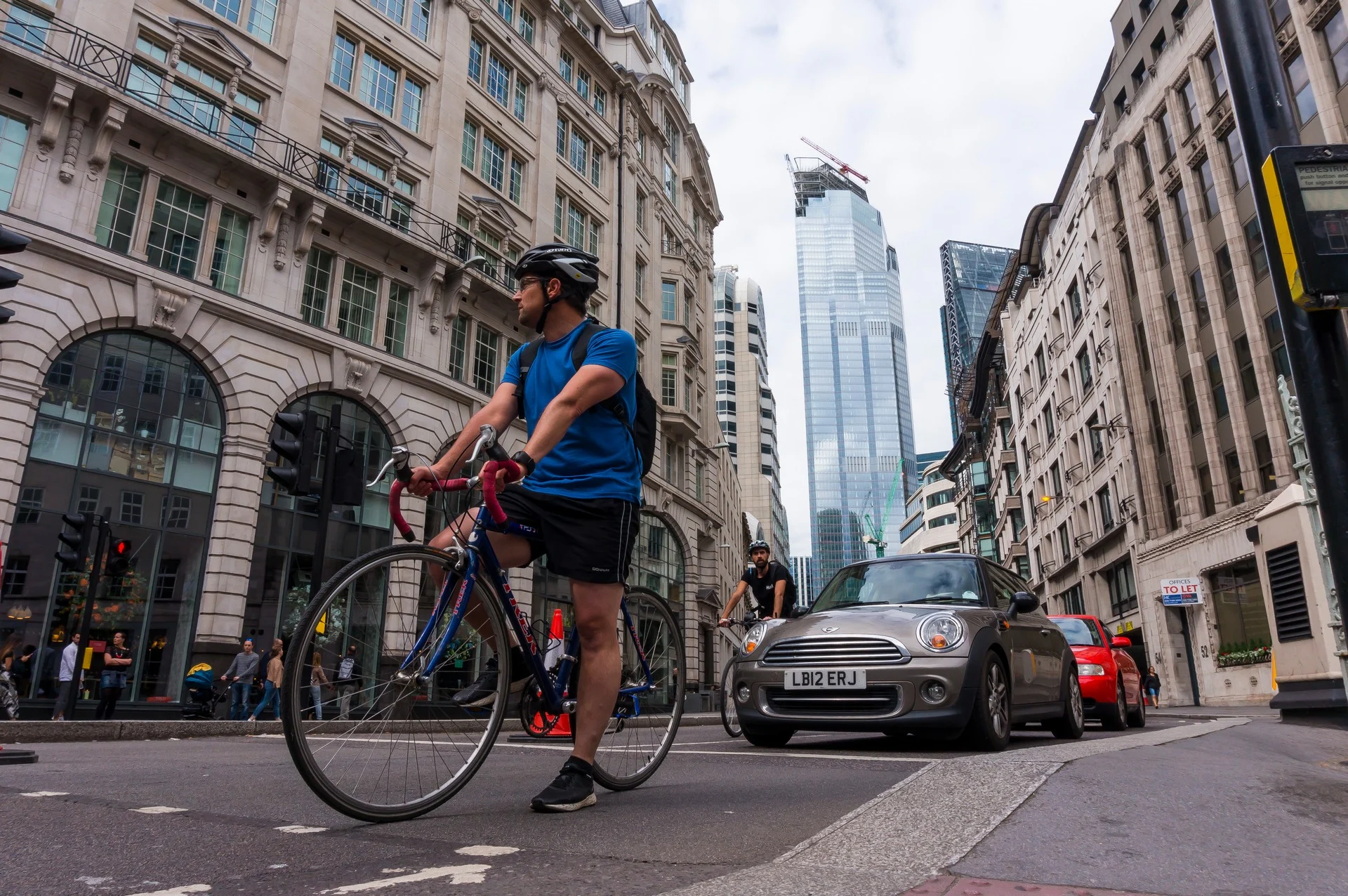
The situation in China is different because its autonomous vehicles are designed to navigate the chaotic urban environments of its cities. Electric scooters on the streets, cyclists, and pedestrians crossing in unauthorized areas are all considered by autonomous driving systems in Chinese cities. The vehicles are equipped with sensors, cameras, and vehicle-to-infrastructure communication systems to facilitate autonomous driving. However, problems have also occurred, such as a network failure in the city of Wuhan that left 100 robotaxis stranded on the streets, bringing traffic in the city to a standstill.
Lack of unified regulatory frameworks
There are no common regulations governing the conflicts arising from the use of autonomous vehicles. There is a legal vacuum regarding criminal or civil liability when a traffic violation is committed or a pedestrian is struck, as there is no agreement on whether responsibility lies with the software manufacturer, the vehicle owner, or the operator. However, international regulations such as the world’s first regulatory framework approved by the UN require that responsibility in the event of an accident be clearly defined.
High economic costs
The economic costs involved in maintaining the equipment required by autonomous vehicles and the necessary urban infrastructure are another barrier to the deployment of these vehicles in cities and the development of autonomous public transportation.
What is still needed for their deployment
The widespread adoption of autonomous vehicles will depend on progress in several areas: systems capable of responding safely to unexpected situations, connected urban infrastructure, regulations that clearly define responsibilities, and financing models capable of covering the costs. Until these conditions are developed in a coordinated manner, autonomous vehicles will remain concentrated in certain areas, as their deployment will be a gradual process that varies considerably across cities and countries.
Images | iStock/Irik Bikmukhametov, Tesla Motors, Waymo, iStock/Sundry Photography