



Table of Contents
Author | Elvira Esparza
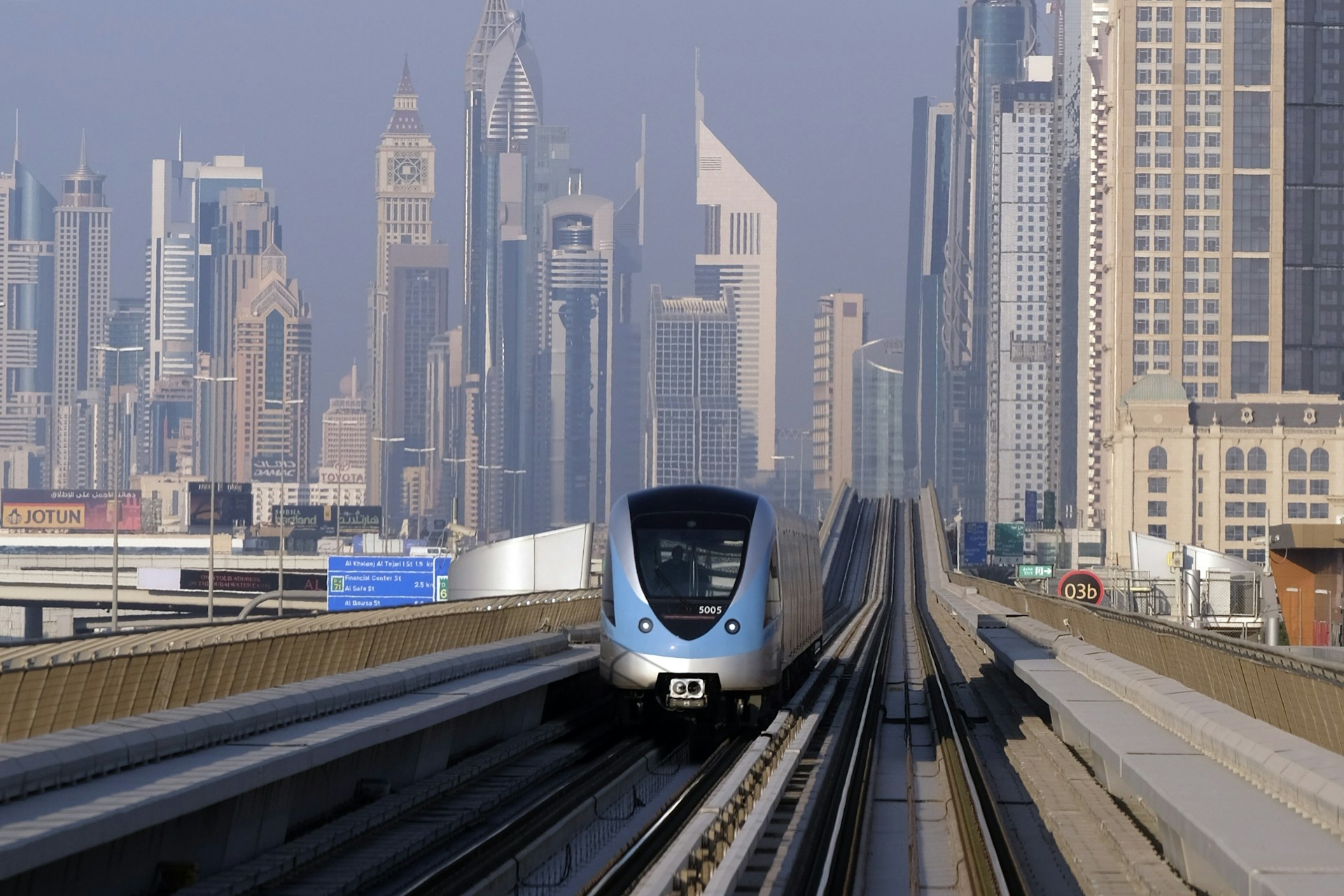
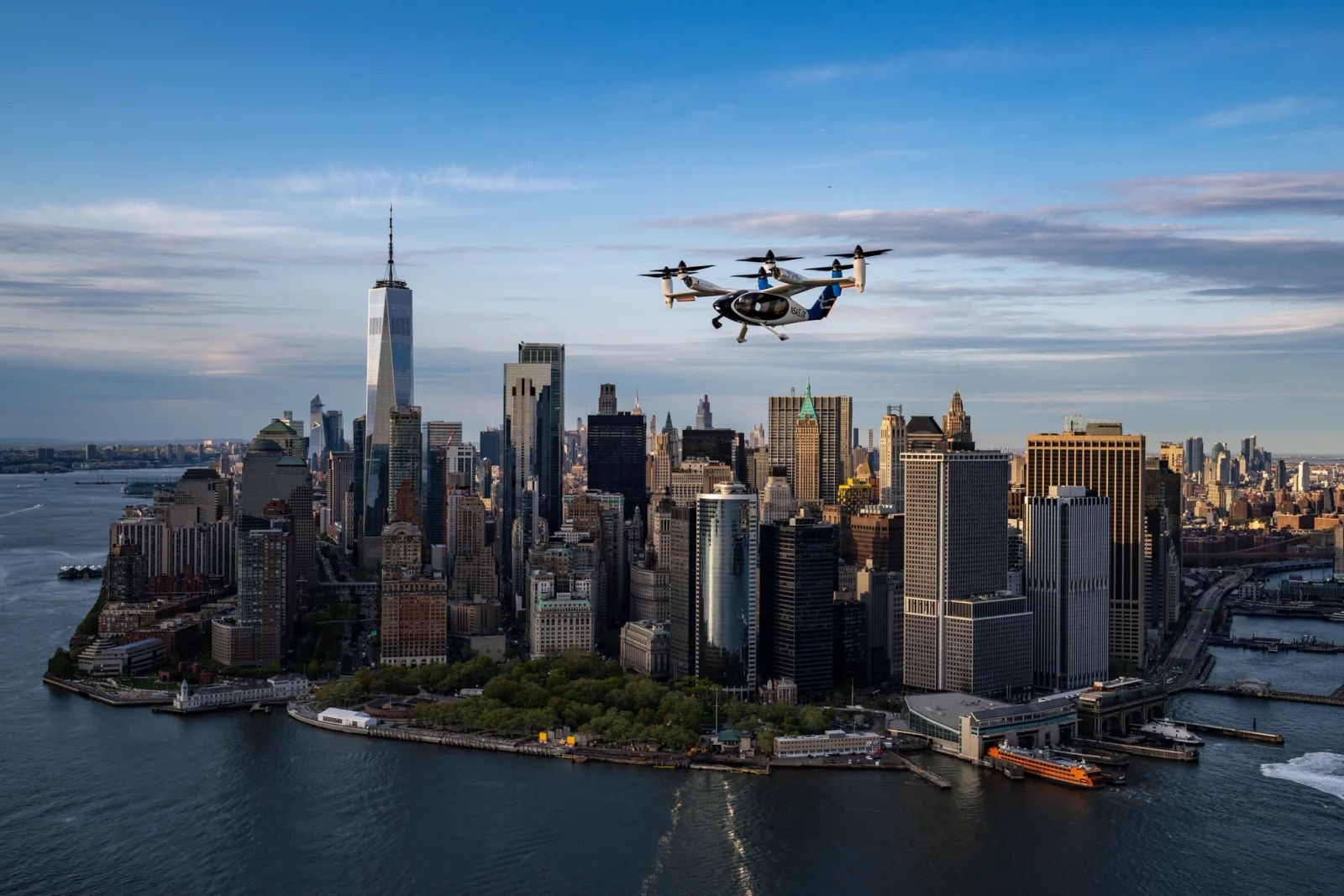
Manhattan has been chosen as the setting for the first test flights of an electric vertical takeoff and landing air taxi (eVTOL) in New York. Joby Aviation recently tested this new mode of transport, designed to dramatically cut travel time between JFK Airport and Manhattan. With this initiative, the United States joins a new form of transportation already in use in Dubai.
The goal of this new mode of transport is to turn one of the city’s longest journeys into one of its fastest. Through partnerships with Delta Air Lines and Uber, Joby Aviation is creating an integrated travel experience that combines ground and air transportation in one seamless journey.
What are electric eVTOL air taxis?
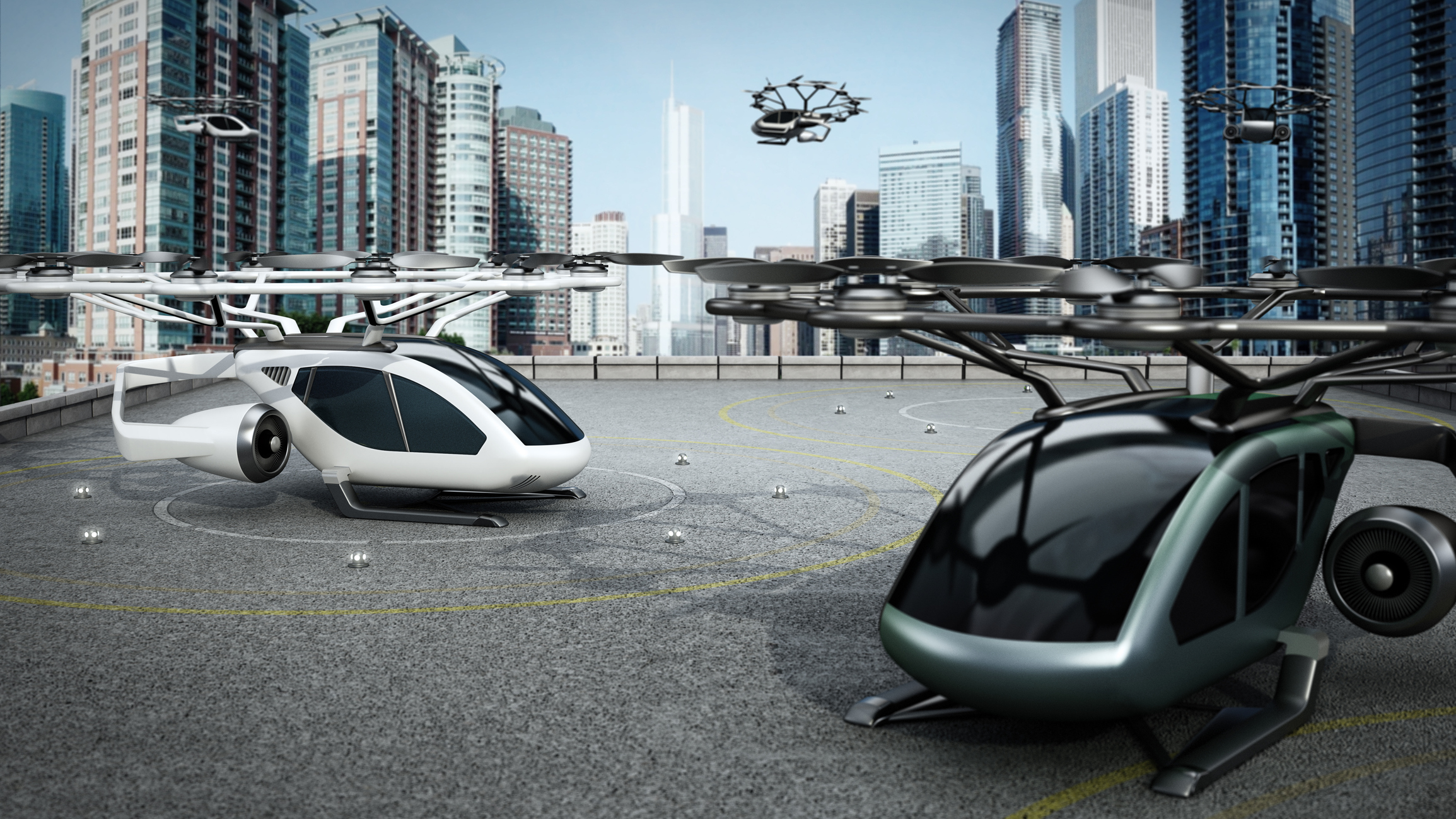
An eVTOL is an aircraft that resembles a hybrid between a drone and a helicopter. It is designed to take off vertically before tilting its propellers forward to begin flight. Thanks to this vertical takeoff and landing system, these aircraft do not require runways, only small urban spaces.
It features six propellers powered by independent electric motors mounted on the wings and tail, connected to separate battery systems. This setup replaces the single rotor of a helicopter and allows speeds of more than 320 km/h. These aircraft can carry up to five passengers, including the pilot.
What advantages do electric air taxis offer?
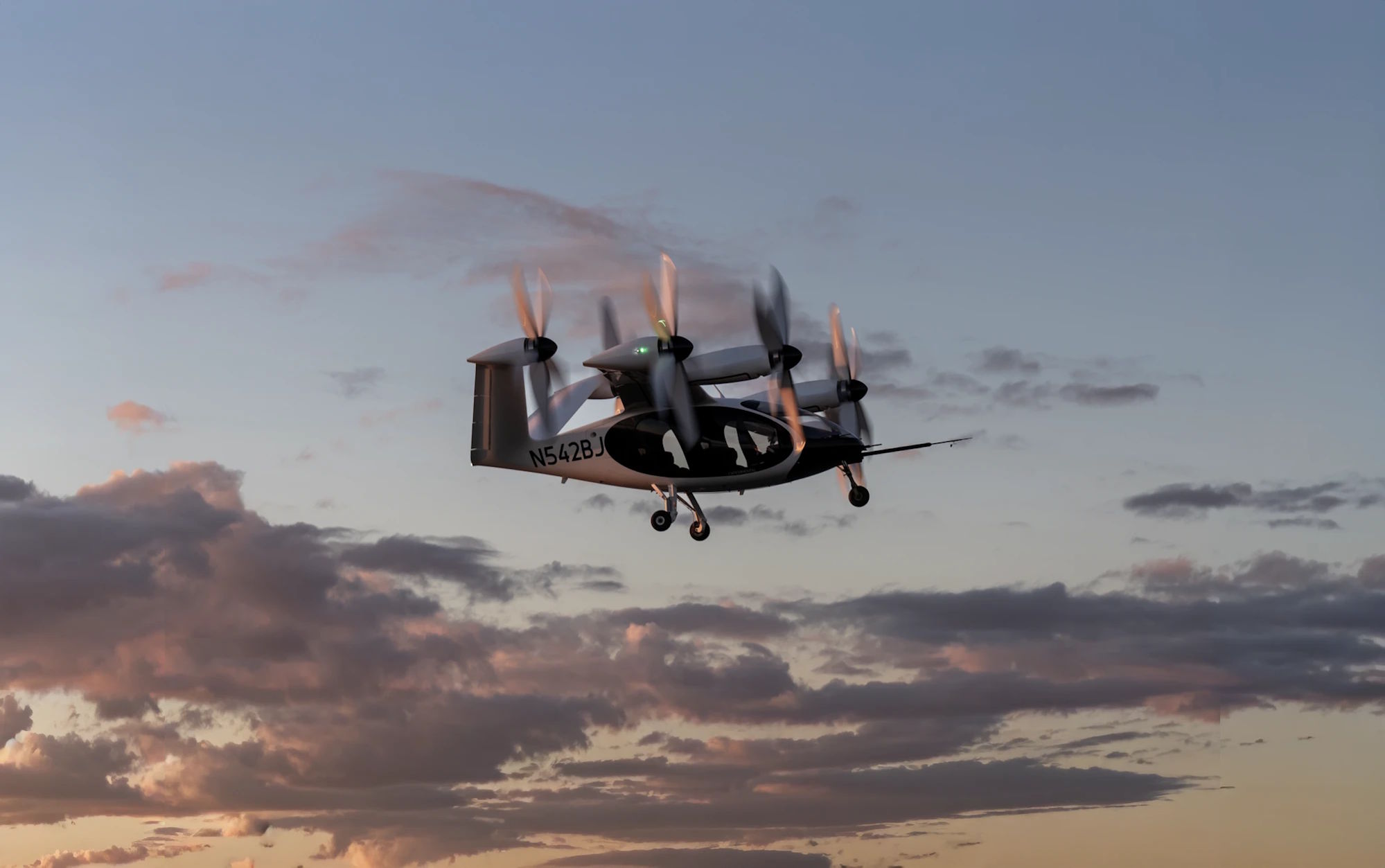
One of its main advantages is that they generate less noise than traditional helicopters. Given the high volume of helicopters flying over the city, noise pollution has become a significant issue for residents. However, with this vertical air taxi, noise levels are reduced to 45 decibels during flight, making it almost imperceptible in an urban environment. This low noise level is possible because the blades operate at lower rotation speeds.
Reduced travel time is another major advantage of this air taxi. It is estimated that the average traveler lost 102 hours in traffic congestion in New York in 2025. Now, with electric air taxis, the commute to JFK Airport, which can take between 60 and 120 minutes by car, is expected to be reduced to just a 7 minute flight.
It is a zero emission form of transportation, generating 90% fewer emissions than a helicopter and 40% fewer than the average car. In addition, because it is fully electric, it operates using four high density lithium ion polymer battery packs that can be recharged in less than 10 minutes between flights.
Ten days of testing in New York
The first test flights between Manhattan and JFK Airport were conducted in April using aircraft developed by Joby Aviation with the support of Toyota Motor, which has invested 894 million dollars to support production and electrification technology.
The test flight connected John F. Kennedy International Airport with Manhattan, landing at the Downtown Skyport and the West 30th Street and East 34th Street heliports. These flights demonstrated that air taxis can connect airports, vertiports and urban communities throughout the metropolitan area. Before the New York trials, Joby Aviation had already conducted test flights in the San Francisco Bay area.
The demonstration campaign forms part of the Federal Aviation Administration’s (FAA) eVTOL Integration Pilot Program, which aims to accelerate the introduction of air taxis into US airspace. Although Joby Aviation has not yet received full approval from the FAA to begin commercial operations, the company plans to start operating in the second half of the year in New York City, Texas and Florida.
What could slow the rollout of electric air taxis in New York?
Despite the clear advantages of this transportation system, the deployment of vertical air taxis faces several challenges, including the need to build vertiports equipped with the infrastructure required for rapid aircraft charging.
There are also concerns regarding the safety of these air taxis, although the aircraft developed by Joby Aviation has been specifically designed with redundant systems to improve safety. Nevertheless, the test flights conducted in several American cities have helped demonstrate to users that these vehicles are safe in all weather conditions.
Another drawback is the cost of the service. A flight between Manhattan and John F. Kennedy International Airport is estimated to cost between 150 dollars (€130) and 250 dollars (€215).
Images | Joby Aviation