



Table of Contents
Author | Raquel C. Pico
People have a close relationship with utilities. They are essential services that power everyday life. It is no longer just a matter of quality of life; the world as we know it depends entirely on electricity, other energy sources, and water. They are the backbone of modern cities. Efficient network management is essential, and smart meters make it achievable, driving greater efficiency through innovation.
Understanding smart meters and how they work
Smart meters are devices that monitor how people use essential resources. When integrated into utility networks, they enable real time monitoring of water and energy use, while also supporting faster response times and greater resilience.
Understanding smart meter technology
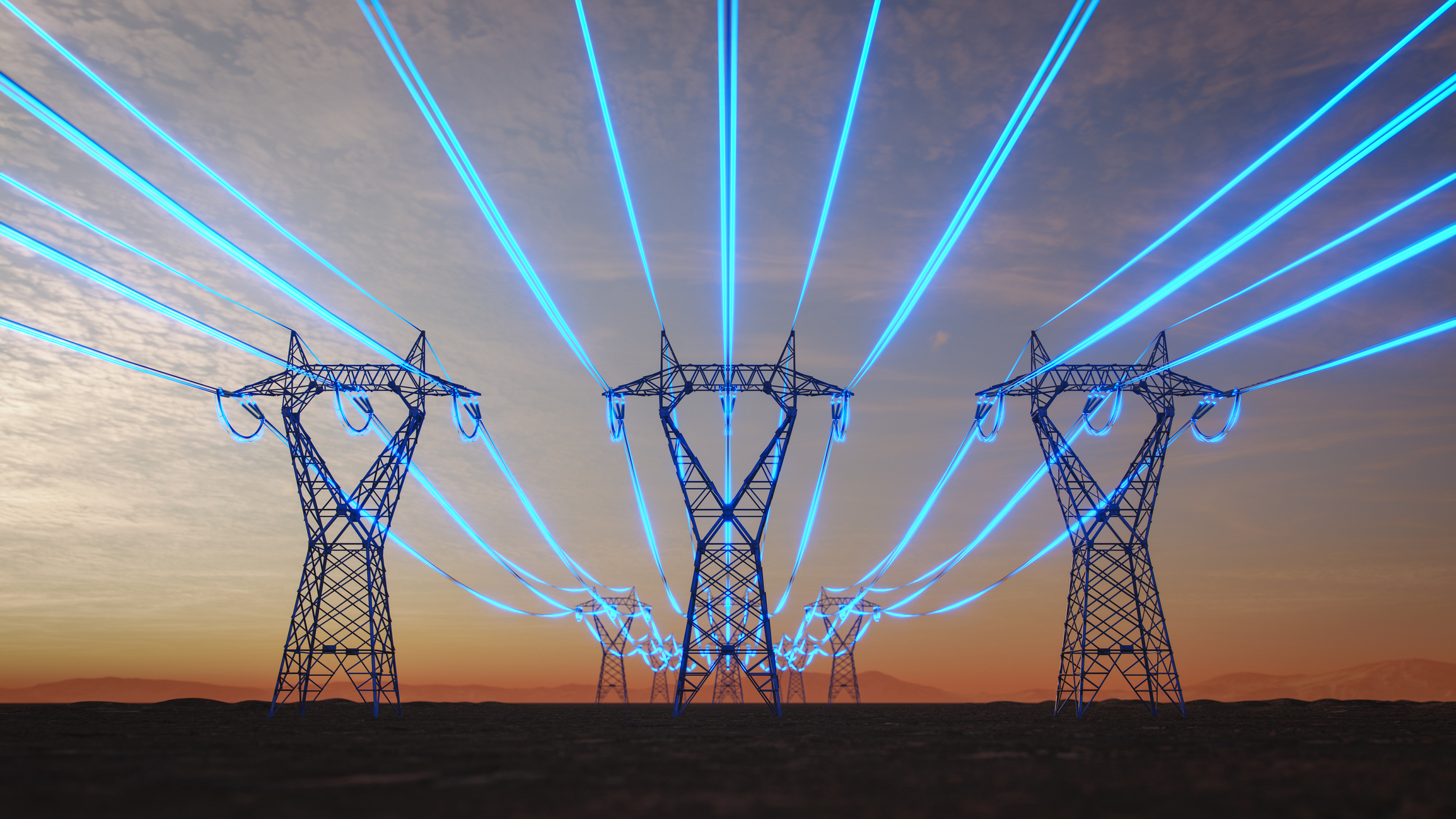
For a meter to function effectively, it must be integrated into a smart grid. In fact, utility companies have spent recent decades strengthening these intelligent networks, which enable data to be collected, flows to be managed using IT tools, and issues or complex situations to be detected in real time.
Smart meters track energy or water consumption much like traditional meters did, but their advanced capabilities allow for granular, real time data collection. They also include features that enhance service security at the endpoint (for example, electricity meters often have a built in power limiter) and enable issues to be resolved remotely.
The evolution from traditional meters to connected systems
In some early 20th century novels, characters do something that may seem unusual to modern readers. They have to insert coins into a device to access electricity. In their homes, they had coin operated alternating current meters, also known as prepayment meters, which are now museum pieces. With these, users paid in real time and could see exactly how much electricity they had consumed.
As essential services became widespread in homes, the need to track individual consumption also grew. Before the advent of smart meters, these devices evolved through several stages. The earliest were analog meters, which became more sophisticated over time but still required utility staff to read consumption manually. Digital meters followed, delivering more precise measurements and enabling time of use pricing.
Then came the shift to smart meters, which are far more advanced devices that even enable remote management.
Key benefits of smart meters
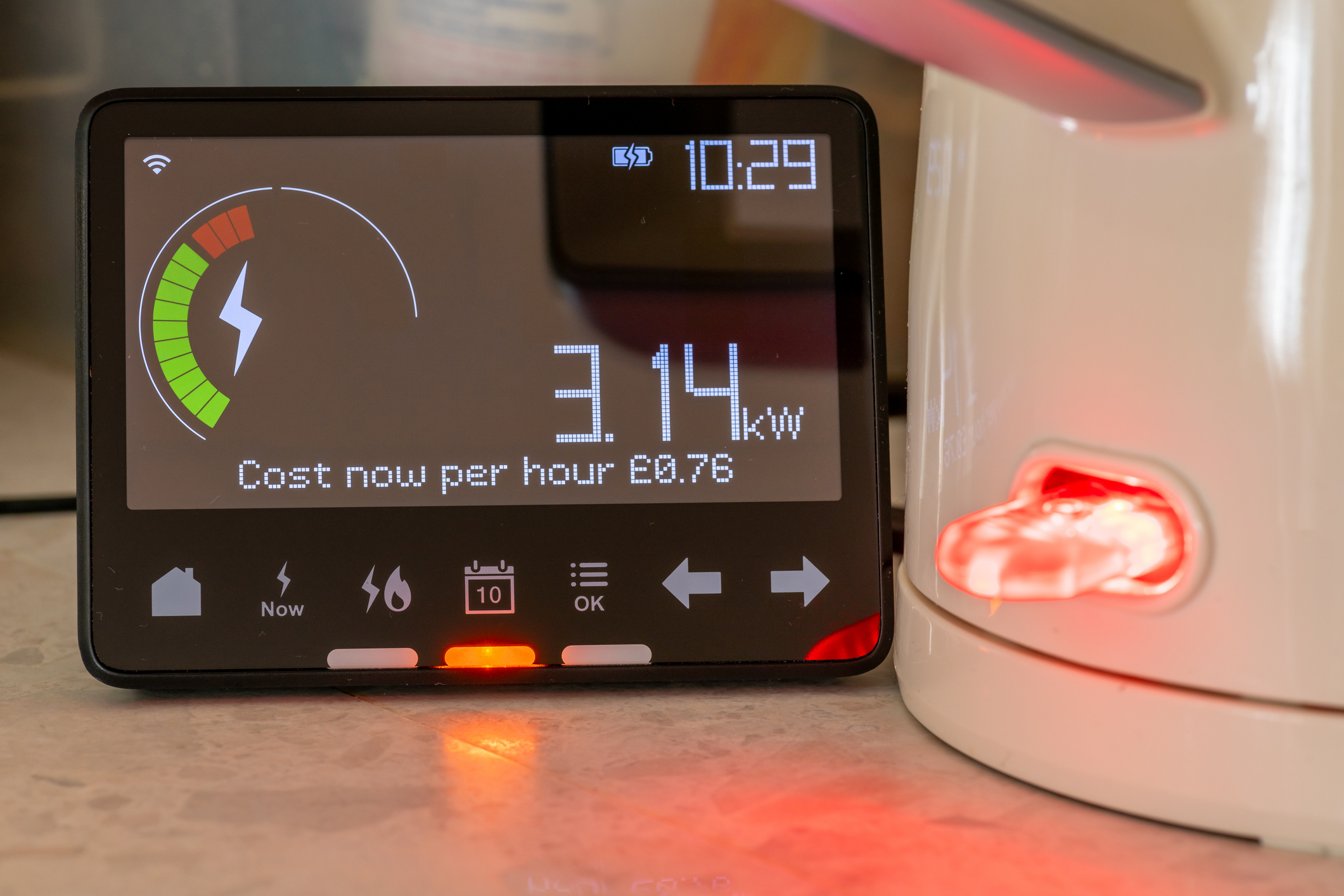
Real time monitoring and better insight into consumption
Smart meters send real time data to utility companies, removing the need for manual readings or in person inspections. They also make it easier to manage services, such as adjusting power levels or switching tariffs. All of which can be performed remotely.
More accurate billing and greater transparency
Smart meters also give consumers more control by allowing them to access their usage history almost instantly. Bills are based on actual consumption rather than estimates. Users can even see how much they have used each day.
Faster issue detection and improved network maintenance
Operating within a connected network where data is generated across all components makes it easier to identify and address issues. In many cases, problems can even be resolved remotely, without sending personnel on site. The result is a safer and more efficient system.
Improved data collection for smarter energy management
This, in turn, enables more efficient overall management of energy and utility networks. The data gathered by smart meters is more accurate and detailed, making it possible to draw better insights, gain a clearer understanding of system conditions, and make more informed decisions about network management.
Benefits for energy providers and other utilities
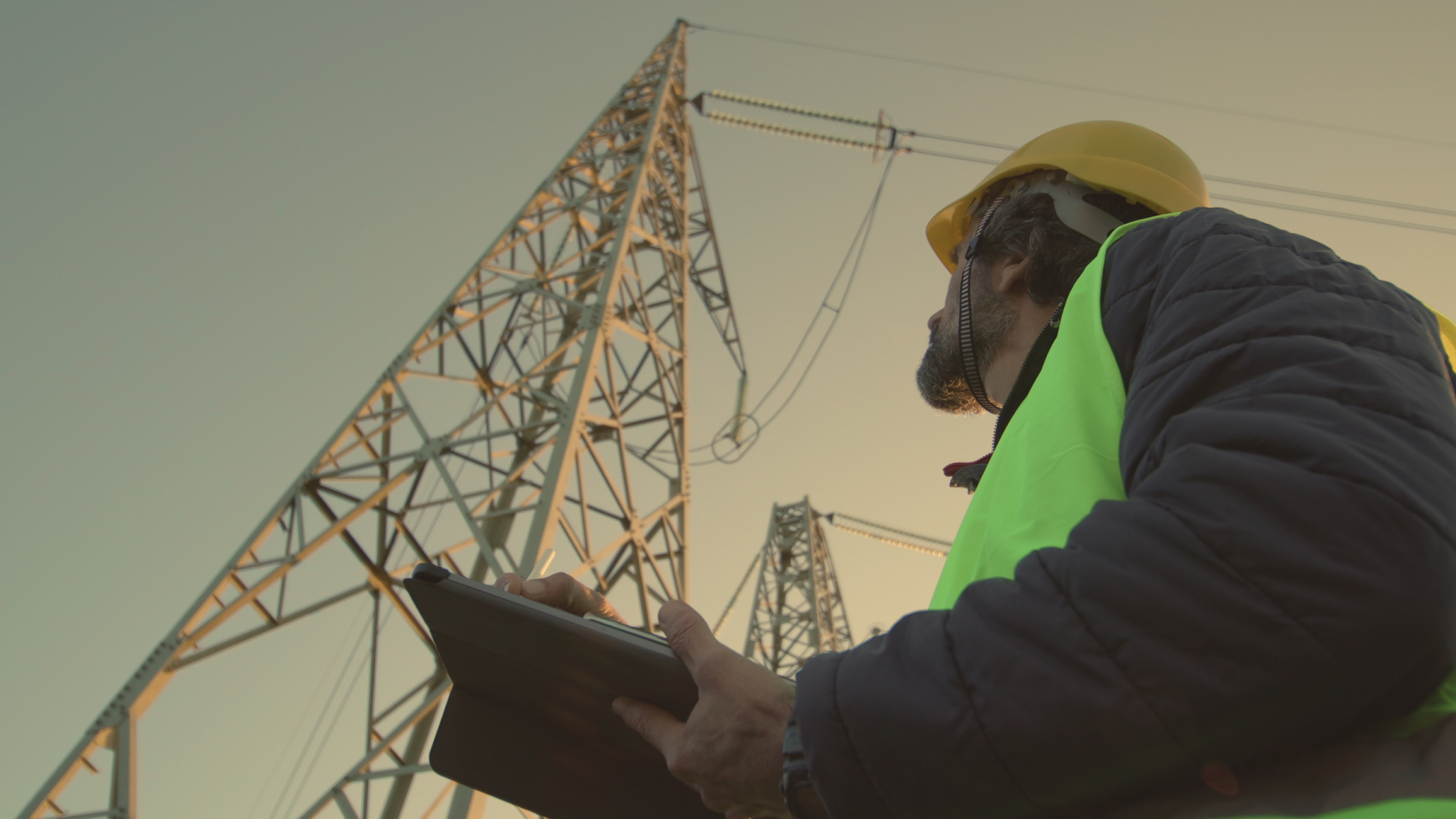
Network optimization and load balancing
A spike in network demand can have profound consequences, as seen in some markets where heavy use of air conditioning or heating has pushed power grids to the brink of collapse. Smart grids help prevent these issues. As a KPMG analysis on the digitalization of power networks highlights, advanced digital technologies enable much more efficient system monitoring.
Support for renewable energy integration and demand forecasting
These capabilities also help anticipate demand and adjust solutions accordingly. As noted in the same report, intermittent renewable sources such as solar and wind require different supply management approaches to maintain grid stability. Digitalization not only helps address this challenge, but also supports rising demand driven by the electrification of other sectors, such as transportation. With real time visibility, providers can better understand what is happening and where to focus their resources.
Cost reduction through automation
At the same time, smart meters streamline operations by automating tasks, enabling remote management, and speeding up response times, all of which help reduce costs.
Smart meters and sustainable development
Reducing emissions through data driven efficiency
Smart meters help support more sustainable behaviors. Thanks to their granular data collection, they reduce the environmental impact of consumption. For example, an analysis of the positive sustainability impact of natural gas smart meters shows that they can lower consumption intensity by enabling self-management based on actual needs or through daily usage differentiation. They also eliminate the emissions associated with operating traditional meters.
Contribution to more resilient and circular urban systems.
This, in turn, has a positive impact on cities. Smart networks help direct resources where they are needed most, reduce the impact of demand spikes, and improve how quickly issues are addressed. All of this makes urban energy systems more resilient.
Challenges of smart meters
Data security, interoperability, and end user acceptance
One of the main potential challenges is cybersecurity. As systems become more digital and connected, they also become more attractive targets for attacks. Smart grids and smart meters must therefore be robust, secure, and prepared to handle these risks. They must also address privacy concerns (not only due to regulations in regions such as the European Union, but also because these concerns can affect end user acceptance) and meet interoperability requirements. If data remains in closed systems, many of the potential benefits will be lost.
Investment in infrastructure and scalability
Another major challenge is cost. Transitioning to a smart network requires upgrading infrastructure and replacing a large number of the meters installed in homes. This can act as a barrier. It is also important to account for the growing volume and variety of data over time: networks must be prepared to handle this increase without being overwhelmed. They need to be scalable.
The future of smart meters
Although the digitalization of networks is already a significant step forward, it is only the beginning of a broader transformation. The future of networks and smart meters lies in the integration of artificial intelligence, which will enable even greater optimization. This is where Tomorrow.City plays a key role, serving as a gateway to understanding these advances and their potential positive impact.
Photo | imaginima/iStock, Yau Ming Low/iStock, Daniel Balakov/iStock