



Table of Contents
Author | Lucía Burbano
What are smart utilities?
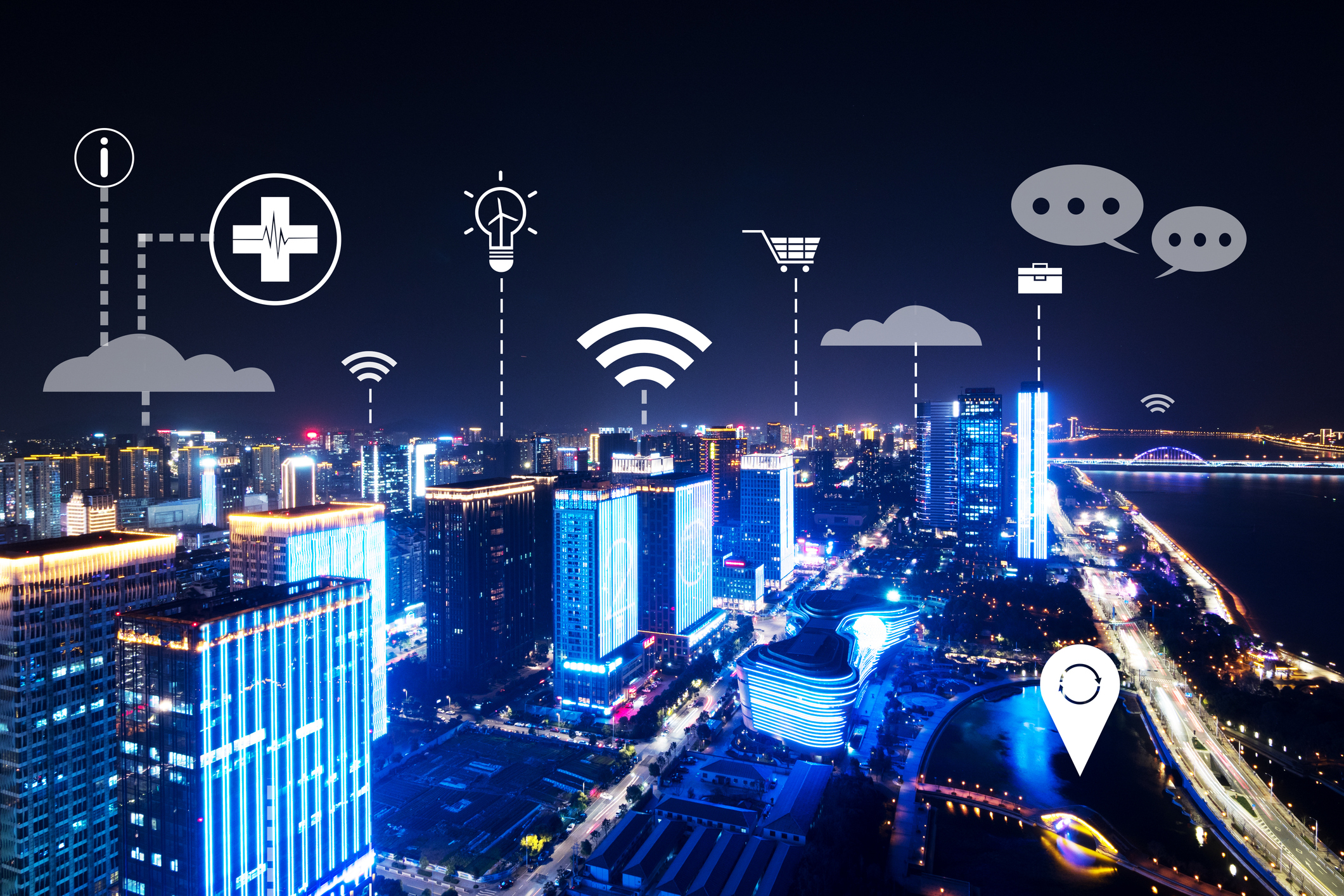
Smart utilities are the digital transformation of essential service networks such as electricity, water, gas, district heating, and waste into data driven, automated, and adaptable systems.
Definition of the concept: from traditional networks to smart systems
Historically, public utility systems were designed for one-way supply and centralized control, leading to inefficient asset utilization.
By contrast, smart utilities integrate sensors, advanced analytics, and automation to create self-monitoring and self-optimizing networks capable of real-time system oversight, predictive analysis, and dynamic two-way communication between public services and customers.
Why are smart utilities essential for sustainable urban growth?
They enable cities to manage limited resources efficiently, resiliently, and with low carbon impact through measures such as real time monitoring of consumption, demand optimization through dynamic pricing, and waste reduction along with improved energy efficiency. This system is supported by organizations such as the International Energy Agency, which promotes its development.
Key areas of smart utilities management
Smart grids and renewable energy integration
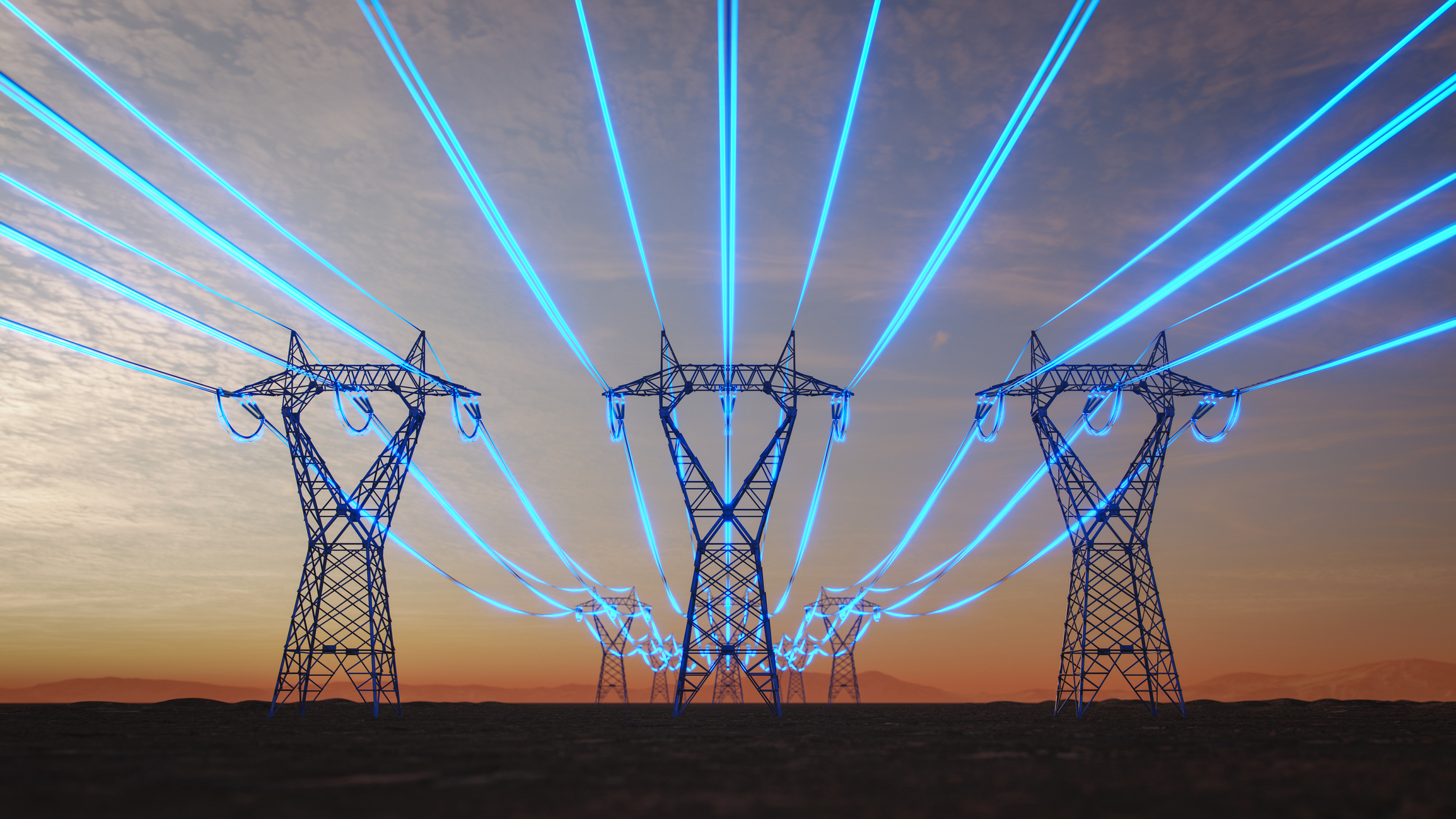
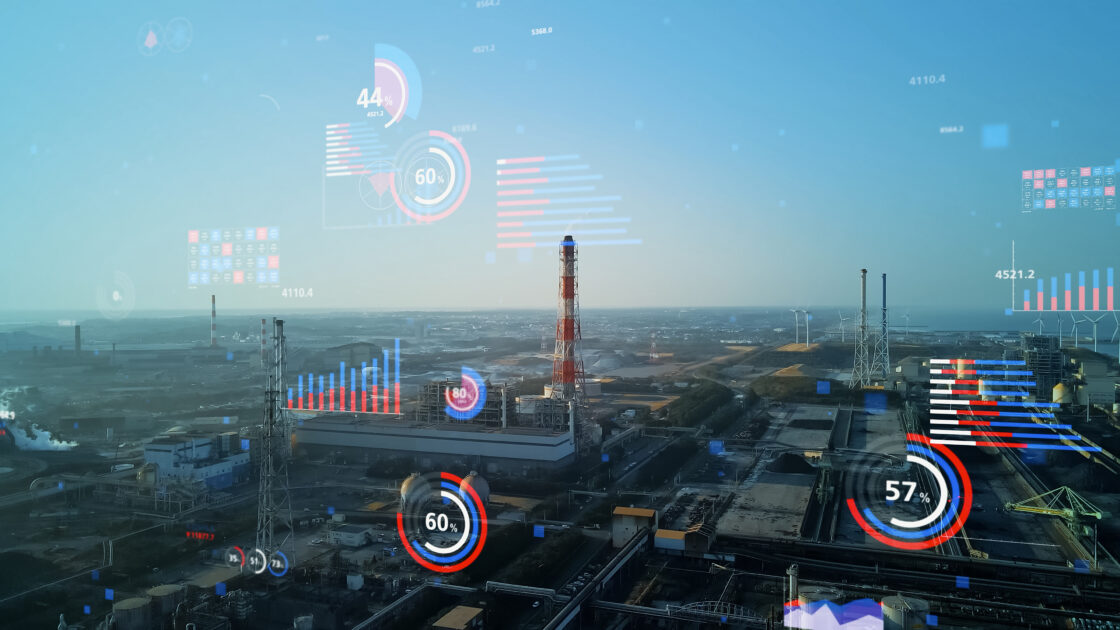
Smart grids form the core of modern electricity system management, transforming the traditional grid into a digital, flexible, and bidirectional infrastructure capable of integrating large volumes of renewable energy while maintaining system stability and quality of supply.
Smart water distribution and leak detection
Smart water distribution leverages sensors, communication technologies, and data analytics to monitor, manage, and optimize supply networks, reducing losses, enhancing operational efficiency, and supporting long-term sustainability. It is one of the most widespread IoT applications due to its ability to improve efficiency in cities with both new and aging water infrastructure.
A recent report on urban water treatment indicates that in many cities around the world between 25% and 50% of treated drinking water never reaches end users due to leaks, breaks, and measurement inaccuracies within the network.
Smart waste management systems and circular economy
Smart waste management combines digital technologies, data analytics, and automation to reduce the volume sent to landfills and support the transition to a circular economy model, where materials are reused, recycled, or recovered as resources.
Digital monitoring of urban infrastructure
The deployment of sensors, communication systems, and advanced analytics enables real-time monitoring of the condition, performance, and risk profile of a city’s critical assets, supporting predictive management strategies that enhance safety, operational efficiency, and overall urban resilience.
The technology behind smart utilities
IoT sensors and real time data analytics
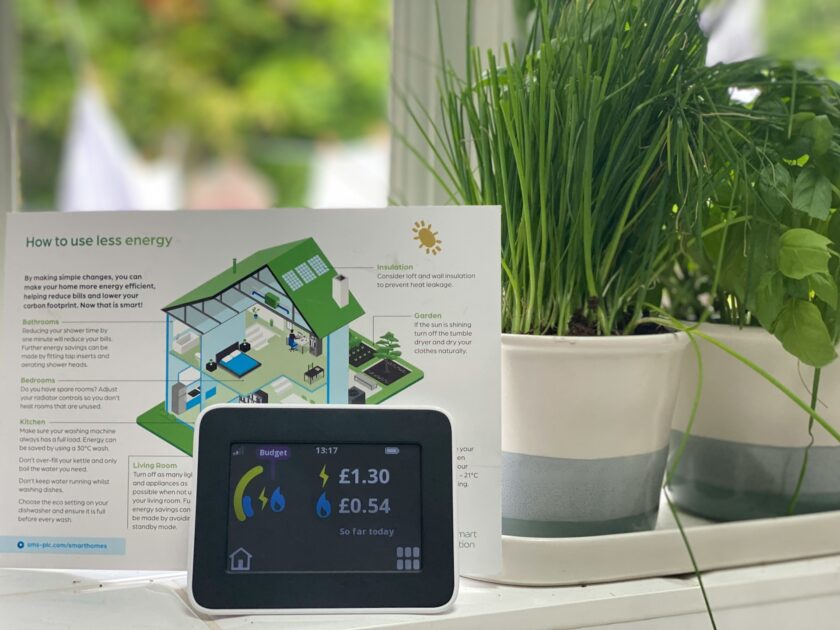
The Internet of Things is the layer that captures, through sensors, energy related values such as voltage, current, frequency, and quality of supply, as well as water related parameters such as pressure, flow, and quality.
Artificial intelligence for predictive maintenance
AI and machine learning enable the anticipation of failures, replacing corrective or scheduled maintenance with more proactive approaches.
Cloud platforms and digital twins for infrastructure control
The cloud enables centralized operations and advanced analytics without significant investment in local hardware. Meanwhile, digital twins support the simulation of electrical or water network behavior, scenario evaluation, and risk management.
Advantages of implementing smart urban utility systems
Efficiency, cost savings, and lower environmental impact
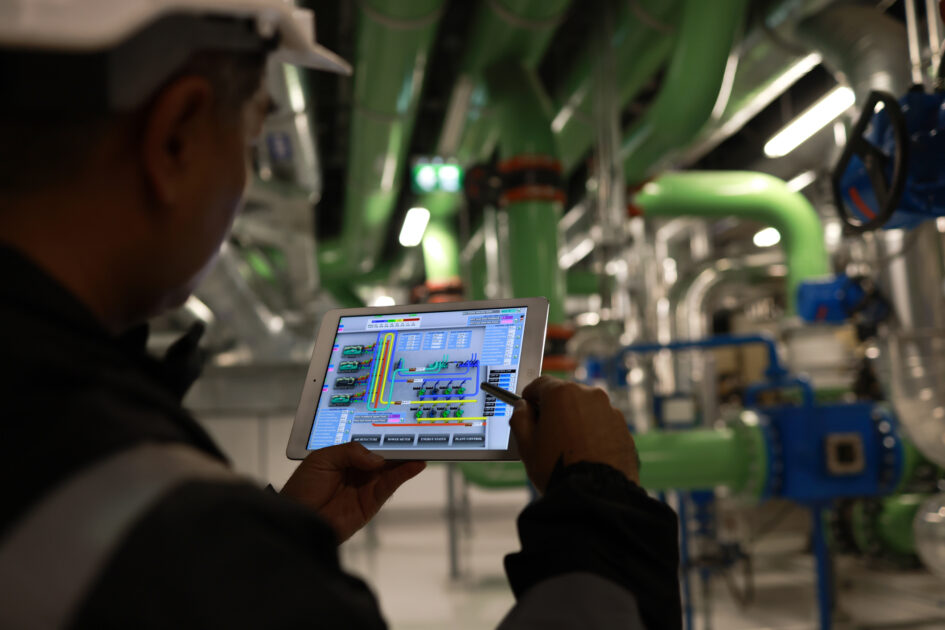
Real time monitoring enables the early detection of failures and anomalies before they escalate into significant issues, facilitates the integration of renewable energy and distributed storage, and reduces environmental impact.
Greater transparency and citizen participation
The use of smart meters and applications allows users to monitor consumption and costs. This system also encourages saving and recycling through dynamic pricing and Pay-As-You-Throw systems.
Challenges and barriers to the adoption of smart utilities
Data privacy, interoperability, and cybersecurity
Smart systems generate large volumes of information on energy consumption, water and waste usage patterns, asset locations, and even citizen habits, requiring data protection policies and clear governance.
In this context, cybersecurity is essential, as these are critical infrastructures such as electricity, water, and gas networks.
With regard to interoperability, smart solutions often involve multiple providers and technologies, which can lead to incompatibilities and make system integration and data exchange more complex.
Investment gaps and modernization of legacy infrastructure
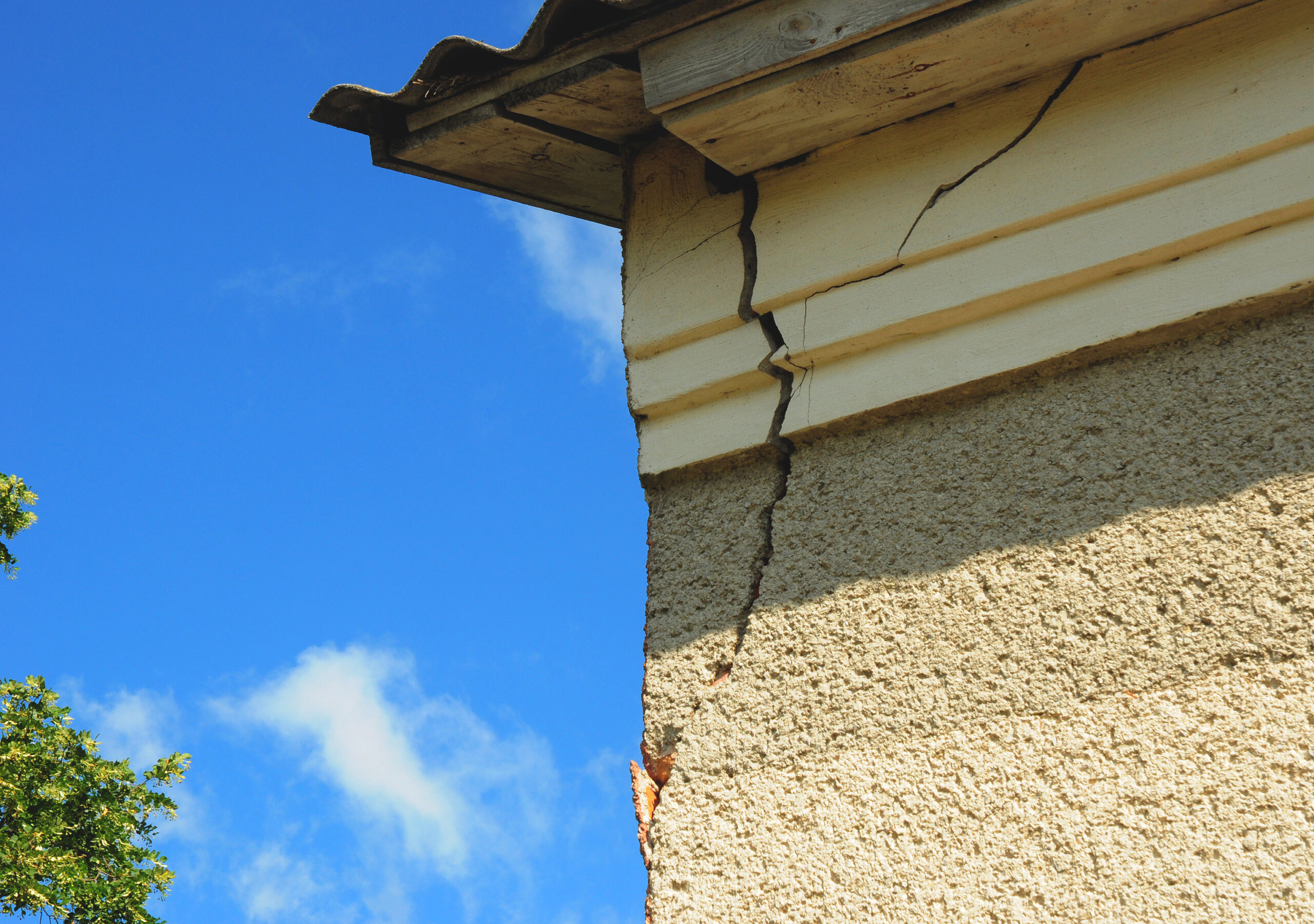
Many cities rely on networks built decades ago that were not designed to support today’s connectivity and digitalization requirements and upgrading them requires significant capital investment.
The future of smart utilities in cities
Integration of renewable energy, artificial intelligence, and citizen participation
The cities of the future will rely on distributed renewable energy generation. Microgrids and prosumers, users who generate, store, and sell energy back to the grid, will help balance supply and demand. Meanwhile, AI will enable public systems to become more predictive and autonomous.
The role of Tomorrow.City in advancing smart utilities in urban services
As a global urban innovation platform that accelerates the transformation of public services and city management toward smarter, more sustainable, and more inclusive models, Tomorrow.City organizes its channels around strategic topics directly linked to the evolution of smart utilities in urban services.
Photographs | Unsplash/Nick Fewings, Unsplash/Siân Wynn-Jones, metamorworks/iStock, Narai Chal/iStock