Table of Contents
Author | Elvira Esparza
Although still relatively scarce, V2H vehicles are becoming increasingly common in cities and on roads; these electric vehicles feature bidirectional charging, allowing them to transfer the energy stored in their batteries to a household. This energy can be used as a backup during power outages in homes or to disconnect from the grid during periods of high electricity costs.
If the number of cars equipped with bidirectional charging increases in the future, this capacity could help reduce the carbon footprint associated with energy production and contribute to a more stable power grid during catastrophes.
What is bidirectional charging?
Bidirectional charging means that a vehicle’s battery can be charged for use and also transfer energy for other applications. Compared to regular chargers, which use alternating current (AC) converted to direct current (DC) to charge the vehicle’s battery, bidirectional chargers can convert the direct energy stored in the car’s battery back into alternating energy for use in the home.
While its use may initially seem straightforward, bidirectional charging is a complex technology requiring several components: an electric vehicle capable of this type of charging, energy management software to oversee the process, a bidirectional charger, a communication link connecting the charger, the vehicle, and the EV charging management platform; an energy measurement system, a mechanism to disconnect the home’s circuit breakers from the power grid when receiving energy from the vehicle, and a connection between the charger and the home’s electrical panel.
What is the difference between V2G and V2H?
Bidirectional charging can be broken down into different types, based on where they transfer the energy:
- V2G (vehicle-to-grid): Transfers the energy stored in the battery to the power grid during peak demand, helping to stabilize the grid.
- V2H (vehicle to home): Allows the energy to be downloaded from the battery to the home. These batteries can be used as a backup power source during outages.
- V2L (vehicle to load): Can power electrical appliances or devices while traveling.
- V2V (vehicle to vehicle): Allows an electric car to pass energy to another.
The main difference between V2G and V2H is that the former transfers energy to the grid, while the latter uses it for the home.
What are the benefits of V2H charging?

The main benefit is having electricity during an outage, using the energy stored in the electric vehicle to meet the home’s needs. A typical electric car battery with around 60 kWh of electricity can power a household for up to two days.
It also allows for savings on energy costs, as the vehicle can be charged during periods of low activity at home or when energy rates are lower, and then used during the day when electricity is more expensive. The study, Quantifying the societal benefits of electric vehicles indicates that an electric car equipped with bidirectional chargers can generate up to $413 annually.
Which electric vehicles are equipped with V2H charging technology?
Although only a few electric vehicles are currently equipped with bidirectional charging, some brands have begun launching models with this capability. This list includes the most representative and gives a brief idea of the market:
- Ford F-150 Lightning: This is the electric version of the F-150 pickup truck launched in 2021 that can meet the electric needs of a home for various days during an emergency. It has a capacity of 98 kWh to 131 kWh and a driving range of 370-515 km.
- Nissan LEAF: Launched in 2010 as the first mass-produced electric vehicle, it remains one of the most popular models featuring bidirectional charging. It has a battery capacity of 40 kWh or 62 kWh and a driving range of 240 to 364 km. Its price varies depending on the model, but it is around $57,000.
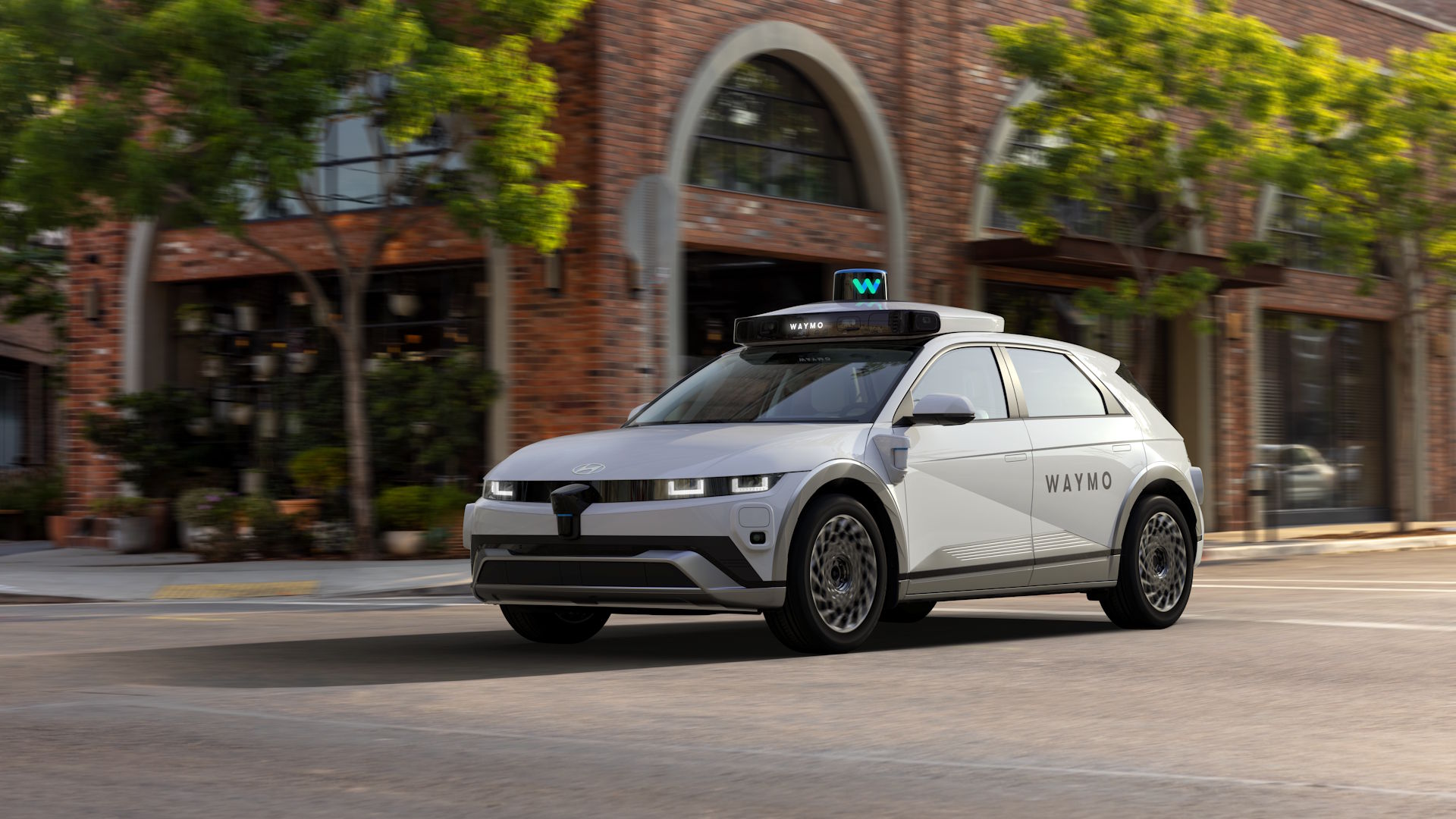
- Hyundai Ioniq 5: This compact crossover features a modern design and advanced technology that supports rapid and V2L bidirectional charging. It was launched in 2022 with a battery capacity of 58 kWh to 77 kWh and a driving range of 354 to 482 km.
- KIA EV6: KIA’s electric vehicle crossover launched in 2022, shares the same platform as the Hyundai Ioniq 5 and has V2G and V2L charging capabilities. It has a capacity of 58 kWh to 77 kWh and a driving range of 370 to 500 km.
- Mitsubishi Outlander V2H PHEV: This is a plugin hybrid with bidirectional charging technology, a battery capacity of 13.9 kWh and a driving range of 54 km.
- Chevrolet Silverado: This is an electric pickup truck launched in 2023, equipped with V2H charging technology, a fast charging capability of 800 V and a driving range of 640 km.
Images | Nissan, Ford