



Table of Contents
Author | Jaime Ramos
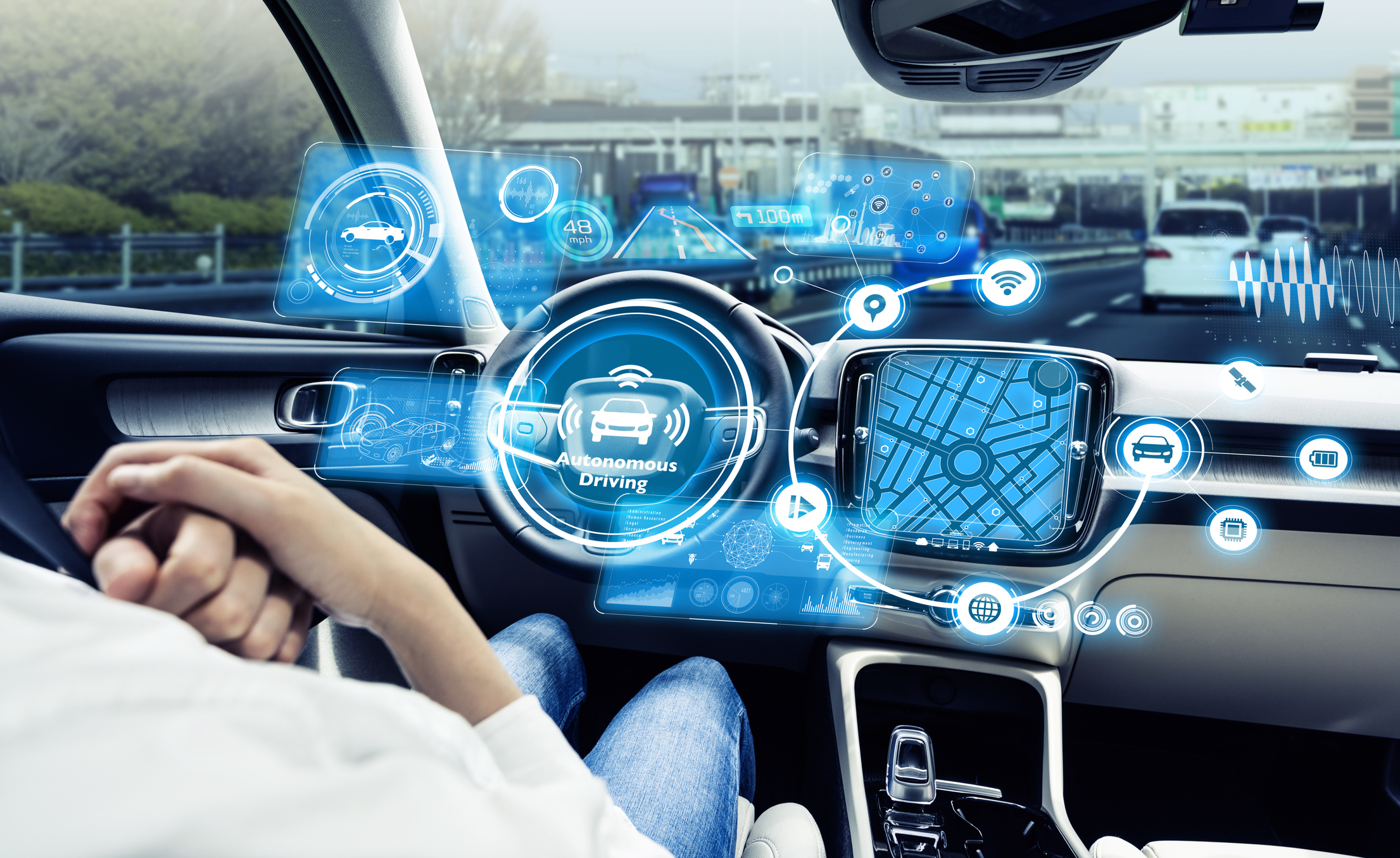
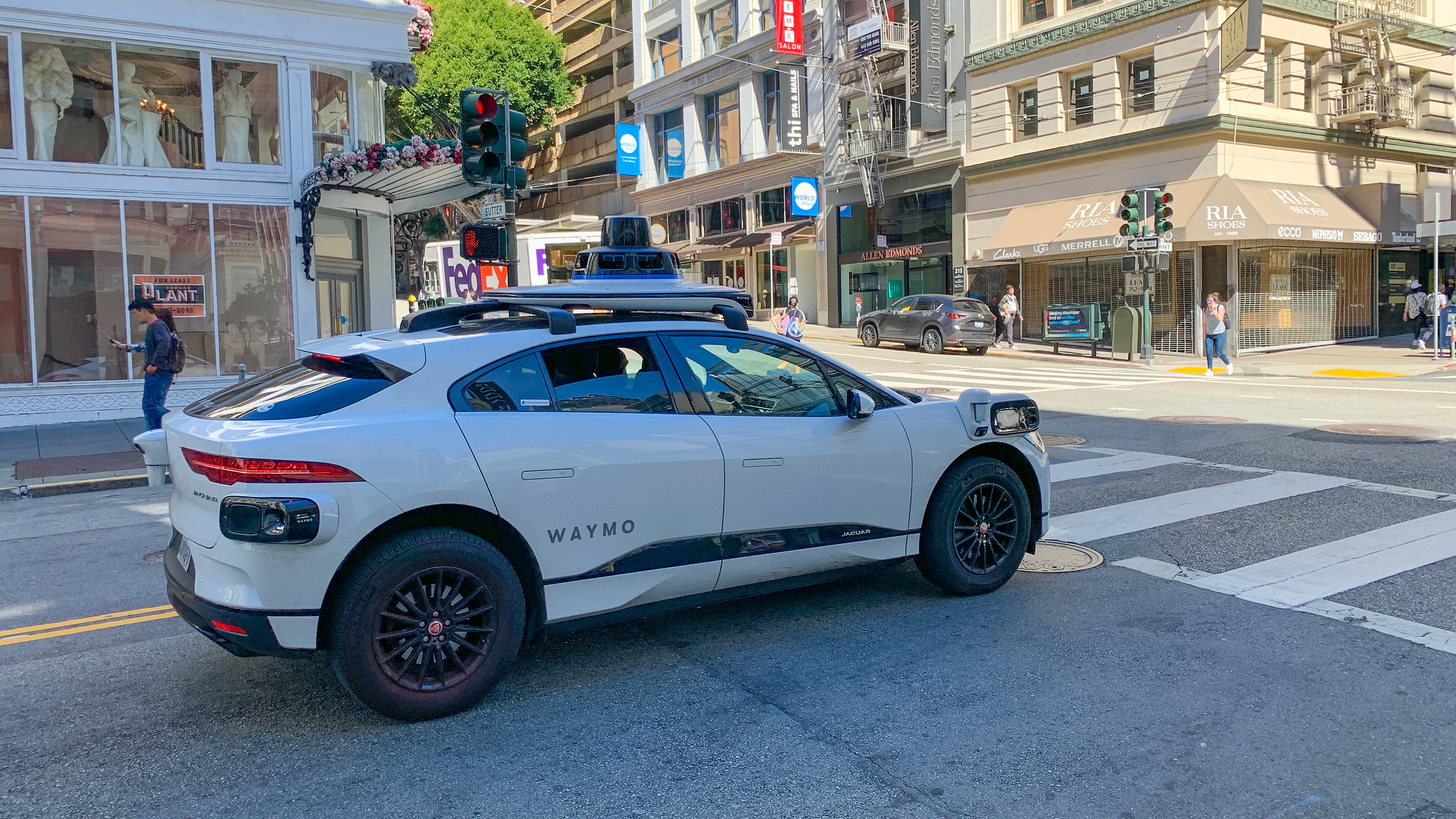
Cars don’t drive themselves, yet. However, we are currently in the midst of a historic period in which we are closer to the reality of self-driving cars. The six levels of autonomous driving help us understand how far we have come, how far we still have to go and, above all, how to distinguish the various categories of driving assistance.
How do autonomous vehicles work?
The autonomous vehicle does not involve developing just one technology. It is the sum of innovations, each with their own challenges. Reaching the ultimate level also involves reaching maturity in terms of sensor technology, the deployment of communication infrastructures between the vehicle and the road, or in the application of Big Data and AI.
The autonomous driving levels explain how that narrative should be in terms of its challenges, but also with virtues from which we are already benefiting. This is the case of the ADAS advanced driver assistance systems that prevent deaths, in the hope that full autonomous driving keeps its promise of reducing accident rates to anecdotal levels. According to the EU, if 30% of vehicles were equipped with advanced assistance technologies, accidents would drop by 15%.
The 6 levels of autonomous driving
The 6 levels of autonomous driving are based on the J3016 scale designed by the SAE. The industry has been using this official classification system since 2014, which unifies criteria around its six stages.
Level 0: No driving automation
The vehicle possesses no automated driving features or ADAS assistance. The driving experience is entirely in the hands of the driver.
Level 1: Driver assistance
The lowest level of automation, the system incudes assistance systems seen in existing models: cruise control, assisted parking or lane keeping assistance. Some also add emergency braking systems. In some parts of the world vehicles include these features as standard, such as in the EU, where they are mandatory.
Level 2: Partial driving automation
In level 2 of autonomous driving, the intervention of the vehicle is intensified, performing various tasks at the same time.
The driver still has to hold the steering wheel, which is not the case in some models that incorporate "automatic pilots" (some Tesla models). Entities such as Euro NCAP warned of how dangerously confusing the hype is.
Level 3: Conditional driving automation

This is a mature automation level, but supervised at all times by the driver, who can and should take control when necessary. This level is now a reality in the car sector. The Volvo EX90, for example, now includes the sensors and electronic management that this level requires.
Level 4: High driving automation
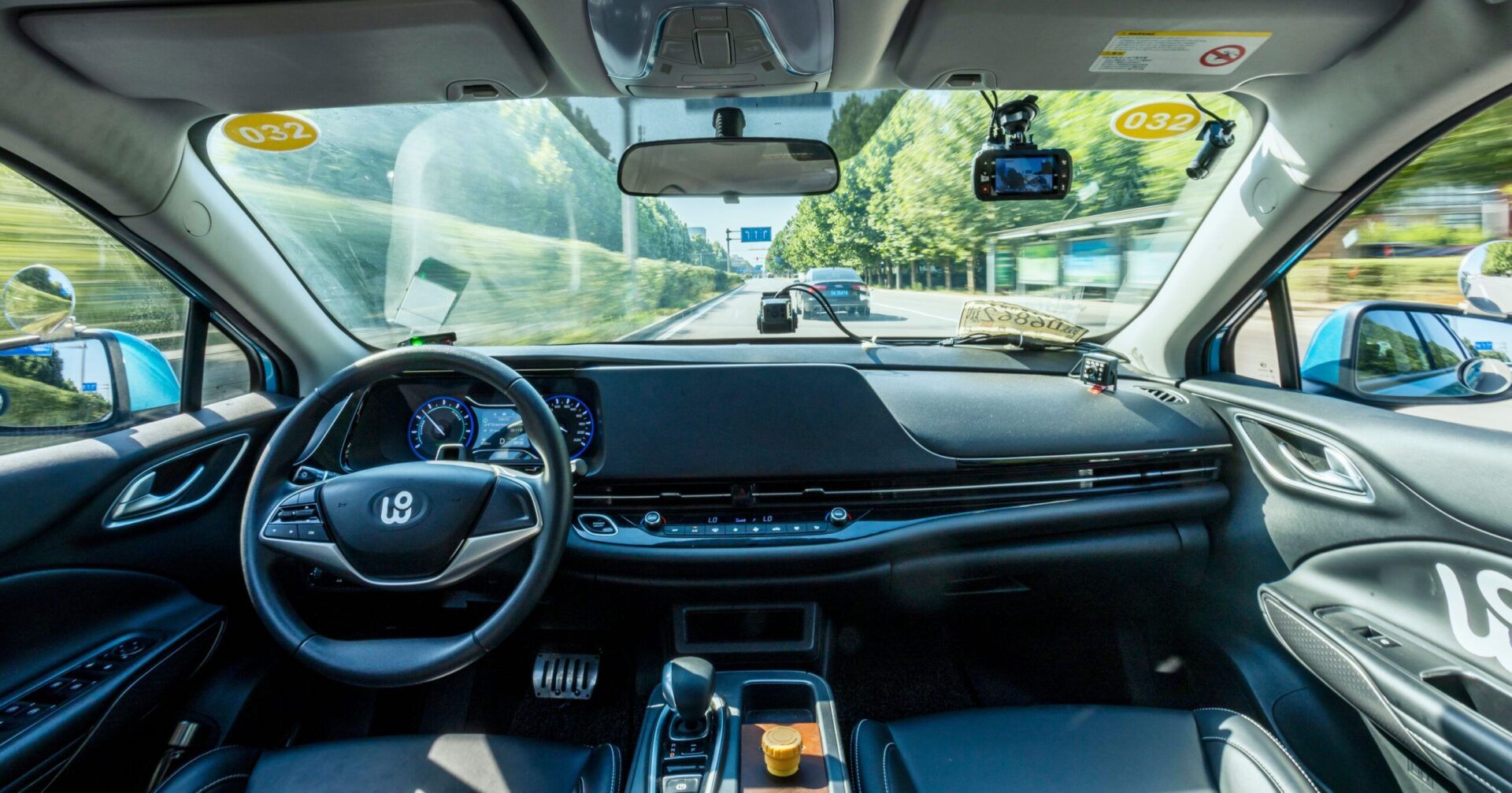
In this phase, if things go wrong, the vehicle does not require human interaction in some circumstances. It is capable of interacting in these circumstances totally by itself. If it requires human intervention, the vehicle will let the driver know and guarantee safety until the human takes control.
Level 5: Full driving automation
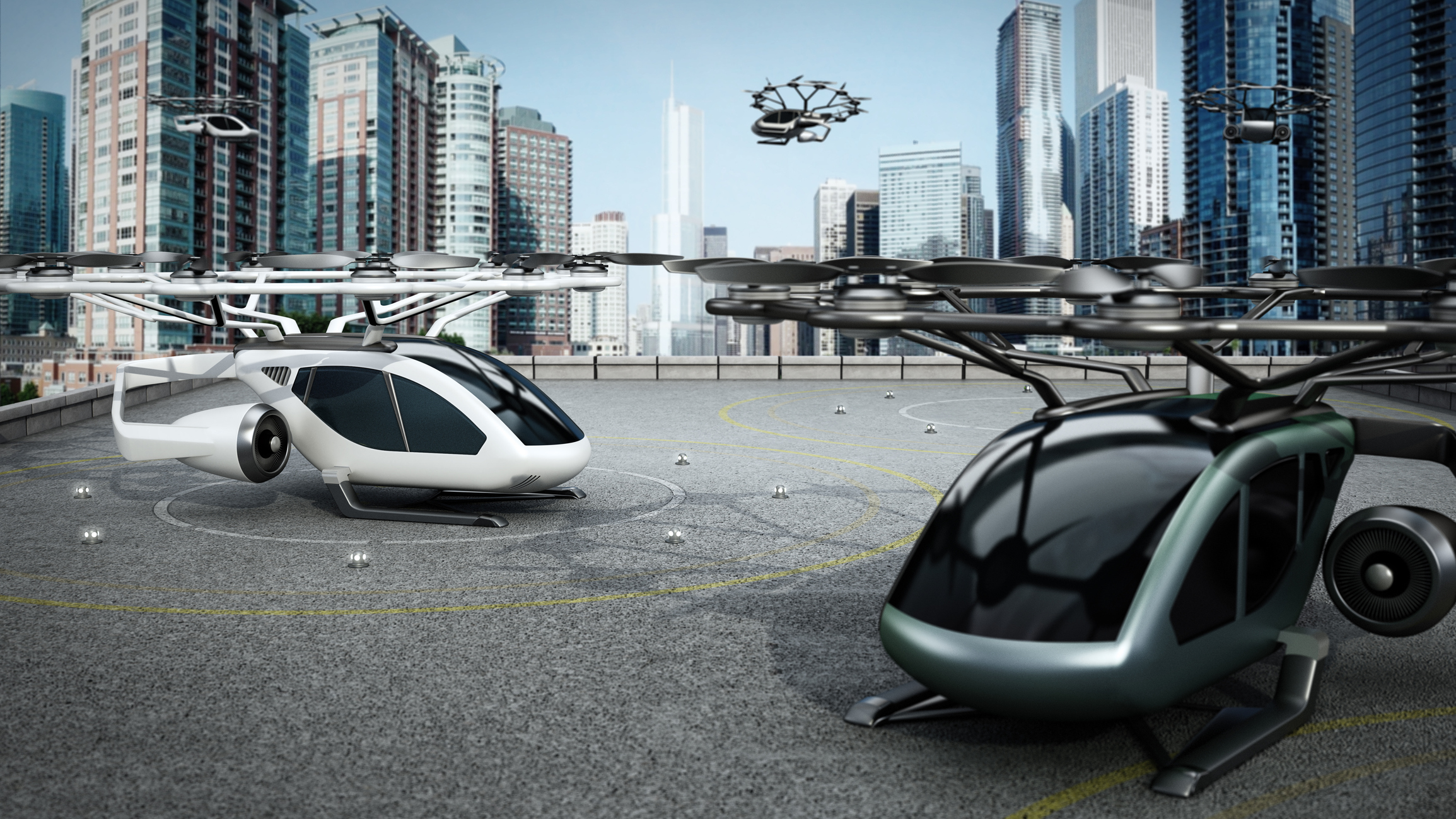
The last level is that in which the vehicle does not rely on any external or human factor to move. It is capable of driving by itself. The last two levels are still in the experimental phase. There is no consensus among experts regarding whether or not human intervention should be allowed or if elements such as the steering wheel or the pedals should be eliminated.
However, it will not be long before these questions are resolved. In the coming years, the sector will continue to advance through the six levels of autonomous driving.
Images | Flickr/Daniel Ramirez, Volvo