


Table of Contents
This is a guest post by EIT Urban Mobility written by Victoria Campbell. EIT Urban Mobility is the leading innovation community for urban mobility in Europe, committed to accelerating the transition to sustainable urban mobility and more liveable urban spaces.
As anti-tourism demonstrations spread across cities like Venice, Barcelona, and Lisbon, a growing tension is highlighted: while tourism remains vital to local economies, it also places increasing strain on urban infrastructure. Although these protests primarily focus on housing and the rising cost of living, tourism also significantly affects local transport systems.
One of the most visible signs of this strain is on public transit. As travel continues to rebound in the post-pandemic era, European cities in particular are struggling with overtourism, wherein the number of visitors surpasses the destination’s capacity to manage them sustainably. Tourists contribute to the financial viability of transit systems and encourage investment in infrastructure, yet their presence can also strain networks designed for use by a smaller, resident population.
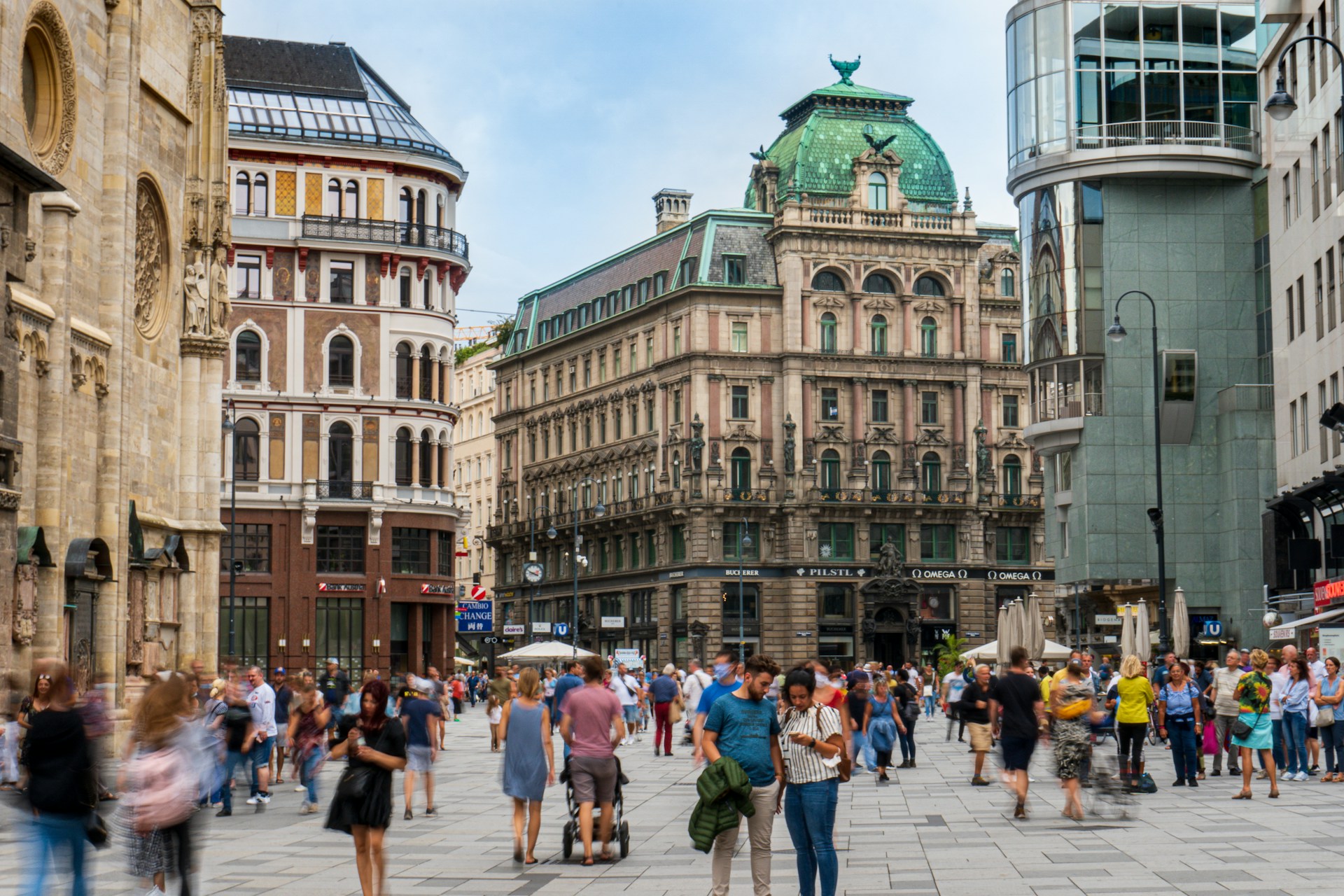
Metros, buses and commuter rail systems in tourist-heavy cities often struggle with seasonal surges. In places like Paris, Rome and Barcelona, central lines and stations near major attractions can become overwhelmed, slowing service and affecting both locals and tourists. For instance, in 2023, London’s Covent Garden station’s busiest day saw a 79.9% increase in footfall compared to the daily average. Additionally, data from Barcelona’s public transport authority shows that the Sagrada Família metro station saw 53% more passenger traffic than the average station on the same line in 2023. This increase in traffic shows the capacity strains that tourists can bring as they visit landmark sights in the city.

At the same time, tourists’ use of public transport brings benefits, boosting fare revenues and justifying expanded service. Still, tensions persist. Locals may feel crowded out, facing what some call a spatial and temporal ‘tourist tax’. Without matching service to demand, public confidence in transport reliability may erode.
Research conducted for the European Parliament Committee on Transport and Tourism, entitled Overtourism: impact and possible policy responses, found that 12 of the 41 case study cities (29%) identified ‘public transport congestion’ as a main impact of overtourism, while even more cited ‘traffic’ as a key concern. Thus, when tourists use public transport, they contribute to crowding; and when they don’t, they contribute to traffic.
While overcrowding on public transport is a significant pain point for locals, cities aiming to reduce emissions in their transport sector need to encourage and support the use of public transport by tourists, as the alternative means a significant increase in private car use during high season. While headlines focus on the negative environmental impacts of overtourism, cities and public transport authorities need to find a way to work with tourists, not against them, to find sustainable solutions for their mobility while visiting.
Cities experimenting with sustainable mobility solutions for tourists
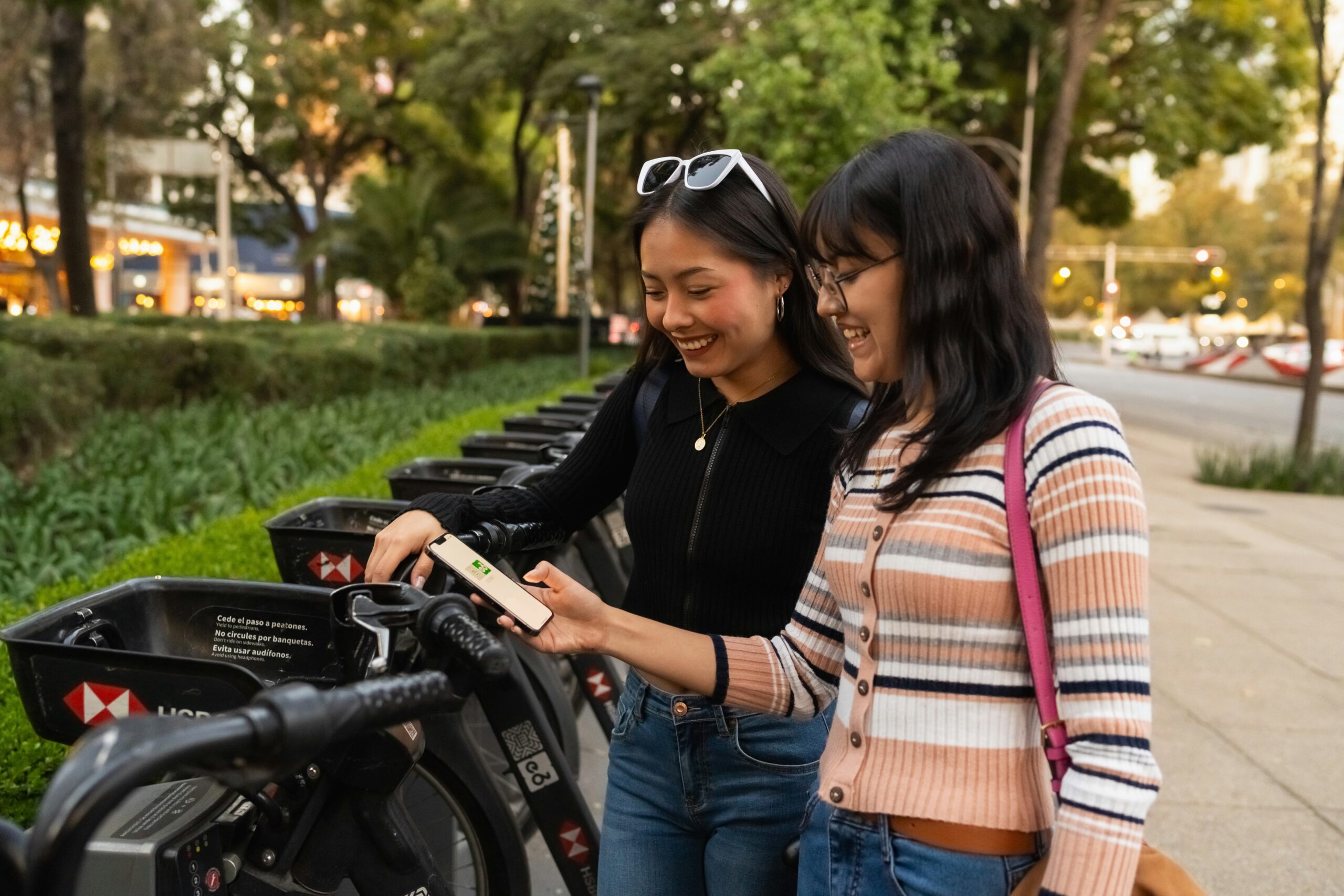
Copenhagen, Denmark, made headlines last year when they introduced CopenPay, a series of rewards that tourists could earn by making sustainable choices while visiting the Scandanavian capital. With incentives like free lunches, boat tours, bike rentals or discounts on excursions or museums if you could prove that you biked instead of drove or worked in an urban garden; the initiative gained enough traction to come back even bigger for summer 2025. With incentives reaching beyond public transport into active mobility, the city can encourage tourists to get around sustainably without clogging up public transport lines. Additional cultural norms help as well, in that hotels often offer bike rentals and the cycling infrastructure is iconic in its quality. That said, Berlin, Germany, has been inspired by the CopenPay initiative and is currently in the planning stages for their own sustainable tourism incentives.
In a similar vein, the city of Tallinn, Estonia, has taken specific care to try to redirect visitors to less popular areas. The Tallinn City Card, which combines access to tourist attractions and public transport in one, is constantly under development as new neighbourhoods get added to the tourism range.

Vilnius, Lithuania, has created a volunteering scheme, in which over 250 volunteers are trained and then deployed throughout the Old City to help tourists find their way on public transport or navigate the cycling system. Equipped with maps, the Vilnius Greeters volunteers can help tourists navigate the mobility system, leading to less congestion and confusion when buying tickets or wayfinding.
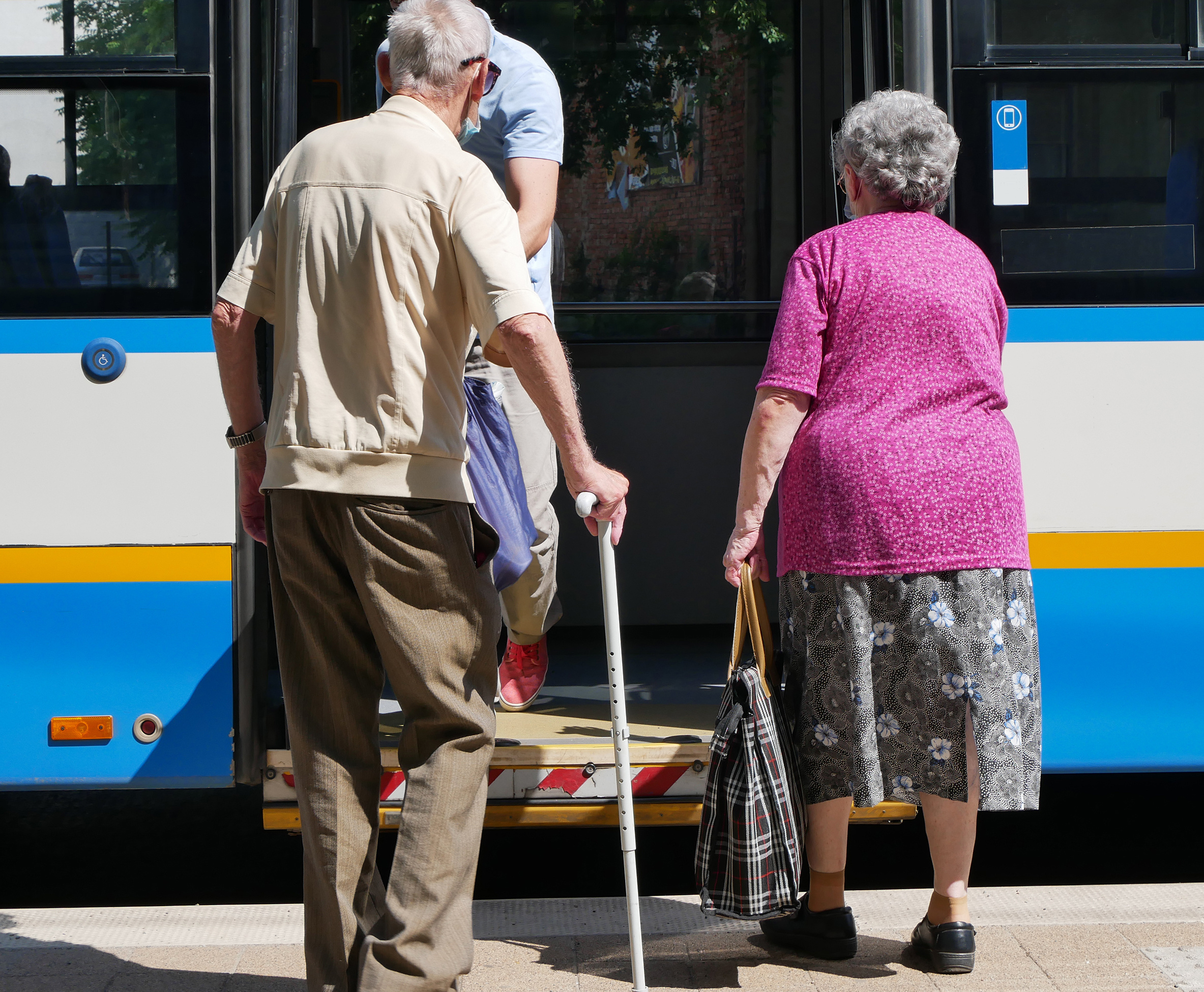
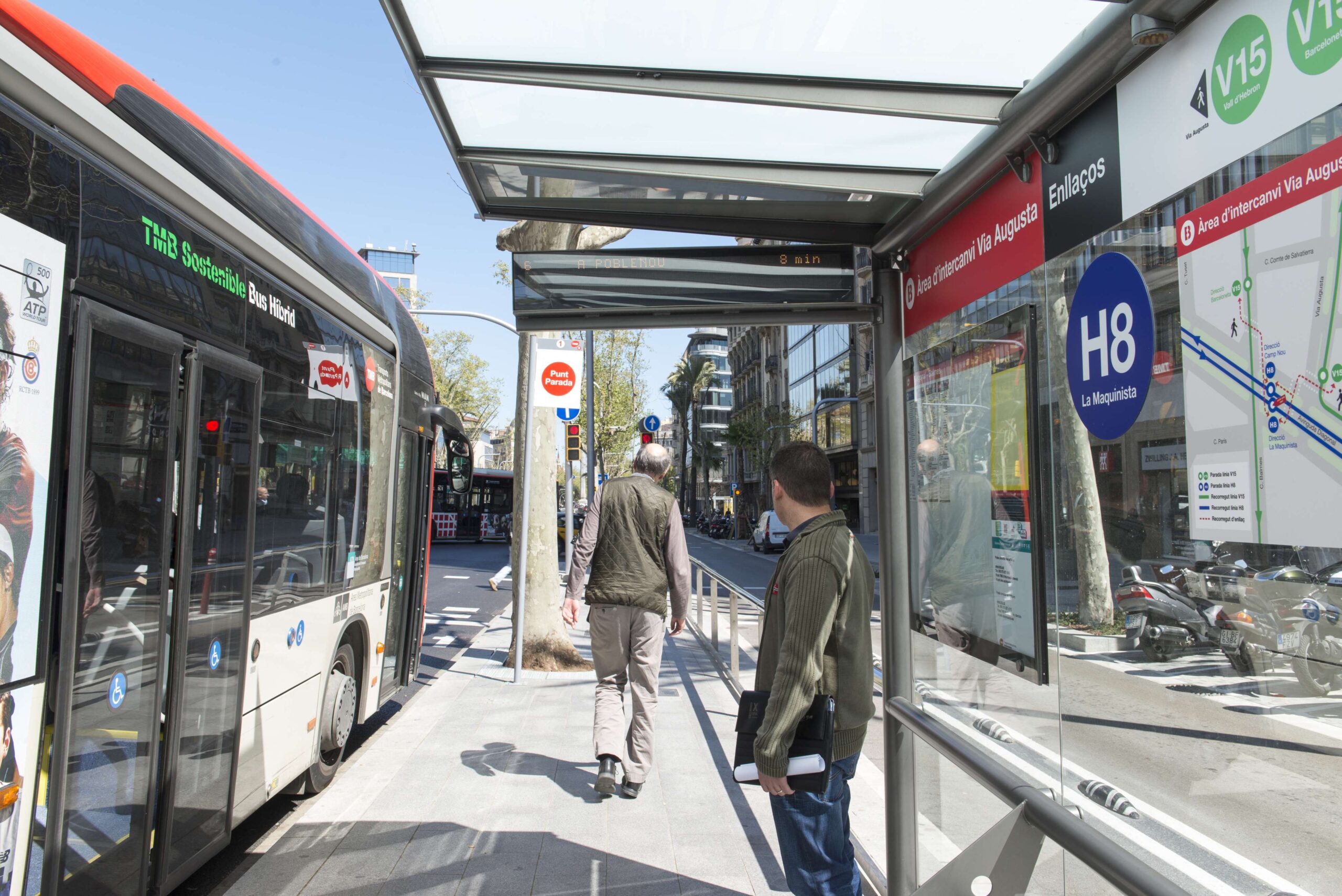
Barcelona, Spain, nearly synonymous to overtourism, found a creative solution when a bus line became overcrowded with tourists. The 116 bus, servicing the La Salut neighborhood, home to Park Güell, had become so packed with visitors that elderly residents navigating the steep hills of the area often couldn’t board. As a result, the city quietly removed the route from Apple and Google Maps, making it less visible to tourists relying on digital navigation. What started as a joke among residents turned into an unexpectedly effective solution, and tourists are still able to find their way with alternative routes.
Additionally, many European public transit systems offer discounted pricing for multi-ride tickets, app-based purchases, or personal transit cards –such as 10-ride passes or unlimited monthly fares– which tend to benefit locals more than tourists, who typically buy single-ride tickets. This pricing structure can foster a sense of fairness by rewarding regular users with better value.
Investing in sustainable tourism
The promotion of active mobility and public transport among tourists is essential as cities aim to cut transport emissions. Shifting visitors away from private cars and taxis helps reduce congestion and emissions but promoting transit to tourists must be accompanied by measures that protect and prioritise local users.
As tourists need clear, accessible information to use systems responsibly, communication and public service announcements can play a role. Campaigns that promote respectful behaviour on transport, such as keeping luggage out of aisles, yielding seats or being mindful not to take up too much space, can encourage tourists to engage more thoughtfully in their travel through the city and reduce friction with locals.
Simultaneously, infrastructure needs to evolve to accommodate the increased use of public transport systems. Increasing station and metro car capacity, improving real-time information and wayfinding can enhance comfort for all users. However, investments prompted by tourism should serve as long-term upgrades that aim to improve mobility for residents.
From Amsterdam and Athens to Zagreb and Zaragoza, tourist taxes for overnight stays are becoming the norm. While transparency around how these funds are used varies by city, investing in public transport and active mobility infrastructure can benefit both future residents and visitors alike.
Photos: EIT Urban Mobility, Ennio Berti & Tomas Tuma