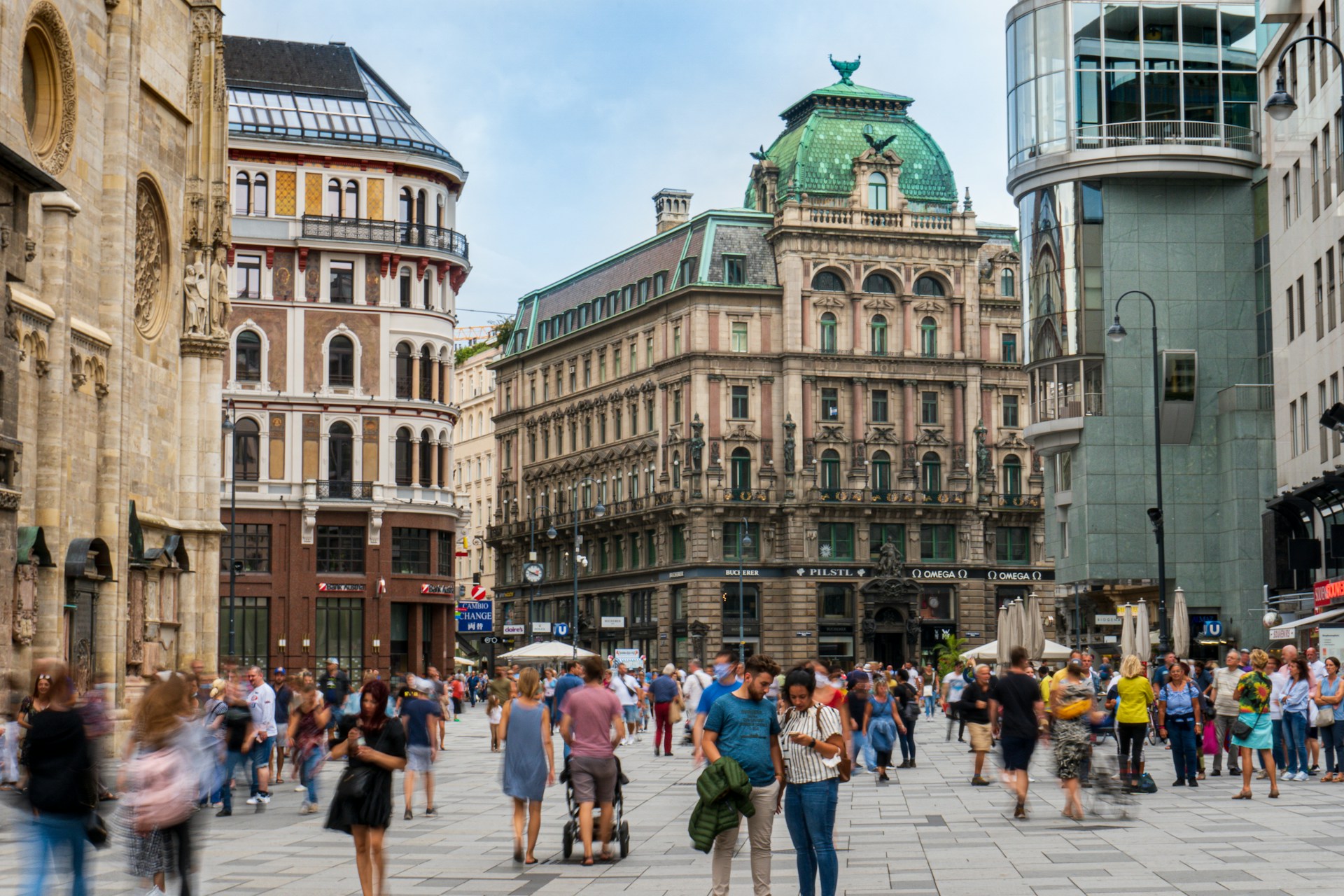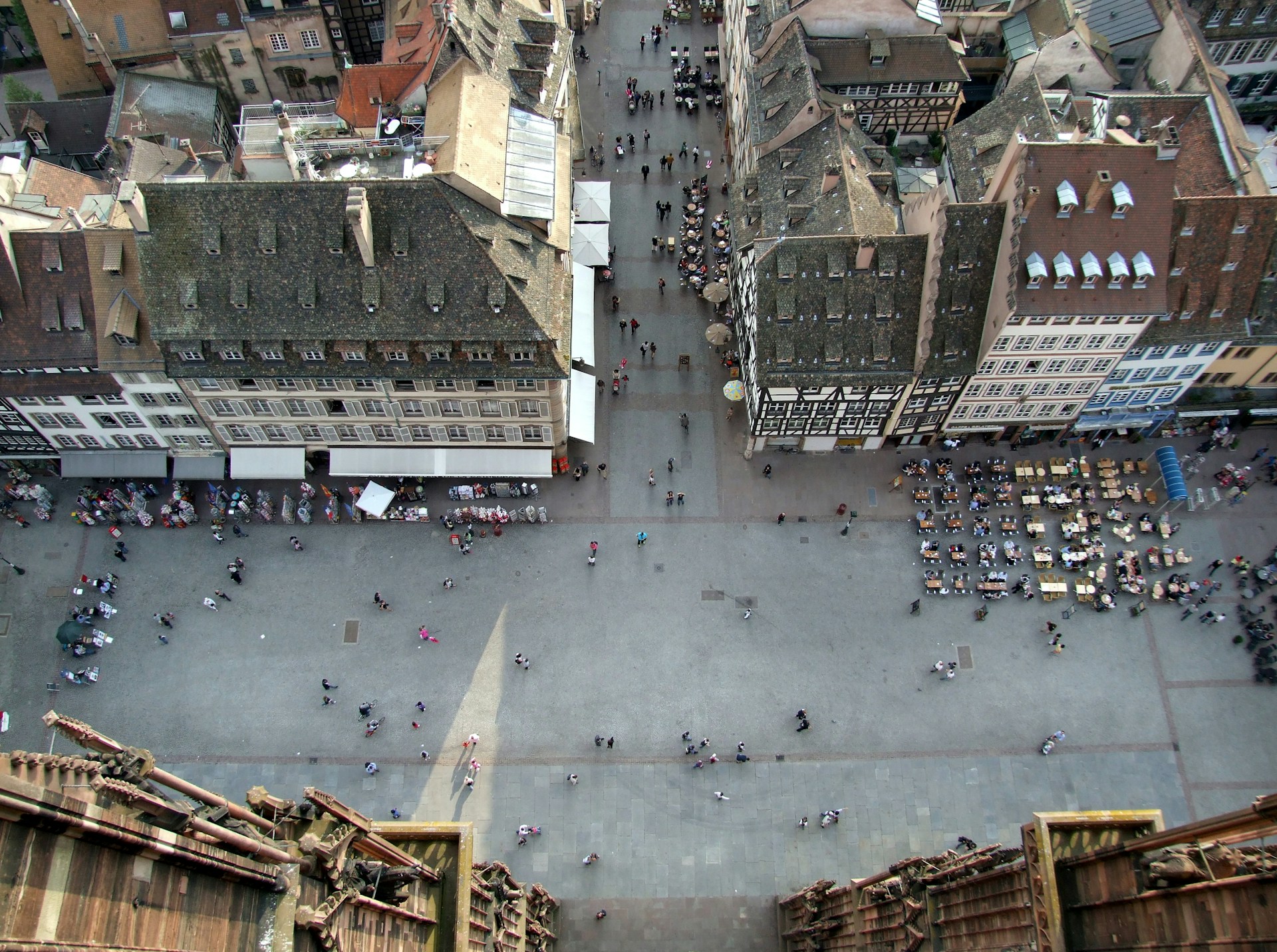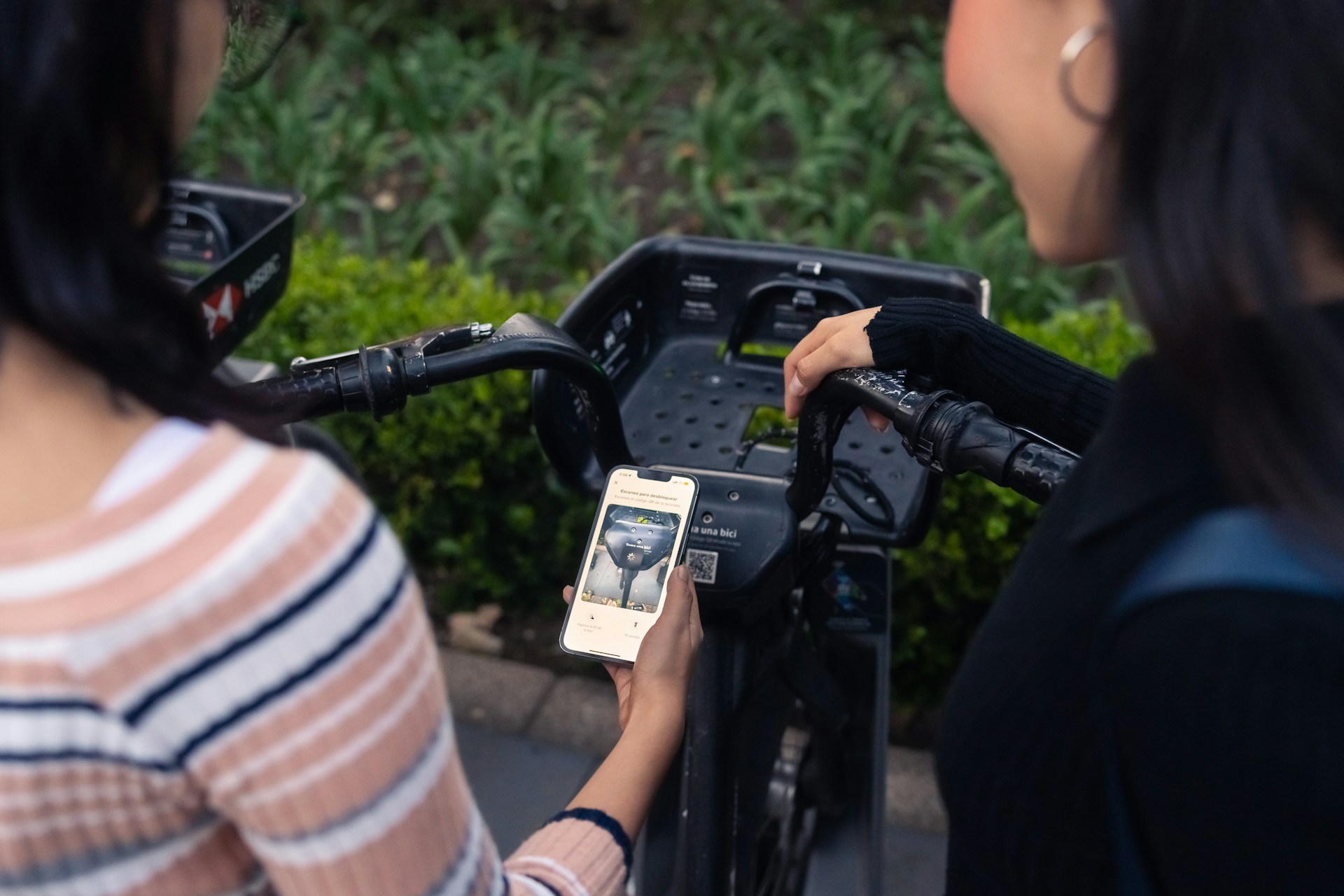




Author | Eduardo BravoAir pollution dropped across the world during the quarantine decreed as a result of COVID-19. In China, CO2 emissions dropped by 25% in March and, in May, the European Space Agency released images illustrating a considerable drop in Italy too. In Spain, a report drawn up by Ecologistas en Acción (Ecologists in Action), established that the average drop in areas with more than 150,000 inhabitants was 58%. There was a simple explanation behind this drop in nitrogen dioxide emissions across the planet: over a number of months, there were hardly any cars on the streets in cities in which the authorities had decreed a confinement.According to the World Health Organization, air pollution is to blame for approximately seven million deaths across the globe each year. Furthermore, the gases emitted by motor vehicles are one of the main causes of climate change. This reality has once again led to the debate about the convenience or not of banning motor vehicles in urban environments.In the main cities of Croatia, including Dubrovnik and Split, private vehicles can no longer be driven in its historic center. The same applies on various Greek Islands, in the medinas of Fez, Tangier and Casablanca, on the island of Nagasaki, in Vitoria-Gasteiz or in Pontevedra, where, after a decade with restrictive measures applied to the use of motor vehicles, traffic has dropped by 90% in the entire city. This decision has not only improved air quality, but has also enabled the number of traffic accidents including pedestrians hit by vehicles, to drop to almost zero. In 2000 1,203 accidents of this sort were recorded, while, in 2014, there were 484 and in 2020 just 20.Despite the positive results for citizens’ health and quality of life, there are still sectors that do not believe it is possible to impose a total ban on motor vehicles in urban spaces. This opinion is based on the fact that suburban cities, i.e. those that have a main nucleus and a series of satellite districts with low population densities and where basic services such as hospitals, schools or shops, are located too far away and require the use of cars.The reasoning does make sense. While a large number of villages and islands in Brittany in France such as Mont Saint Michel, Île-d’Aix, Île de Porquerolles or Île-Molène are now car free areas because of the reduced size of the towns, larger cities, such as the country’s capital, are struggling to reach this point. Despite this, the policies to discourage the use of motor vehicles in Paris have led to 60% of Parisians who, in 2001, had private vehicles, dropping to 40%, a percentage which the authorities intend to reduce even further in the coming years.Therefore, it will take more than prohibitions to banish motor vehicles from cities. It is essential to provide urban areas with extensive and efficient public transport networks that enable people to change their habits and for cars to become an indispensable asset, as well as infrastructures that enable the use of alternative means of transport such as bicycles, providing a risk-free environment for cyclists and pedestrians.These solutions are easy to apply in newly constructed smart cities, thanks to their reduced sizes, their efficient urban planning strategies and by promoting alternative means of transport. This is the case with the design of Chengdu, a city located in southwest China, which will enable to obtain any necessary service withing a 15 minute walk radius from downtown. The same goal set by Paris, shocking its own residents. Huge bets, but in no way impossible to achieve if planned with care and respect for all citizens.Images | Donald Tong, Carlos Pernalete Tua, Maksim Goncharenok, Cottonbro, Pixabay.
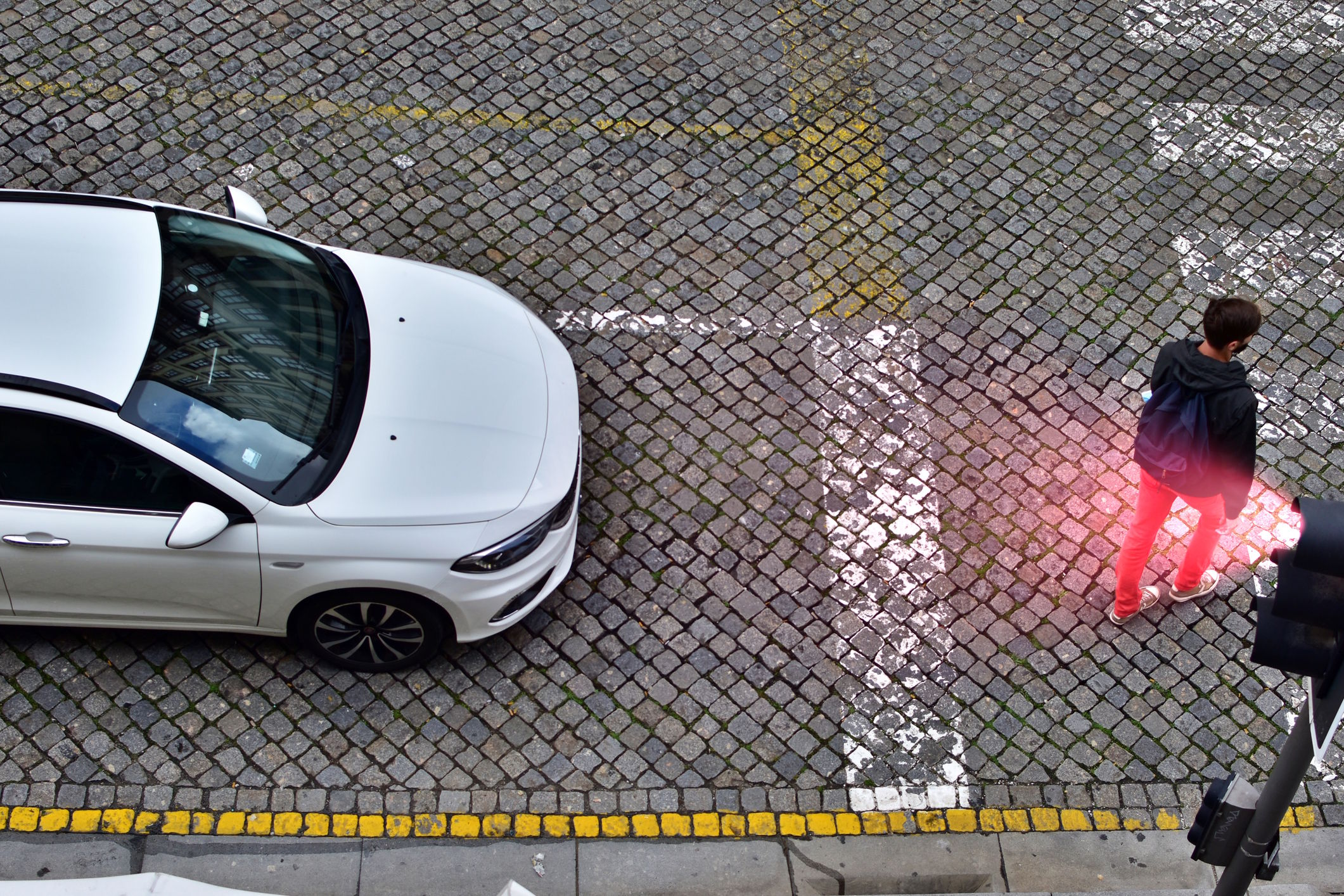

Cities are not ready (yet) for self-driving cars: these are the key aspects holding them back
Mobility