



Table of Contents
Author | Lucía Burbano
Tourism is no longer simply an economic driver. It is also a sector that tests the resilience and capacity of cities and their residents and, consequently, the effectiveness of urban governance.
To address these challenges, GovTech (a term referring to technological advances used by governments) combines hardware and digital innovation to improve decision-making, foster harmonious relationships between visitors and residents, and reduce tourism’s impact. These interoperable systems connect public authorities with technology companies, destinations, and other stakeholders to manage tourism more efficiently, sustainably, and equitably.
Urban transformation, the digitalization of everyday life, the search for meaningful experiences, and growing awareness of inclusive and sustainable tourism have driven the adoption of GovTech and the need to adapt to a fundamental shift in the tourism model, which has evolved from a seasonal activity into an almost year-round phenomenon.
Although government technology alone cannot guarantee responsible tourism, it can facilitate more coordinated, informed public management that prioritizes the well-being of destinations and their residents.
What is GovTech, and how does it contribute to responsible tourism?
Technology helps public authorities shift from reacting to tourism-related pressures to anticipating them. By combining visitor data, mobility patterns, and information on points of interest, governments can develop measurable key performance indicators (KPIs) and identify areas under pressure to make informed decisions about managing tourism sustainably.
The key is to connect data, predictive analytics, and public-sector action. It is not simply a matter of knowing how many people visit a destination, but also where they go, when they arrive, how they get around, and what impact they have on local communities and resources.
GovTech helps destinations:
Better manage tourist flows
Using mobility data, sensors, and analytics tools, GovTech identifies the busiest areas and times of day to anticipate overcrowding and redirect visitors to other locations.
Improve relations with local residents
Data analysis and digital citizen participation channels help identify problems related to overtourism, mobility, noise, and pressure on public services.
Reduce environmental impact
Public authorities can use smart systems to optimize waste collection, water and energy consumption, public transportation, and mobility in tourist destinations.
Facilitate data-driven decision-making
Destinations can combine information on visitors, spending, mobility, and available resources to develop public policies better suited to local needs.
Promote a more balanced distribution of economic benefits
Digital platforms and interoperable public services can support small businesses, improve coordination among stakeholders, and help distribute the economic benefits of tourism more evenly.
How can GovTech help balance the needs of tourists and residents in smart cities?

Technology alone cannot resolve conflicts between tourism and everyday life. According to the International Telecommunication Union (ITU), as part of the global United for Smart Sustainable Cities (U4SSC) initiative, effective government technology must be based on three principles:
- Reliable, connected data that integrates tourism, urban, environmental, and mobility information to understand the overall impact.
- Privacy and transparency in data use and protection, including encrypting personal information and explaining how decisions are made.
- A governance model that involves residents, businesses, and public authorities, with outcomes evaluated using social and environmental indicators as well as economic ones.
Dubrovnik, a Croatian city with 41,500 residents, receives more than 1.2 million visitors annually. In May 2026, it was recognized as the European Green Pioneer of Smart Tourism for implementing a strategy that combines digital tools and sustainability measures to manage tourism-related pressures and protect residents’ quality of life.
One of the tools used to achieve this is the Dubrovnik Pass, which generates usage data that helps predict visitor numbers. A website also allows users to check how many people are visiting different attractions across the city in real time.
Other examples of GovTech platforms
The value of these platforms, developed by technology providers, lies in connecting information with public authorities’ ability to take action. They are interoperable, meaning they can connect different systems and data sources.
They also rely on shared governance to facilitate collaboration between public agencies and private stakeholders, with a focus on achieving results by linking data to sustainability goals and verifiable KPIs.
One specific example is the Smart Destinations Platform (Plataforma Inteligente de Destinos), promoted by Spain’s Secretary of State for Tourism. Its launch was announced in 2025 as a public digital infrastructure for tourism managers, businesses, visitors, and residents, using data, AI, and technological tools to improve destination management and the visitor experience.
Several cities and destinations also use GovTech to manage their heritage and surroundings sustainably:
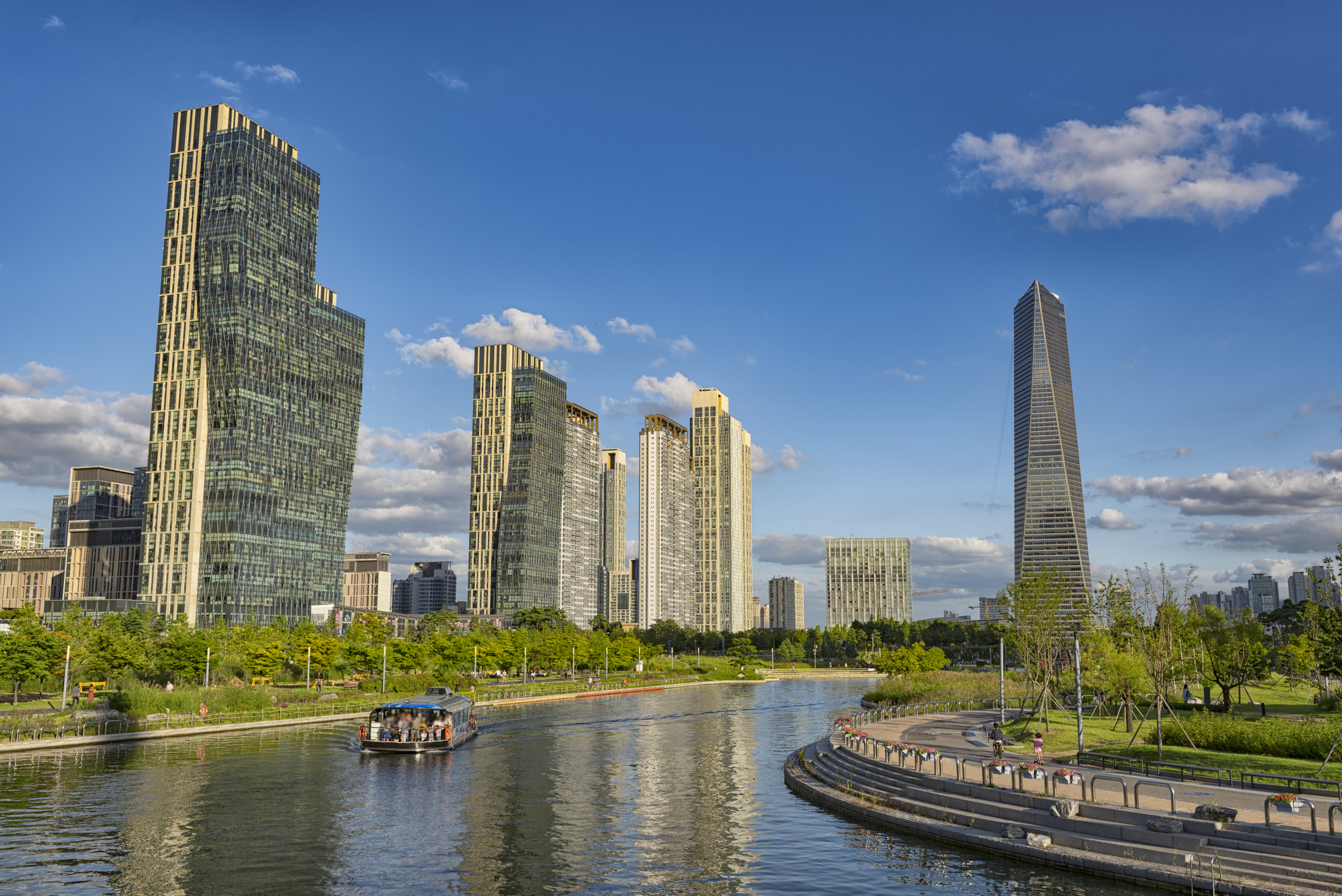
Incheon, South Korea
Incheon uses advanced analytics to predict traveler behavior based on data collected through its Incheon Easy tourism platform and public Wi-Fi network. Smart tourism reports have also used geolocation data, telecommunications information, and card payment data to study mobility patterns and the economic impact of tourism.
These analyses help identify which places attract visitors, how they move around, and where opportunities may exist to improve routes and services.
Green Karst, Slovenia
The FLOWS project, operational since 2025, combines visitor monitoring sensors, weather information, traffic data, tourism statistics, and satellite data in an analytics platform used by tourism professionals to identify visitor concentrations, anticipate peak periods, and direct people toward alternative routes.
The aim is to reduce pressure on natural environments and distribute the benefits of tourism more evenly. The project also stands out for involving local workers and stakeholders in the design and use of its tools.
FAQs about GovTech applied to responsible tourism
What is GovTech in tourism?
It is the use of technology and digital innovation to improve public tourism management and make it more sustainable and balanced.
How does it help manage tourist flows?
It enables authorities to analyze visitor movements, anticipate overcrowding, and distribute visits more evenly across destinations and throughout the year.
How does it help improve relations between tourists and residents?
It helps identify issues such as overcrowding, mobility challenges, and pressure on public spaces and services, allowing local authorities to make more informed decisions.
What role does data play in sustainable tourism?
Data helps measure tourism’s impact using key indicators and guides the development of evidence-based policies tailored to local needs.
Which cities and destinations use GovTech solutions in tourism?
Dubrovnik, Incheon, and Green Karst use digital tools and data analytics to manage tourist flows and protect the environment and local quality of life.
Photographs | Unsplash/Etienne Girardet, Unsplash/Eric Prouzet, Unsplash/Henry Perks