



Table of Contents
This is a guest post by EIT Urban Mobility written by Victoria Campbell. EIT Urban Mobility is the leading innovation community for urban mobility in Europe, committed to accelerating the transition to sustainable mobility and more liveable urban spaces.
Planning fair mobility systems starts with recognising that there is no single “typical” or “average” traveller.
For an older person, a steep pavement, a poorly lit bicycle route, a lack of seating or an inaccessible bus stop can be the difference between participating in community life and staying at home. For a young person, meanwhile, dependence on public transport can make the affordability, reliability and coverage of the network critical to accessing school, university, work or social opportunities.
These differences are becoming increasingly important as Europe’s population ages. In 2025, 99 million people (around 22% of the EU population) were aged 65 or over, up from 17% in 2005. By 2050, almost one in three people in the EU is expected to be aged 65 or over. At the same time, younger generations are making up a smaller share of the population. How cities respond to these demographic changes will shape not only how people move today, but the kind of urban environments that future generations inherit.
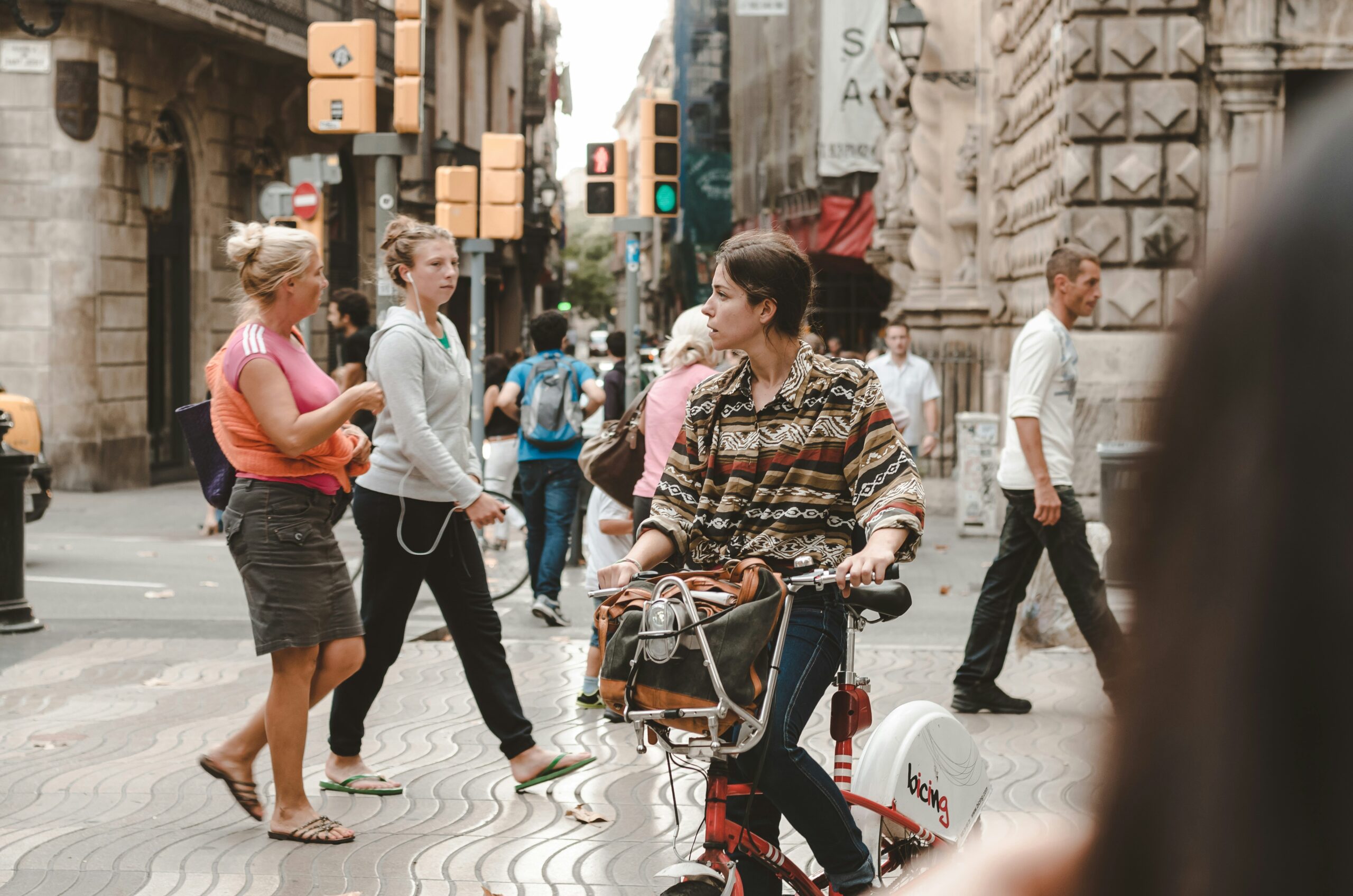
Age also intersects with other inequalities. Income, gender, disability, geography and social background can all influence how easily someone can get around. Young people living in peripheral neighbourhoods, for example, may have fewer mobility choices than their peers in well-connected city centres. Older residents in rural or suburban areas may face long distances between essential services and limited alternatives to the private car. The European Commission’s Strategy on Intergenerational Fairness recognises this territorial dimension, highlighting how geography can also shape access to services, jobs, housing and mobility, and how these disparities can amplify inequalities across generations.
Achieving intergenerational fairness then requires a long-term perspective. Are we creating transport systems that allow children to grow up with safe and independent ways of getting around? Are we giving older residents the infrastructure they need to remain active and connected? Are we reducing emissions and creating healthier public spaces so that future generations inherit cities that are more liveable?
These questions, and more, are part of what is being examined in the theme of European Mobility Week 2026 ‘Mobility for Everyone: Intergenerational Fairness’, and in EIT Urban Mobility’s ongoing commitment to transition towards more liveable urban spaces for everyone.
Designing mobility around older people’s needs
Supported through EIT Urban Mobility’s RAPTOR Programme, Hilo EV piloted their solution in Bacău, Romania to make cycling and other active modes feel safer and more accessible for older residents.
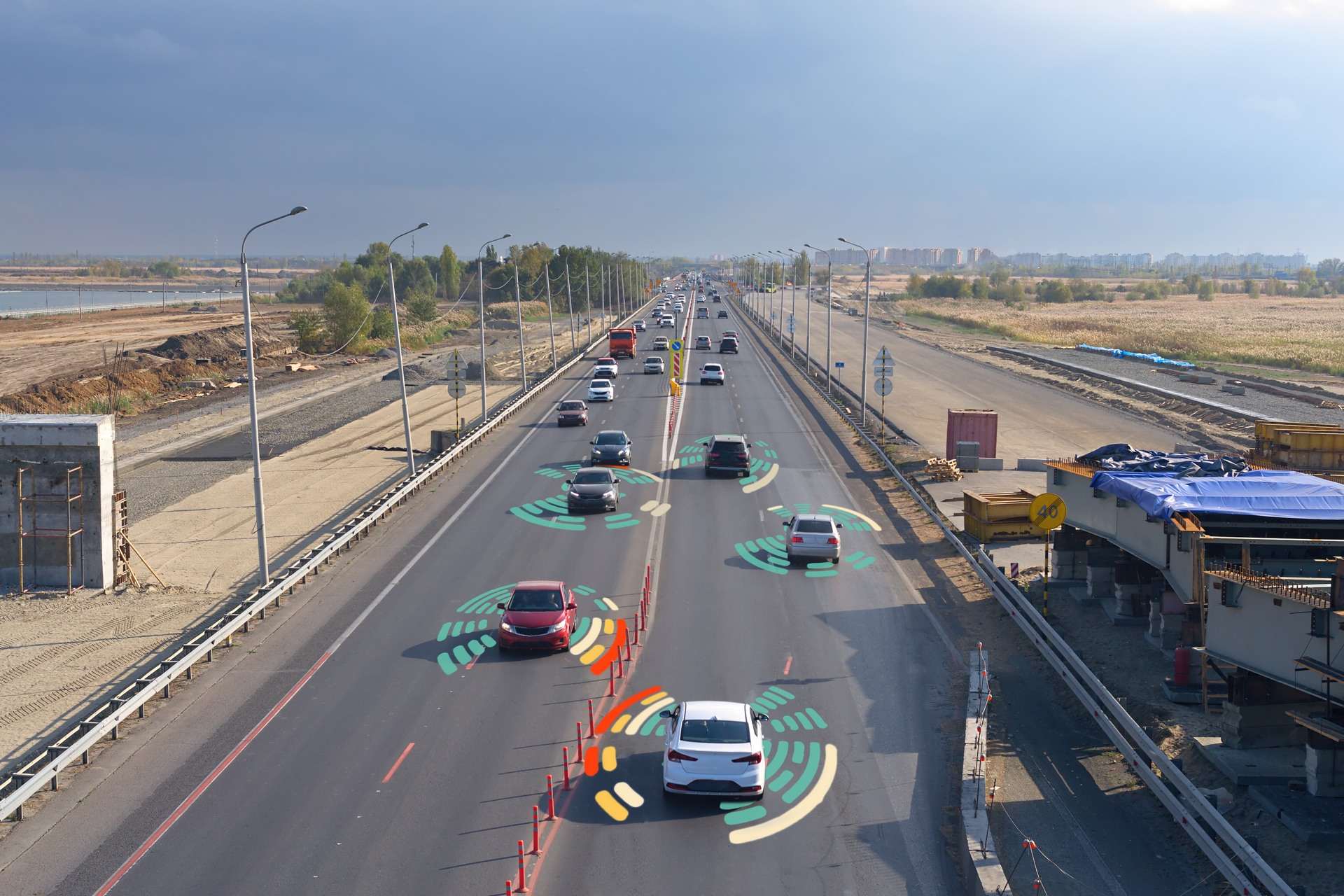
Hilo EV’s Intelligent Road Illumination System uses visual AI to identify pedestrians, road users and potential hazards, responding with audio and visual alerts. The pilot was developed in response to a clear local challenge: many older residents were still heavily reliant on private cars, while the city wanted to encourage more active and sustainable forms of mobility. Beyond the technology itself, the solution illustrated the importance of creating reasonable conditions for users in order to make sustainable mobility choices feel safe and attractive.
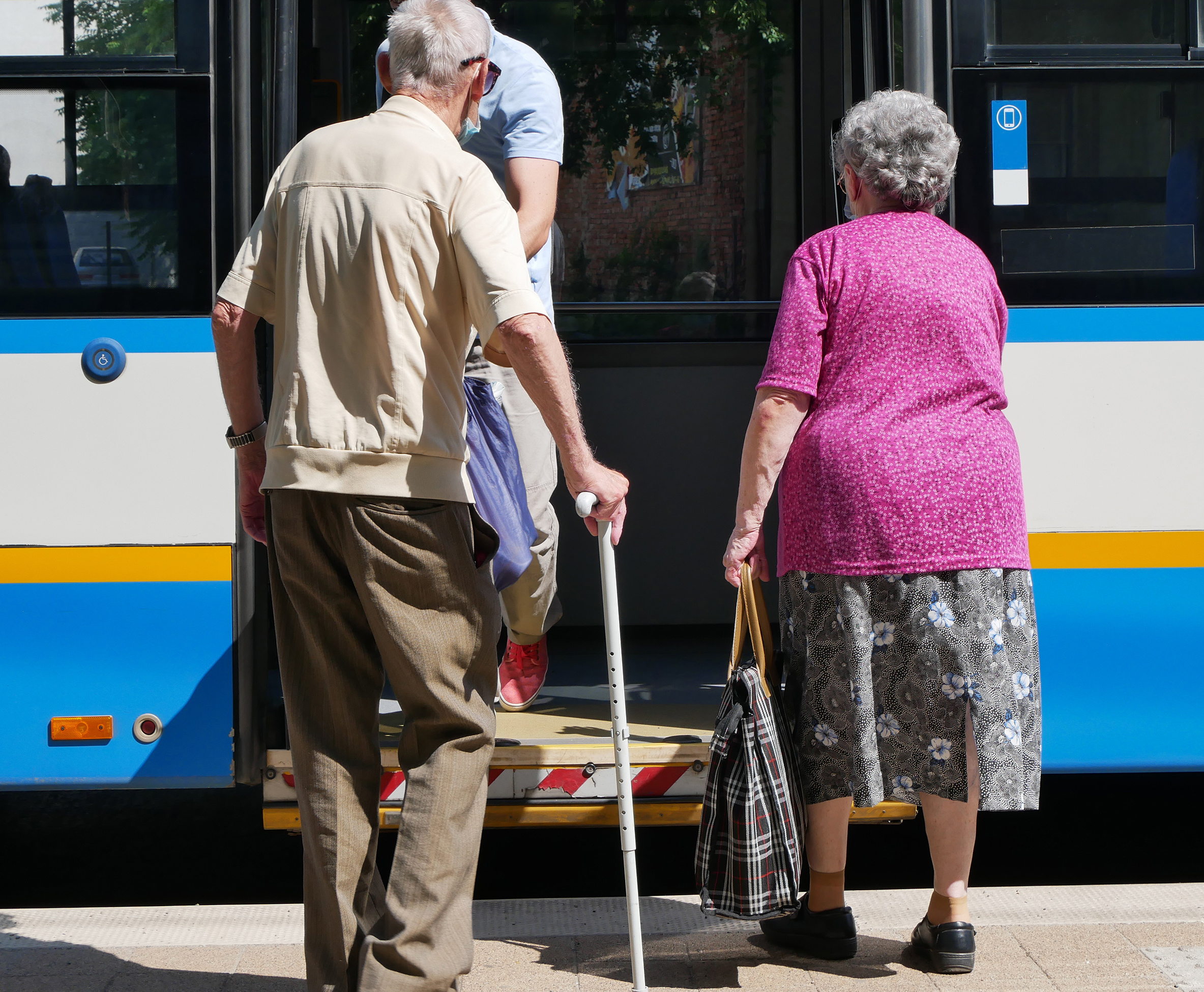
The same principle can be seen in ELDERS, an EIT Urban Mobility-supported New European Bauhaus project in Masquefa, Spain. Rather than starting with a technological solution, ELDERS started by listening to older residents.
Project participants helped identify and test walking routes connecting Masquefa with surrounding neighbourhoods and settlements. They then collaborated with students and designers from the Institute for Advanced Architecture of Catalonia to co-design urban elements that could make these routes more accessible, comfortable and socially engaging. The resulting interventions included new seating designed through this collaborative process.
The ELDERS project demonstrated that mobility for older people is not simply about getting to a final destination. Rather, walking routes can also be routes to social connection, independence and wellbeing. By involving older people directly in the design process, the project treats them not as passive recipients of urban improvements but as experts in their own lived experience.
Importantly, the benefits of designing for older populations often extend beyond one generation to benefit all. Better walking routes, comfortable public spaces and more inclusive streets can make cities easier to navigate for parents with children, people with reduced mobility and many other residents.
Giving young people a role in shaping the city
Intergenerational fairness also means giving younger generations a meaningful role in designing the places they will inherit.
EIT Community-supported Girls Go STEM provides one example of how education can equip young people with the knowledge and confidence to participate in the green and digital transitions. Previously known as Girls Go Circular, the initiative includes EIT Urban Mobility-developed learning content focused on sustainable mobility and liveable cities. Students explore topics such as circular and inclusive mobility and can work on practical urban challenges, including analysing environmental pressures around schools and proposing healthier mobility and urban-design solutions.
Another particularly direct example is Play Accessible Communities (PAC) in Izmir, Türkiye. The project focused on marginalised and underserved young people, including Roma, Kurdish and refugee children, alongside university students. Its aim was to co-create a new micro-mobility hub that can improve access to education, employment and public life while supporting sustainable, people-first mobility.
Combining participatory urban design, GIS-based accessibility mapping, the 15-Minute City Score Toolkit and serious gaming PAC encouraged young participants to imagine and collaboratively shape how their neighbourhood could work. The project has developed a Micro Mobility Playbook so that the approach can be replicated in other European contexts.
From mobility for people to mobility with people
Taken together, these projects point towards a broader lesson. Intergenerational fairness is not about choosing between the needs of young people and older people. In many cases, designing better mobility for one group can make cities better for everyone.
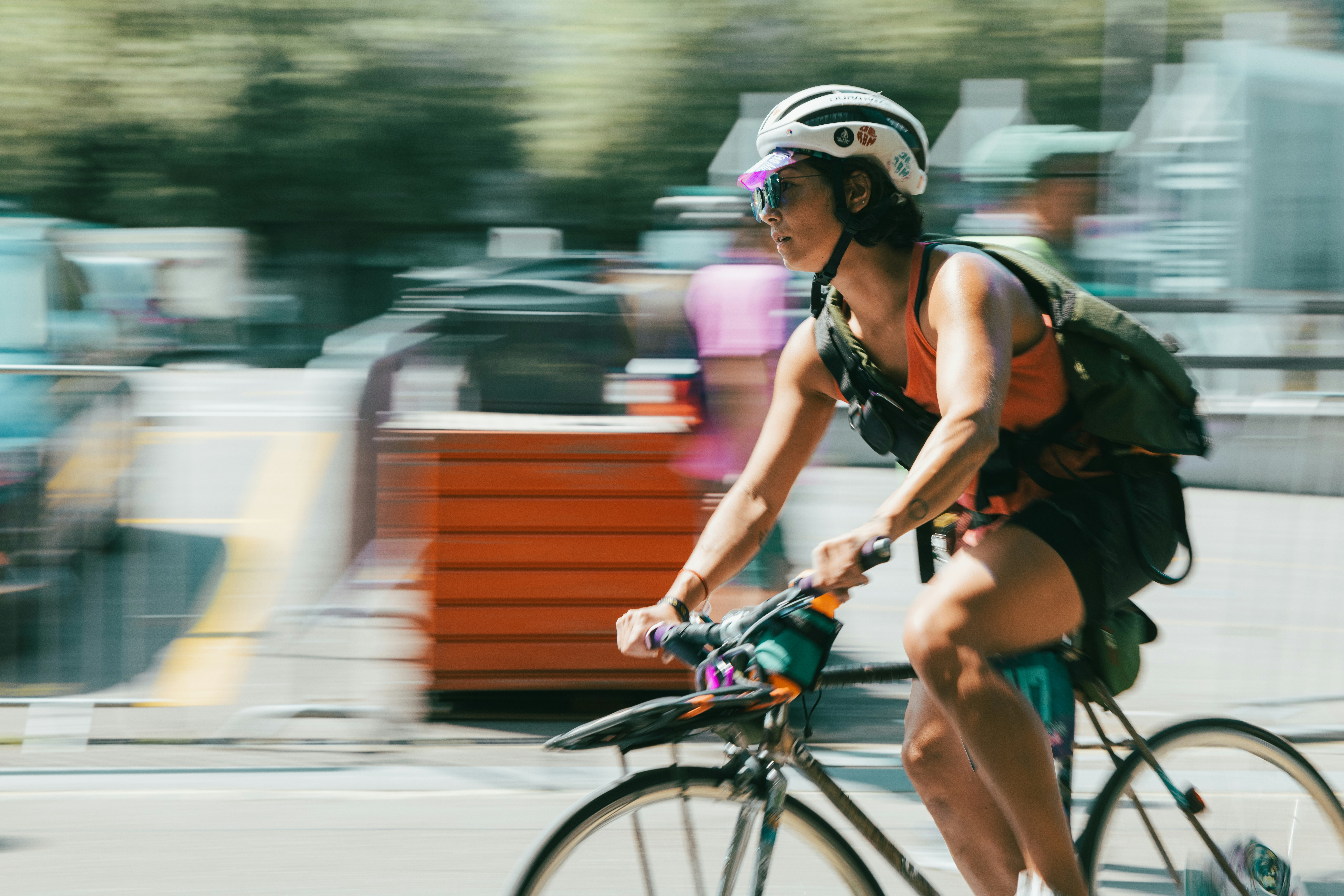
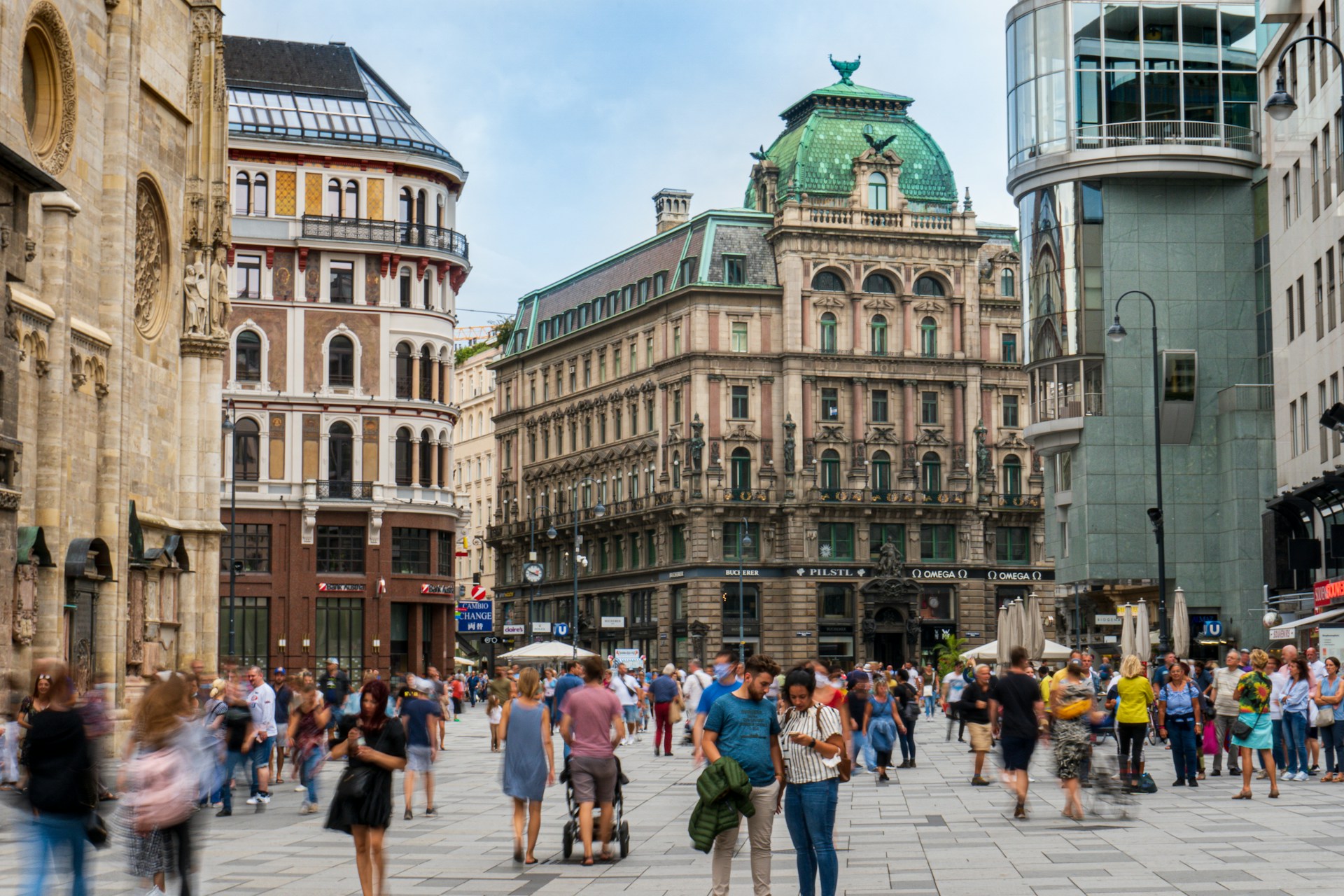
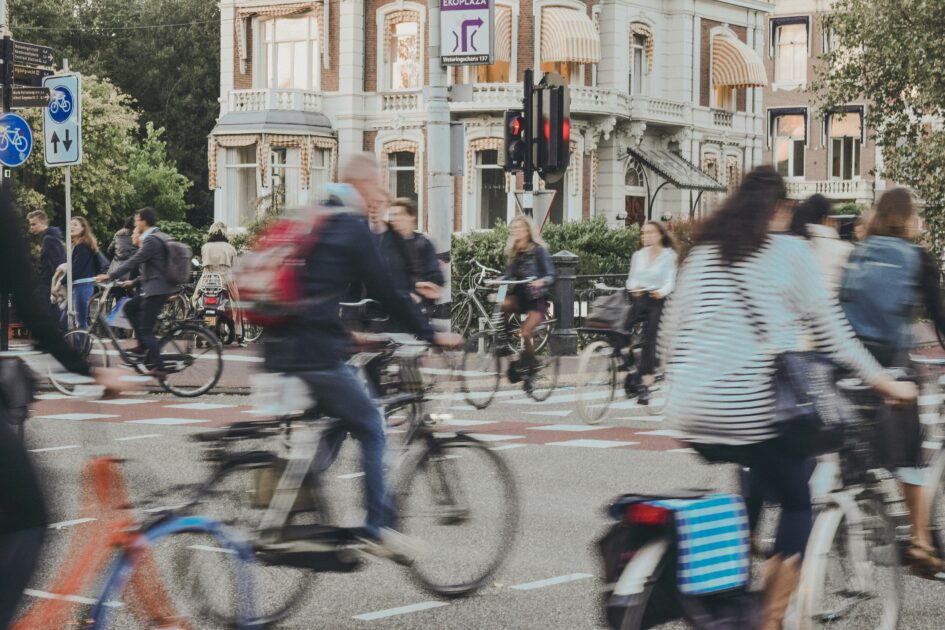
Safer cycling infrastructure can benefit teenagers and older cyclists alike. Walkable neighbourhoods can support children, adults and seniors. Better public transport can provide independence to young people while helping older residents stay connected. And involving different generations in decision-making can reveal needs that conventional transport planning might overlook.
This is why citizen participation is so important. A fair mobility system cannot be built entirely from models, datasets and infrastructure plans. It also requires lived experience, local knowledge and dialogue between generations.
European Mobility Week: mobility for everyone
Throughout European Mobility Week, from 16-22 September 2026, EIT Urban Mobility is offering an inclusive programme of activities that encourages everyone to get moving.
The programme includes the annual European Mobility Week Steps Challenge, a week-long initiative encouraging people to walk every day and log their steps through the Walk15 app. In addition to the steps challenge, two webinars will explore different aspects of everyday mobility. Building better commutes: how European cities are improving everyday mobility will look at issues including safety, reliability, congestion and overcrowding, drawing on a survey of 1,503 commuters across Barcelona, Munich and Bucharest. The second, Citizen engagement across the circle of life, will focus specifically on how involving people at different stages of life can help cities develop more inclusive, accessible and people-centred transport systems. Participants will also receive a ready-to-use resource for engaging different communities in their cities.
EIT Urban Mobility is also developing a Citizen Engagement Toolkit for partner cities, providing deployable and editable activities and templates to help engage residents in conversations about sustainable, inclusive and people-centred mobility.
The activities offer different ways to engage with the questions at the heart of this year’s European Mobility Week, from encouraging more walking to exploring how cities can better understand and respond to the needs of their residents.
Photos: EIT Urban Mobility, Anastasiia Tarasova, Mia Anderson, Noralí Nayla