



Table of Contents
This is a guest post by EIT Urban Mobility written by Victoria Campbell. EIT Urban Mobility is the leading innovation community for urban mobility in Europe, committed to accelerating the transition to sustainable mobility and more liveable urban spaces.
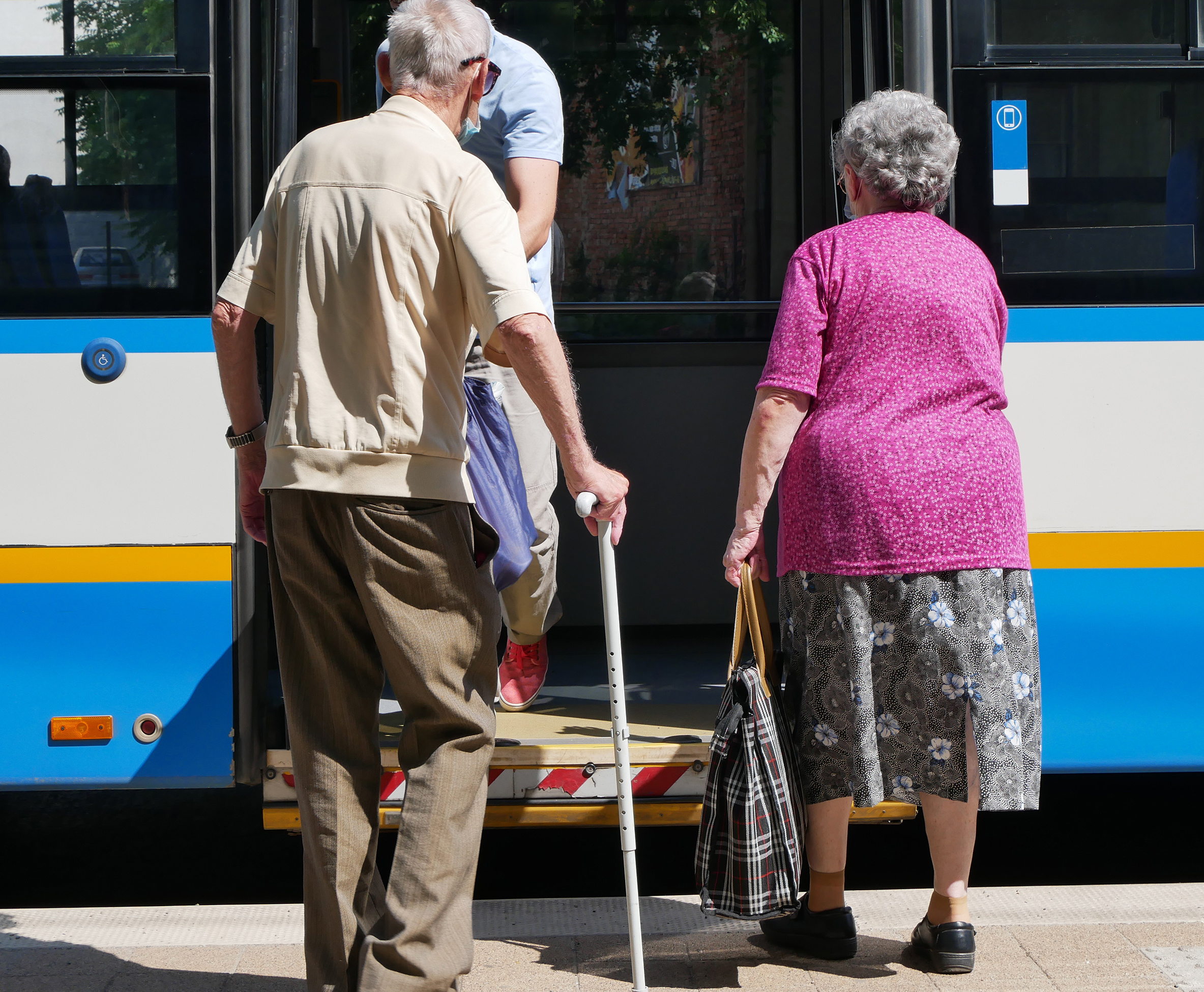
Public transport is widely recognised as a key pillar of sustainable urban mobility, reducing urban greenhouse gas emissions, alleviating congestion and improving air quality. According to the OECD, well-functioning transport systems prioritise accessibility, sustainability and health, enabling people to walk, cycle and use public transport for the majority of their trips, while minimising reliance on private vehicles. This shift is both environmentally and socially necessary, as it ensures that all citizens — regardless of income or location — have access to affordable, reliable and efficient mobility options.
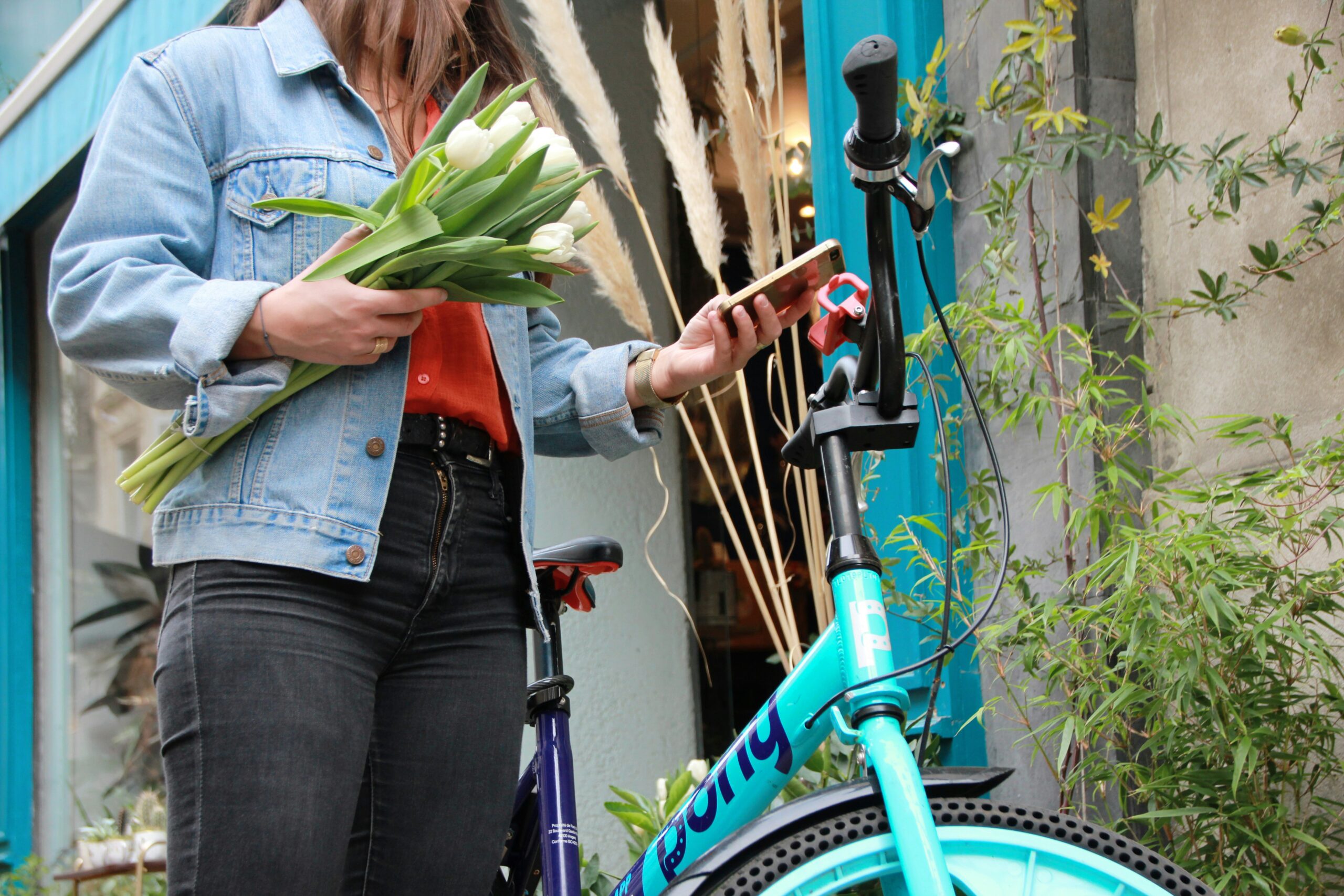
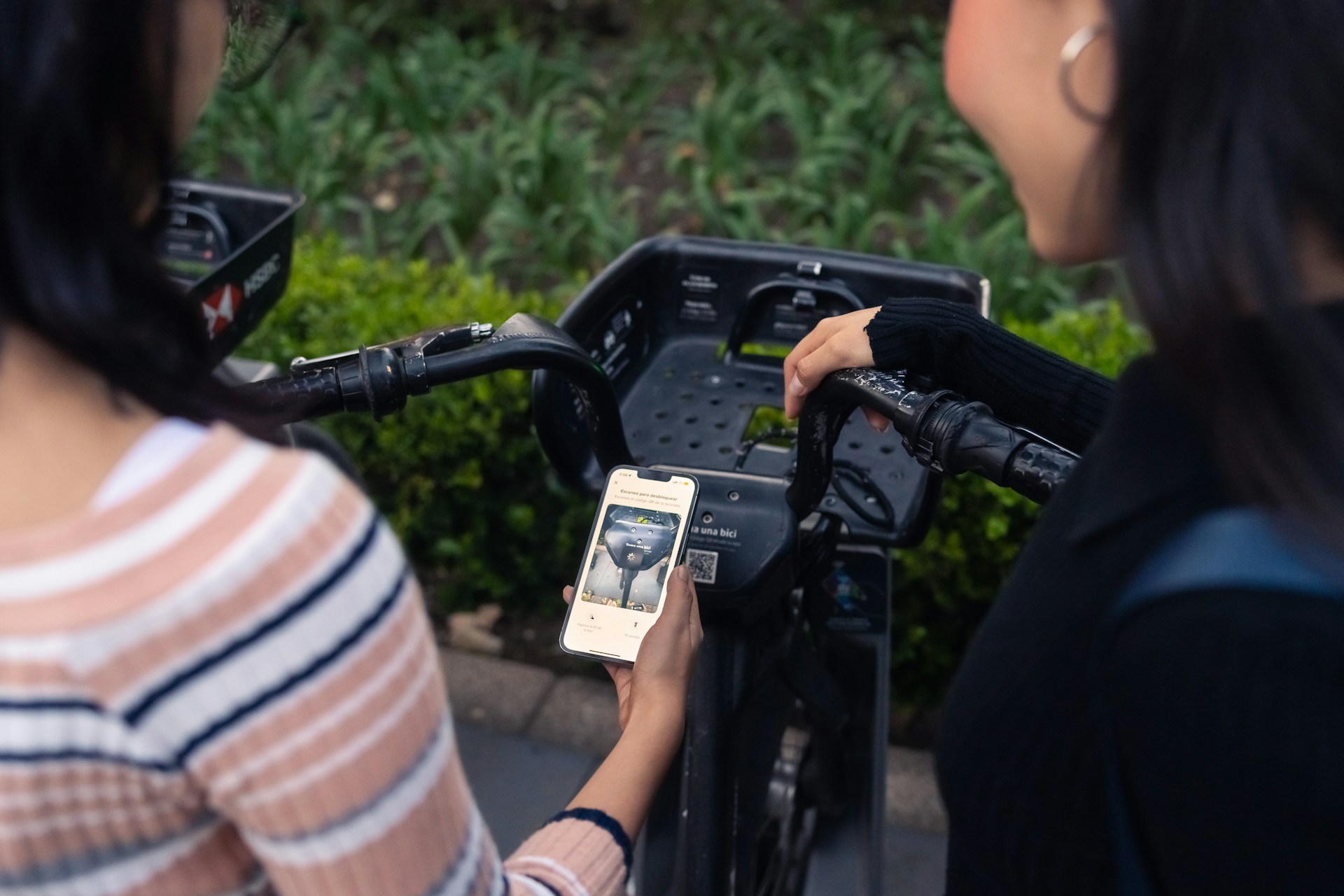
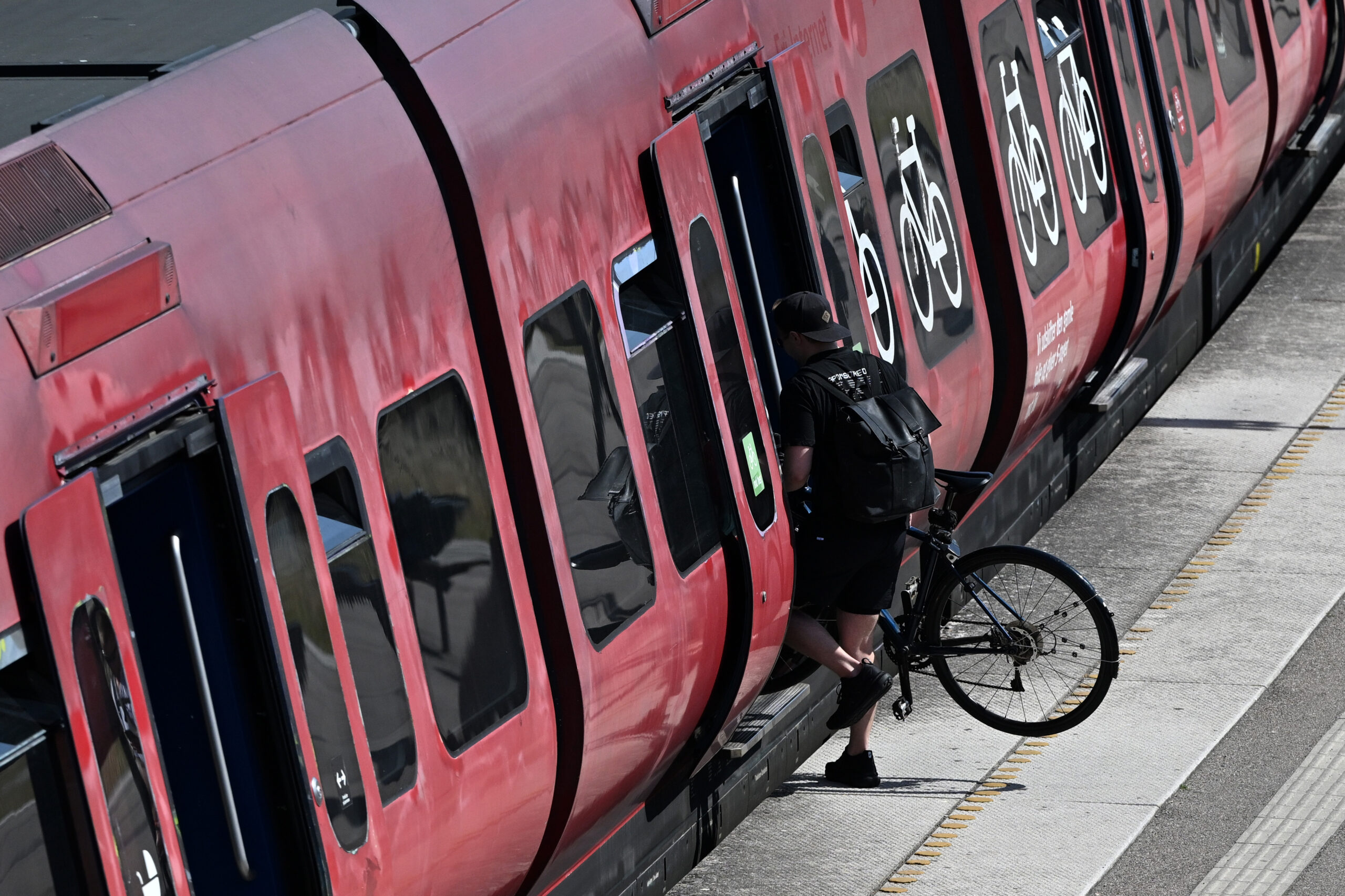
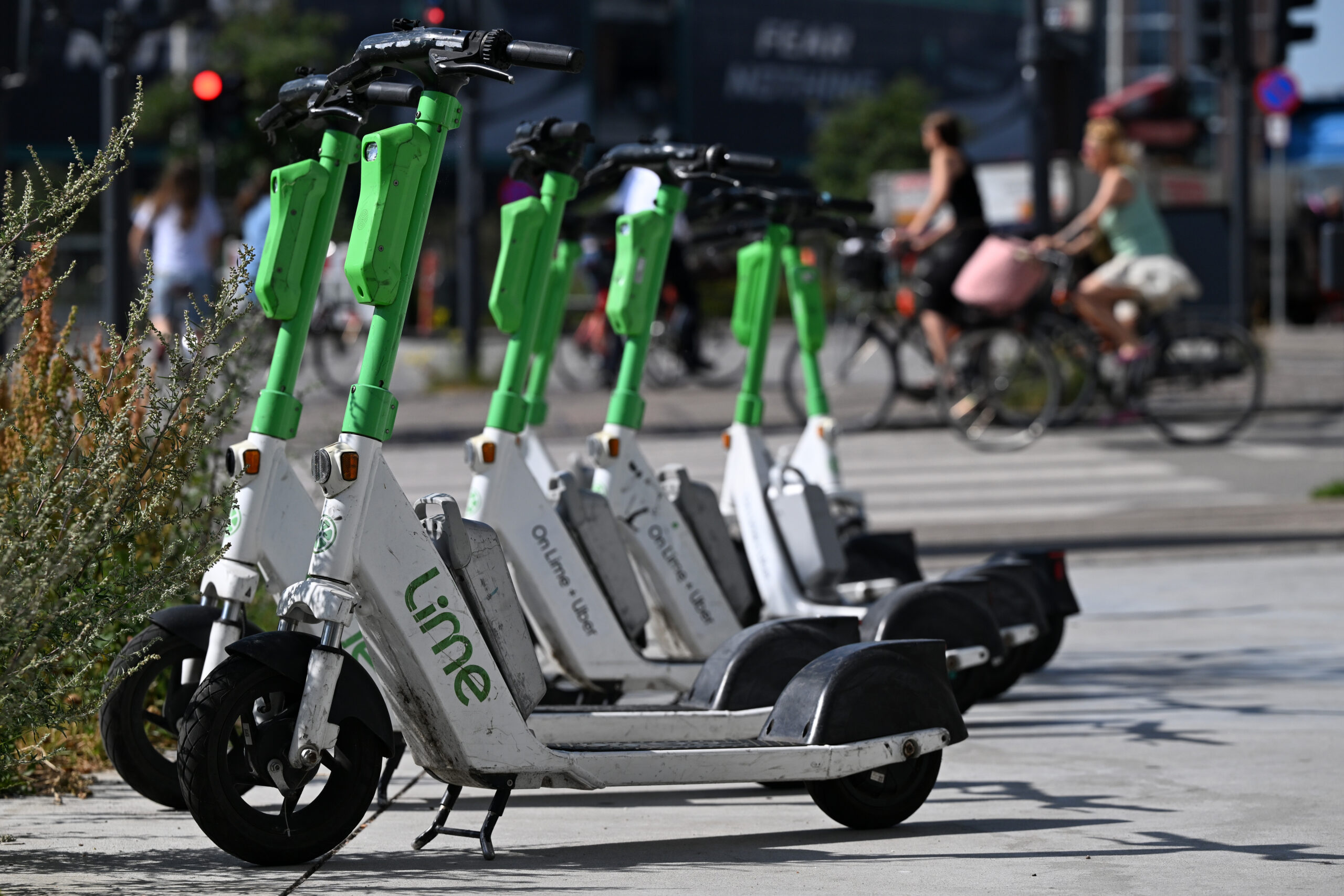
However, for public transport systems to realise their full potential they must evolve beyond traditional models to integrate with other modes of transport, particularly shared mobility services such as bike-sharing, scooter-sharing, car-sharing and on-demand shuttles. In most cities this experience is still fragmented. For example, transitioning from riding a shared bike to hopping onto a bus might require two different apps, payment systems or membership cards – offering numerous barriers for what could otherwise be a simple commute.
Studies show that users choose transport options based primarily on convenience and quality of service and pay less attention to sustainability. This is why many people still opt for private cars because the perceived inconvenience or lack of knowledge about alternative options to complete their journey discourages more sustainable modes. To address this, cities must adopt a multimodal approach, where public transport and shared mobility are not seen as separate entities but as complementary parts of a unified system.
The promise of multimodality and Mobility as a Service (MaaS)
The seamless enablement of multimodality — the combining of different transport modes in a single journey — is essential for reducing car dependency and achieving net-zero mobility. Mobility as a Service (MaaS) platforms are emerging as a tool to facilitate this integration by providing users with a single digital interface to plan, book and pay for trips across various transport modes. And the market is expected to grow rapidly, with Deloitte projecting global MaaS market size growth from €126 billion in 2021 to €500 billion by 2030.
From buses and trains to shared bikes and scooters offering a seamless, user-centric experience, MaaS platforms can make sustainable transport options more attractive and convenient than private car use.
With the support of a singular MaaS platform to connect modes, sustainable mobility choices can become the most easily accessible ones, thereby reducing congestion and emissions and improving air quality. In 2016 Helsinki became the first city to introduce a comprehensive MaaS offering, encompassing public transport, bike-sharing and even taxi services for the highest-paying subscription. The 2019 Whimpact Report analysing the impacts of the MaaS offering found that Whim users made 73% of their trips with public transportation, a significant share, especially compared with the 48% of trips made by non-Whim users.
However, implementing urban-scale MaaS offerings is not enough to ensure adoption. The success of MaaS depends on complementary policies, such as incentives for sustainable travel, public awareness campaigns and investments in infrastructure that support walking, cycling and shared mobility.
EIT Urban Mobility’s GreenMob Project
The EIT Urban Mobility-supported GreenMob project aims to support the rollout of MaaS platforms and thus developed a journey planner that integrates public transport, walking, cycling and shared mobility options, providing real-time information on routes, schedules, fares and CO2 emissions associated with each mode. Piloted in Cesena, Italy; Viladecans, Spain; and Debrecen, Hungary; the project aimed to demonstrate how digital tools can enable users to make informed, sustainable travel choices.
The results were promising. In Debrecen, users of the MaaS platform were able to save 62.4 tons of CO2 thanks to the new CO2 measuring feature of the app, which also raised sustainability awareness about different modality’s emissions. In Cesena registered users logged over 11 hours of bicycle use throughout the pilot period, in contrast to only 22 minutes of car use. And in Viladecans users registered 215 kilometres, or 73 hours of walking activity during the pilot – shifting towards the most sustainable transport mode of all.
By making CO2 emissions visible and comparable while enabling greater visibility into multimodal options, GreenMob not only facilitated modal shift and adoption of more sustainable modes but also raised awareness about the environmental impact of travel choices.
Towards a more seamless mobility network
The transition to net-zero mobility requires a wholesale rethinking of how we move in and between cities. Public transport must remain the backbone of urban mobility, but its effectiveness depends on its ability to integrate seamlessly with shared and active mobility options. Projects like GreenMob show that digital innovation, when combined with supportive policies and public engagement, can drive meaningful change.
Photos: EIT Urban Mobility, Haoli Chen, Julio Lopez